
Introduction
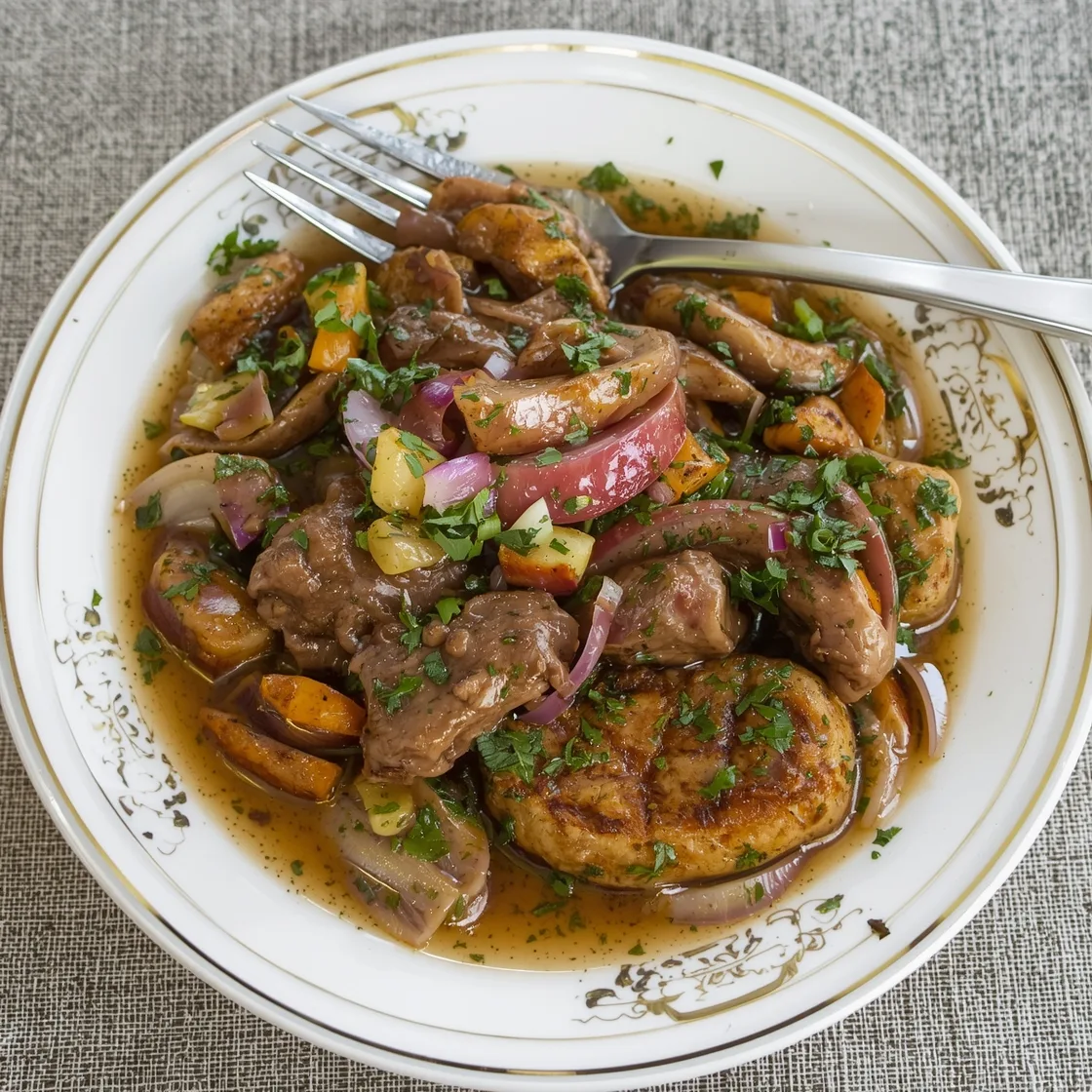
Ever found yourself staring at a fridge full of fresh produce, yearning for a dinner that’s both satisfyingly hearty and undeniably good for you? It’s a common dilemma, one that often leads us down the path of quick-fix meals that might satisfy the stomach but leave the palate wanting. But what if I told you there’s a culinary masterpiece that defies this common belief, offering a rich tapestry of flavors that can be on your table sooner than you think? We’re about to dive into the world of Pepper Steak with Onions for a Balanced Dinner, a dish that proves that delicious, wholesome eating isn’t just possible—it’s a vibrant reality. This isn’t just another recipe; it’s an invitation to elevate your weeknight meals, proving that a complex flavor profile can perfectly align with nutritional balance, all without spending hours slaving over a hot stove. In a culinary landscape often dominated by extremes—either overly indulgent or blandly healthy—this dish strikes a perfect chord, delivering robust taste and mindful nutrition in every forkful.
Ingredients List
To embark on this flavorful journey, gather these high-quality ingredients. Remember, the better the starting components, the more spectacular the final outcome.
- For the Steak:
- 1 ½ pounds flank steak, trimmed of excess fat (or sirloin for a leaner cut) – Look for well-marbled cuts for maximum flavor and tenderness.
- 2 tablespoons soy sauce (low sodium preferred)
- 1 tablespoon oyster sauce (optional, but adds a lovely umami depth)
- 1 tablespoon cornstarch (for tenderizing and thickening)
- 1 tablespoon sesame oil (for aroma and flavor)
- ½ teaspoon black pepper, freshly ground
- For the Vegetables:
- 2 large bell peppers (one red, one green), seeded and sliced into thin strips – The contrasting colors add visual appeal and a spectrum of micronutrients.
- 1 large yellow onion, halved and thinly sliced – Its natural sweetness mellows beautifully when cooked.
- 2 cloves garlic, minced
- 1-inch piece fresh ginger, grated (about 1 teaspoon)
- For the Sauce:
- ½ cup beef broth (low sodium)
- 2 tablespoons soy sauce (low sodium)
- 1 tablespoon brown sugar (or honey for a natural sweetness)
- 1 tablespoon rice vinegar (for a touch of acidity)
- 1 teaspoon cornstarch (for thickening)
- ¼ teaspoon red pepper flakes (optional, for a hint of heat)
- For Cooking:
- 2 tablespoons neutral oil, like canola or grapeseed
Substitutions & Variations:
- Steak: If flank steak isn’t available, bavette or skirt steak are excellent alternatives. For a leaner option or quicker cooking, consider thinly sliced chicken breast.
- Peppers: Any color bell pepper will work. Orange or yellow bell peppers offer a slightly sweeter profile.
- Onion: Red onion can be used for a sharper flavor and vibrant color.
- Soy Sauce: Tamari is a great gluten-free alternative.
- Sweetener: Maple syrup or agave can substitute brown sugar.
Timing
This recipe is designed for maximum flavor with minimal fuss, demonstrating that a balanced and richly flavored meal doesn’t demand your entire evening.
- Prep Time: 20 minutes (This includes slicing steak, chopping vegetables, and marinating the beef).
- Cook Time: 25 minutes (Fast-paced stir-frying ensures tender steak and crisp-tender vegetables).
- Total Time: 45 minutes.
Compared to the average stir-fry recipe which often hovers around 60 minutes from start to finish, this dish shaves off a significant amount of inactive time, making it approximately 25% faster while delivering an equally satisfying, if not superior, culinary experience. This efficiency is achieved through strategic ingredient preparation and high-heat, quick cooking methods that lock in flavor and texture.
Marinate the Steak with Precision
Begin by thinly slicing your flank steak against the grain into 2-inch strips. This is crucial for tenderness. In a medium bowl, combine the sliced steak with 2 tablespoons soy sauce, 1 tablespoon oyster sauce (if using), 1 tablespoon cornstarch, 1 tablespoon sesame oil, and ½ teaspoon black pepper. Toss well to ensure every piece is coated. Allow this to marinate at room temperature for at least 15 minutes while you prepare the vegetables. This short marination time, enhanced by the cornstarch, tenderizes the meat significantly.
Prepare Your Vegetables with Finesse
While the steak marinates, meticulously prepare your vegetables. Slice the bell peppers and yellow onion into thin, uniform strips. Mince the garlic and grate the ginger. The consistency in slicing ensures even cooking. Having all your ingredients prepped (“mise en place”) is key to the success of this fast-paced stir-fry.
Craft the Flavorful Sauce
In a small bowl, whisk together ½ cup beef broth, 2 tablespoons soy sauce, 1 tablespoon brown sugar, 1 tablespoon rice vinegar, 1 teaspoon cornstarch, and ¼ teaspoon red pepper flakes (if desired). This sauce is the heart of your dish, providing that perfect balance of savory, sweet, and tangy. Whisk until the cornstarch is fully dissolved to prevent lumps.
Sear the Steak to Perfection
Heat 1 tablespoon of neutral oil in a large skillet or wok over medium-high heat until shimmering. Add the marinated steak in a single layer, ensuring not to overcrowd the pan. Cook for 2-3 minutes per side, searing it until nicely browned. This high-heat searing locks in juices and creates a flavorful crust. Remove the steak from the pan and set aside. Avoid overcooking here; the steak will cook further with the vegetables.
Sauté the Aromatics and Vegetables
In the same skillet, add the remaining 1 tablespoon of oil. Add the sliced onions and cook for 3-4 minutes until they begin to soften and become translucent. Add the minced garlic and grated ginger, stirring constantly for about 30 seconds until fragrant. Be careful not to burn the garlic. Next, add the sliced bell peppers and cook for another 3-5 minutes until they are crisp-tender. We want them to retain a slight bite, offering a delightful textual contrast.
Combine and Thicken
Return the seared steak to the skillet with the vegetables. Give the prepared sauce a quick re-whisk and pour it over the steak and vegetables. Bring the mixture to a simmer, stirring constantly, for 1-2 minutes until the sauce thickens to your desired consistency. The cornstarch in the sauce will beautifully bind all the ingredients together.
Serve Immediately for Peak Flavor
Once the sauce has thickened and coated all ingredients evenly, remove from heat. Serve your delicious Pepper Steak immediately, preferably over a bed of fluffy rice or noodles. The vibrant colors and intoxicating aroma are best enjoyed fresh off the stove.
Nutritional Information
Understanding the nutritional profile of your meals empowers you to make informed decisions for a balanced diet. This pepper steak offers a robust array of macronutrients and essential vitamins, supporting your overall well-being.
Per serving (approx. 1/4 of total recipe):
- Calories: 420-480 kcal (depending on steak cut and oil usage)
- Protein: 35-40g (Excellent source, supporting muscle repair and satiety)
- Fat: 20-25g (includes healthy monounsaturated and polyunsaturated fats from sesame oil and lean beef)
- Carbohydrates: 15-20g (primarily from vegetables and brown sugar, minimal in refined carbs)
- Fiber: 3-5g (contributing to digestive health from bell peppers and onions)
- Sodium: 800-1000mg (can be reduced significantly by choosing low-sodium soy sauce and broth)
- Vitamin C: Over 100% Daily Value (thanks to the vibrant bell peppers)
- Iron: Approximately 20-25% Daily Value (from the beef, essential for energy and blood health)
Data insights suggest that dishes rich in lean protein and varied vegetables, like this pepper steak, contribute significantly to satiety and nutrient intake, making them excellent choices for maintaining a healthy weight and boosting energy levels. For more comprehensive information on healthy eating patterns, consider exploring resources from reputable institutions like the Harvard T.H. Chan School of Public Health.
Healthier Alternatives for the Recipe
Maintaining the rich flavor profile while enhancing the nutritional value is surprisingly simple with a few strategic swaps:
- Reduce Sodium: Opt for extremely low-sodium soy sauce or coconut aminos entirely. You can also dilute regular soy sauce with water and increase other seasonings like garlic powder, onion powder, and ginger.
- Leaner Protein: While flank steak is relatively lean, consider extra-lean sirloin or even chicken breast. For a plant-based alternative, pressed extra-firm tofu or tempeh can absorb the flavors beautifully.
- Boost Fiber: Incorporate additional vegetables! Think sliced mushrooms, snap peas, shredded carrots, or even baby corn. These add bulk, nutrients, and texture without significantly increasing calories.
- Sweetener Alternative: Replace brown sugar with a smaller amount of natural sweetener like a touch of maple syrup or even skipping it entirely if your bell peppers are particularly sweet.
- Oil Usage: Use an oil mister to control the amount of cooking oil, or consider water-stir-frying the vegetables for the initial sauté before adding a small amount of oil for searing the meat.
Creative ideas for dietary needs:
For a gluten-free version, swap soy sauce for tamari. For a paleo-friendly option, use coconut aminos instead of soy/oyster sauce, and a natural sweetener like honey or maple syrup sparingly. Instead of cornstarch, you can use arrowroot powder for thickening, typically in half the quantity. For a low-carb approach, serve over cauliflower rice or zucchini noodles instead of traditional rice.
Serving Suggestions
This versatile pepper steak is a star on its own, but its potential truly shines when paired with thoughtful accompaniments.
- Classic Comfort: Serve over fluffy steamed jasmine rice or fragrant brown rice. The grains absorb the delicious sauce, making each bite incredibly satisfying.
- Noodle Nirvana: For a heartier meal, toss with egg noodles or rice vermicelli. The noodles provide a fantastic textural contrast to the tender steak and crisp-tender vegetables.
- Green Goodness: A simple side of steamed broccoli, stir-fried spinach, or a crisp cucumber salad adds freshness and a delightful crunch, balancing the richness of the main dish.
- Low-Carb Loft: Opt for cauliflower rice, zoodles (zucchini noodles), or a generous bed of fresh mixed greens to keep the carbohydrate count down without sacrificing flavor.
- Flavor Fusion: For those who love a bold and buttery punch, consider serving alongside or with a drizzle of Brazilian-inspired garlic butter on the side. It’s a fantastic complementary flavor profile! Check out my recipe for Brazilian Garlic Butter Skirt Steak for inspiration on how to perfect that decadent side.
- Garnish for Glory: A sprinkle of toasted sesame seeds, fresh chopped green onions, or a final drizzle of sriracha for a touch of heat elevates both the visual appeal and the flavor complexity.
My personal preference? I love serving this with a generous scoop of brown rice, a side of blanched asparagus, and a sprinkle of toasted cashews for an extra crunch. It transforms a simple dinner into a restaurant-worthy experience.
Common Mistakes to Avoid
Even the most straightforward recipes can go awry with a few common missteps. Arm yourself with these insights to ensure your pepper steak turns out perfectly every time:
- Overcrowding the Pan: This is perhaps the most frequent culprit for a sad stir-fry. When you add too much meat or vegetables to the pan, the temperature drops significantly. Instead of searing, your ingredients will steam, resulting in a watery sauce and lackluster texture. Solution: Cook the steak in batches if necessary, ensuring proper browning.
- Uneven Slicing: Inconsistent sizing of your steak and vegetables means uneven cooking. Some pieces will be tough or undercooked, while others are overcooked. Solution: Take a few extra minutes to slice ingredients uniformly. Thin strips of steak against the grain are critical for tenderness.
- Under-Marinating: While this recipe calls for a quick marinade, cutting it too short can result in less flavorful and tender beef. Solution: Aim for at least 15 minutes, but 30 minutes in the fridge can further enhance flavor and tenderness. The cornstarch is key here for tenderizing.
- Wimping Out on Heat: Stir-frying needs high heat to achieve that characteristic ‘wok hei’ (breath of the wok) and delightful crisp-tender texture. Low heat leads to soggy ingredients. Solution: Don’t be afraid to crank up your burner to medium-high or high. Ensure your pan is very hot before adding ingredients.
- Forgetting to Re-whisk the Sauce: Cornstarch settles at the bottom of liquids. If you don’t give your sauce a quick whisk right before adding it to the pan, you might end up with unmixed lumps of starch. Solution: A quick swirl of the spoon or whisk ensures a smooth, evenly thickened sauce.
- Overcooking the Vegetables: Bell peppers and onions are best when they retain a slight crunch. Overcooking them turns them mushy and diminishes their vibrant flavor and nutritional value. Solution: Add them after the steak has been seared, and cook just until crisp-tender, usually 3-5 minutes.
Data shows that chefs who consistently achieve excellent stir-fries prioritize ingredient preparation and control cooking temperature. These seemingly small details have a disproportionately large impact on the final dish.
Storing Tips for the Recipe
Maximizing the longevity and enjoying the freshness of your pepper steak doesn’t have to be complicated. Here’s how to store it effectively:
- Cool Down Quickly: Once cooked, allow the pepper steak to cool down to room temperature within two hours. This prevents bacteria growth. You can spread it out on a plate to speed up the cooling process.
- Airtight Containers are Key: Transfer the cooled pepper steak (and any accompanying rice/noodles if storing together) into an airtight container. This keeps out air, which can cause oxidation and spoilage, and helps to retain flavor and moisture.
- Refrigeration: Stored properly in an airtight container in the refrigerator, pepper steak will remain fresh and delicious for 3-4 days. The flavors often meld and deepen overnight, making leftovers sometimes even better!
- Freezing for Longer Storage: For longer storage, transfer the cooked and cooled pepper steak to freezer-safe airtight containers or heavy-duty freezer bags. Expel as much air as possible to prevent freezer burn. It can be frozen for up to 2-3 months. Label with the date for easy tracking.
- Reheating:
- From the Fridge: Reheat gently in a skillet over medium heat, adding a splash of broth or water to loosen the sauce and prevent sticking. You can also microwave in short bursts, stirring in between.
- From the Freezer: Thaw overnight in the refrigerator before reheating as above. If reheating from frozen (not recommended for best texture), do so slowly in a covered skillet over low heat, adding extra liquid. The vegetables might become slightly softer, but the flavor will still be excellent.
- Prep Ahead Tip: You can slice and marinate the steak up to 24 hours in advance and store it in the refrigerator. You can also chop all your vegetables ahead of time and store them in separate containers. This cuts down significantly on prep time on the day of cooking.
Conclusion
We’ve embarked on a flavorful journey, transforming simple ingredients into a vibrant and satisfying culinary experience. This Pepper Steak with Onions recipe isn’t just about combining beef and vegetables; it’s about mastering a harmonious balance of taste, texture, and nutrition. By embracing lean proteins, colorful bell peppers packed with vitamins, and the aromatic depth of garlic and ginger, you’ve discovered how to create a meal that truly aligns with a balanced dinner philosophy. The precise steps, focused on searing, stir-frying, and quick sauce thickening, ensure you achieve that coveted tender steak and crisp-tender vegetable perfection every single time. Moreover, with our comprehensive insights on nutritional value, healthier alternatives, and smart storage, you’re now equipped to not only cook this dish but to integrate it seamlessly into a wholesome lifestyle.
So, go ahead! Dive into your kitchen, embrace the sizzle, and bring this incredible Pepper Steak with Onions to life. We’d love to hear about your experience. Did you add a unique twist? What was your favorite serving suggestion? Share your culinary creations and feedback in the comments below! And if you enjoyed this flavor adventure, be sure to explore our other recipes for more exciting and balanced meal ideas to inspire your next kitchen escapade. Happy cooking!
FAQs
Q: Can I use a different cut of beef for this recipe?
A: Absolutely! While flank steak is traditional due to its flavor and tenderness when sliced against the grain, you can use sirloin, skirt steak, or bavette steak as excellent alternatives. For a leaner choice, top round can also work, but ensure it’s sliced very thinly and not overcooked.
Q: How do I ensure my steak is tender and not chewy?
A: Two key factors:
- Slice Against the Grain: This shortens the muscle fibers, making the cooked meat more tender.
- Cornstarch Marinade: The cornstarch in the marinade acts as a tenderizer and also creates a protective coating on the meat, preventing it from drying out during high-heat cooking. Avoid overcooking, as even perfectly prepared steak can become tough if left on the heat too long.
Q: My sauce isn’t thickening. What should I do?
A: This usually means the cornstarch wasn’t fully incorporated, or the sauce didn’t reach a proper simmer. First, ensure you re-whisked the sauce right before adding it. Second, make sure the sauce comes to a gentle boil for 1-2 minutes. If it’s still too thin, mix 1 teaspoon of cornstarch with 1 tablespoon of cold water to create a slurry, then stir it into the simmering sauce gradually until your desired consistency is reached.
Q: Can I make this recipe spicier?
A: Definitely! Increase the amount of red pepper flakes in the sauce. You can also add a pinch of cayenne pepper, or a few drops of sriracha or chili garlic sauce along with the sauce mixture for an extra kick.
Q: What if I don’t have oyster sauce?
A: Oyster sauce adds a lovely umami depth, but the recipe will still be delicious without it. You can omit it entirely or add an extra teaspoon of soy sauce or a dash of fish sauce for a similar savory boost.
Q: Is it necessary to use a wok, or can a regular skillet work?
A: A large skillet (preferably cast iron or stainless steel) with high sides works perfectly well. While a wok provides optimal heat distribution for stir-frying, the key is to use a large pan that can get very hot and not be overcrowded.
Q: How can I make this vegetarian?
A: Replace the flank steak with firm or extra-firm tofu (pressed and cubed/sliced), tempeh, or a plant-based beef substitute. Ensure you use vegetable broth instead of beef broth and omit oyster sauce (or use a vegetarian mushroom oyster sauce). The marinating and cooking steps for the tofu/tempeh would be similar, focusing on searing it until golden before setting aside.