
Introduction
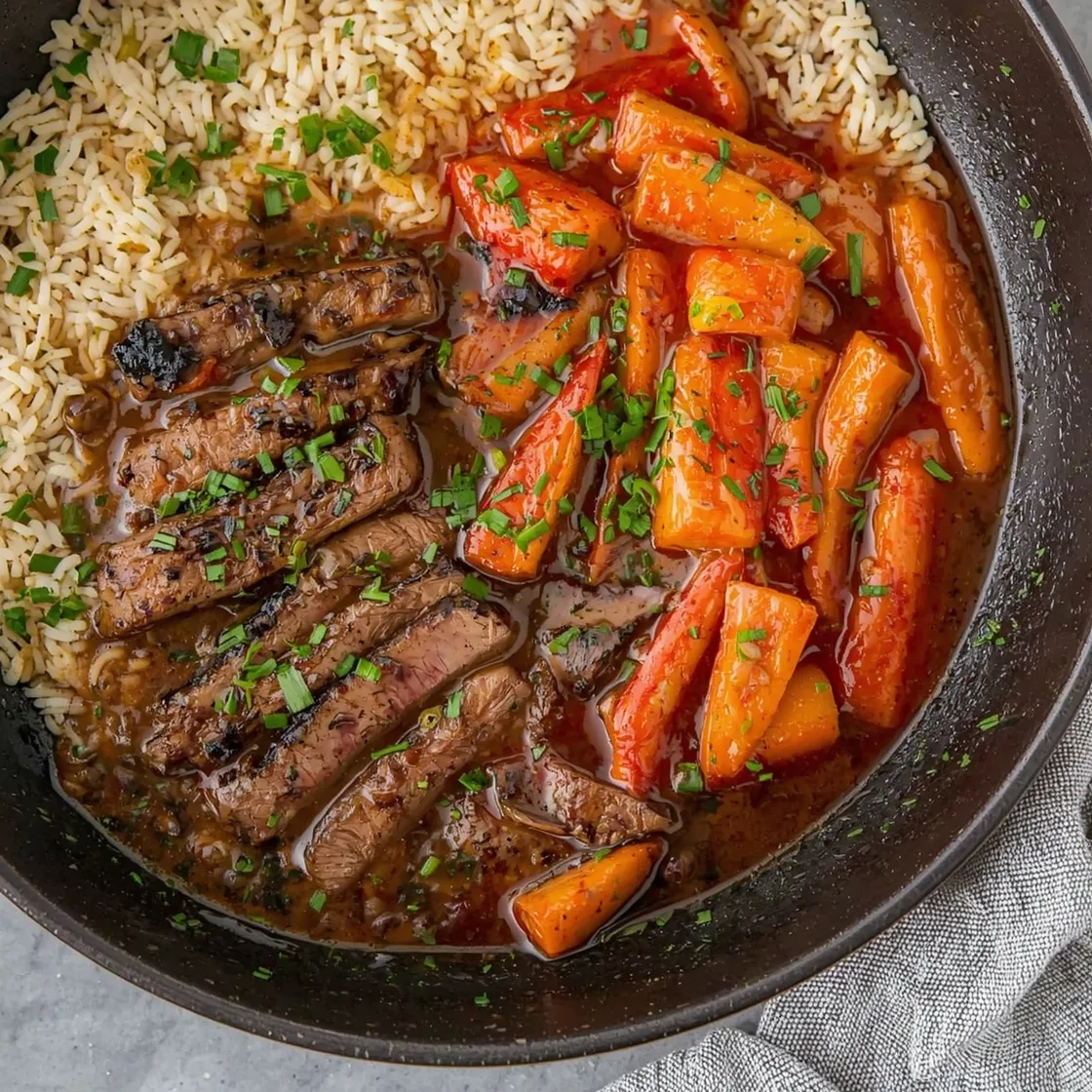
Have you ever gazed longingly at restaurant menus, wishing you could replicate that perfect, tender, and savory pepper steak in your own kitchen without the fuss? Many home cooks mistakenly believe a truly delicious pepper steak is an intricate, time-consuming endeavor best left to professional chefs. But what if I told you that crafting an Easy Homemade Pepper Steak is not only achievable but also incredibly straightforward, even on the busiest of weeknights? This isn’t just another recipe; it’s your definitive guide to unlocking rich, savory flavors and remarkable tenderness with minimal effort. Prepare to surprise your taste buds and impress your family with a dish that delivers gourmet satisfaction right at your dinner table, proving that culinary excellence doesn’t have to be complicated.
Ingredients List
To embark on this delightful culinary journey, gathering the right ingredients is key. We’re focusing on fresh, high-quality components that will build layers of flavor without overwhelming your palate.
- For the Steak:
- 1 ½ pounds flank steak, thinly sliced against the grain (or sirloin steak for a leaner option)
- 1 tablespoon soy sauce (low-sodium preferred)
- 1 teaspoon cornstarch
- ½ teaspoon black pepper
- Substitution Tip: Skirt steak also works beautifully here! If you’re looking for an ultra-tender alternative, consider marinating it overnight.
- For the Vegetables:
- 2 tablespoons olive oil (or sesame oil for an Asian-inspired twist)
- 1 large green bell pepper, cored and cut into 1-inch pieces
- 1 large red bell pepper, cored and cut into 1-inch pieces (adds a touch of sweetness and vibrant color)
- 1 medium yellow onion, thinly sliced
- 2 cloves garlic, minced (fresh is always best for maximum aromatic impact)
- 1-inch piece fresh ginger, grated (a secret weapon for bright, zesty notes)
- For the Sauce:
- ½ cup beef broth (low-sodium)
- 3 tablespoons soy sauce (adjust to taste)
- 1 tablespoon oyster sauce (adds umami depth; substitute with hoisin sauce for a vegetarian option)
- 1 teaspoon sugar (balances the savory notes)
- 1 teaspoon cornstarch (for thickening)
- ½ teaspoon white pepper (a slightly different heat profile than black pepper, often preferred in Asian cuisine)
- Substitution Tip: For a gluten-free version, use tamari instead of soy sauce and ensure your beef broth is gluten-free.
Timing
One of the greatest advantages of this recipe is its efficiency. It’s designed to bring maximum flavor in minimum time, making it perfect for those hectic weeknights when you still crave something homemade and hearty.
- Prep Time: 20 minutes (includes slicing steak and vegetables, and mixing sauce)
- Cook Time: 25 minutes
- Total Time: 45 minutes
At just 45 minutes, this dish offers a significant time-saving advantage. Consider that many traditional stewed pepper steak recipes can take upwards of 90 minutes; our approach cuts down the required kitchen time by over 50%, without compromising on taste or tenderness. This rapid method is ideal for busy individuals or families seeking a nutritious and flavorful meal without the extended commitment.
Step-by-Step Instructions
Let’s transform these simple ingredients into a sensational meal. Follow these steps meticulously for the best results.
Prepare the Steak
Begin by patting your thinly sliced flank steak dry with paper towels. This crucial step helps create a better sear. In a medium bowl, combine the steak slices with 1 tablespoon soy sauce, 1 teaspoon cornstarch, and ½ teaspoon black pepper. Toss well to ensure each piece is evenly coated. This tenderizing marinade, drawing inspiration from velveting techniques, ensures your steak remains incredibly tender during cooking.
Stir-Fry the Steak
Heat 1 tablespoon of olive oil in a large skillet or wok over medium-high heat until shimmering. Add the marinated steak in a single layer, ensuring not to overcrowd the pan. You might need to do this in batches to achieve a good sear. Cook for 2-3 minutes per side until beautifully browned and cooked to your desired doneness. Remember, we’re aiming for a quick sear to lock in juices without overcooking. Remove the steak from the pan and set it aside.
Sauté the Aromatics and Vegetables
Add the remaining 1 tablespoon of olive oil to the same pan. Reduce the heat slightly to medium. Add the sliced yellow onion, green bell pepper, and red bell pepper. Sauté for 5-7 minutes, stirring occasionally, until the vegetables begin to soften but still retain a slight crispness. They should be vibrant and fragrant. Next, add the minced garlic and grated ginger, cooking for another minute until incredibly aromatic. The fragrant combination of garlic and ginger is a cornerstone of this dish’s flavor profile.
Whisk the Sauce
While your vegetables are cooking, prepare the sauce. In a small bowl, whisk together the beef broth, 3 tablespoons soy sauce, oyster sauce (or hoisin), sugar, cornstarch, and white pepper until completely smooth. The cornstarch will help thicken the sauce to a luscious consistency.
Combine and Simmer
Return the cooked steak to the pan with the sautéed vegetables. Pour the prepared sauce over the steak and vegetables. Bring the mixture to a gentle simmer, stirring constantly, until the sauce thickens and coats everything beautifully (about 2-3 minutes). The sauce should be glossy and substantial. Ensure all components are heated through. For an even more complex flavor profile, consider adding a dash of sesame oil at this stage.
Final Touches
Taste the pepper steak and adjust seasonings as needed. You might want a little more soy sauce for saltiness or a pinch more sugar to balance. Serve immediately.
Nutritional Information
Understanding the nutritional profile of your meals empowers you to make informed dietary choices. This pepper steak offers a balanced array of macronutrients, making it a satisfying and health-conscious option.
- Calories: Approximately 350-400 calories per serving (based on 4 servings, depends on oil usage and specific cuts)
- Protein: Around 30-35g per serving (excellent for muscle repair and satiety)
- Fat: 15-20g per serving (primarily from healthy oils and lean steak)
- Carbohydrates: 15-20g per serving (from vegetables and sauce thickener)
- Fiber: 3-5g per serving (thanks to the generous amounts of bell peppers and onions)
This recipe provides a substantial amount of protein and essential vitamins from the vibrant vegetables. For those monitoring sodium intake, opting for low-sodium soy sauce and broth can significantly impact the overall nutritional values. According to the National Institutes of Health, a balanced diet rich in lean protein and vegetables is crucial for overall well-being.
Healthier Alternatives for the Recipe
Making dietary adjustments doesn’t mean sacrificing flavor. Here are some simple, yet impactful, ways to make this dish even healthier:
- Leaner Protein: Swap flank steak for sirloin steak or even lean chicken breast to reduce saturated fat content.
- Sodium Reduction: Use very low-sodium soy sauce and broth. You can always add a pinch of salt at the end if needed, giving you more control over the sodium levels.
- Extra Veggies: Double the amount of bell peppers and onions, or introduce other quick-cooking vegetables like snap peas, broccoli florets, or carrots for added fiber and nutrients.
- Whole Grains: Serve over brown rice or quinoa instead of white rice to boost fiber and complex carbohydrates, promoting longer-lasting energy.
- Oil Control: Use a non-stick pan and a light hand with oil, or use cooking spray, to significantly cut down on fat without compromising texture.
Serving Suggestions
This versatile pepper steak pairs beautifully with a variety of accompaniments, transforming a simple meal into a delightful dining experience.
- Classic Comfort: Serve over a bed of fluffy white rice or brown rice to soak up every last drop of that savory sauce. Consider jasmine rice for its aromatic qualities.
- Low-Carb Option: For a lighter, low-carb alternative, present your pepper steak atop cauliflower rice, alongside steamed green beans, or mixed with sautéed zucchini noodles.
- Asian-Inspired Bowl: Turn it into a bowl! Add some fresh cilantro, a sprinkle of toasted sesame seeds, and a drizzle of sriracha for a touch of heat.
- Noodle Delight: Toss the pepper steak and sauce with cooked lo mein noodles or udon noodles for a hearty one-bowl meal.
- Crispy Texture: Garnish with crunchy fried shallots or a few thinly sliced scallions for an added layer of flavor and texture.
Common Mistakes to Avoid
Even the most straightforward recipes can encounter pitfalls. Being aware of these common errors will help you achieve perfection every time.
- Overcooking the Steak: Flank steak cooks quickly. Overcooking will result in tough, dry meat. Aim for a quick sear, then let it finish cooking briefly in the sauce. As data suggests, even a minute or two can significantly impact tenderness with lean cuts.
- Overcrowding the Pan: Trying to cook too much steak or too many vegetables at once reduces the pan’s temperature, leading to steaming rather than searing. This means no beautiful caramelization! Cook in batches if necessary.
- Skipping the Cornstarch on the Steak: The initial cornstarch coating on the steak is a secret to its tenderness and helps create a slight crust. Don’t skip this step!
- Not Preparing Ingredients Ahead: “Mise en place” (everything in its place) is crucial for stir-fries. Have all your vegetables chopped and your sauce whisked before you start cooking, as the cooking process is very fast.
- Incorrect Slicing of Steak: Always slice flank steak against the grain. This shortens the muscle fibers, resulting in much more tender bites. Slicing with the grain leaves tough, chewy pieces, regardless of how perfectly cooked they are.
Storing Tips for the Recipe
Proper storage ensures your delicious pepper steak remains fresh and enjoyable for future meals.
- Refrigeration: Allow the pepper steak to cool completely before transferring it to an airtight container. It will keep well in the refrigerator for up to 3-4 days. This is an ideal make-ahead meal for meal prepping.
- Freezing: For longer storage, freeze portions in freezer-safe containers or bags for up to 2-3 months. Thaw overnight in the refrigerator before reheating. Note that bell peppers might become slightly softer in texture after freezing and thawing, but the flavor will remain excellent.
- Reheating: To reheat, gently warm in a skillet over medium heat, adding a splash of beef broth or water if the sauce has thickened too much. You can also microwave individual portions until heated through.
- Prep-Ahead: You can slice the steak and vegetables a day in advance and store them separately in airtight containers in the refrigerator. Whisk the sauce components together and store separately. This cuts down on day-of prep time significantly.
Conclusion
There you have it – a truly approachable and incredibly flavorful guide to crafting a magnificent pepper steak right in your own kitchen! We’ve demystified the process, showing that restaurant-quality results are not only attainable but can be achieved quickly and efficiently. From tender, perfectly seared flank steak to vibrant, crisp-tender peppers enveloped in a rich, savory sauce, this recipe delivers on every front. You’ve learned the nuanced art of seasoning, the power of precise timing, and numerous ways to adapt this dish to suit your dietary needs and personal preferences.
Now, it’s your turn to experience the magic! Don’t just read about it; embrace the joy of creating this sensational meal. We encourage you to try this recipe, perhaps exploring different beef cuts like the ones discussed in this excellent resource on skirt steak marinades, and share your culinary adventure with us. Did you add extra spice? Found a unique side dish pairing? Tell us all about it in the comments below, or better yet, snap a photo and tag us on social media! Happy cooking, and may your kitchen always be filled with glorious aromas and delightful flavors.
FAQs
Q1: Can I use chicken instead of beef for this recipe?
A1: Absolutely! Chicken breast or thighs, thinly sliced, make an excellent substitute. Follow the same marinating and cooking steps, but ensure the chicken is cooked through to an internal temperature of 165°F (74°C). The cooking time might be slightly less than for beef.
Q2: How can I make the sauce spicier?
A2: To add a kick, incorporate a pinch of red pepper flakes with the garlic and ginger, or stir in a teaspoon of sriracha or chili-garlic sauce to the sauce mixture. You can also drizzle some chili oil over the finished dish.
Q3: What’s the best way to slice flank steak against the grain?
A3: Identify the muscle fibers running through the steak (the “grain”). You want to slice perpendicular to these lines. This shortens those tough fibers, resulting in very tender pieces of meat. Partially freezing the steak for 15-20 minutes beforehand can also make it easier to slice thinly and evenly.
Q4: My sauce isn’t thickening. What should I do?
A4: If your sauce isn’t thickening, it usually means it hasn’t reached a high enough temperature or hasn’t simmered long enough for the cornstarch to activate. Increase the heat slightly and continue to simmer gently, stirring constantly, for another 1-2 minutes. If it’s still too thin, you can make a slurry of 1 teaspoon cornstarch dissolved in 1 tablespoon cold water, then slowly stir it into the simmering sauce until it reaches your desired consistency.
Q5: Can I prepare the sauce ahead of time?
A5: Yes, you can whisk together all the sauce ingredients hours or even a day in advance. Store it in an airtight container in the refrigerator. Give it a good whisk again just before adding it to the pan, as the cornstarch might settle at the bottom. This preparation step significantly streamlines the cooking process on busy evenings.