
Introduction
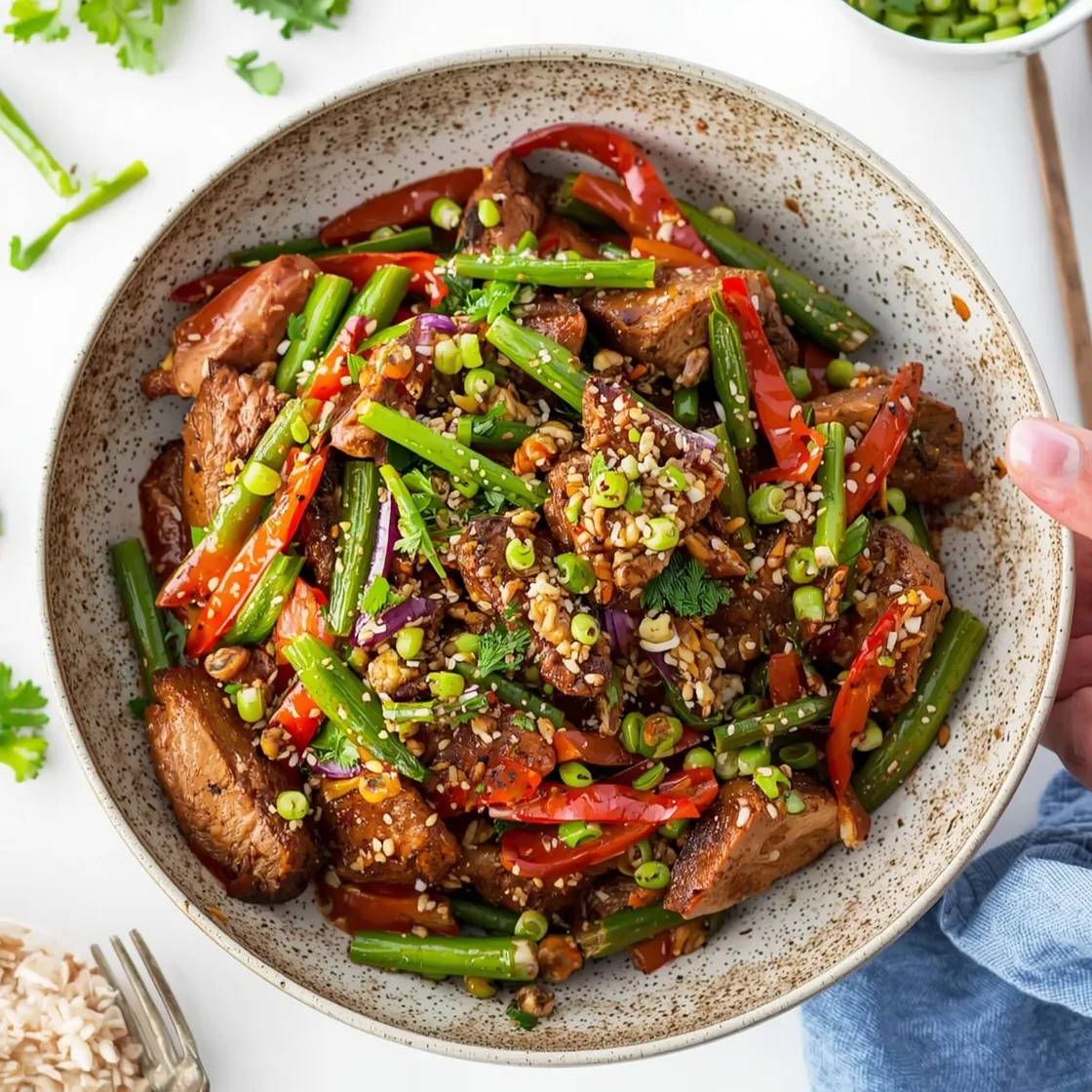
Ever found yourself staring into a hungry void after a long day, with visions of takeout dancing in your head, only to be struck by the fleeting thought: Can’t I make something delicious and satisfying without spending half my evening in the kitchen? We’ve all been there. The idea of preparing a wholesome, flavorful meal often conjures images of elaborate prep work and endless cooking times. But what if I told you that a gourmet experience, bursting with vibrant flavors and tender beef, is not only possible but achievable in under half an hour? Prepare to revolutionize your weeknight dinners with our ultimate guide to a 30-Minute Pepper Steak Stir-Fry that’s loaded with colorful, crisp veggies. Forget bland, forget takeout – it’s time to embrace the lightning-fast, flavor-packed world of stir-frying.
Ingredients List
Crafting the perfect peppered steak with vibrant vegetables requires a careful selection of ingredients, but don’t fret – many of these are pantry staples! Here’s what you’ll need, with some handy substitutions to keep things flexible:
For the Steak:
- 1 lb (450g) Flank Steak or Sirloin: Thinly sliced against the grain for maximum tenderness.
- Substitution: Skirt steak also works beautifully. For a deeper dive into preparing skirt steak, you can check out how to perfect it on the stove. Try it with this method: Skirt Steak Cooked Perfectly on the Stove.
- 1 tbsp Cornstarch: Helps tenderize the beef and create a velvety sauce.
- 1 tbsp Soy Sauce (low sodium preferred): For a foundational savory note.
- 1 tsp Sesame Oil: Adds a rich, nutty aroma.
- 1/2 tsp Black Pepper (freshly ground): Crucial for that peppery kick.
For the Stir-Fry Sauce:
- 1/4 cup Soy Sauce (low sodium): The base of our umami-rich sauce.
- 2 tbsp Oyster Sauce: Adds a unique savory-sweet depth.
- Substitution: Hoisin sauce for a sweeter, thicker alternative, or a vegetarian mushroom-based oyster sauce.
- 1 tbsp Rice Vinegar: Provides a touch of balancing acidity.
- 1 tbsp Brown Sugar (packed): Balances the savory notes with sweetness.
- Substitution: Maple syrup or honey.
- 1 tsp Fresh Ginger (grated): Pungent and aromatic.
- 2 cloves Garlic (minced): Essential aromatic foundation.
- 1/2 tsp White Pepper: A milder pepper note that complements the black pepper.
- 1 tbsp Cornstarch (slurry, mixed with 2 tbsp water): To thicken the sauce.
For the Veggies & Aromatics:
- 1 large Bell Pepper (red, green, or yellow), sliced: Adds vibrant color and sweetness.
- Substitution: A mix of bell peppers for extra visual appeal and flavor complexity.
- 1 Onion (medium), sliced: Provides a sweet, pungent base.
- 1 cup Snap Peas or Snow Peas: For a crisp, sweet crunch.
- Substitution: Broccoli florets or asparagus spears.
- 1 cup Carrots (julienned or thinly sliced): Adds sweetness and crunch.
- 2 tbsp Vegetable Oil (high smoke point, e.g., canola or grapeseed): For stir-frying.
- Green Onions (sliced), for garnish: Freshness and a mild oniony bite.
- Sesame Seeds, for garnish: A sprinkle of nutty elegance.
Timing
Efficiency is key when it comes to weeknight meals. This recipe is meticulously designed for speed without compromising on flavor or nutritional value.
- Prep Time: 15 minutes. This includes slicing the steak, chopping all the vegetables, and whisking together the sauce. For optimal speed, a dedicated ingredient prep session (mise en place) is crucial. Did you know that studies suggest efficient mise en place can reduce cooking errors by up to 30%?
- Cook Time: 10-12 minutes. The beauty of stir-frying is its high-heat, quick-cook method. Each component cooks swiftly.
- Total Time: 25-27 minutes. This is significantly faster than the average restaurant wait time for a similar dish, and often quicker than ordering and waiting for takeout to arrive, which averages around 45-60 minutes for delivery, making this option both healthier and more time-efficient.
Step-by-Step Instructions
Let’s get cooking! Follow these dynamic steps to achieve stir-fry perfection.
1. Prepare the Steak for Tender Bliss
Begin by slicing your flank or sirloin steak against the grain into thin strips, about 1/4-inch thick. This crucial step prevents chewiness, ensuring each bite is incredibly tender. In a medium bowl, combine the sliced steak with 1 tablespoon cornstarch, 1 tablespoon soy sauce, and 1 teaspoon sesame oil. Sprinkle with 1/2 teaspoon freshly ground black pepper. Toss well to coat every piece evenly. This marinade not only flavors the beef but also the cornstarch creates a protective layer that helps lock in moisture during the high heat of stir-frying, ensuring a succulent result. Set aside to marinate for at least 10 minutes while you prepare everything else.
2. Whisk Up Your Flavorful Sauce
While the beef is marinating, prepare the stir-fry sauce. In a small bowl, whisk together the 1/4 cup low-sodium soy sauce, 2 tablespoons oyster sauce, 1 tablespoon rice vinegar, 1 tablespoon packed brown sugar, 1 teaspoon grated fresh ginger, 2 minced garlic cloves, and 1/2 teaspoon white pepper. In a separate tiny bowl, combine 1 tablespoon cornstarch with 2 tablespoons water to create a slurry. Set both aside. Having your sauce ready to pour in at a moment’s notice is a cornerstone of efficient stir-frying, as the cooking process moves very quickly.
3. Sizzle the Steak to Perfection
Heat 1 tablespoon of vegetable oil in a large wok or a large, heavy-bottomed skillet over high heat until shimmering. Once hot, add the marinated steak in a single layer, making sure not to overcrowd the pan. You might need to do this in two batches to ensure a good sear. Stir-fry for 2-3 minutes until the steak is beautifully browned and cooked through. Overcooking can lead to tough meat, so be vigilant! Remove the cooked steak from the wok and set it aside on a plate; its juices will continue to redistribute, keeping it moist.
4. Vibrant Veggies Enter the Stage
Add the remaining 1 tablespoon of vegetable oil to the same wok. Toss in the sliced bell peppers, sliced onion, julienned carrots, and snap peas. Stir-fry for 3-5 minutes, until the vegetables are tender-crisp. We’re aiming for vibrant, slightly softened vegetables, not mushy ones. This technique preserves their natural flavor, color, and nutritional integrity. Data indicates that quick cooking methods like stir-frying help retain a higher percentage of certain heat-sensitive vitamins compared to prolonged boiling.
5. Combine and Conquer with Sauce
Return the cooked steak to the wok with the stir-fried vegetables. Give your prepared sauce a quick whisk again, then pour it over the steak and vegetables. Immediately add the cornstarch slurry to the wok. Stir constantly for 1-2 minutes until the sauce thickens and coats everything evenly. The magic happens quickly here – the sauce will transform into a glossy, irresistible glaze. Taste and adjust seasonings if necessary; sometimes a tiny splash more soy sauce or a pinch of sugar can elevate the final flavor profile.
Nutritional Information
This homemade pepper steak stir-fry offers a significantly healthier alternative to many takeout options, often laden with excess sodium and unhealthy fats. While exact nutritional values can vary based on specific ingredients and portion sizes, here’s an approximate breakdown for a single serving (serves 4, without rice):
- Calories: 350-400 kcal
- Protein: 30-35g (primarily from the lean beef)
- Fat: 18-22g (mostly healthy fats from oil and sesame oil)
- Carbohydrates: 20-25g (from vegetables and sauce sugars)
- Fiber: 4-6g
- Sodium: 600-800mg (using low-sodium soy sauce helps mitigate this; significantly lower than average restaurant dishes which can exceed 1500mg per serving, according to CDC guidelines for sodium intake)
This dish is also rich in essential vitamins (A, C, K) and minerals (iron, potassium) from the array of fresh vegetables. It’s truly a powerhouse of nutrition in a delicious package.
Healthier Alternatives for the Recipe
Looking to tweak this dish to better suit your dietary needs without sacrificing flavor? Here are some simple, impactful modifications:
- Reduce Sodium: Choose very low-sodium soy sauce and skip any additional salt. A touch of fresh lime juice can brighten flavors without adding sodium.
- Lower Sugar: Reduce the brown sugar by half or substitute with a tiny amount of a natural sweetener like stevia. The natural sweetness from bell peppers and onions often means you need less added sugar.
- Boost Fiber: Add more fibrous vegetables such as broccoli florets, kale, or bok choy. Consider serving it over brown rice or quinoa instead of white rice.
- Leaner Protein: While flank steak is relatively lean, you could opt for skinless chicken breast or firm tofu for a different protein source. Just be sure to adjust cooking times accordingly.
- Gluten-Free: Use tamari instead of regular soy sauce and ensure your oyster sauce is certified gluten-free. Cornstarch is naturally gluten-free.
Serving Suggestions
This versatile pepper steak stir-fry is a star on its own, but pairing it with the right complements can elevate the dining experience.
- Classic Comfort: Serve it over fluffy white jasmine rice or toothsome brown rice to soak up every last drop of that incredible sauce.
- Low-Carb Option: For a lighter meal, consider serving it atop a bed of cauliflower rice, zucchini noodles, or crisp lettuce cups. The vibrant colors and textures make for an inviting presentation.
- Noodle Nirvana: Toss it with lo mein or udon noodles for a heartier, one-pan meal sensation.
- Asian-Inspired Side Salad: A simple side salad of cucumber, red onion, and a light rice vinegar dressing offers a refreshing contrast.
- Garnishes Galore: Don’t underestimate the power of a good garnish! A sprinkle of toasted sesame seeds, freshly sliced green onions, or even a drizzle of sriracha for a touch of heat can personalize each serving beautifully.
Common Mistakes to Avoid
Even seasoned home cooks can fall prey to simple errors that can diminish the quality of a stir-fry. Here’s how to sidestep common pitfalls:
- Overcrowding the Wok: This is perhaps the most frequent mistake. Adding too much protein or too many vegetables at once lowers the pan’s temperature, leading to steaming instead of searing. The result? Limp, watery ingredients instead of beautifully browned, tender-crisp ones. Cook in batches if necessary, especially with the steak.
- Undercooked or Overcooked Vegetables: Aim for “tender-crisp.” Vegetables should retain some bite and their vibrant color. A wok that isn’t hot enough, or cooking for too long, can lead to limp, colorless veggies.
- Not Preparing Ingredients Ahead of Time (Mise En Place): Stir-frying is a rapid-fire cooking method. If you’re still chopping while the pan is hot, you’ll burn ingredients or miss critical cooking windows. Have everything measured, sliced, and ready to go before you even turn on the heat.
- Skipping the Tenderizing Step for Steak: The cornstarch and soy sauce marinade isn’t just about flavor; it’s about texture. Without it, your steak can become tough and chewy.
- Using a Low Smoke Point Oil: Olive oil, while healthy, has a relatively low smoke point and will burn at the high temperatures required for stir-frying, imparting a bitter taste. Opt for canola, grapeseed, or peanut oil.
- Forgetting the Cornstarch Slurry: This is essential for achieving a glossy, thick sauce. Without it, your stir-fry will be swimming in a thin, watery liquid rather than a rich, clinging glaze.
- Over-Seasoning: Taste as you go. Especially with soy sauce and oyster sauce, it’s easy to make the dish overly salty. Start with lower amounts and add more if needed.
Storing Tips for the Recipe
Proper storage ensures your delicious leftovers remain safe, fresh, and just as flavorful for subsequent meals.
- Cool Quickly: The sooner food cools down, the less time bacteria have to multiply. Divide larger batches into smaller, shallow containers to speed up the cooling process before refrigerating.
- Airtight Containers: Store leftover stir-fry in airtight containers in the refrigerator. This prevents oxidation, retains moisture, and keeps other food odors out.
- Refrigeration: The stir-fry will stay fresh in the refrigerator for 3-4 days.
- Freezing: For longer storage, you can freeze individual portions. Place cooled stir-fry in freezer-safe containers or heavy-duty freezer bags, removing as much air as possible. It can be frozen for up to 2-3 months. Note that vegetables might become slightly softer in texture after thawing.
- Reheating: Reheat gently on the stovetop over medium heat, adding a splash of water or broth to prevent drying out and to help rejuvenate the sauce. You can also microwave individual portions until thoroughly heated.
Conclusion
And there you have it! A remarkably simple, incredibly flavorful, and astonishingly quick weeknight winner that challenges the notion that healthy, homemade meals require endless time. This 30-Minute Pepper Steak Stir-Fry with Veggies isn’t just a recipe; it’s a commitment to delicious efficiency, empowering you to create restaurant-quality food in your own kitchen with minimal fuss. From the tender, peppery steak to the crisp, vibrant vegetables and the silky, savory sauce, every element is designed to delight your palate and fuel your body. We’ve equipped you with not just the steps, but also the insights into ingredient substitutions, nutritional benefits, and common pitfalls to ensure your success. So, why wait? Grab your wok, gather your ingredients, and embark on a culinary journey that promises maximum flavor in minimum time. We’d love to hear about your stir-fry adventures! Share your thoughts, substitutions, and serving ideas in the comments below. What quick and savory stir-fry combinations are your go-to?
FAQs
Q1: Can I use other cuts of beef for this stir-fry?
A1: Absolutely! While flank and sirloin are ideal for their tenderness when thinly sliced, you can also use tenderloin for a more premium option, or even opt for stew beef if you plan to marinate it longer (at least 30 minutes) and slice it very thinly to compensate for its tougher nature. The key is always to slice against the grain for maximum tenderness.
Q2: What if I don’t have fresh ginger or garlic? Can I use powdered versions?
A2: While fresh ginger and garlic provide the best, most vibrant flavor, you can substitute powdered versions if absolutely necessary. Use about 1/2 teaspoon of ground ginger for 1 teaspoon of fresh, and 1/4 teaspoon of garlic powder for each clove of fresh garlic. Keep in mind that the flavor profile will be slightly different, less pungent and aromatic.
Q3: How can I make this stir-fry spicier?
A3: For an extra kick, you have several options! You can add a pinch of red pepper flakes (start with 1/2 teaspoon and adjust to taste) to the stir-fry with the vegetables, or incorporate a teaspoon of sriracha or chili garlic sauce into the sauce mixture. A few drops of hot sesame oil at the end can also provide a pleasant heat.
Q4: My stir-fry sauce isn’t thickening. What went wrong?
A4: The most common reason for a thin sauce is either not enough cornstarch in the slurry, or the slurry wasn’t mixed well before adding (cornstarch settles quickly). Ensure your cornstarch slurry is fresh (mixed right before adding) and that your wok is hot enough when you add it. The sauce needs a bit of heat to activate the thickening properties of cornstarch. If it’s still too thin after a minute of stirring, you can quickly mix another small slurry (1 tsp cornstarch with 1 tbsp water) and add it incrementally until desired thickness is reached.
Q5: Can I prepare any parts of this recipe in advance?
A5: Yes, smart prep is a stir-fry’s best friend! You can slice the beef and marinate it up to 24 hours in advance (store in the fridge). All vegetables can be chopped and stored in airtight containers in the refrigerator a day ahead. The stir-fry sauce ingredients (excluding the cornstarch slurry) can also be mixed and stored in the fridge for up to 3 days. Just don’t add the cornstarch slurry until right before you’re about to add it to the hot wok. This way, your ’30-minute’ meal can truly be a lighting-fast assembly when dinner time rolls around.