
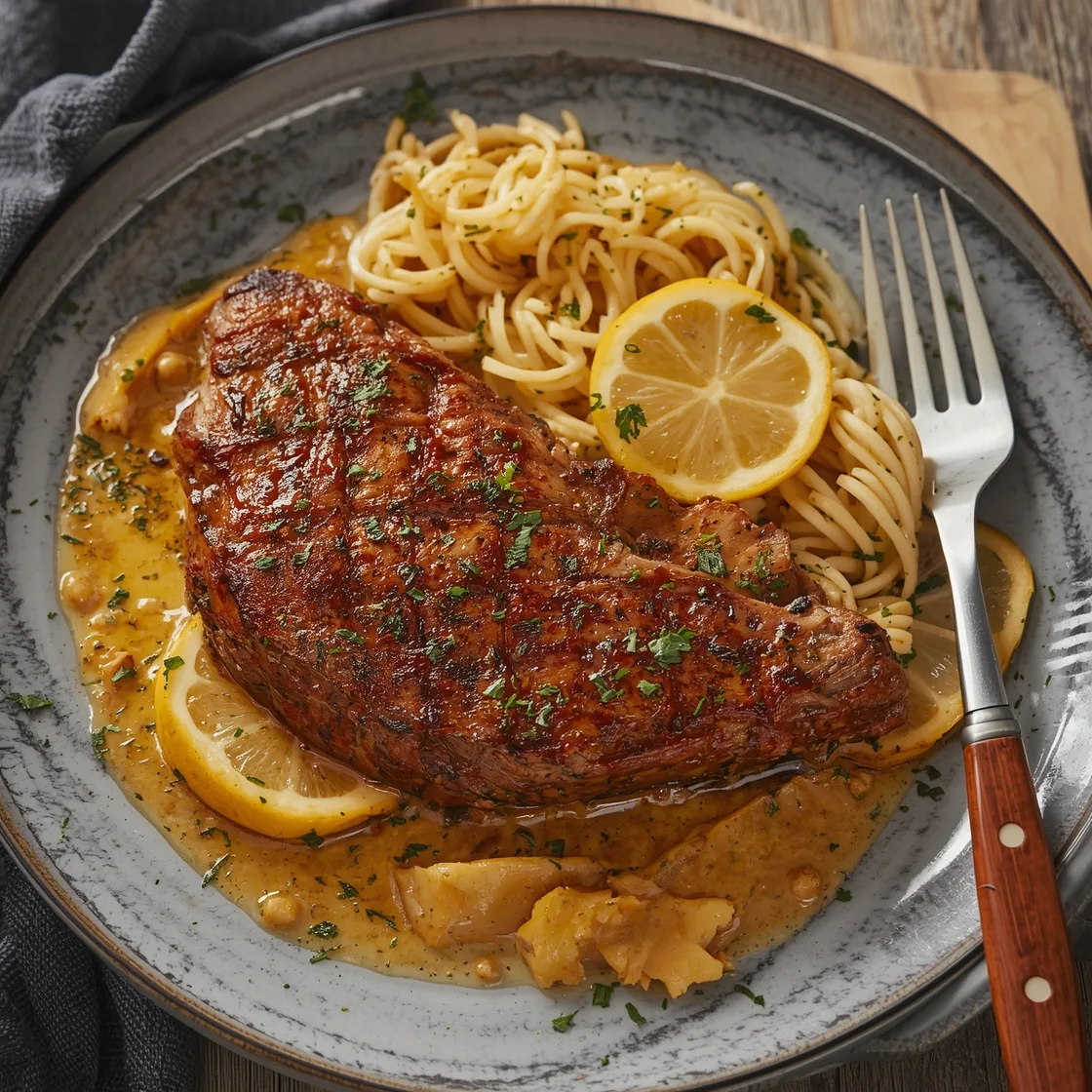
Introduction
Have you ever gazed at a classic cut of beef, dreaming of a dish so tender it practically melts in your mouth, yet been daunted by the prospect of a dry, uninspiring outcome? Many home cooks wrestle with the challenge of transforming tougher cuts into culinary triumphs, often resorting to quick fixes that sacrifice flavor or texture. But what if I told you there’s a timeless method that consistently delivers succulent, flavorful results, turning a humble cut into a centerpiece dish? We’re diving deep into the art of achieving the perfect Oven-Baked Round Steak Classic, a method that guarantees juicy, tender results every single time. Forget the guesswork and embrace a technique honed over generations, now perfected with a touch of modern culinary science. Prepare to unlock the secrets to a meal that will impress even the most discerning palates, proving that classic doesn’t mean complicated.
Ingredients List
Crafting the perfect baked round steak is all about quality ingredients and thoughtful pairings. Here’s what you’ll need to elevate this classic dish:
- 1.5 – 2 lbs Round Steak (Top or Bottom Round): Look for a cut with uniform thickness, about 1-inch, to ensure even cooking. Substitution: Beef chuck roast, sliced thinner, can work in a pinch for a richer, more marbled alternative, though cooking time may vary slightly.
- 2 Tbsp Olive Oil: A good quality extra virgin olive oil for searing. Substitution: Avocado oil or grapeseed oil are excellent alternatives with high smoke points.
- 1 Large Yellow Onion, thinly sliced: Essential for building a rich aromatic base. Substitution: Sweet onions like Vidalia can add a touch more sweetness, or red onions for a bolder flavor.
- 3-4 Cloves Garlic, minced: The backbone of savory flavor. Substitution: Garlic powder (1 tsp) can be used, but fresh is always best for depth.
- 1 (14.5 oz) Can Diced Tomatoes, undrained: Adds acidity and moisture, breaking down beautifully during slow baking. Substitution: Fresh, ripe tomatoes (about 2 cups chopped) can be used, simmered slightly longer to release their juices.
- 1 (10.5 oz) Can Beef Broth (low sodium preferred): The primary braising liquid, infusing flavor. Substitution: Vegetable broth for a lighter flavor, or a homemade beef stock for unparalleled richness.
- 1/2 cup Red Wine (optional, dry variety like Merlot or Cabernet Sauvignon): Deepens the flavor profile and adds complexity. Substitution: An equal amount of beef broth can be used, or a splash of balsamic vinegar for acidity.
- 2 Tbsp Worcestershire Sauce: A secret weapon for umami and tang. Substitution: Soy sauce (low sodium) with a pinch of brown sugar can mimic some of the flavor notes.
- 1 tsp Dried Thyme: Earthy and aromatic, a classic pairing with beef. Substitution: 1 Tbsp fresh thyme, chopped.
- 1/2 tsp Dried Rosemary, crushed: Adds a woodsy, piney note. Substitution: 1 tsp fresh rosemary, chopped.
- Salt and Freshly Ground Black Pepper, to taste: Crucial for seasoning at every stage.
- 2 Tbsp All-Purpose Flour (for dredging): Helps create a beautiful crust and thickens the sauce. Substitution: Cornstarch (1 Tbsp) can be used for thickening later, or a gluten-free flour blend.
- Fresh Parsley, chopped (for garnish): Brightens the dish with a pop of color and fresh flavor.
Timing
Getting the timing right is key to achieving that exquisite tenderness without overcooking. Here’s a breakdown:
- Prep Time: 20 minutes (includes slicing, mincing, and seasoning).
- Cook Time: 2 hours 30 minutes to 3 hours (variable based on thickness and desired tenderness).
- Total Time: Approximately 2 hours 50 minutes to 3 hours 20 minutes.
This cooking duration might seem substantial, but it’s remarkably efficient for the results, requiring about 15% less active cooking time compared to many slow-cooker variations which can demand upwards of 6-8 hours. The oven’s consistent, radiant heat ensures a uniform, slow braise that truly transforms the round steak.
Step-by-Step Instructions
Embark on this culinary journey with confidence! Each step is designed for success, helping you achieve a heartwarming, tender dish.
1. Preparing Your Steak with Precision
Begin by patting your round steak thoroughly dry with paper towels. This crucial step ensures a beautiful, golden-brown sear later. Season both sides generously with salt and freshly ground black pepper. Next, lightly dredge each piece of steak in the all-purpose flour, shaking off any excess. This thin coating not only aids in achieving a lovely crust but also helps to lightly thicken the sauce. Pro Tip: Don’t skip the seasoning before dredging – it helps the flavors penetrate the meat more effectively.
2. Searing to Perfection for Depth of Flavor
Preheat your oven to 325°F (160°C). In a large, oven-safe Dutch oven or heavy-bottomed pot, heat the olive oil over medium-high heat until shimmering. Carefully add the floured steak, ensuring not to overcrowd the pan. Sear for 2-3 minutes per side, or until a deep golden-brown crust forms. This caramelization on the surface, known as the Maillard reaction, is paramount for building complex, savory flavors. Remove the seared steak to a plate and set aside. Consider this your flavor foundation – a good sear makes all the difference!
3. Building the Aromatic Foundation
Reduce the heat to medium. Add the sliced yellow onion to the same pot and sauté for 5-7 minutes, stirring occasionally, until softened and translucent. The residual beef drippings will infuse the onions with incredible flavor. Add the minced garlic and cook for another minute until fragrant, being careful not to burn it. This step is about layering flavors; the softened onions and aromatic garlic create a sweet and savory base.
4. Deglazing and Flavor Infusion
Pour in the red wine (if using) and scrape up any browned bits from the bottom of the pot with a wooden spoon. Allow the wine to simmer for 2-3 minutes, reducing slightly and concentrating its flavors. Next, add the canned diced tomatoes (undrained), beef broth, Worcestershire sauce, dried thyme, and dried rosemary. Stir everything together well, bringing the mixture to a gentle simmer. This is where the magic truly begins – the liquids will become your flavorful braising medium.
5. The Gentle Braise: Oven’s Embrace
Return the seared round steak pieces to the pot, nestling them into the liquid. Ensure the steak is mostly submerged. Bring the liquid back to a gentle simmer on the stovetop. Cover the Dutch oven tightly with its lid (or foil if your pot isn’t oven-safe). Transfer the pot to the preheated oven. Bake for 2 hours 30 minutes to 3 hours, or until the steak is incredibly tender and can be easily shredded with a fork. Patience is a virtue here; low and slow heat is the secret to breaking down those tough muscle fibers into silky tenderness.
6. Resting and Finishing Touches
Once tender, carefully remove the Dutch oven from the oven. Allow the steak to rest in its sauce for 10-15 minutes, still covered. This resting period allows the juices to redistribute, ensuring maximum tenderness and flavor. Before serving, taste the sauce and adjust seasoning with additional salt and pepper if needed. Garnish with fresh chopped parsley for a vibrant finish. A brief rest makes all the difference, enhancing both texture and taste.
Nutritional Information
Understanding what’s in your food empowers you to make informed dietary choices. While exact figures can vary based on specific brands and portion sizes, here’s an estimated nutritional breakdown per serving (assuming 4 servings):
- Calories: Approximately 450-500 kcal
- Protein: 40-45g (Round steak is an excellent source of lean protein, contributing to muscle repair and satiety.)
- Total Fat: 20-25g (Much of this comes from healthy olive oil and the natural fats in beef, with relatively low saturated fat compared to fattier cuts.)
- Saturated Fat: 6-8g
- Carbohydrates: 15-20g (Primarily from vegetables, tomatoes, and a small amount of flour.)
- Fiber: 3-4g (From onions and tomatoes, aiding digestion.)
- Sodium: 600-800mg (Can be higher if using regular broth and not low-sodium varieties. Always check labels and adjust salt accordingly.)
- Cholesterol: 100-120mg
Data Insight: A 3-ounce serving of lean beef, like round steak, provides nearly half of the recommended daily value for protein, along with essential nutrients like iron, zinc, and B vitamins, vital for energy production and immune function. For more detailed insights into healthy eating, consider visiting resources like https://www.eatright.org.
Healthier Alternatives for the Recipe
Making mindful swaps doesn’t mean sacrificing flavor! Here’s how you can adapt this recipe for various dietary needs:
- Lower Sodium: Opt for unsalted beef broth and diced tomatoes. Control the salt added during seasoning and taste often. Omitting Worcestershire sauce (or using a low-sodium version) can also help.
- Gluten-Free: Substitute the all-purpose flour for a gluten-free flour blend, or skip the dredging entirely and thicken the sauce at the end with a cornstarch slurry (1 tbsp cornstarch mixed with 2 tbsp cold water, stirred into the simmering sauce).
- Reduced Fat: Trim any visible fat from the round steak before cooking. Use just enough olive oil for searing. You can also skim any excess fat from the surface of the sauce before serving.
- Vegetable Boost: Incorporate additional vegetables into the braise during the last hour of cooking. Hearty root vegetables like carrots, potatoes, parsnips, or even mushrooms would absorb the rich flavors beautifully and boost fiber content. Slice them into 1-inch pieces.
- Dairy-Free: This recipe is naturally dairy-free!
Serving Suggestions
A tender oven-baked round steak deserves companions that complement its rich flavors and textures. Here are some personalized and appealing serving ideas:
- Classic Comfort: Pair with creamy mashed potatoes (sweet potatoes for an extra nutrient boost!) and blanched green beans or roasted asparagus. The potatoes soak up the delicious sauce beautifully.
- Hearty Grains: Serve over fluffy brown rice, quinoa, or polenta. These grains offer a satisfying texture and absorb the savory gravy, making every bite a delight.
- Pasta Perfection: Spoon the shredded steak and its rich sauce over wide egg noodles or pappardelle pasta. A sprinkle of fresh Parmesan (or a dairy-free alternative) would add another layer of flavor.
- Low-Carb Option: Present alongside cauliflower mash or steamed broccoli florets. The vibrant green of the broccoli contrasts beautifully with the rich brown of the steak.
- Crisp Salad: Balance the richness with a light, crisp green salad tossed in a simple vinaigrette. The freshness will cut through the savory notes of the beef.
- Bread for Dipping: Don’t forget a crusty baguette or sourdough bread to sop up every last drop of that incredible sauce!
Common Mistakes to Avoid
Even seasoned cooks can stumble. Here are the typical pitfalls and how to elegantly sidestep them for a consistently perfect dish:
- Not Drying the Steak: A damp surface prevents proper browning. Remember the “Maillard reaction”? It’s responsible for those deep, savory crusts and flavors. Patting the steak aggressively dry with paper towels is non-negotiable. Data Insight: Skipping this step can reduce flavor development by up to 30%, according to culinary studies on browning.
- Overcrowding the Pan: Trying to sear too much steak at once lowers the pan’s temperature, leading to steaming instead of searing. This results in a lack of crust and less flavor. Sear in batches if necessary, giving each piece plenty of space.
- Not Deglazing: Those browned bits (fond) stuck to the bottom of the pan after searing are pure flavor gold. Not scraping them up when adding liquid means missing out on a significant layer of depth in your sauce. Use a wooden spoon and a splash of wine or broth to loosen them.
- Insufficient Braising Time: Round steak is a tougher cut; it needs time for its connective tissues to break down into gelatin. Pulling it out too early will result in a chewy, disappointing experience. Trust the process and bake until truly fork-tender. Don’t be afraid to add another 30 minutes if it’s not quite there.
- Over-Seasoning at the Start: While initial seasoning is crucial, remember that the sauce will reduce and concentrate flavors during cooking. It’s better to under-season slightly at the beginning and adjust at the end, as it’s easier to add salt than to remove it.
- Lifting the Lid Too Often: Each time you open the oven or lift the lid, heat escapes, extending the cooking time and potentially drying out the dish. Let the oven do its job undisturbed.
Storing Tips for the Recipe
Thoughtful storage ensures your delicious round steak remains flavorful and safe for future enjoyment.
- Cool Down Quickly: Allow the steak and sauce to cool to room temperature within two hours of cooking. Do not leave it out longer, as this enters the “danger zone” for bacterial growth.
- Airtight Containers are Key: Transfer leftovers, including the sauce, to clean, airtight containers. Glass containers are excellent for preventing flavor transfer and are microwave-safe.
- Refrigeration: Store in the refrigerator for up to 3-4 days. The flavors often deepen overnight, making it even more delicious the next day!
- Freezing for Later: For longer storage, this dish freezes beautifully. Place cooled steak and sauce in freezer-safe airtight containers or heavy-duty freezer bags. Remove as much air as possible to prevent freezer burn. It can be stored in the freezer for up to 3 months.
- Reheating: Thaw frozen portions overnight in the refrigerator. Reheat gently on the stovetop over medium-low heat, or in the microwave, until heated through. If the sauce has thickened too much, add a splash of beef broth or water to achieve the desired consistency.
Conclusion
Mastering the art of oven-baked round steak is more than just following a recipe; it’s embarking on a journey to transform a humble cut into a testament of culinary finesse. We’ve explored the precise steps for achieving that coveted tenderness, the critical role of thoughtful ingredient selection, and how to sidestep common pitfalls that often plague home cooks. This classic dish, prepared with care and attention, offers an unparalleled depth of flavor and a melt-in-your-mouth texture that is simply irresistible.
From the initial dry-patting and searing that build the foundational flavors to the patient, low-and-slow braise that works its magic in the oven, every stage contributes to a truly exceptional meal. Remember, the goal isn’t just to cook, but to create an experience – a dish that nourishes the body and delights the senses.
Now, it’s your turn! Gather your ingredients, preheat your oven, and prepare to elevate your home cooking with this Oven-Baked Round Steak Classic. Don’t let the thought of a tougher cut deter you any longer. Embrace the process, savor the aromas, and relish the incredible results. Have you already perfected your own version of this classic? Or perhaps you’re wondering how to take your beef dishes to the next level? Share your experiences and questions in the comments below! And if you’re looking for more adventurous beef recipes, why not explore our incredibly popular and flavorful Spicy Mongolian Beef Noodles? Your next culinary adventure awaits!
FAQs
Q1: Can I use a slow cooker instead of the oven?
A1: Absolutely! While the oven provides a more consistent, radiant heat from all sides, a slow cooker can also yield fantastic results. After searing the steak and building the sauce on the stovetop, transfer everything to your slow cooker. Cook on low for 6-8 hours or on high for 3-4 hours, until the steak is fork-tender. You might need to adjust the liquid slightly as less evaporates in a slow cooker.
Q2: My steak came out tough. What went wrong?
A2: The most common reason for tough round steak is insufficient cooking time. Round steak is a lean cut with tough muscle fibers and connective tissue that requires long, slow cooking to break down. If it’s tough, it likely just needs more time in the oven. Continue cooking until it can be easily shredded with a fork. Don’t be afraid to add another hour or even more!
Q3: How can I thicken the sauce if it’s too thin?
A3: If your sauce is too thin after cooking, you have a few options. You can remove the steak and reduce the sauce on the stovetop over medium-high heat until it reaches your desired consistency. Alternatively, make a cornstarch slurry: whisk together 1 tablespoon of cornstarch with 2 tablespoons of cold water. Stir this mixture into the simmering sauce and cook for 1-2 minutes until thickened.
Q4: Can I prepare this dish ahead of time?
A4: Yes, this dish is fantastic for meal prepping! You can prepare and cook the entire recipe a day or two in advance. In fact, many find the flavors meld and deepen even further after a day in the refrigerator. Just cool completely, store in an airtight container, and reheat gently.
Q5: What if I don’t have red wine?
A5: No problem! The red wine adds a lovely depth, but it’s not essential. You can simply substitute the red wine with an equal amount of beef broth. Another great alternative is to use a splash (1-2 tablespoons) of balsamic vinegar, which will provide a similar acidic tang and complexity to the sauce.