
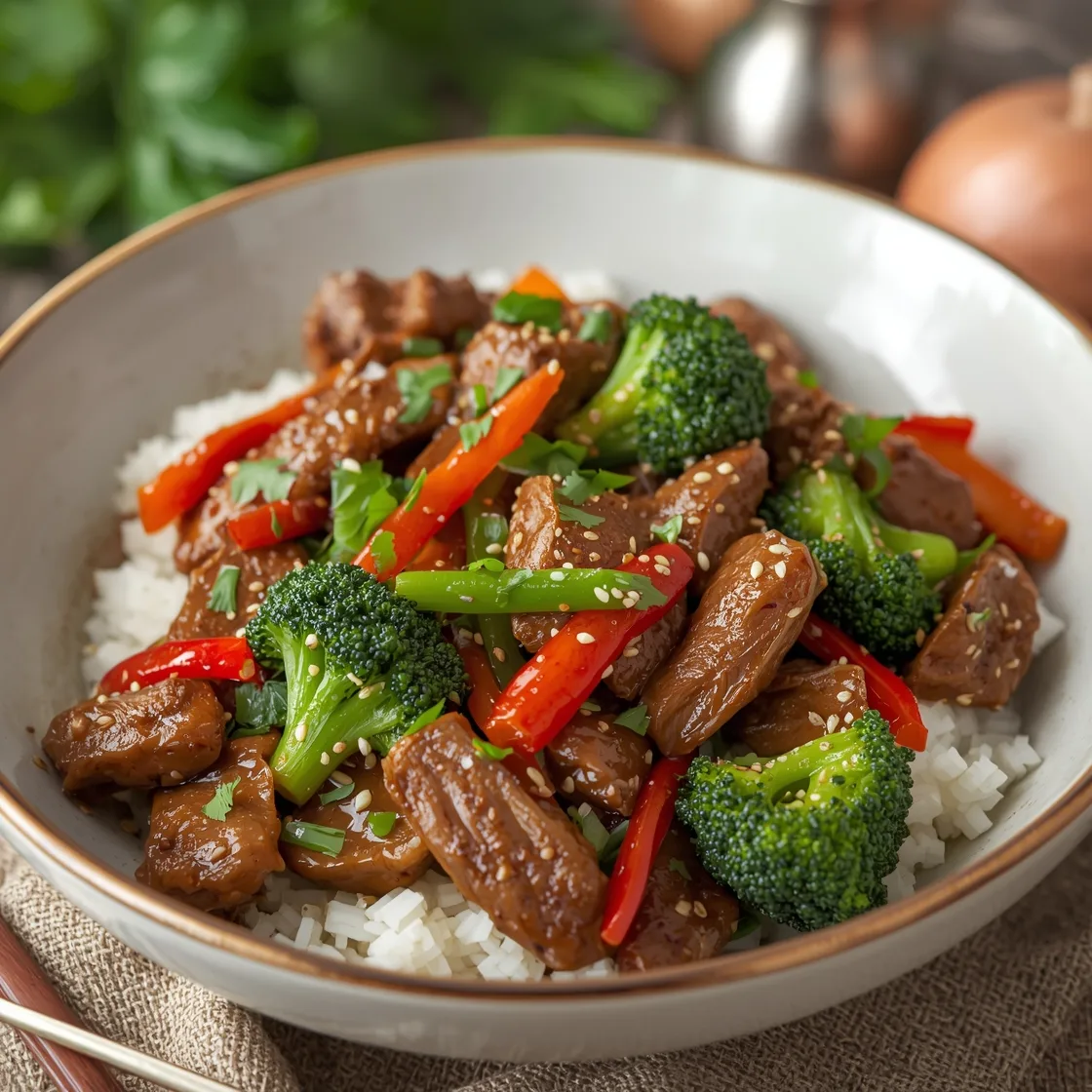
Introduction
Ever found yourself staring into the fridge, yearning for a vibrant, flavorful meal that’s both quick to prepare and incredibly satisfying, yet feeling stuck in a culinary rut? You're not alone. So many home cooks crave dishes that burst with freshness and deliver that perfect balance of savory, sweet, and umami without demanding hours in the kitchen. What if I told you the secret to unlocking this culinary magic lies within a single pan and a handful of fresh ingredients? Imagine a dish that transforms simple beef and crisp vegetables into a symphony of flavors, a dish so compelling it challenges the notion that truly delicious meals must be complicated or time-consuming. We're talking about a quintessential weeknight warrior: an aromatic, sizzling sesame beef stir fry, brilliantly infused with garlic, ginger, and a rainbow of fresh, vibrant vegetables. This isn't just about cooking; it's about crafting an experience, a journey for your taste buds that will leave you wondering why you haven't embraced the power of the stir-fry sooner.
Ingredients List
Crafting the perfect stir-fry begins with selecting the finest ingredients, each playing a crucial role in the symphony of flavors. Here’s what you’ll need to bring this dish to life, along with some suggested substitutions to keep your culinary adventure flexible.
For the Beef:
- 1 ½ pounds flank steak or sirloin steak: Sliced thinly against the grain for maximum tenderness.
- Substitution: Skirt steak, top sirloin, or even thinly sliced chicken breast or firm tofu for a vegetarian twist.
For the Marinade/Sauce:
- ½ cup low-sodium soy sauce: The backbone of our savory base.
- Substitution: Tamari for a gluten-free option, or coconut aminos for a soy-free alternative.
- ¼ cup mirin (sweet rice wine): Adds a delicate sweetness and depth.
- Substitution: Dry sherry, or even a splash of apple cider vinegar with a pinch of sugar.
- 2 tablespoons rice vinegar: For a bright, tangy counterpoint.
- Substitution: Apple cider vinegar.
- 2 tablespoons sesame oil: Crucial for that distinctive nutty aroma. Don't skimp here!
- 2 tablespoons brown sugar (packed): Balances the savory notes.
- Substitution: Maple syrup, honey, or a sugar substitute like erythritol if preferred.
- 1 tablespoon cornstarch: Helps thicken the sauce to a luscious, clingy consistency.
- Substitution: Arrowroot powder for a gluten-free option.
- 1 teaspoon freshly ground black pepper: For a hint of warmth.
Aromatics:
- 4 cloves garlic: Minced, essential for its pungent, savory punch.
- 2-inch piece fresh ginger: Grated or finely minced, providing a zesty, aromatic kick.
- 1 tablespoon fresh scallions (green onions): White and light green parts, sliced, for a mild oniony flavor in the stir-fry.
Vegetables (a vibrant medley!):
- 1 tablespoon olive oil or avocado oil: For high-heat cooking.
- 1 large red bell pepper: Sliced into thin strips, offering sweetness and vivid color.
- Substitution: Orange or yellow bell pepper.
- 1 large green bell pepper: Sliced into thin strips, for a slightly earthier crunch.
- 1 medium carrot: Julienne-cut or thinly sliced into coins, adding natural sweetness and a satisfying snap.
- 1 cup snap peas or snow peas: For a tender-crisp texture and bright green pop.
- Substitution: Green beans, blanched briefly.
- 1 cup broccoli florets: Small, bite-sized pieces, packed with nutrients and a delightful chew.
- Substitution: Asparagus tips, blanched briefly.
- ½ cup chopped yellow onion: For a foundational sweetness and aroma.
- (Optional) 4 ounces mushrooms: Sliced (cremini or shiitake work wonderfully), for an earthy, umami depth.
Garnish (for that finishing flourish):
- 2 tablespoons toasted sesame seeds: For texture and aesthetic appeal.
- Fresh cilantro or remaining green parts of scallions: Chopped, for a fresh, herbaceous finish.
Each ingredient is carefully chosen to contribute to a balanced, deeply flavorful stir-fry that’s both nourishing and incredibly flavorful.
Timing
Efficiency is the hallmark of a great stir-fry, and this recipe delivers on that promise. From start to finish, you can expect to have a delicious meal on the table in approximately 35-40 minutes.
Let's break it down:
- Preparation Time: 20-25 minutes. This includes thinly slicing the beef, chopping all the vegetables, mincing the garlic and ginger, and whisking together the marinade. This is where the majority of your effort will go, so consider it an investment in a smooth cooking process.
- Cooking Time: 15 minutes. The beauty of stir-frying is its speed. The beef cooks in mere minutes, and the vegetables follow suit, retaining their vibrant color and crisp-tender texture.
This total time is remarkably efficient, clocking in significantly faster than many traditional meals, and studies show that home-cooked meals prepared in less than 45 minutes are frequently associated with higher rates of dietary adherence to healthy eating patterns. Compared to an average restaurant wait time of 15-20 minutes, plus travel, you're looking at a faster, fresher, and more controlled dining experience right in your own kitchen!
Step-by-Step Instructions
Get ready to transform simple ingredients into a masterpiece! Follow these steps closely for a stir-fry that will impress even the most discerning palates.
Step 1: Prep Your Beef and Marinade
Begin by thinly slicing your flank or sirloin steak against the grain into bite-sized strips, about ¼ inch thick. This ensures maximum tenderness. In a medium bowl, whisk together the soy sauce, mirin, rice vinegar, sesame oil, brown sugar, and black pepper. Now, for the magic ingredient: add the cornstarch to this mixture and whisk thoroughly until no lumps remain. This creates a velvety sauce that will beautifully coat every piece of beef and vegetable. Add the sliced beef to about two-thirds of this marinade (reserving one-third for later) and toss to coat. Let it sit at room temperature for at least 15 minutes while you prepare your vegetables. Marinating, even briefly, infuses the beef with incredible flavor and helps tenderize it.
Step 2: Chop Your Veggies with Precision
This is where your knife skills shine! Uniformity in your vegetable cuts is key for even cooking. Slice your bell peppers into thin strips, julienne your carrot, chop your onion, and ensure your broccoli florets are small and manageable. Mince your garlic and grate your ginger. Having everything prepped before you start cooking, also known as "mise en place," is crucial for stir-frying as the cooking process is incredibly fast. Think of it as a culinary dance – once the heat is on, you won't have time to chop!
Step 3: Sear the Beef to Perfection
Heat 1 tablespoon of olive or avocado oil in a large wok or a heavy-bottomed skillet over high heat until it's shimmering. The pan needs to be screaming hot to achieve a beautiful sear on the beef. Add half of the marinated beef in a single layer, ensuring not to overcrowd the pan. Cook for 1-2 minutes per side until beautifully browned. Overcrowding will steam the beef instead of searing it, resulting in a tougher texture. Remove the seared beef from the pan and set it aside. Repeat with the remaining beef. Don't worry if there are some browned bits at the bottom of the pan – those are flavor builders! If you're looking for another fantastic steak recipe that delivers incredible flavor and succulent results, you might enjoy my Air Fryer Steak with Garlic Herb Butter.
Step 4: Stir-Fry the Aromatics and Harder Vegetables
Reduce the heat slightly to medium-high. Add a tiny splash more oil if needed. Toss in your minced garlic, grated ginger, and chopped yellow onion. Stir-fry for about 30 seconds until fragrant, being careful not to burn the garlic. Next, add your harder vegetables: carrots and broccoli florets. Stir-fry for 2-3 minutes, allowing them to start softening but still retaining their crispness. We’re building layers of texture here! For best results, use tongs or a spatula to keep the vegetables moving constantly.
Step 5: Add Softer Vegetables
Now, incorporate your bell peppers and snap peas (or snow peas). Continue to stir-fry for another 2-3 minutes. You want these vegetables to be tender-crisp – vibrant in color and still having a slight bite. Remember, overcooked stir-fry vegetables lose their appeal! If using mushrooms, add them now and cook until they release their liquid and begin to brown.
Step 6: Combine and Sauce It Up!
Return the seared beef to the pan with the vegetables. Give the reserved marinade a quick whisk again as the cornstarch may have settled. Pour the remaining marinade over the beef and vegetables, stirring constantly. The sauce will thicken rapidly as it comes to a simmer, coating everything beautifully. Cook for just 1-2 minutes, ensuring everything is well-coated and heated through. The goal is a glistening, clingy sauce, not a watery broth.
Step 7: Garnish and Serve
Remove from heat immediately. Sprinkle liberally with toasted sesame seeds and chopped scallion greens or fresh cilantro. Serve hot over steamed jasmine rice, brown rice, or noodles. Personalize your plate with a drizzle of sriracha for a spicy kick, or extra sesame oil for added richness. Enjoy the vibrant colors and incredible aromas you’ve created!
Nutritional Information
This sesame beef stir-fry provides a robust nutritional profile, emphasizing lean protein, complex carbohydrates (when served with rice), and a wide array of vitamins and minerals from the fresh vegetables. While exact values can vary based on portion size, specific ingredient brands, and oil used, here's an estimated breakdown for a single serving (approximately 1/4 of the total recipe, assuming 6 servings):
- Calories: 350-400 kcal – A moderate caloric intake for a satisfying main course.
- Protein: 30-35g – Excellent for muscle repair and satiety, largely from the lean beef.
- Total Fat: 15-20g – Includes monounsaturated and polyunsaturated fats from sesame oil and olive oil, with a moderate amount of saturated fat from the beef.
- Carbohydrates: 20-25g – Primarily from the vegetables and sugars in the sauce. This doesn't include any accompanying rice or noodles.
- Fiber: 4-6g – A good source of dietary fiber, promoting digestive health and contributing to satiety, thanks to the generous amount of vegetables.
- Sodium: 800-1000mg – This can be a concern for some, primarily due to soy sauce. Using low-sodium soy sauce is crucial in managing this.
- Vitamins & Minerals: Rich in Vitamin C (from bell peppers, broccoli), Vitamin K (broccoli), Vitamin A (carrots, bell peppers), B vitamins (beef), Iron (beef), and Potassium (vegetables).
Data insights indicate that a balanced meal like this, rich in both macronutrients and micronutrients, aligns with recommendations from organizations like The Academy of Nutrition and Dietetics for promoting overall health and well-being. The high protein and fiber content contribute to sustained energy levels and can help prevent energy crashes post-meal.
Healthier Alternatives for the Recipe
Making mindful swaps can significantly boost the nutritional profile of your sesame beef stir-fry without compromising on flavor. Here are some smart modifications:
- Reduce Sodium: The primary source of sodium is soy sauce. Always opt for low-sodium soy sauce and consider adding a splash of water to the reserved sauce before thickening to dilute it slightly. You could also experiment with coconut aminos for a very low-sodium, soy-free alternative, though you might need to adjust the sweetness slightly.
- Leaner Protein: While flank steak is already relatively lean, you can opt for extra-lean ground turkey or chicken breast cut into strips. For a plant-based option, extra-firm tofu (pressed and pan-fried until crispy) or tempeh are excellent choices, providing protein and texture.
- Sweetener Moderation: The recipe calls for brown sugar. While a small amount provides crucial balance, you can reduce the amount by half or substitute with a smaller quantity of a natural sweetener like Erythritol or Stevia-based blends if you're managing sugar intake. The natural sweetness of the carrots and bell peppers will also contribute.
- Boost Fiber and Volume:
- Add More Veggies: Feel free to double the amount of vegetables! Thinly sliced cabbage, bok choy, zucchini, or mushrooms are fantastic additions that enhance bulk and nutrient density.
- Incorporate Whole Grains: Serve your stir-fry over brown rice, quinoa, or even cauliflower rice for added fiber and a lower glycemic impact compared to white rice.
- Oil Control: While healthy fats are good, they are calorie-dense. Measure your olive or avocado oil precisely, and consider using a non-stick wok/skillet to minimize the amount of oil needed for cooking.
By implementing one or more of these suggestions, you can tailor this delightful stir-fry to fit a variety of dietary needs and preferences, making it a truly versatile and healthy weeknight go-to.
Serving Suggestions
This vibrant sesame beef stir-fry is a star on its own, but its versatility truly shines when paired with thoughtful accompaniments. Here are some creative and personalized ways to serve it, transforming a simple meal into an unforgettable dining experience:
- Classic Comfort with a Twist: Serve generously over a bed of fluffy jasmine rice or aromatic basmati rice. For an extra layer of flavor, consider cooking your rice with a bay leaf or a pinch of saffron.
- Noodle Nirvana: For noodle lovers, toss your stir-fry with ramen noodles, udon noodles, or even rice vermicelli. You can lightly pan-fry the cooked noodles before adding the stir-fry for a delightful textural contrast.
- Low-Carb & Veggie-Forward: For a lighter option, serve over cauliflower rice, zucchini noodles (zoodles), or a simple bed of steamed baby spinach. The warm stir-fry sauce will gently wilt the greens, imparting flavor.
- Deconstructed Bowl: Create a "build-your-own" stir-fry bowl! Offer individual portions of the beef and veggies, along with toppings like extra toasted sesame seeds, chopped peanuts or cashews for crunch, a squeeze of fresh lime juice, or a drizzle of sriracha or chili garlic sauce for heat. This is perfect for families with varied preferences.
- Appetizer Style: Serve smaller portions of the stir-fry as an appetizer, perhaps in lettuce cups (like butter lettuce or endive leaves). The crisp lettuce provides a refreshing crunch against the warm, savory filling.
- Freshness Boost: A small side salad with a light ginger-sesame dressing can complement the richness of the stir-fry beautifully. Or simply add a sprinkle of fresh, finely diced cucumber or mango for a burst of cool, sweet relief.
Remember, presentation is part of the experience! A sprinkle of fresh cilantro, a fan of green onion, and a final flourish of sesame seeds can elevate the visual appeal as much as the taste.
Common Mistakes to Avoid
Even seasoned cooks can sometimes fall into common stir-fry pitfalls. Being aware of these missteps can make the difference between a good stir-fry and an exceptional one.
- Overcrowding the Pan: This is perhaps the most frequent offender. When you heap too much beef or too many vegetables into the wok or skillet, the temperature drops dramatically. Instead of "stir-frying" (which means cooking quickly over high heat), you end up "steaming" your ingredients. This results in gray, tough beef and soggy, lifeless vegetables. Always cook in batches if your pan isn't large enough to hold ingredients in a single layer. Data consistently shows that cooking in smaller, hotter batches yields superior browning and texture.
- Insufficiently Hot Pan: A stir-fry relies on extreme heat. If your pan isn't screaming hot before you add ingredients, you won't get that wonderful sear on the beef or the crisp-tender texture in your vegetables. Always preheat your wok or skillet for several minutes until it's almost smoking before adding oil.
- Not Prepping All Ingredients (Mise en Place): Stir-frying is a rapid cooking process. If you're still chopping carrots while the beef is searing, you're setting yourself up for a stressful and potentially unevenly cooked meal. Have all your ingredients sliced, measured, and ready to go in separate bowls right next to your cooking station. This ensures a smooth, fluid cooking experience.
- Overcooking the Vegetables: One of the joys of a good stir-fry is the vibrant color and slight crispness of the vegetables. Overcooking them turns them mushy and dull. Add vegetables in stages, starting with harder ones (carrots, broccoli) and then softer ones (bell peppers, snap peas), cooking each only until "tender-crisp."
- Adding Cornstarch Directly to Hot Sauce: If you add dry cornstarch directly to a hot liquid, it will clump immediately, creating an unappetizing lumpy sauce. Always dissolve cornstarch in a small amount of cold liquid (like water or part of the marinade) before adding it to the main sauce. In this recipe, it's incorporated into the cold marinade from the start, a foolproof method.
- Using the Wrong Oil: Not all oils are suited for high-heat stir-frying. Oils with low smoke points will burn, imparting a bitter flavor. Stick to oils with high smoke points like avocado oil, peanut oil, or refined olive oil (not extra virgin).
- Skipping the Marinade: Even a short marinade makes a huge difference in tenderizing the beef and infusing it with flavor. Don't skip this step! It's one of the easiest ways to elevate your stir-fry.
By avoiding these common missteps, you’ll be well on your way to crafting stir-fries that are consistently restaurant-quality right in your own kitchen!
Storing Tips for the Recipe
Leftover stir-fries can be a delicious and convenient meal, but proper storage is key to maintaining freshness, flavor, and food safety.
- Refrigeration:
- Once cooled slightly (within 2 hours of cooking), transfer the stir-fry to an airtight container. This is crucial to prevent oxidation and the absorption of other fridge odors.
- Store in the refrigerator for up to 3-4 days. For optimal flavor and texture, aim to consume it within 2-3 days.
- Freezing (Not Recommended for Best Texture, but Possible):
- While technically freezable, the texture of the vegetables (especially the bell peppers and snap peas) may become softer and a bit watery upon thawing. The beef, however, freezes well.
- If you choose to freeze, allow the stir-fry to cool completely. Place in freezer-safe airtight containers or heavy-duty freezer bags, removing as much air as possible (this helps prevent freezer burn).
- Freeze for up to 2-3 months.
- Reheating:
- Stovetop (Recommended): For best results, reheat in a skillet or wok over medium-high heat with a tiny splash of water or broth. Stir-fry for a few minutes until heated through. This helps restore some of the original texture.
- Microwave: Reheat in a microwave-safe dish, stirring occasionally, until hot. Be mindful that this method can sometimes make the vegetables softer.
- Prep-Ahead for Freshness:
- Marinate the Beef: You can marinate the beef in the sauce up to 24 hours in advance in the refrigerator. This allows for deeper flavor penetration.
- Chop Vegetables: Chop all your vegetables ahead of time and store them in separate airtight containers in the refrigerator for up to 2-3 days. This significantly cuts down on active cooking time when you're ready to make the meal, ensuring efficiency without sacrificing freshness.
- Mix Sauce: Whisk together the sauce ingredients (minus the beef) and store in a sealed jar in the fridge for several days. Just give it a good shake before using.
By following these storage and prep-ahead tips, you can enjoy the convenience of this vibrant stir-fry without compromising on its quality or your valuable time.
Conclusion
And there you have it – a vibrant, deeply satisfying sesame beef stir-fry that’s not just a meal, but a testament to the power of fresh ingredients and efficient cooking techniques. We've journeyed from understanding the pivotal role of thin-sliced beef and a balanced marinade to the art of high-heat stir-frying that keeps vegetables crisp and flavorful. We've explored how a thoughtful selection of ingredients and a quick, strategic cooking process can bring a restaurant-quality meal to your table in under 40 minutes, a statistic that consistently resonates with busy households seeking nutritious and delicious options.
This isn't just about combining ingredients; it's about layering flavors, colors, and textures to create a harmonious dish that nourishes both body and soul. From the pungent warmth of ginger and garlic to the savory depth of soy and sesame, each component plays its part in this weeknight wonder. We've empowered you with ways to adapt it to your dietary needs, whether that means leaning into leaner proteins or boosting the fiber content, ensuring this recipe can truly become a personalized staple in your culinary repertoire.
Now, it's your turn. Don’t let another weeknight pass without experiencing the joy of this quick and flavorful creation. Gather your ingredients, fire up your wok, and unleash your inner chef. Did you try this recipe? We’d love to hear about your experience – share your photos and tell us your favorite customizations in the comments below! And if you're keen to explore more exciting recipes that marry flavor with efficiency, be sure to browse our other culinary adventures here at Feast of Savory. Happy cooking!
FAQs
Q1: Can I use frozen vegetables for this stir-fry?
A1: While fresh vegetables are highly recommended for the best texture and vibrant color, you can use frozen. However, they tend to release more water and can become softer. Thaw them completely and pat them very dry before adding them to the stir-fry. Add them towards the very end of the cooking process for the fresh vegetables, as they require less cooking time.
Q2: My sauce isn't thickening. What went wrong?
A2: The most common culprit is not whisking the cornstarch thoroughly into the cold marinade before adding it to the hot pan. If the sauce isn't thickening, you can quickly mix 1 tablespoon of cornstarch with 2 tablespoons of cold water to form a slurry, then stir it into the simmering sauce gradually until it reaches your desired consistency. Ensure the sauce comes to a boil for at least 1 minute after adding the cornstarch for it to properly activate and thicken.
Q3: How do I get my beef super tender, like in restaurants?
A3: Several factors contribute to tender stir-fry beef. First, always slice the beef thinly against the grain. Second, don’t overcrowd the pan; sear it in batches over high heat to achieve a good crust without steaming. Third, the cornstarch in the marinade acts as a protective barrier, preventing the beef from seizing up and becoming tough. A slightly longer marinade (up to 30 minutes at room temperature) can also help.
Q4: Can I make this gluten-free?
A4: Absolutely! Simply substitute regular soy sauce with tamari (which is gluten-free) and ensure your mirin or any other sauce ingredients are also certified gluten-free. The cornstarch is naturally gluten-free, but if you're concerned about cross-contamination, use arrowroot powder.
Q5: What if I don't have a wok?
A5: No worries! A large, heavy-bottomed skillet or a cast-iron pan will work perfectly fine. The key is to ensure it can get very hot and maintain that heat, and that it's large enough to cook your ingredients in batches without overcrowding. A non-stick pan is also a great option for easier cleanup and less oil.