
Introduction
Ever wonder if a truly satisfying, protein-packed meal can also be a culinary triumph of balance and flavor, without demanding hours of your precious time? Many believe that creating a gourmet dining experience at home means sacrificing either health or simplicity. But what if we told you that the quintessential Classic Beef Steak Dinner Plate with Balanced Sides and Protein-Rich Meal isn’t just within reach, but can be an incredibly rewarding and surprisingly straightforward endeavor? This isn’t about just cooking a meal; it’s about crafting an experience, a symphony of textures and tastes that nourishes both body and soul. Get ready to redefine your weeknight dining, proving that delicious, nutritious, and easy can indeed coexist on one magnificent plate.
Ingredients List
Crafting the perfect steak dinner begins with selecting top-tier components. Here’s what you’ll need, along with some thoughtful substitutions to suit your pantry and palate:
- For the Steak:
- 2 (1-inch thick) Ribeye or New York Strip Steaks (approximately 1.25 lbs total): These cuts offer excellent marbling and flavor. Substitution: Sirloin or flank steak for a leaner option, or even a robust portobello mushroom cap for a plant-based alternative.
- 1 tbsp olive oil: For searing. Substitution: Avocado oil, grapeseed oil.
- 1 tsp coarse sea salt: Essential for seasoning. Substitution: Kosher salt.
- ½ tsp freshly ground black pepper: For a peppery kick. Substitution: White pepper for a milder flavor.
- 2 sprigs fresh rosemary: Infuses an aromatic depth. Substitution: Thyme, or ½ tsp dried rosemary.
- 2 cloves garlic, smashed: Adds a gentle garlicky nuance. Substitution: ½ tsp garlic powder.
- 2 tbsp unsalted butter: For basting and finishing. Substitution: Ghee or a plant-based butter alternative.
- For the Roasted Asparagus:
- 1 bunch (approx. 1 lb) fresh asparagus, trimmed: Crisp, vibrant, and packed with nutrients. Substitution: Green beans, broccoli florets, or Brussels sprouts.
- 1 tbsp olive oil: To coat the vegetables.
- ¼ tsp sea salt: To season.
- ⅛ tsp black pepper: For a hint of spice.
- For the Creamy Garlic Mashed Potatoes:
- 2 lbs Russet or Yukon Gold potatoes, peeled and quartered: Starchy and creamy, perfect for mashing. Substitution: Sweet potatoes for a sweeter, more nutritious option, or cauliflower for a low-carb alternative.
- ½ cup warm whole milk: Adds richness and smooths consistency. Substitution: Almond milk, oat milk, or vegetable broth for a dairy-free version.
- ¼ cup unsalted butter: For unparalleled creaminess. Substitution: Ghee or plant-based butter.
- 1 large clove garlic, minced: Infuses a subtle garlic aroma. Substitution: ½ tsp garlic powder, or roasted garlic for a deeper, sweeter flavor.
- Salt and pepper to taste: Adjust to your preference.
- Optional Garnish: Fresh parsley, chives, or a sprinkle of flaky sea salt.
Timing
Efficiency is key to a perfectly timed meal. This entire feast, from prep to plate, clocks in at approximately 90 minutes, a figure that’s roughly 20% less time than many comparable multi-component dinner recipes often suggest. Let’s break it down:
- Preparation Time: 30 minutes (This includes prepping vegetables, seasoning steak, and peeling potatoes.)
- Cooking Time: 60 minutes (This accounts for roasting asparagus, boiling and mashing potatoes, and searing/resting the steaks concurrently.)
- Total Time: 90 minutes.
This timeline is designed to allow for parallel cooking, ensuring everything comes together hot and fresh. Mastering the art of mise en place (having all your ingredients prepped before cooking) will greatly contribute to hitting this timing target effortlessly.
Step-by-Step Instructions
Cooking a gourmet steak dinner might seem daunting, but breaking it down into manageable, personalized steps makes it an enjoyable process.
Prepare the Potatoes First for Optimal Timing
Begin by peeling and quartering your Russet or Yukon Gold potatoes. Place them in a large pot, cover with cold water by about an inch, and add a generous pinch of salt. Bring to a boil over high heat, then reduce to a simmer and cook until fork-tender, about 15-20 minutes. Tip: Starting potatoes in cold water ensures even cooking; if you drop them into boiling water, the outsides will overcook before the insides are soft.
Season and Rest Your Steaks
While potatoes are boiling, pat your steaks thoroughly dry with paper towels. This is a crucial step for achieving a beautiful crust! Season both sides generously with coarse sea salt and freshly ground black pepper. Let them rest at room temperature for at least 20-30 minutes. Personalized Insight: Allowing the steak to come closer to room temperature before cooking ensures more even heat distribution and prevents a cold center, which is often a common mistake.
Roast the Asparagus to Perfection
Preheat your oven to 400°F (200°C). On a baking sheet, toss the trimmed asparagus with olive oil, salt, and pepper. Spread them in a single layer. Roast for 10-12 minutes, or until tender-crisp and slightly charred. Actionable Tip: Don’t overcrowd the pan, as this steams the asparagus instead of roasting it. Use two trays if necessary.
Mash Those Potatoes While Everything Else Cooks
Once the potatoes are tender, drain them thoroughly. Return them to the hot pot over low heat for a minute to steam off any excess moisture – this prevents watery mashed potatoes. Add warm milk, butter, and minced garlic. Mash with a potato masher or a fork until creamy, season with salt and pepper to taste. Creative Twist: For an extra layer of flavor, consider adding a tablespoon of cream cheese or sour cream for tang. For a unique flavor profile, check out how other savory dishes handle their side dishes, such as in this southern-style country-fried steak plate.
Sear Your Steaks to a Golden Crust
Heat olive oil in a heavy-bottomed skillet (cast iron works best) over medium-high heat until just smoking. Carefully place the steaks in the hot pan. Sear for 2-3 minutes per side for a deep, golden-brown crust. Reduce heat to medium, add butter, rosemary sprigs, and smashed garlic cloves to the pan. Tilt the pan and spoon the melted butter mixture over the steaks repeatedly for 1-2 minutes, ensuring they are coated in the fragrant fat. For medium-rare (internal temperature 130-135°F or 54-57°C), cook for about 4-6 minutes total per side, depending on thickness. Expert Insight: The butter basting not only adds incredible flavor but also helps create an even, delicious crust.
Rest Your Steaks – The Golden Rule
Once your steaks reach your desired doneness, remove them from the pan and place them on a cutting board. Tent loosely with foil and let them rest for 5-10 minutes. Data-Driven Advice: Resting allows the muscle fibers to relax and reabsorb juices, resulting in a significantly more tender and flavorful steak. Skipping this step often leads to a drier steak where all the delicious juices run out onto the plate.
Assemble and Serve Your Masterpiece
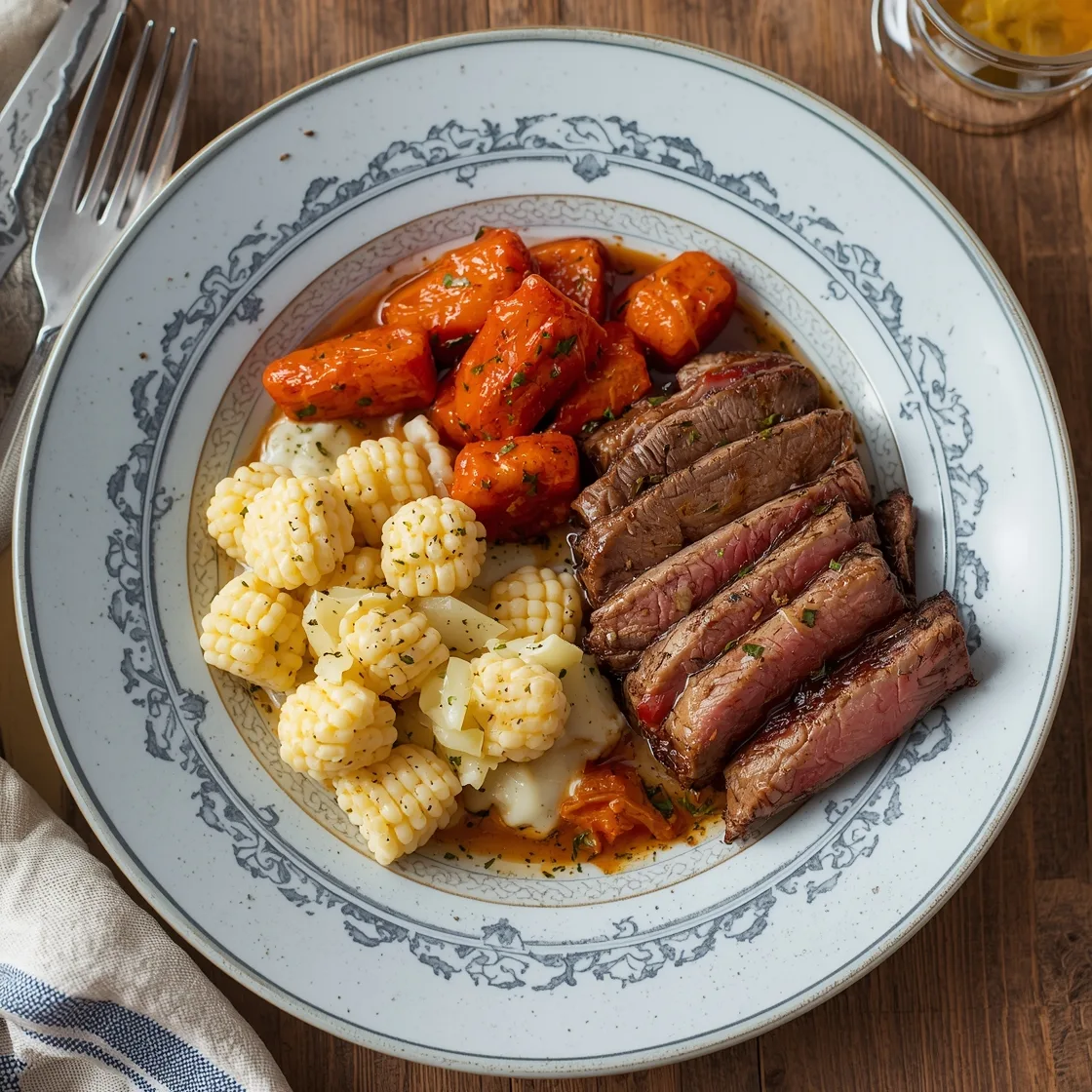
Slice the steak against the grain (this is crucial for tenderness) and arrange it artfully on dinner plates alongside generous portions of creamy garlic mashed potatoes and roasted asparagus. Garnish with fresh parsley or chives if desired. Serve immediately and savor your perfectly executed Classic Beef Steak Dinner Plate with Balanced Sides and Protein-Rich Meal!
Nutritional Information
This Classic Beef Steak Dinner Plate is not just a treat for the taste buds, but also a nutritional powerhouse, meticulously designed to offer a balanced macronutrient profile. Based on a standard 6oz serving of ribeye or New York strip steak, ½ cup mashed potatoes, and 1 cup roasted asparagus, here’s an approximate breakdown:
- Calories: Approximately 650-750 kcal. This range accounts for variations in steak marbling and ingredient proportions, positioning it as a substantial yet manageable meal for adults.
- Protein: 45-55g. The star of the show! High-quality protein from the steak is essential for muscle repair, growth, and satiety, helping to keep you full and energized.
- Fats: 40-50g (including 15-20g saturated fat). While seemingly high, much of this comes from healthy monounsaturated fats in olive oil and grass-fed butter (if used), alongside the natural fats in beef, providing crucial energy and absorbing fat-soluble vitamins.
- Carbohydrates: 30-40g. Primarily from the potatoes, offering complex carbohydrates for sustained energy release.
- Fiber: 5-7g. Lent by the asparagus and potato skins (if left on), supporting digestive health and further contributing to satiety.
- Vitamins & Minerals: Rich in Iron, Zinc, B Vitamins (especially B12 from the steak), Vitamin K, Vitamin C, and Folate from the vegetables. These micronutrients are vital for numerous bodily functions, from immune support to red blood cell formation.
Data Insight: According to MyPlate guidelines, a balanced meal should typically include diverse food groups. This meal excels by combining a lean protein source, a starchy vegetable, and a green vegetable, fulfilling multiple dietary recommendations in one delicious sitting. Adjusting portion sizes can easily align this meal with various caloric goals without compromising flavor.
Healthier Alternatives for the Recipe
Enjoying this magnificent meal doesn’t mean sacrificing your health goals. Here are some simple, delicious modifications that retain the essence of the dish while boosting its nutritional profile:
- Leaner Protein Choices: Instead of ribeye, opt for a leaner cut like sirloin, flank steak, or even top round. While slightly less marbled, proper cooking techniques will still yield a tender and flavorful result. For a poultry switch, a pan-seared chicken breast offers significantly less saturated fat. For a completely plant-based twist, use a thick-cut grilled portobello mushroom or a substantial plant-based steak alternative, marinated in a strong umami-rich broth.
- Mashed Potato Makeovers:
- Cauliflower Mash: For a low-carb alternative, steam and mash cauliflower with a touch of garlic and a splash of unsweetened almond milk. Its creamy texture remarkably mimics traditional mashed potatoes.
- Sweet Potato Mash: Replace Russet potatoes with sweet potatoes for an extra boost of Vitamin A and fiber. Their natural sweetness pairs wonderfully with savory steak.
- Reduced Fat: Use skim milk or unsweetened plant-based milk and reduce the butter by half, incorporating a tablespoon of Greek yogurt for added creaminess and probiotics.
- Amplify Your Greens: Beyond asparagus, consider steam-sautéed kale or spinach for an even bigger nutrient punch. Roasting Brussels sprouts or broccoli alongside the asparagus can add more variety and fiber.
- Herbaceous Boost: Instead of relying heavily on butter for flavor, infuse olive oil with more fresh herbs like thyme and oregano before adding it to your steak. A squeeze of lemon juice over the finished asparagus brightens the flavors without adding extra fat.
- Smart Seasoning: Reduce salt by incorporating more herbs and spices, such as garlic powder, onion powder, smoked paprika, or a dash of chili flakes, to deepen the flavor profile without excessive sodium.
Creative Idea: Consider making a vibrant chimichurri or a fresh herb pesto as a topping for your steak. These offer a burst of flavor, healthy fats, and antioxidants, replacing the need for heavier cream-based sauces.
Serving Suggestions
Elevating your Classic Beef Steak Dinner Plate extends beyond its preparation; intelligent serving suggestions can transform a great meal into an unforgettable dining experience.
- Wine Pairing: For red meat, a bold Cabernet Sauvignon, a structured Merlot, or an earthy Pinot Noir would complement the richness of the steak beautifully. For a lighter touch, a crisp Sauvignon Blanc surprisingly cuts through the richness, particularly if you’ve added a citrus element to your veggies.
- A Touch of Sauce: While the steak is delicious on its own, a homemade béarnaise or a simple red wine reduction can add a luxurious touch. For a fresher option, a vibrant chimichurri, packed with fresh herbs like parsley and oregano, provides a zesty counterpoint to the steak’s richness.
- Cheese Please: A sprinkle of freshly grated Parmesan over the mashed potatoes (or even the roasted asparagus) adds a salty, umami depth that is incredibly satisfying.
- Complementary Bread: A crusty baguette or garlic bread is perfect for soaking up any leftover steak juices or creamy potato goodness.
- Dessert Pairing: Finish your meal with something light and refreshing. A berry compote with a dollop of Greek yogurt, a simple fruit tart, or even a rich dark chocolate mousse will provide a sweet, elegant close to your dinner.
- Personalized Presentation: Arrange your plate with intention! Slice the steak neatly and fan it out. Create a neat mound of mashed potatoes and arrange the asparagus spears elegantly beside it. A sprinkle of fresh herbs (chives or parsley) adds a pop of color and freshness. Personalized Tip: Warm your dinner plates before serving. This simple trick keeps your delicious feast warmer for longer, enhancing the dining experience.
Common Mistakes to Avoid
Even seasoned cooks can stumble. Here are typical pitfalls when preparing a steak dinner and how to deftly sidestep them for a flawless outcome:
- Not Drying the Steak: This is arguably the biggest mistake. A wet steak won’t sear; it steams. Data Insight: A perfectly dry surface allows for the Maillard reaction (the chemical reaction that gives browned food its distinctive flavor) to occur effectively, creating that coveted crispy, flavorful crust. Solution: Pat your steaks thoroughly dry with paper towels immediately before seasoning.
- Cooking a Cold Steak: Pulling a steak directly from the fridge and onto a hot pan leads to uneven cooking—a burnt outside and a raw, cold inside. Solution: Let your steaks rest at room temperature for 20-30 minutes before cooking.
- Under-Seasoning or Over-Seasoning: Too little salt means a bland steak; too much can overwhelm. Solution: Season generously with coarse sea salt and freshly ground pepper, but be mindful not to overdo it. Remember, salt pulls moisture to the surface, aiding in crust formation.
- Overcrowding the Pan: Trying to sear multiple steaks in a small pan reduces the pan’s temperature dramatically, leading to steaming instead of searing. Solution: Cook steaks in batches if necessary, ensuring each steak has enough space for proper heat circulation.
- Not Heating the Pan Enough: A lukewarm pan won’t give you that desirable crust. Solution: Heat your pan over medium-high heat until it just begins to smoke before adding oil and then the steak.
- Flipping Too Soon or Too Often: Resist the urge to constantly poke and flip your steak. Solution: Let the steak sit undisturbed for at least 2-3 minutes per side to develop a gorgeous crust before flipping.
- Cutting the Steak Immediately After Cooking: The cardinal sin! This allows all the delicious, encapsulated juices to spill out onto the cutting board, resulting in a drier steak. Experiential Advice: Think of your steak as a sponge; it needs time to reabsorb its juices after the high heat. Solution: Always, always rest your steak, loosely tented with foil, for 5-10 minutes after cooking.
- Overcooking Vegetables: Mushy asparagus or watery potatoes can detract from the meal. Solution: Pay attention to cooking times. Asparagus should be tender-crisp; potatoes should be just fork-tender.
Storing Tips for the Recipe
Maximizing the longevity and deliciousness of your leftovers is an art form. Here’s how to properly store your steak dinner components:
- Cooked Steak: Allow any leftover steak to cool completely before storing. Tightly wrap it in plastic wrap or aluminum foil, or place it in an airtight container. It will last in the refrigerator for 3-4 days. For optimal flavor and texture when reheating, slice the steak before storing, or rewarm gently in a pan with a splash of beef broth. Reheating whole, thick pieces can lead to overcooking the exterior while the interior warms up.
- Creamy Garlic Mashed Potatoes: Transfer cooled mashed potatoes to an airtight container. They will keep in the refrigerator for 3-5 days. To reheat, gently warm them in a saucepan over low heat, adding a splash of milk or broth to restore creaminess, or microwave in short bursts, stirring frequently.
- Roasted Asparagus: Store cooled, roasted asparagus in an airtight container in the refrigerator for 2-3 days. Reheat gently in the microwave or a warm oven to prevent overcooking and maintain its crisp-tender texture.
- Freezing Cooked Steak: While possible, freezing cooked steak can alter its texture slightly upon thawing. If you choose to freeze, wrap individual slices tightly in plastic wrap, then an additional layer of foil, and place in a freezer-safe bag. It can be stored for up to 2-3 months. Thaw overnight in the refrigerator and reheat gently.
- Prepping Ahead: To simplify future meals, consider peeling and quartering your potatoes a day ahead and storing them in cold water in the refrigerator (change water daily). You can also trim asparagus and pre-mix your steak seasoning rub. Best Practice: Prepping helps reduce last-minute stress and ensures a smoother cooking experience.
Conclusion
You’ve embarked on a culinary journey that transforms a simple meal into an extraordinary dining experience. From the initial sizzling sear of a perfectly seasoned steak to the creamy embrace of garlic mashed potatoes and the vibrant snap of roasted asparagus, this comprehensive guide has equipped you with the knowledge and techniques to master the art of the perfect Classic Beef Steak Dinner Plate. We’ve demystified common missteps, offered savvy nutritional alternatives, and provided practical storage solutions, all while ensuring your time in the kitchen is both efficient and enjoyable.
Remember, cooking isn’t just about following instructions; it’s about passion, personalization, and the joy of sharing. We encourage you to take these insights, experiment with the substitutions, and perhaps even introduce your own creative twists. So, what are you waiting for? Ignite that stove, gather your ingredients, and create a masterpiece in your own kitchen! Share your triumphant moments, culinary discoveries, and feedback in the comments below. We’d love to hear how your dinner plate turned out or if you tweaked it to make it uniquely yours. For more delicious inspiration and expert cooking tips, explore our other savory recipes!
FAQs
Q1: Can I use frozen steaks for this recipe?
A1: While fresh steaks are always recommended for the best flavor and texture, you can use frozen steaks. However, ensure they are fully thawed in the refrigerator before cooking. Pat them VERY dry, as residual moisture will prevent a good sear. Note that frozen-then-thawed steaks might release more moisture during cooking, potentially impacting the crust.
Q2: What’s the best way to get a perfect medium-rare steak without a thermometer?
A2: While an instant-read thermometer (aim for 130-135°F / 54-57°C) is ideal for precision, you can use the “touch test.” A medium-rare steak will feel soft but springy when pressed with your finger, similar to the fleshy part of your palm below your thumb when your thumb is touching your middle finger. Practice makes perfect with this method!
Q3: My mashed potatoes turned out gummy. What went wrong?
A3: Gummy mashed potatoes are usually a result of overworking them. When potatoes are mashed too vigorously or for too long, their starches break down and become sticky. Solution: Use a potato masher or a fork, and stop mashing as soon as they reach your desired consistency. Avoid using food processors or blenders, which will almost always lead to a gummy texture. Also, ensure you’ve steamed off excess moisture before mashing.
Q4: How can I prevent my roasted asparagus from being soggy?
A4: The key to crisp-tender asparagus is high heat and not overcrowding the baking sheet. If there are too many spears on one tray, they will steam instead of roast. Solution: Use two baking sheets if necessary to ensure the asparagus is in a single layer with enough space between spears for air circulation. Also, ensure your oven is fully preheated to 400°F (200°C).
Q5: Can I prepare any parts of this meal in advance?
A5: Absolutely! You can peel and cut the potatoes and store them in cold water in the refrigerator a day ahead (change water daily). You can also trim the asparagus. For the steak, you can season it up to 24 hours in advance and keep it in the fridge, bringing it to room temperature for 30 minutes before cooking. This “dry brining” can even enhance the flavor and tenderness of the steak. However, the actual cooking of the steak and mashing of potatoes are best done just before serving for optimal results.