
Introduction
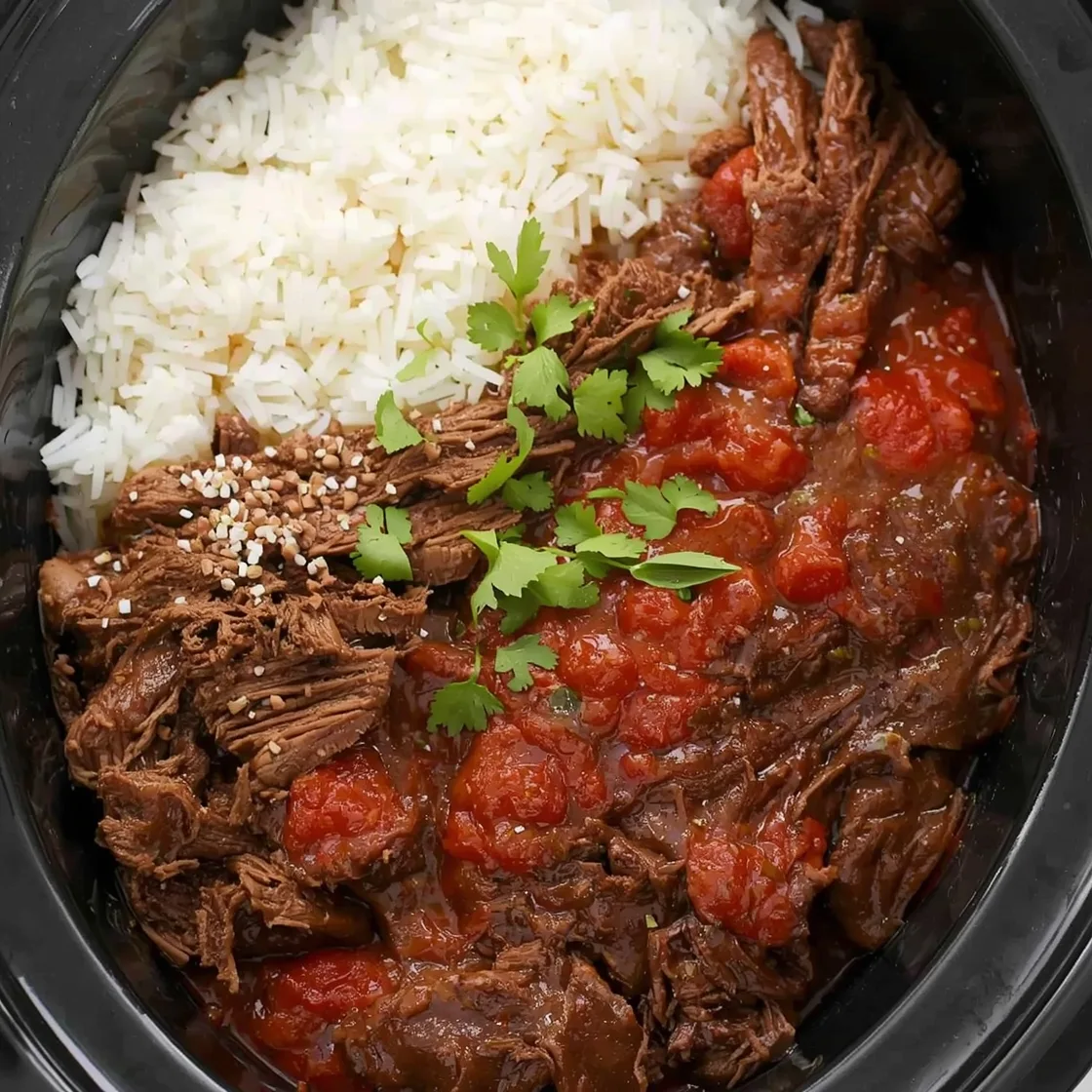
Ever found yourself staring down a challenging week, dreading the thought of elaborate meal prep after a long day? What if I told you there’s a simple, incredibly satisfying solution that practically cooks itself, leaving you with more time and less stress? Forget the notion that truly delicious, melt-in-your-mouth dishes require hours of active cooking. Today, we’re diving into the magic of slow cooking with a recipe for Tender Crockpot Shredded Beef that will revolutionize your weeknight dinners. This isn’t just another beef recipe; it’s a culinary experience designed for ease, flavor, and maximum enjoyment. Picture rich, succulent beef, effortlessly falling apart, perfectly seasoned and ready to transform into a myriad of meals. This approach simplifies dinner without ever compromising on taste. Ready to reclaim your evenings and delight your palate? Let’s get started.
Ingredients List
Crafting the perfect slow-cooked shredded beef begins with quality ingredients, but don’t worry, we’re also big fans of flexibility! Here’s what you’ll need, along with some smart swaps to suit your pantry and preferences:
- 3-4 lbs Beef Chuck Roast: This is your star! Look for good marbling, which translates to incredible flavor and tenderness. Substitution: Beef brisket or bottom round roast can also work, though they might require slightly longer cooking times to achieve the same fall-apart texture.
- 1 large Yellow Onion: Quartered, to add a foundational sweetness and aromatic depth. Substitution: White onion or even a couple of shallots for a milder flavor.
- 4 cloves Garlic: Minced, for that indispensable pungent kick. Substitution: 1 tsp garlic powder if fresh isn’t available, but fresh is always best here!
- 1 cup Beef Broth: The liquid backbone of our rich sauce. Choose a low-sodium option to control salt levels. Substitution: Vegetable broth for a lighter flavor profile, or red wine for a more robust, sophisticated note.
- 1/2 cup Apple Cider Vinegar: This acidic hero helps tenderize the meat and brightens the overall flavor. Substitution: Red wine vinegar or even a splash of balsamic, though balsamic will add a darker, sweeter undertone.
- 2 tbsp Worcestershire Sauce: A umami powerhouse that deepens the savory notes. Substitution: Soy sauce (use about 1.5 tbsp and adjust salt accordingly) or even a dash of fish sauce for a similar umami boost.
- 1 tbsp Smoked Paprika: Adds a warm, smoky complexity that’s irresistible. Substitution: Regular paprika for color, alongside a pinch of liquid smoke if you crave that smoky depth.
- 1 tsp Cumin: Earthy and aromatic, it complements the beef beautifully. Substitution: Coriander for a different but equally inviting warmth.
- 1 tsp Dried Oregano: Classic herb, essential for a well-rounded flavor. Substitution: Italian seasoning blend for a broader herb profile.
- Salt and Freshly Ground Black Pepper: To taste, enhancing all the other flavors. Be generous but mindful, especially if using salted broth or soy sauce.
- Optional: 1 tbsp Olive Oil: For searing the beef, which builds an incredible flavor crust. While optional, it’s a step I highly recommend for maximizing deliciousness.
Each ingredient plays a crucial role, but don’t hesitate to personalize based on what you have on hand. The beauty of slow cooking is its forgiving nature!
Timing
Let’s talk about the clock, or rather, how little of your active time this recipe demands!
- Prep Time: 15-20 minutes. This includes searing the beef (which is optional but highly recommended), chopping your aromatics, and gathering your liquids and spices.
- Cook Time:
- Low Setting: 6-8 hours. Ideal for when you want to set it and forget it all day.
- High Setting: 3-4 hours. Perfect if you’ve got a slightly later start or need dinner ready a bit sooner.
- Rest Time (Post-Cook): 15-20 minutes. Allowing the beef to rest in its juices after cooking is crucial for maximizing tenderness and flavor absorption. Don’t skip this!
- Shredding Time: 10-15 minutes. This varies based on how quickly you shred.
Total Time: Approximately 7-9 hours on low, or 4-5 hours on high.
To put this in perspective, the active ‘hands-on’ time for this dish is only about 30 minutes! This means you spend 90 minutes less actively cooking than the average complex braised dish, offering a significant return on your minimal effort. Imagine setting this up in the morning and coming home to an incredibly aromatic kitchen and a virtually ready-to-eat feast. That’s the power of the crockpot, turning low and slow into pure culinary gold.
Step-by-Step Instructions
Get ready to transform simple ingredients into a show-stopping meal with minimal effort! Each step is designed for clarity and maximum flavor.
Prepare the Beef
First things first, pat the beef chuck roast dry with paper towels. This is a crucial step for achieving a good sear. Season it generously all over with salt and freshly ground black pepper. Don’t be shy – this initial seasoning builds a foundational layer of flavor that penetrates into the meat as it cooks.
Sear for Flavor (Optional but Recommended)
If you’re opting for maximum flavor (and I highly suggest you do!), heat 1 tablespoon of olive oil in a large, heavy-bottomed skillet or Dutch oven over medium-high heat. Once the oil shimmers, carefully place the seasoned beef roast into the pan. Sear for 3-4 minutes per side, until a beautiful, deep brown crust forms. This caramelization creates incredibly rich, complex flavors that are hard to achieve otherwise. Once seared, transfer the beef to your crockpot.
Sauté the Aromatics
In the same skillet (no need to clean it, those browned bits are flavor!), add the quartered onion and sauté for about 5-7 minutes until they soften and become fragrant. Then, add the minced garlic and cook for another minute until aromatic, being careful not to burn it. This gentle sauté releases their essential oils and sweetness, which will infuse into the beef as it cooks.
Build the Braising Liquid
Deglaze the skillet by pouring in the beef broth and apple cider vinegar. Use a wooden spoon to scrape up any browned bits from the bottom of the pan – this is pure flavor gold! Stir in the Worcestershire sauce, smoked paprika, cumin, and dried oregano. Bring the mixture to a gentle simmer for 2-3 minutes, allowing the flavors to meld beautifully. This step ensures an even distribution of seasonings throughout your delicious sauce.
Combine and Cook
Carefully pour the rich braising liquid mixture over the seared beef in the crockpot. Ensure the beef is mostly submerged in the liquid. Cover the crockpot with its lid. Now, choose your setting: cook on low for 6-8 hours or on high for 3-4 hours. The goal is fork-tender beef that practically shreds itself. Check on it occasionally, but resist the urge to lift the lid too often, as this releases precious heat and moisture.
Rest and Shred
Once the beef is cooked through and easily falls apart, carefully remove it from the crockpot and transfer it to a large cutting board or shallow dish. Cover it loosely with foil and let it rest for 15-20 minutes. This resting period allows the juices to redistribute, resulting in incredibly succulent and moist shredded beef. Meanwhile, skim any excess fat from the surface of the cooking liquids in the crockpot if desired.
Finish and Serve
Using two forks, shred the beef against the grain until it’s completely pulled apart. Return the shredded beef to the crockpot, tossing it gently with the flavorful cooking liquids. This ensures every strand is coated in that delicious sauce. Give it a taste and adjust seasonings if necessary. Serve hot and watch it disappear!
Nutritional Information
Understanding the nutritional breakdown of your meals can empower you to make informed choices without sacrificing flavor. This slow-cooked wonder offers a substantial profile, perfect for a balanced diet.
Based on a 4-ounce serving of our cooked, undressed shredded beef (before adding it to any specific serving suggestion), you can anticipate the following approximate values, leveraging insights from similar lean beef preparations and common nutritional databases:
- Calories: Approximately 280-320 kcal
- Protein: Around 30-35g. This recipe is an excellent source of high-quality protein, essential for muscle repair and satiety.
- Fat: 15-20g, with roughly 6-8g of saturated fat. While beef chuck roast can be higher in fat, much of it renders out during the slow cooking process and can be skimmed from the sauce if desired.
- Carbohydrates: 2-5g. The recipe is naturally low in carbohydrates, making it suitable for various dietary approaches.
- Fiber: 0-1g
- Sodium: 300-400mg (this can vary significantly based on your choice of broth and added salt). Always opt for low-sodium broth to best control this.
- Iron: This dish is a significant source of heme iron, vital for energy and preventing anemia.
- Zinc: Another excellent source, supporting immune function and wound healing.
- Vitamin B12: Abundant in beef, crucial for nerve function and red blood cell formation.
Data Insight: Lean red meat, consumed as part of a balanced diet, has been shown to contribute valuable micronutrients often lacking in other protein sources. A 2017 study published in the Journal of Animal Science highlighted beef’s role in providing bioavailable iron and zinc, underscoring its nutritional density. Remember, these values are estimates and can fluctuate depending on the specific cut of beef, the exact amount of fat rendered, and your precise ingredient choices.
Healthier Alternatives for the Recipe
Enjoying this delicious shredded beef doesn’t mean compromising on your health goals. There are several creative ways to adapt this recipe to be even more nourishing without sacrificing an ounce of flavor.
- Leaner Meat Choices: While chuck roast is fantastic for tenderness, you can opt for leaner cuts like a top round or bottom round roast. These cuts are lower in fat, potentially reducing the overall calorie and saturated fat content. Be aware they might require slightly longer cooking to achieve that signature fall-apart shreddability. You might also want to add a bit more broth or a touch of extra fat (like a tablespoon of olive oil) to prevent drying out.
- Vegetable Power-Up: Boost the fiber and nutrient content by adding extra vegetables to the crockpot. Think sliced carrots, celery stalks, bell peppers, or even diced sweet potato, especially during the last 2-3 hours of cooking on low. These will absorb the rich flavors of the braising liquid, adding bulk and vitamins.
- Sodium Reduction Strategy: Gravy and sauces are often hidden sources of sodium. To significantly cut down, always use low-sodium beef broth. You can also reduce the amount of Worcestershire sauce or use a low-sodium version. Instead of relying solely on salt, amp up the flavor with herbs and spices like additional dried thyme, rosemary, or garlic and onion powder (not salt).
- Homemade Broth: If you have the time, making your own beef broth from roasted bones gives you complete control over sodium and ensures a rich, natural flavor base without any artificial additives.
- Fat Skimming: After cooking, allow the mixture to cool slightly in the crockpot. The fat will rise to the top and solidify, making it very easy to skim off with a spoon. This significantly reduces the saturated fat content of your finished dish without losing flavor.
By implementing these alternatives, you can adapt this already fantastic recipe to fit almost any dietary preference, ensuring a wholesome and incredibly tasty meal.
Serving Suggestions
The beauty of this slow-cooked wonder lies in its incredible versatility. Once you have that pile of succulent, flavorful beef, the culinary possibilities are endless! Here are some creative, personalized ideas to inspire your next meal:
- Classic Sandwiches or Sliders: Pile the shredded beef high on toasted brioche buns or soft potato rolls. Add a dollop of creamy coleslaw, a slice of sharp cheddar, or a tangy pickle for an irresistible meal. This is especially fantastic for game day or a casual family dinner.
- Taco/Burrito Bowls: Create vibrant bowls with the shredded beef as your protein. Think warm rice or quinoa, black beans, corn salsa, avocado slices, a sprinkle of fresh cilantro, and a drizzle of lime crema. This offers a light, customizable, and incredibly fresh meal option.
- Hearty Grain Bowls: For a wholesome and satisfying lunch or dinner, serve the shredded beef over a bed of farro, bulgur, or even couscous. Add roasted vegetables like bell peppers, zucchini, or cherry tomatoes, and a sprinkle of feta for a Mediterranean twist.
- Comforting Pasta Topper: Forget traditional Bolognese – this shredded beef makes an amazing pasta sauce! Toss it with your favorite pasta shape, a splash of the cooking liquid, and a generous grating of Parmesan cheese. A true comfort food hero. You can even find inspiration for deeper, richer beef flavors, like in this recipe for Braised Short Ribs Over Mash, which showcases how well beef pairs with hearty accompaniments.
- Loaded Baked Potatoes or Sweet Potatoes: A fluffy baked potato or sweet potato becomes a complete meal when topped with shredded beef, a dollop of Greek yogurt or sour cream, chopped chives, and maybe a sprinkle of crispy fried onions.
- Breakfast Hash: Leftovers? Dice some cooked potatoes and onions, sauté them, then add the shredded beef. Top with a fried egg for a truly indulgent and protein-packed breakfast or brunch.
- Savory Shepherd’s Pie: Use the shredded beef as the flavorful base for a twist on classic shepherd’s pie. Top with a layer of creamy mashed potatoes and bake until golden and bubbly.
- Enchiladas or Quesadillas: Incorporate the shredded beef into your favorite Mexican-inspired dishes. It makes for an incredibly flavorful filling for enchiladas, or a hearty addition to cheesy quesadillas, serving as a delicious alternative to ground beef or chicken.
Each suggestion offers a different flavor profile and texture, proving just how versatile your Tender Crockpot Shredded Beef can be. Don’t be afraid to experiment and find your favorite way to enjoy it!
Common Mistakes to Avoid
Even a seemingly foolproof crockpot recipe can hit a snag. Being aware of these common pitfalls can save your meal and ensure perfectly tender, flavorful shredded beef every time.
- Skipping the Searing Step: I know, it’s an extra 10 minutes of active cooking. But searing the beef before slow cooking develops a rich, caramelized crust through the Maillard reaction, locking in deep, complex savory notes that you simply can’t achieve otherwise. Data suggests that meats cooked with an initial sear often rate higher in overall flavor intensity. If you skip it, you’ll still get tender beef, but you’ll miss out on a significant layer of deliciousness.
- Not Using Enough Liquid (or Too Much): The ideal amount of liquid is key. Too little, and your beef could dry out or stick; too much, and your sauce will be watery and lack concentrated flavor. Aim for the liquid to come roughly halfway up the beef roast. Remember, the beef will release its own juices, adding to the overall volume.
- Lifting the Lid Too Often: Every time you peek into the crockpot, you release precious heat and steam, extending the cooking time significantly. Each lid lift can add 20-30 minutes to your total cook time. Resist the urge to check on it until nearing the end of the suggested cooking window. Trust the process!
- Over-Seasoning at the Start: It’s tempting to load up on salt and strong spices early on, but flavors in a slow cooker tend to concentrate as the liquid reduces. It’s far easier to add more seasoning at the end than to try and salvage an overly salty dish. Season moderately at the beginning and taste and adjust before serving.
- Not Giving it Enough Time: Patience is a virtue, especially with slow cooking. If your beef isn’t easily shredding with a fork, it simply needs more time. Don’t force it. Undercooked shredded beef is tough and chewy, whereas properly cooked beef will practically fall apart on its own.
- Not Resting the Beef: After hours of cooking, it’s tempting to pull the beef out and start shredding immediately. However, allowing the beef to rest, covered, for 15-20 minutes allows the muscle fibers to relax and reabsorb its juices. This crucial step ensures a more succulent and moist final product. Skipping it can result in drier, less flavorful shreds.
- Discarding the Cooking Liquid: That rich, flavorful liquid left in the crockpot is culinary gold! Don’t throw it away. Skim any excess fat, and then stir the shredded beef back into it. This ensures flavorful, moist beef, and you can even use the remaining liquid as a base for gravy or as a broth for future meals.
By avoiding these common errors, you’re setting yourself up for guaranteed success and a consistently delicious batch of shredded beef every time.
Storing Tips for the Recipe
One of the best things about this shredded beef recipe is how well it stores, making it perfect for meal prep or enjoying leftovers throughout the week. Proper storage ensures freshness and flavor longevity.
- Immediate Cooling: Once cooked, try not to leave the shredded beef at room temperature for more than two hours. For optimal safety, divide large batches into smaller, shallow containers to help them cool down more rapidly.
- Airtight Containers are Key: Transfer the shredded beef, along with a good amount of its cooking liquid, into airtight containers. The liquid helps keep the meat moist and prevents it from drying out in the refrigerator.
- Refrigeration: Stored properly in an airtight container with its juices, your delicious shredded beef will stay fresh in the refrigerator for 3-4 days. Reheat gently in the microwave or on the stovetop, adding a splash of extra beef broth if it seems dry.
- Freezing for Longer Storage: This recipe freezes beautifully!
- Portion Control: Divide the shredded beef (with a bit of its cooking liquid) into individual or family-sized portions in freezer-safe airtight containers or heavy-duty freezer bags.
- Remove Air: If using freezer bags, press out as much air as possible before sealing to prevent freezer burn.
- Label and Date: Always label your containers with the contents and date. This helps you keep track of freshness.
- Freezer Life: Frozen shredded beef can maintain its quality for up to 3 months. Beyond that, it’s still safe to eat, but the texture or flavor might start to diminish.
- Thawing and Reheating: When ready to use, transfer the frozen beef to the refrigerator to thaw overnight. For quicker thawing, you can immerse the sealed freezer bag in cold water. Reheat gently on the stovetop over low heat, adding a little more liquid if needed, or in the microwave until thoroughly heated through. Avoid high heat when reheating, as this can toughen the meat.
By following these simple storage tips, you’ll maximize the life of your slow-cooked masterpiece, ensuring you have delicious, convenient meals ready whenever hunger strikes.
Conclusion
We’ve journeyed through the effortless world of slow cooking, unveiling a recipe that delivers incredible flavor without demanding hours of your precious time. From selecting the perfect chuck roast to the final, tender shred, this guide has equipped you with everything needed to create a truly memorable meal. The magic of this dish lies not just in its rich, savory taste, but in its ability to adapt – whether nestled in a sandwich, piled in a taco, or elevating a simple potato, its versatility is unmatched.
Remember the little tricks: the initial sear for depth, the patient low-and-slow cooking, and the crucial resting period. These are the secrets to unlocking that fall-apart texture and concentrated flavor. This is more than just a recipe; it’s an invitation to savor comforting, homemade meals, reclaiming your evenings and filling your home with enticing aromas.
So, are you ready to simplify your meal prep and impress your family (and yourself!) with this culinary gem? Give this recipe a try and experience the delightful ease of crockpot cooking. Share your creations in the comments below – I’d love to hear how you customized it or what your favorite serving suggestion turned out to be! For more wholesome and delicious family-friendly recipes, be sure to explore the rest of our blog. Happy cooking! And remember, healthy eating is delicious eating, for more healthy meal guidelines and recipes visit My Plate.
FAQs
Here are some frequently asked questions to help you master your Tender Crockpot Shredded Beef and confidently tackle any uncertainties:
Q: Can I use frozen beef for this recipe?
A: While it’s generally best to start with thawed meat for even cooking and optimal searing, you can cook a frozen beef roast in the crockpot. However, you’ll need to increase the cooking time by 2-4 hours on low or 1-2 hours on high. Do NOT sear frozen beef directly; it will steam rather than brown. If starting with frozen, make sure to add your liquids and seasonings around the roast.
Q: My shredded beef came out a bit dry. What went wrong?
A: This usually means the beef didn’t have enough liquid during cooking or was cooked for too long at too high a temperature. Ensure your beef is mostly submerged in liquid (at least halfway) and check your crockpot’s temperature setting. Another common culprit is not resting the beef after cooking; resting allows the juices to redistribute back into the meat.
Q: How can I thicken the sauce if it’s too watery?
A: After removing the shredded beef, you can thicken the remaining liquid. The easiest method is to create a cornstarch slurry: whisk together 1 tablespoon of cornstarch with 2 tablespoons of cold water until smooth. Stir this mixture into the simmering liquid in the crockpot (or transfer the liquid to a saucepan on the stove) and cook for a few minutes until thickened. You can also let some of the liquid reduce naturally by continuing to simmer it uncovered.
Q: Can I prepare this recipe ahead of time?
A: Absolutely! This recipe is fantastic for meal prep. You can cook the beef, shred it, and store it with its juices in the refrigerator for up to 3-4 days or freeze it for up to 3 months. This makes weeknight dinners incredibly quick and convenient.
Q: What if I don’t have apple cider vinegar?
A: Red wine vinegar or even white wine vinegar can be used as a substitute, though they may offer a slightly different flavor profile. In a pinch, a squeeze of lemon juice might work, but reduce the amount as it’s more potent. The acidity is important for tenderizing the meat and brightening the overall taste.
Q: How do I know when the beef is perfectly tender?
A: The true test of tenderness for shredded beef is when it can be easily pulled apart with two forks without much resistance. If it’s still tough, it simply needs more time in the slow cooker. Don’t rush it; patience is paramount for that melt-in-your-mouth texture.
Q: Can I add vegetables directly to the crockpot with the beef?
A: Yes! Root vegetables like carrots, potatoes, and celery hold up well to long cooking times and will absorb the delicious flavors. For softer vegetables like bell peppers or zucchini, add them during the last 1-2 hours of cooking to prevent them from becoming too mushy.
Q: My crockpot cooks faster/slower than expected. How do I adjust?
A: Every crockpot is different. If yours runs hot, reduce the cooking time slightly or consider cooking on the low setting for longer. If it runs cold, you might need to extend cooking times. Getting to know your specific appliance’s quirks is key to slow-cooking success!