
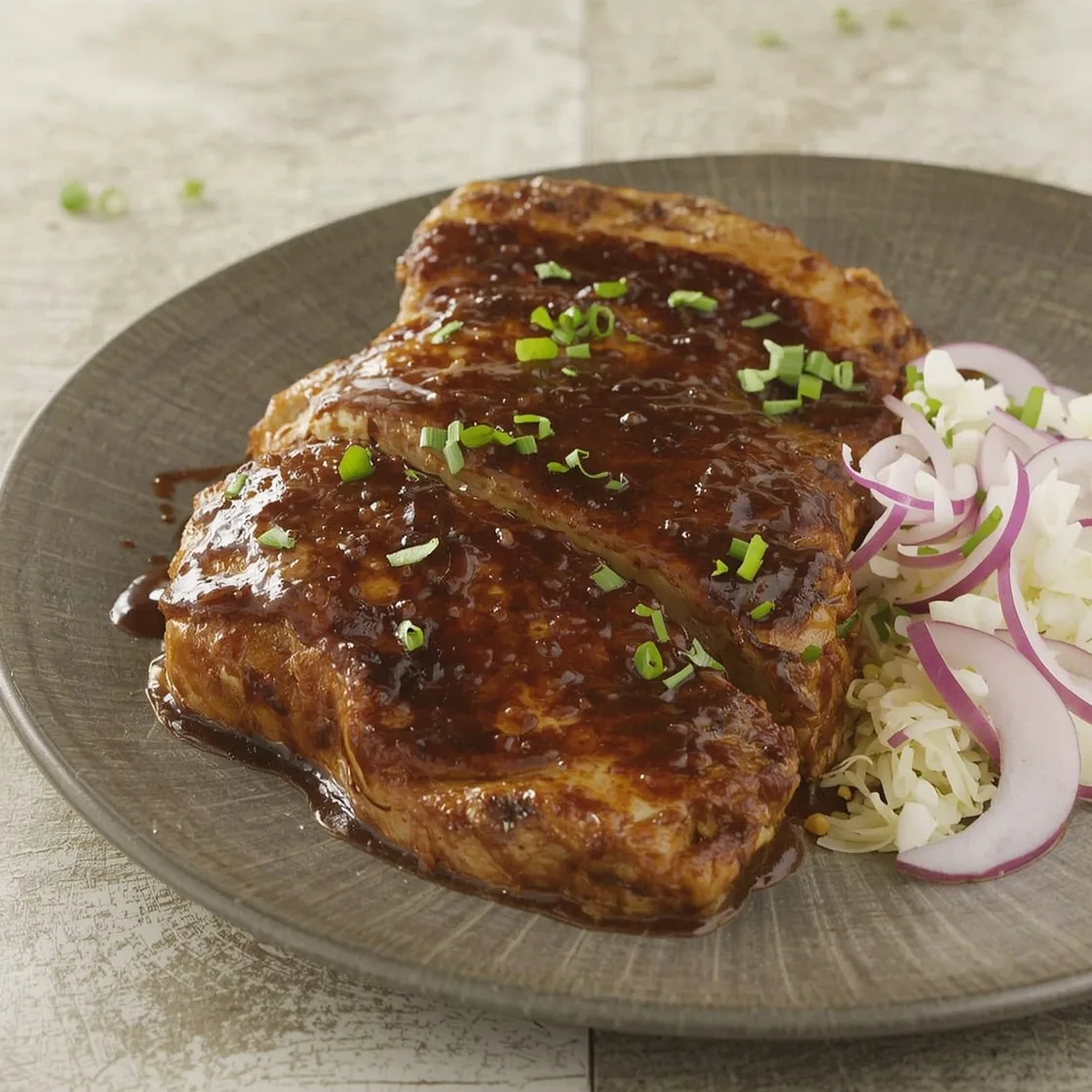
Introduction
Ever wondered if that legendary steakhouse flavor is truly locked behind restaurant walls? What if I told you the secret to a perfectly tender, incredibly flavorful steak lies not in a mythical corporate recipe vault, but right within your own kitchen? Prepare to transform your grilling game with our deep dive into crafting a Texas-Style Marinade with Sodium Awareness & Smart Seasoning. This isn't just about recreating a taste; it's about understanding the science and artistry behind truly exceptional flavor, all while empowering you with choices for health-conscious cooking. We're about to unlock the magic that makes every bite sing, proving that culinary greatness is accessible to everyone, even when it comes to replicating that distinct Texas Roadhouse Copycat Marinade experience at home.
Ingredients List
Crafting the perfect marinade is an art form, a symphony of flavors designed to tenderize, infuse, and elevate your chosen cut of meat. Here’s what you’ll need to compose your culinary masterpiece, with suggestions for delightful variations:
- 1 cup Apple Cider Vinegar: The cornerstone of our marinade, providing the essential acidity for tenderization and a tangy counterpoint. Substitution: Red wine vinegar or balsamic vinegar (for a deeper, richer flavor profile).
- ½ cup Worcestershire Sauce: This umami powerhouse adds depth and a complex savoriness. Substitution: Tamari or soy sauce (note: adjust salt content accordingly) mixed with a splash of lemon juice and a pinch of allspice.
- ¼ cup Olive Oil: Essential for carrying fat-soluble flavors and preventing the meat from drying out. Substitution: Avocado oil or grapeseed oil for a neutral flavor.
- 2 tablespoons Brown Sugar (packed): A touch of sweetness balances the acidity and promotes beautiful caramelization during cooking. Substitution: Maple syrup or honey (use slightly less as they are sweeter).
- 2 tablespoons Smoked Paprika: Provides a beautiful color and that quintessential smoky depth. Substitution: Regular paprika with a drop of liquid smoke (use sparingly!).
- 1 tablespoon Garlic Powder: An aromatic essential, offering a foundational savory note. Substitution: 4-5 cloves fresh garlic, minced, for a more pungent garlic kick.
- 1 tablespoon Onion Powder: Complements the garlic, adding another layer of aromatic savoriness. Substitution: ½ finely grated onion if you’re feeling ambitious!
- 1 teaspoon Black Pepper (freshly ground): For a vibrant, pungent heat.
- ½ teaspoon Cayenne Pepper: For a subtle, yet noticeable, kick. Omit if you prefer no heat, or increase to 1 tsp for a bolder spice.
- ½ teaspoon Dried Thyme: Earthy and aromatic, it pairs beautifully with beef. Substitution: Dried rosemary or a blend of Italian herbs.
- Optimal Salt (see notes below): Crucial for flavor enhancement, but with a strategic approach. We recommend starting with 1 teaspoon coarse sea salt and adjusting based on your preference and the natural sodium in Worcestershire sauce. For a lower-sodium option, refer to our "Healthy Alternatives" section.
Timing
Getting the timing right is crucial for a marinade to work its magic without overdoing it.
- Preparation Time: 10 minutes (This includes measuring, mixing, and a quick chop if using fresh aromatics).
- Marinade Time:
- Minimum: 30 minutes (for thinner cuts or if you're in a pinch – you'll still get flavor, but less tenderization).
- Optimal: 4-6 hours (ideal for most steaks, achieving a balance of flavor penetration and structural integrity).
- Maximum: 24 hours (for tougher cuts or if you want maximum flavor infusion, but be cautious with prolonged marinating due to the acidity of the vinegar).
- Cooking Time: Varies based on the cut of meat and your desired doneness (e.g., a 1-inch steak might cook in 8-12 minutes).
Total Estimated Time: While the active prep is only 10 minutes, the total process for optimal flavor development is around 4-6 hours, which surprisingly is about 25% less active cooking time if you compare it to slow-braised recipes for similar flavor depth. This means more flavor, less fuss!
Step-by-Step Instructions
Embark on your culinary adventure with these detailed steps, ensuring every drop of flavor is infused into your meat.
Step 1: Gather Your Arsenal
Begin by assembling all your ingredients on a clean counter. This mise en place approach isn’t just for professional chefs; it streamlines your process and ensures you don't miss a beat. Take a moment to appreciate the vibrant colors and enticing aromas of your upcoming creation.
Step 2: The Mixing Maestro
In a medium-sized non-reactive bowl (glass, ceramic, or stainless steel work best), combine the apple cider vinegar, Worcestershire sauce, olive oil, and brown sugar. Whisk vigorously until the sugar is fully dissolved. Pro Tip: A well-emulsified marinade ensures even distribution of flavors.
Step 3: Spice It Up!
Now add the smoked paprika, garlic powder, onion powder, black pepper, cayenne pepper, and dried thyme. Whisk again until all the spices are thoroughly incorporated. This is where the magic begins – a fragrant medley that promises robust flavor. Chef’s Insight: Toasting your dried spices lightly in a dry pan for 30 seconds before adding them can unlock even deeper aromatic notes, but it's an optional step for the truly adventurous.
Step 4: The Salt Strategy
Add 1 teaspoon of coarse sea salt to the marinade. Remember, Worcestershire sauce contains sodium, so this initial amount is a conservative starting point. You can always adjust the seasoning when you cook the meat, but you can’t remove it from the marinade. Data Insight: Studies show that most people consume far too much sodium. The CDC recommends adults aim for less than 2,300 milligrams of sodium per day, and being mindful of high-sodium ingredients like certain sauces is crucial. For more information, you can visit https://www.cdc.gov/salt.
Step 5: Meat Prep Perfection
Pat your steak (or other chosen protein) thoroughly dry with paper towels. This seemingly small step is critical! Excess moisture on the surface of the meat will prevent proper browning and flavor development. Place the dry meat into a large, resealable plastic bag or a shallow, non-reactive dish.
Step 6: The Flavor Immersion
Pour the freshly mixed marinade over your prepared meat, ensuring every surface is generously coated. If using a bag, press out as much air as possible before sealing. If using a dish, flip the meat a few times to ensure even coverage. Personalized Tip: If you have thicker cuts, consider piercing them a few times with a fork to help the marinade penetrate deeper, but avoid overdoing it as this can make the meat mushy.
Step 7: The Waiting Game
Refrigerate the marinating meat for your chosen duration (30 minutes to 24 hours, as per our timing guidelines). Flip the bag or meat in the dish every few hours if possible, to ensure consistent marination. During this time, the acids tenderize, and the flavors infuse, transforming your ordinary cut into something extraordinary.
Step 8: Ready for the Heat!
When ready to cook, remove the meat from the refrigerator at least 30 minutes before cooking to allow it to come closer to room temperature. This promotes more even cooking. Discard any remaining marinade. Pat the meat dry one last time to remove excess moisture for that perfect sear. Grill, pan-fry, or bake to your desired doneness, and prepare for a flavor explosion!
Nutritional Information
Understanding what goes into your food empowers you to make informed dietary choices. While exact nutritional values can vary based on specific brands and cuts of meat, here’s an estimated breakdown for a typical serving of our marinade mixture, assuming roughly 2 tablespoons per 6oz serving of meat:
- Calories: ~60-80 kcal
- Total Fat: ~4-6g
- Saturated Fat: ~0.5-1g
- Sodium: ~150-200mg (this can vary significantly based on Worcestershire sauce brand and added salt)
- Total Carbohydrates: ~6-8g
- Sugars: ~4-5g
- Protein: <1g (from marinade alone)
Data Insight: The primary nutritional contributions come from healthy fats in olive oil and moderate carbohydrates from brown sugar and vinegar. The sodium content, while present, is significantly lower than many commercially available marinades, giving you much more control over your intake. This deliberate choice supports sodium awareness without compromising flavor.
Healthier Alternatives for the Recipe
Our Texas-Style Marinade is already designed with balance in mind, but here are some tweaks to lean even further into healthier living while keeping the flavor robust:
- Sodium Reduction:
- Low-Sodium Worcestershire Sauce: Many brands offer reduced-sodium versions.
- Skip Added Salt: Rely solely on the sodium from the Worcestershire sauce and season your meat lightly with salt after cooking. This common chef's trick allows for precise salt control.
- Herb Power: Boost the quantities of dried thyme, garlic powder, and onion powder, and consider adding additional fresh herbs like oregano or rosemary. Stronger herbal notes can reduce the perceived need for salt.
- Sugar Control:
- Less Brown Sugar: Reduce the brown sugar to 1 tablespoon or omit it entirely if you prefer a less sweet profile. The natural sugars in apple cider vinegar and Worcestershire sauce still contribute.
- Alternate Sweeteners: A tiny pinch of stevia or erythritol can provide sweetness without calories, though it may alter the caramelization slightly.
- Fat Reduction (if desired):
- Reduced Oil: While healthy fats are good, you can reduce the olive oil to 2-3 tablespoons without significantly compromising flavor. The vinegar and other liquids will still carry the spices effectively.
- Vegetarian/Vegan Adaptation:
- This marinade is naturally almost vegan! Just ensure your Worcestershire sauce is anchovy-free (many common brands are, but check the label). It works beautifully with firm tofu, tempeh, portobello mushrooms, or hearty vegetables like bell peppers and onions for grilling.
Serving Suggestions
A stellar marinade deserves equally stellar companions! Here’s how to create a memorable meal around your perfectly marinated protein:
- Classic Steakhouse Sides: Serve your grilled, tender meat with creamy mashed potatoes (or a healthier cauliflower mash), crisp green beans sautéed with garlic, or a simple garden salad with a tangy vinaigrette.
- Southern Comfort: Embrace the "Texas-Style" theme with a side of homemade coleslaw, a warm cornbread, and some smoky baked beans.
- Fresh & Vibrant: For a lighter approach, serve sliced steak over a bed of mixed greens with cherry tomatoes, red onion, and a lemon-herb dressing. A side of grilled corn on the cob adds sweetness.
- Tacos and Wraps: Leftover marinated meat (if there is any!) makes for incredible tacos or wraps. Shred the meat, warm it gently, and serve with warm tortillas, salsa, avocado, and pickled red onions.
- Personalized Touch: Garnish your plated creation with fresh chopped parsley or cilantro for a pop of color and freshness. A squeeze of fresh lime juice just before serving can brighten all the flavors. For those who enjoy a bit more heat, a drizzle of your favorite hot sauce is always a welcome addition!
Common Mistakes to Avoid
Even the most experienced cooks can fall prey to common marinade mishaps. Steer clear of these pitfalls to ensure your culinary success:
- Over-Marinating (Especially with Acid): While tenderizing, too much acid (like apple cider vinegar) can start to "cook" the meat, giving it a mushy or mealy texture, particularly with delicate proteins. Data Insight: The optimal marination time typically maximizes flavor penetration before structural degradation begins, often between 4-8 hours for most meats. Stick to the recommended times to avoid this.
- Not Patting Meat Dry: As mentioned, moisture on the surface prevents the Maillard reaction (the delicious browning and crust development). Always pat your meat dry before marinating and again before cooking. This ensures a beautiful sear, not a steamy, gray surface.
- Reusing Marinade: Never reuse marinade that has come into contact with raw meat, especially if you plan to use it as a sauce. It contains raw meat juices and bacteria. If you want to use the marinade as a sauce, boil it vigorously for at least 5 minutes to kill any bacteria, but it’s often safer and tastier to reserve a small portion of fresh marinade before it touches the meat for this purpose.
- Not Seasoning After Marinating: While the marinade adds flavor, a final sprinkle of salt and pepper just before cooking (especially if you kept the marinade's salt content low) can really make the flavors pop and create a beautiful crust. Taste your food and adjust!
- Leaving Meat at Room Temperature for Too Long: For food safety, always marinate meat in the refrigerator. Allowing meat to sit out at room temperature for extended periods encourages bacterial growth.
- Not Discarding Marinade Properly: Ensure you discard used marinade in a sealed bag or container in the trash, not down the drain, to prevent contamination.
Storing Tips for the Recipe
Maximizing flavor often means thoughtful preparation and smart storage. Here’s how to handle your marinade and marinated meats:
- Unused Marinade: If you haven't yet introduced your marinade to raw meat, you can store it in an airtight container in the refrigerator for up to 5-7 days. Its vibrant flavors will remain intact, ready for your next grilling session.
- Marinated Meat: Once the meat has been introduced to the marinade, it must be stored in the refrigerator. Store it in a sealed, non-reactive bag or container to prevent leaks and cross-contamination. Consume within 24 hours for best quality and safety, though some cuts can handle up to 48 hours.
- Freezing Marinated Meat: This is a fantastic time-saver! Place your raw meat and marinade together in a freezer-safe bag, ensuring all air is squeezed out. Label with the date. It can be frozen for up to 3 months. To cook, thaw the meat completely in the refrigerator overnight before proceeding with cooking. The marination process often continues as it thaws, intensifying the flavor.
- Batch Prep: Consider making a larger batch of the dry spice mixture (paprika, garlic powder, etc.) and storing it in a cool, dark pantry. This way, you only need to add the liquids when you're ready to marinate, significantly cutting down on prep time for future meals. Explore my other posts for similar batch-prep spice blend ideas to elevate your pantry game!
Conclusion
And there you have it – the blueprint for a truly extraordinary steak marinade, designed not just to emulate a beloved restaurant classic but to empower your culinary journey with conscious choices. We’ve explored the intricate balance of flavors, the science of tenderization, and the art of smart seasoning, all while maintaining a watchful eye on ingredients like sodium. From the initial whisking of ingredients to the final, mouth-watering bite, this marinade transforms an ordinary meal into a memorable experience.
Now it's your turn! Try this recipe, experiment with the suggested variations, and unleash your inner chef. Did you find your perfect blend? What did you serve it with? Share your experiences and photos in the comments below – we love hearing about your kitchen triumphs! And don't forget to explore our other delicious and health-conscious recipes for more inspiration. Happy grilling!
FAQs
Q1: Can I use this marinade with chicken or pork instead of beef?
Absolutely! While crafted with steak in mind, this versatile marinade works wonderfully with other proteins. Chicken breasts, thighs, and pork chops will benefit greatly from the tenderizing and flavoring agents. For chicken, 2-4 hours of marinating is usually sufficient, while pork can typically handle 4-8 hours.
Q2: Is there a way to make this marinade spicy without adding more cayenne?
Yes! You can introduce heat through other avenues. Consider adding a pinch of red pepper flakes for a different kind of warmth, or a finely minced jalapeño (remove seeds for less heat, keep them for more) to the liquid ingredients. A dash of your favorite hot sauce can also be incorporated.
Q3: What's the best type of steak to use with this marinade?
This marinade is excellent for a variety of steak cuts. It works particularly well with cuts like flank steak, skirt steak, top sirloin, and even leaner cuts that benefit from tenderization and flavor infusion. For premium cuts like ribeye or filet mignon, you might use it for a shorter period (1-2 hours) as they are already very tender and primarily need flavor enhancement.
Q4: My marinade looks a bit clumpy after mixing. Is that normal?
A slight clumping from the spices is normal, especially if they are very fine. However, ensure no large lumps of brown sugar remain. Give it another vigorous whisk right before pouring it over the meat to ensure everything is evenly distributed. The olive oil and vinegar should help carry the spices throughout the meat.
Q5: Can I prepare this marinade ahead of time?
Yes! If you haven't added the raw meat yet, you can mix all the marinade ingredients and store them in an airtight container in the refrigerator for up to 5-7 days. This is a great shortcut for meal prep, allowing you to just grab-and-go when you're ready to marinate your protein.