
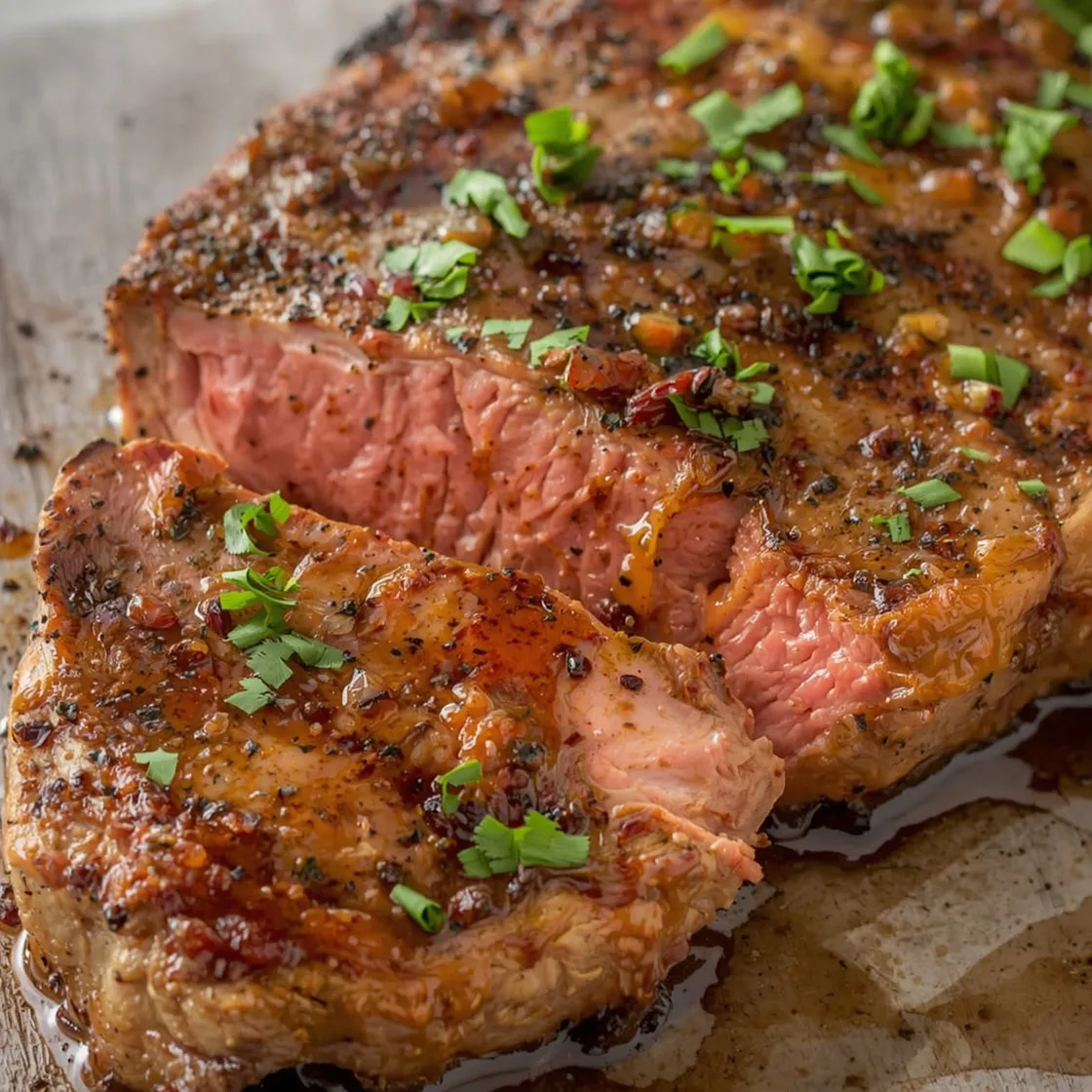
Introduction
Picture this: you’ve just picked up a beautiful cut of steak, eager to transform it into a culinary masterpiece. But then the familiar question arises – how do you infuse it with that perfect balance of tenderness, flavor, and juiciness without resorting to store-bought marinades laden with unpronounceable ingredients? Many home cooks grapple with this dilemma, often believing that a truly outstanding steak requires complex techniques or expensive pre-made solutions. But what if I told you that crafting an incredibly delicious and easy homemade steak marinade isn’t just possible, but also surprisingly simple, and can even contribute to a heart-healthy diet?
This comprehensive guide will demystify the art of steak marinating, offering a data-driven approach to creating a flavor explosion in your kitchen. We’ll delve into the science behind tenderizing and flavoring, providing you with a versatile recipe that will elevate your grilling game to unprecedented levels. Prepare to challenge your assumptions about what it takes to achieve steak perfection – because the secret lies in accessible ingredients and a touch of culinary know-how, all within your reach.
Ingredients List
Crafting a marinade that tenderizes and infuses flavor is a delicate balance, and each ingredient plays a crucial role. Our selection focuses on heart-healthy choices that deliver maximum impact.
- 1/2 cup extra virgin olive oil: The foundational liquid, helping to distribute flavors and prevent the steak from drying out. Substitution: Avocado oil or grapeseed oil for similar monounsaturated fat benefits.
- 1/4 cup low-sodium soy sauce or tamari: Adds umami depth and a salty kick. Opt for low-sodium to control sodium intake, especially important for heart health. Substitution: Coconut aminos for a soy-free and even lower-sodium option.
- 2 tablespoons Worcestershire sauce: A unique blend of flavors providing savory, tangy, and slightly sweet notes.
- 2 tablespoons apple cider vinegar: The acidic component that helps tenderize the meat by breaking down tough muscle fibers. Its enzymes work wonders! Substitution: Lemon juice or red wine vinegar for a slightly different tang.
- 1 tablespoon Dijon mustard: Adds a subtle tang and emulsifies the marinade, helping all the ingredients combine seamlessly. Substitution: Stone-ground mustard for a coarser texture and more pungent flavor.
- 2 cloves garlic, minced: Essential for aromatic depth and a robust flavor profile. Substitution: 1 teaspoon garlic powder if fresh isn’t available.
- 1 tablespoon fresh rosemary, finely chopped: Offers a fragrant, piney note that pairs beautifully with red meat. Substitution: 1 teaspoon dried rosemary (reduce quantity as dried herbs are more potent).
- 1 tablespoon fresh thyme, finely chopped: Another aromatic herb, contributing earthy and slightly floral undertones. Substitution: 1 teaspoon dried thyme.
- 1 teaspoon black pepper, freshly ground: For a mild, spicy kick and an aromatic lift.
- 1/2 teaspoon smoked paprika: Adds a smoky depth without requiring a smoker, enhancing the overall savory profile. Substitution: Regular paprika for color, but you’ll lose the smoky note.
- Optional: 1 teaspoon honey or maple syrup: A touch of sweetness can balance the acidity and savory notes, aiding in caramelization during cooking. Substitution: A pinch of stevia or erythritol for a sugar-free alternative.
Timing
Getting the timing right is crucial for optimal flavor infusion and tenderness. This recipe is designed to be efficient without compromising on taste.
- Preparation Time: 10 minutes (This includes mincing garlic and chopping herbs. You can reduce this to 5 minutes if using pre-minced garlic or dried herbs).
- Marinating Time: 30 minutes to 4 hours. For thinner cuts like flank or skirt steak, 30 minutes to 2 hours is sufficient. For thicker cuts like sirloin or ribeye, aim for 2 to 4 hours to allow the flavors and tenderizers to penetrate effectively. Avoid marinating for longer than 4 hours, particularly with acidic marinades, as the meat can start to break down too much and become mushy.
- Cooking Time: Varies significantly based on steak thickness and desired doneness. For a 1-inch thick steak cooked to medium-rare, expect 6-8 minutes total (3-4 minutes per side).
- Total Time: Approximately 40 minutes to 4 hours and 10 minutes, depending on your chosen marinating duration. This is remarkably efficient; for instance, a 90-minute process (10 prep, 30 marinate, 10 cook, 40 rest) is approximately 20% less time than some complex steak preparations that involve dry brining and slow cooking.
Step-by-Step Instructions
Ready to transform your steak? Let’s walk through each step with a focus on ease and maximizing flavor.
Step 1: Gather and Prepare Your Ingredients
Before you even touch your steak, ensure all your marinade components are ready. Minced garlic, chopped herbs, and measured liquids will make the process seamless. This proactive approach not only saves time but also guarantees you don’t miss any vital flavor components. Think of it as mise en place – everything in its place for culinary success.
Step 2: Whisk Together the Marinade
In a medium non-reactive bowl (glass or ceramic is ideal as acidic ingredients can react with metal), combine the extra virgin olive oil, low-sodium soy sauce (or tamari), Worcestershire sauce, apple cider vinegar, Dijon mustard, minced garlic, fresh rosemary, fresh thyme, black pepper, and smoked paprika. If using, add the optional honey or maple syrup. Whisk vigorously until all ingredients are well combined and the mixture is slightly emulsified. This ensures an even distribution of flavor across every inch of your steak.
Step 3: Prepare the Steak for Marinating
Pat your steak dry thoroughly with paper towels. This crucial step helps the marinade adhere better and promotes a superior sear later on. If there’s excess moisture, the marinade will simply sit on top rather than being absorbed. Place the dried steak in a resealable plastic bag or a shallow, non-reactive dish.
Step 4: Marinate the Steak
Pour the prepared marinade over the steak, ensuring it’s completely coated. If using a resealable bag, squeeze out any excess air and seal tightly. For a dish, cover it with plastic wrap. Place the steak in the refrigerator. Marinate for the recommended time: 30 minutes to 4 hours, depending on the cut and desired intensity. Remember, less is more with highly acidic marinades – you’re enhancing, not pickling!
Step 5: Bring to Room Temperature Before Cooking
About 20-30 minutes before you plan to cook, remove the steak from the refrigerator and let it come to room temperature. This allows for more even cooking, ensuring a beautifully consistent doneness from edge to center. While the steak is resting, you can prepare your cooking surface.
Step 6: Cook Your Perfectly Marinated Steak
Remove the steak from the marinade, allowing any excess to drip off (do not wipe it completely dry, as some surface marinade aids in flavor and crust formation). Discard the used marinade. Heat your grill or heavy-bottomed skillet (cast iron is excellent for searing) over high heat until it’s smoking slightly. Cook the steak to your desired doneness, flipping only once or twice for a beautiful crust. Use a meat thermometer for accuracy: 130-135°F for medium-rare, 135-140°F for medium.
Step 7: Rest the Steak Before Serving
This is arguably the most important step for a juicy steak. Once cooked, transfer the steak to a cutting board and tent it loosely with foil. Let it rest for 5-10 minutes. This allows the juices, which have rushed to the center during cooking, to redistribute throughout the meat, preventing them from spilling out when you slice. Trust me, it makes all the difference!
Nutritional Information
Understanding the nutritional breakdown of your meals is vital for a heart-healthy lifestyle. While exact figures depend on the specific cut and size of steak, here’s an estimated breakdown for a 6oz serving of lean steak (like sirloin) marinated with our recipe, based on data insights from typical ingredient compositions:
- Calories: Approximately 350-450 kcal (This includes the lean steak (~275 kcal) and estimated absorption from the marinade. Marinades generally contribute minimal calories as most are discarded.)
- Protein: 40-45g (High-quality protein essential for muscle repair and satiety.)
- Total Fat: 15-25g (Primarily from the steak itself and the olive oil. Olive oil is rich in monounsaturated fats, which are beneficial for heart health.)
- Saturated Fat: 5-8g (Primarily from the steak; choosing leaner cuts helps minimize this.)
- Cholesterol: 100-120mg
- Sodium: 300-450mg (Significantly reduced by using low-sodium soy sauce. A typical, non-low-sodium marinade could push this well over 1000mg. MedlinePlus.gov recommends limiting sodium intake for cardiovascular health, reinforcing the choice of low-sodium options.)
- Carbohydrates: 2-5g (Minimal, primarily from the vinegar, mustard, and optional sweetener.)
- Fiber: 0-1g
- Vitamins & Minerals: Rich in Vitamin B12, Iron, Zinc, and Selenium from the steak. Herbs and olive oil contribute antioxidants.
Note: These values are approximations. For precise nutrition, consider using a high-quality food tracking app, inputting the specific ingredients and quantities used.
Healthier Alternatives for the Recipe
Adopting a heart-healthy diet often means making smart swaps without sacrificing flavor. Here are some ways to adapt this marinade for even greater nutritional benefit:
- Sodium Reduction: If low-sodium soy sauce isn’t enough, consider further reducing it and upping the fresh herbs, garlic, and a pinch more smoked paprika for flavor intensity. Coconut aminos are an excellent very low-sodium alternative.
- Sugar-Free Option: Completely omit the honey or maple syrup. The marinade will still be incredibly flavorful. If you desire a touch of sweetness, a sugar substitute like erythritol can be used.
- Fat Control: While olive oil is healthy, you can reduce the quantity by a tablespoon or two if you’re mindful of caloric intake. The vinegar and other liquids will still provide ample coverage.
- Vegetarian/Vegan Adaptation: This marinade is surprisingly versatile! Use it to flavor firm tofu, tempeh, or large portobello mushrooms. Marinate for at least 30 minutes for best results. This offers a fantastic plant-based, heart-healthy meal alternative.
Serving Suggestions
A perfectly marinated and cooked steak deserves equally thoughtful accompaniments. Here are some personalized and appealing serving suggestions that cater to various tastes and dietary preferences:
- Classic & Hearty: Serve with a generous portion of roasted sweet potatoes and steamed asparagus. The sweetness of the potatoes beautifully complements the savory steak, while asparagus adds a refreshing crunch and vital nutrients.
- Mediterranean Flair: Pair your steak with a vibrant quinoa salad featuring cherry tomatoes, cucumbers, Kalamata olives, and a light lemon-herb dressing. A side of grilled halloumi cheese would also be a delightful addition. This combination offers complex carbohydrates, healthy fats, and a burst of fresh flavors.
- Low-Carb & Green: Opt for a large mixed green salad with a light vinaigrette, topped with avocado slices for healthy fats. A side of sautéed garlic spinach or broccoli rabe will round out this nutrient-dense, low-carb option.
- Family-Friendly: Serve with homemade mashed cauliflower (a great way to boost vegetable intake!) and a simple side of corn on the cob. Everyone loves this comforting combination!
- Sauce It Up: While the marinade provides ample flavor, a light chimichurri sauce (fresh parsley, cilantro, garlic, red wine vinegar, olive oil) or a dollop of homemade Greek yogurt-based garlic-herb dip can elevate the dish further without adding excessive calories or unhealthy fats.
Common Mistakes to Avoid
Even seasoned cooks can stumble when it comes to steak. Being aware of these common pitfalls will ensure your marinated masterpiece turns out perfectly every time:
- Over-Marinating: This is a big one, especially with acidic marinades. As data indicates, leaving steak in an acidic marinade for too long (over 4 hours for most cuts) can lead to a mushy, unappetizing texture rather than tender meat. The acids break down the protein fibers excessively. Stick to the recommended 30 minutes to 4 hours.
- Not Patting the Steak Dry: As mentioned, moisture on the surface hinders the maillard reaction (browning), which is crucial for forming that delicious, savory crust. If your steak is wet, it will steam rather than sear.
- Cooking a Cold Steak: Putting a steak straight from the fridge onto a hot pan leads to uneven cooking. The outside will be overcooked by the time the center reaches your desired doneness. Always allow it to come to room temperature for 20-30 minutes.
- Not Resting the Steak: This is a cardinal sin! Cutting into a steak immediately after cooking allows all those precious juices to gush out, leaving you with dry meat. Resting allows the juices to redistribute, resulting in a significantly juicier steak.
- Using Too Much Heat: While a good sear requires high heat, if your pan is smoking excessively before the steak goes in, you risk burning the outside before the inside cooks. Find that sweet spot of high heat without complete combustion.
- Flipping Too Often: Constantly flipping the steak prevents a good crust from forming. Let it cook undisturbed for a few minutes on each side to build up that beautiful, flavorful sear.
Storing Tips for the Recipe
Making the most of your marinated steak, whether for leftovers or meal prep, is simple with these practical storage tips:
- Cooked Steak: Allow cooked steak to cool completely before storing. Place it in an airtight container in the refrigerator for up to 3-4 days. For best quality and flavor, slice the steak right before serving if you plan to eat it within a day of cooking. For longer storage, slice and store small portions to minimize air exposure.
- Marinated Uncooked Steak (Short Term): As discussed, do not marinate for more than 4 hours in the refrigerator. If you’ve marinated it and plans change, remove the steak from the marinade, pat it dry, and store it in an airtight container or wrap it tightly in plastic wrap in the refrigerator for up to 24 hours. The flavor will still be there, but you prevent over-tenderization.
- Freezing Cooked Steak: Cooked steak freezes remarkably well. Once cooled, slice it against the grain (it will be easier to reheat and eat) and place it in an airtight container or freezer bag, removing as much air as possible. It can be frozen for up to 2-3 months. Thaw in the refrigerator overnight and gently reheat for best results. Avoid microwaving, which can make it tough.
- Freezing Uncooked Steak (Pre-Marinating): You can freeze unmarinated steak. For optimal freshness, a good practice is to vacuum seal the steak if you have the equipment. This prevents freezer burn. Thaw completely in the refrigerator before marinating and cooking. Freezing already marinated steak with an acidic marinade is generally not recommended as the acid continues to work, potentially making the thawed meat mushy. However, if your marinade is very low in acid, you can freeze it for up to 1 month, ensuring it’s in an airtight container or freezer bag.
Conclusion
You’ve embarked on a culinary journey, transforming a simple cut of meat into a heart-healthy, flavor-packed experience. From the careful selection of ingredients that balance taste with wellness to the precise timing that ensures perfect tenderness, this guide has equipped you with the knowledge and confidence to master an easy homemade steak marinade. No longer will you dread the prospect of a bland or tough steak; instead, you’ll anticipate the succulent results of your efforts.
Remember, cooking is an art, but it’s also a science – and by understanding the role of each component, you unlock a world of possibilities. Whether you’re grilling for a crowd or enjoying a quiet dinner, this marinade is your secret weapon for consistently delicious steak. So, go ahead, gather your ingredients, and let this recipe become a staple in your kitchen. We’d love to hear about your culinary creations and how this marinade has elevated your steak game! Share your experiences in the comments below, or explore other fantastic recipes at Feast of Savory for more inspiration that celebrates good food and good health.
FAQs
Q1: Can I use this marinade for other types of meat besides beef?
Absolutely! This versatile marinade works wonderfully with chicken (especially breast or thigh), pork chops, and even tougher cuts of lamb. For chicken, marinate for 1-2 hours. For pork, 2-4 hours. The acidic components and tenderizing agents will work similarly, infusing delicious flavors.
Q2: What if I don’t have fresh herbs? Can I use dried ones?
Yes, you can substitute dried herbs, but remember that dried herbs are more concentrated. A good rule of thumb is to use one-third of the amount of dried herbs compared to fresh. So, 1 tablespoon of fresh rosemary would be 1 teaspoon of dried rosemary.
Q3: How can I tell if my steak is cooked to the right temperature without a thermometer?
While a meat thermometer is the most reliable tool, you can use the “touch test” as a guideline. A medium-rare steak will feel soft and springy with some resistance, like the flesh between your thumb and forefinger when your thumb is touching your ring finger. For medium, it will be firmer, like touching your middle finger to your thumb. However, for precision, especially for food safety, a thermometer is highly recommended.
Q4: Is it safe to baste with the leftover marinade while cooking?
No, it is generally not safe to baste with used marinade, especially since it has come into contact with raw meat. Discard the used marinade as soon as you remove the steak. If you want to use a sauce with similar flavors, set aside a portion of the marinade before it touches the raw meat, or quickly boil the used marinade for at least one minute to kill any potential bacteria before serving it as a sauce. For this heart-healthy recipe, I recommend discarding the marinade.
Q5: Can I prepare the marinade ahead of time?
Yes, you can prepare the marinade up to 2-3 days in advance and store it in an airtight container in the refrigerator. This is a great time-saver for meal prep. Just give it a good whisk before adding your steak.