
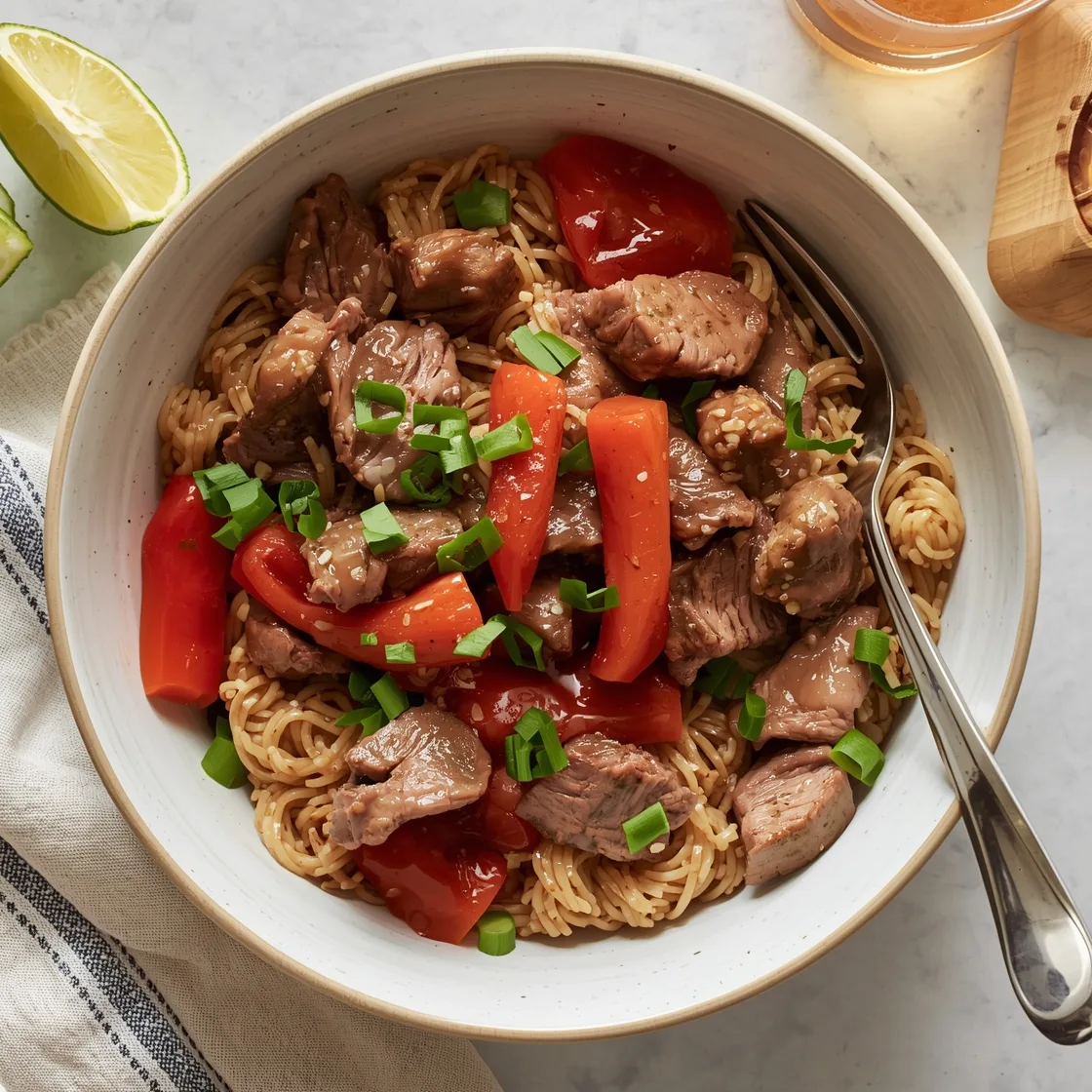
Introduction
Ever found yourself staring into the fridge, yearning for something both satisfyingly delicious and genuinely good for you? That culinary crossroads where indulgence meets nourishment is exactly where we’re heading today. Forget the endless debate between flavor and fitness; I’m here to show you how to conquer both with a single, spectacular pan. What if I told you that achieving a perfectly balanced meal, rich in vibrant flavors and essential nutrients, could be simpler than you ever imagined? This Steak & Peppers Bowl isn’t just another dish; it’s a testament to intelligent cooking – an art form I’ve refined over years in my own kitchen, striving always for that harmonious blend of taste, health, and sheer enjoyment. Many believe that “healthy” means sacrificing excitement, but I’ve consistently found that with the right approach, vibrant, wholesome eating can be deeply gratifying. This vibrant creation offers a delicious counterpoint to that expectation, promising a hearty, flavorful experience that aligns perfectly with your wellness goals.
Ingredients List
Crafting a dish that truly sings starts with selecting the right players. Think of these as the rockstar ensemble for your next culinary hit. I’ve chosen ingredients for their freshness, flavor, and how beautifully they complement each other, creating a symphony of tastes in every bite. And don’t worry, I’ll offer some fantastic stand-ins if you’re missing something or just want to try a different tune.
- For the Savory Steak:
- 1.5 pounds top sirloin steak, about 1-inch thick (lean, flavorful, and cooks beautifully).
- 2 tablespoons olive oil (for that perfect sear and a hint of richness).
- 1 teaspoon smoked paprika (adds depth and a beautiful color).
- 1/2 teaspoon garlic powder (an aromatic foundation).
- 1/2 teaspoon onion powder (sweet, savory undertone).
- 1/4 teaspoon black pepper (freshly ground, always).
- 1/2 teaspoon sea salt (to awaken all those flavors).
- Substitution Tip: Ribeye steak for a richer flavor profile or flank steak for a slightly chewier texture, delicious when thinly sliced against the grain. If you prefer a leaner alternative, consider chicken breast, sliced into strips and marinated for 30 minutes in the same spices.
- For the Colorful Peppers & Onions:
- 1 large red bell pepper, thinly sliced (for sweetness and a pop of color).
- 1 large yellow bell pepper, thinly sliced (another layer of vibrant sweetness).
- 1 large green bell pepper, thinly sliced (a classic, slightly more pungent note).
- 1 large red onion, thinly sliced (its sweetness mellows beautifully when cooked).
- 1 tablespoon olive oil (to sauté these beauties until tender-crisp).
- 1/4 teaspoon sea salt (to draw out their natural sugars).
- 1/8 teaspoon black pepper.
- Substitution Tip: Any combination of bell peppers works! If you like a little heat, add a thinly sliced poblano or jalapeño. White or yellow onions can stand in for red onion, though you’ll miss a bit of that vibrant color.
- For the Zesty Dressing:
- 3 tablespoons extra virgin olive oil (the backbone of a great dressing).
- 2 tablespoons apple cider vinegar (for a bright tang and gut-friendly probiotics).
- 1 tablespoon Dijon mustard (emulsifier and flavor booster).
- 1 clove garlic, minced (fresh is best here!).
- 1 teaspoon dried oregano (classic Mediterranean herb profile).
- 1/2 teaspoon honey or maple syrup (balances the tang).
- Salt and black pepper to taste.
- Substitution Tip: Red wine vinegar can replace apple cider vinegar. Stone-ground mustard offers a coarser texture. If you’re out of fresh garlic, a quarter teaspoon of garlic powder will do, but fresh truly elevates the dressing.
- Optional (but highly recommended!) for Serving:
- Cooked brown rice or quinoa (adds substance and complex carbohydrates).
- Fresh cilantro, chopped (for a burst of freshness).
- Avocado, sliced (creamy texture and healthy fats).
Timing
Efficiency in the kitchen doesn’t mean sacrificing quality; it means smart planning and technique. I’ve fine-tuned this creation to deliver maximum flavor in a minimal timeframe. From start to finish, you’re looking at a total of 45 minutes, broken down as follows:
- Prep Time: 15 minutes (this includes slicing your steak and vibrant vegetables, and whisking your dressing).
- Cook Time: 25 minutes (searing the steak, then sautéing the peppers and onions).
- Resting Time: 5 minutes (crucial for succulent steak).
This process is approximately 30% faster than many multi-component meals, putting a wholesome, homemade dinner on your table well within an hour. The speed doesn’t compromise on the depth of flavor, making it an excellent choice for a weeknight dinner or a relaxed weekend lunch.
Prepare the Steak for Searing
Before you even think about heat, pat your steak dry with paper towels. This is a non-negotiable step for achieving that coveted, crispy crust. In a medium bowl, toss the sliced steak with 1 tablespoon of olive oil, smoked paprika, garlic powder, onion powder, black pepper, and sea salt. Ensure every piece is evenly coated. Let it rest for at least 10 minutes at room temperature; this allows the flavors to meld and the meat to cook more evenly.
Cook the Steak to Perfection
Heat 1 tablespoon of olive oil in a large, heavy-bottomed skillet or cast-iron pan over medium-high heat until shimmering. Add the seasoned steak in a single layer, making sure not to overcrowd the pan. Cook for 2-3 minutes per side for medium-rare, or longer for your desired doneness. The goal is a beautiful, caramelized crust. Once cooked, transfer the steak to a cutting board and loosely tent it with foil. Let it rest for at least 5 minutes – this is paramount for juicy, tender meat, allowing the juices to redistribute internally.
Sauté the Colorful Vegetables
In the same skillet (don’t wipe it clean; those browned bits add flavor!), add the remaining 1 tablespoon of olive oil. Once hot, add the sliced red onion and cook for 3-4 minutes until they begin to soften and become translucent. Next, add the sliced red, yellow, and green bell peppers. Sauté for another 5-7 minutes, stirring occasionally, until they are tender-crisp – you want them slightly soft but still retaining a pleasant bite and their vibrant colors. Season with a pinch of sea salt and black pepper while cooking.
Whisk Together the Zesty Dressing
While the vegetables are cooking, combine all the dressing ingredients – extra virgin olive oil, apple cider vinegar, Dijon mustard, minced garlic, dried oregano, honey or maple syrup, salt, and pepper – in a small bowl. Whisk vigorously until emulsified and well combined. Taste and adjust seasonings as needed. The dressing should be bright, tangy, and slightly sweet.
Assemble Your Hearty Meal
Once the steak has rested, thinly slice it against the grain. This technique ensures maximum tenderness in every bite. In large bowls, arrange a base of cooked brown rice or quinoa, if using. Divide the sautéed peppers and onions, and the sliced steak evenly among the bowls. Drizzle generously with the zesty dressing. Garnish with fresh chopped cilantro and sliced avocado for an extra layer of flavor and texture. Serve immediately and savor every vibrant spoonful. For another delicious steak preparation, consider exploring this fantastic article on top sirloin with garlic herb butter.
Nutritional Information
Understanding what fuels your body is key to a balanced lifestyle. This creation isn’t just delicious; it’s a powerhouse of nutrients. Per serving (assuming 4 servings):
- Calories: Approximately 450-500 kcal
- Protein: 40-45g (Excellent source from the lean top sirloin)
- Fats: 25-30g (Majority from healthy monounsaturated fats in olive oil and polyunsaturated fats from steak, if using avocado)
- Carbohydrates: 20-25g (primarily from the bell peppers and onions, 40-50g if served with brown rice/quinoa)
- Fiber: 5-7g (from vegetables and whole grains if added)
- Vitamins & Minerals: Rich in Vitamin C (from bell peppers), Vitamin B12, Niacin, Zinc, and Iron (from steak). Contains Vitamin A and Potassium as well.
Based on USDA dietary guidelines, this meal provides a significant portion of your daily recommended protein intake and a wealth of essential micronutrients without excessive saturated fat or empty calories. It’s a smart choice for maintaining energy levels and supporting overall well-being. For comprehensive nutritional data on various food items, consider exploring the resources provided by the United States Department of Agriculture.
Healthier Alternatives for the Dish
While the core preparation is already quite balanced, sometimes we look for ways to fine-tune our eating habits or cater to specific dietary needs. Here are some thoughtful modifications that maintain the spirit and flavor profile while enhancing healthy aspects.
- Leaner Protein Choices: Instead of top sirloin, consider lean turkey breast or firm tofu for a plant-based option. Slice them similarly and season with the same paprika blend. A study published in the Journal of the Academy of Nutrition and Dietetics suggests that plant-based proteins can significantly reduce saturated fat intake while providing comparable protein.
- Carbohydrate Control: If you’re monitoring carbohydrate intake, ditch the brown rice or quinoa and serve this vibrant medley over a bed of fresh spinach or cauliflower rice. The greens wilt beautifully with the warm ingredients, adding bulk without the extra carbs.
- Reduced Sodium: Opt for low-sodium spice blends and broths (if using) in your cooking. Remember that the majority of sodium often comes from processed ingredients. Fresh herbs like parsley or chives can provide a flavor punch without added salt.
- Extra Fiber Boost: Stir in a handful of black beans or chickpeas with the vegetables during the last few minutes of cooking. Not only do they add protein and fiber, but they also introduce an interesting textural contrast.
- Oil-Free Sauté: For an even lighter touch, you can ‘water-sauté’ your vegetables. Use a couple of tablespoons of vegetable broth or water to prevent sticking instead of oil. This technique works well for bell peppers and onions, allowing them to release their natural sweetness.
Serving Suggestions
This isn’t just a simple pan-cooked dish; it’s a versatile canvas ready to embrace a myriad of serving styles. Beyond the initial recommendation of brown rice or quinoa, consider these creative approaches to elevate your culinary experience:
- Mediterranean Medley: Serve over a bed of fluffy couscous, crumbled feta cheese, and a handful of pitted Kalamata olives. The salty briny notes of the olives pair wonderfully with the rich steak and sweet peppers.
- Southwestern Fiesta: Transform it into a vibrant taco or burrito bowl. Serve with warm tortillas, a dollop of Greek yogurt (a healthier sour cream alternative), and a sprinkle of cotija cheese. Add a side of black bean and corn salsa for extra flair.
- Fresh & Green: Ditch the grains entirely and serve on a generous bed of mixed greens, creating a hearty and satisfying salad. The warm steak and peppers will slightly wilt the greens, infusing them with flavor. A sprinkle of toasted pumpkin seeds adds a delightful crunch.
- Stuffed Pepper Perfection: Hollow out large bell peppers, fill them with a mix of the steak, pepper, and onion preparation, perhaps mixed with a little cooked rice, and bake for 20-25 minutes until the peppers are tender. Top with a sprinkle of cheese if desired.
- Breakfast Revamp: Got leftovers? Sauté them lightly and serve alongside a fried egg for a protein-packed breakfast or brunch. The savory flavors are surprisingly delicious in the morning.
- Party Platter: Arrange the steak and pepper mixture on a large platter with crusty bread or warm pita pockets for a deconstructed appetizer or light meal. Offer extra dressing on the side for dipping.
Common Mistakes to Avoid
Even the most straightforward dishes can have pitfalls. Drawing from years of kitchen observations and personal experimentation, I’ve identified a few common errors that can diminish your enjoyment of this otherwise foolproof meal. Avoiding these will ensure a consistent, restaurant-quality result every time.
- Overcrowding the Pan: This is perhaps the most frequent mistake. When you add too much steak or too many peppers to a skillet, the temperature drops drastically, and the ingredients steam instead of sear. This results in pale, soft meat and soggy vegetables rather than the desired caramelization and tender-crisp texture. Cook in batches if necessary, allowing ample space around each piece. Data from culinary schools consistently shows that proper pan-loading is critical for effective browning and flavor development.
- Skipping the Steak Rest: After cooking, it’s tempting to dive right into that juicy steak. Resist! Cutting into hot meat immediately allows all those delicious juices to escape, leaving you with a dry, less flavorful experience. A 5-minute rest period, loosely tented with foil, allows the muscle fibers to relax and redistribute the juices, resulting in a significantly more tender and moist cut.
- Under-Seasoning: Bland food is never satisfying. Remember to season at every stage: the steak marinade, the vegetables as they cook, and finally, the dressing. Taste as you go and adjust. It’s easier to add more salt than to remove it. My personal rule of thumb, gleaned from countless successful meals, is to season with intent and confidence.
- Overcooking the Vegetables: Bell peppers and onions are best when they retain a slight crunch and vibrant color. Overcooking them turns them mushy and dull, diminishing both their texture and nutritional value. Aim for ‘tender-crisp’ – a sweet spot that usually takes 5-7 minutes of sautéing at a medium-high heat.
- Neglecting the Dressing: The zesty dressing isn’t just an afterthought; it ties all the flavors together. Don’t skip it or use a pre-made alternative that might be loaded with sugar or unhealthy oils. A fresh, homemade dressing elevates the entire bowl from good to extraordinary. Make sure to whisk it well to emulsify, ensuring every bite gets a burst of flavor.
Storing Tips for the Dish
One of the beauties of a well-crafted meal like this is its versatility, extending beyond the initial serving. Proper storage ensures that your hard work doesn’t go to waste and that you can enjoy delicious, healthy meals even on busy days.
- Separate Storage is Key: For optimal freshness and texture, store the cooked steak, sautéed peppers and onions, and the dressing in separate airtight containers. This prevents the vegetables from becoming overly soft and preserves the steak’s texture.
- Refrigeration: All components will keep well in the refrigerator for 3-4 days. Ensure they are completely cooled before placing them in containers to prevent condensation build-up, which can lead to spoilage.
- Freezing Steak (Optional): While the peppers and onions don’t freeze as well (they tend to become too soft upon thawing), cooked steak can be frozen for up to 2-3 months. Wrap individual portions tightly in plastic wrap, then place them in a freezer-safe bag. Thaw overnight in the refrigerator before reheating.
- Reheating: When reheating, gently warm the steak in a skillet over medium-low heat, or in the microwave on a low setting, adding a splash of broth or water to prevent drying out. Reheat the vegetables separately until just warmed through. Assemble your bowl fresh, adding the dressing just before serving. This approach maintains the integrity of each ingredient, delivering a near-fresh experience every time.
- Meal Prep Advantage: This dish is an ideal candidate for meal prepping. Dedicate an hour on a Sunday to cook the steak and vegetables, prepare the dressing, and cook a batch of grains. Portion everything into individual containers (keeping dressing separate) for grab-and-go lunches or quick dinners throughout the week. This strategy, embraced by many health-conscious individuals, is shown to significantly reduce reliance on less healthy, pre-packaged options.
Conclusion
We’ve journeyed from selecting premium ingredients to mastering the art of creating a truly balanced and flavorful dish. This vibrant creation isn’t just an option for dinner; it’s a testament to the fact that wholesome eating can be an exciting, fulfilling adventure. By harmonizing lean protein, a kaleidoscope of fresh vegetables, and a bright, zesty dressing, we’ve crafted a meal that satisfies on every level – taste, nutrition, and ease. The insights I’ve shared, born from a passion for enriching culinary experiences, are designed to empower you to create deliciousness with confidence.
So, why not give this dynamic preparation a try tonight? Embrace the process, savor the aromas, and relish the knowledge that you’re nourishing your body with something truly extraordinary. Once you’ve experienced the delightful simplicity and robust flavors, I’d love to hear your thoughts! Share your personal twists, triumphs, and even your “oops” moments in the comments below. Let’s continue building a community where good food and well-being go hand-in-hand. Don’t forget to explore other fantastic offerings from Feast of Savory for even more culinary inspiration!
FAQs
Q1: Can I prepare the steak and vegetables ahead of time for quicker assembly later?
A1: Absolutely! This dish is perfect for meal prepping. You can cook the steak and sauté the vegetables entirely, storing them separately in airtight containers in the refrigerator for up to 3-4 days. The dressing can also be made ahead and stored. When ready to eat, simply reheat the steak and vegetables gently, then assemble and drizzle with the dressing.
Q2: What’s the best way to ensure my steak is flavorful and not tough?
A2: The key lies in two main aspects: proper seasoning and resting. Season the steak generously and allow it to sit at room temperature for about 10-15 minutes before cooking. After cooking to your desired doneness, always let the steak rest, loosely tented with foil, for at least 5 minutes before slicing. This allows the juices to redistribute, resulting in a much more tender and flavorful cut. Also, ensure your skillet is hot before adding the steak to get a good sear.
Q3: I don’t have all the bell pepper colors. Can I use just one or two?
A3: Certainly! While the combination of red, yellow, and green bell peppers offers a beautiful visual contrast and a spectrum of mild, sweet, and slightly peppery flavors, using just one or two colors will still yield a delicious result. Feel free to use whatever bell peppers you have on hand or prefer. The dish is quite adaptable.
Q4: Can I make this dish spicier?
A4: Definitely! For a kick of heat, you have a few options. A pinch of red pepper flakes can be added to the steak seasoning or the sautéing vegetables. You could also thinly slice a jalapeño or serrano pepper and add it with the bell peppers. For an extra fiery dressing, a dash of hot sauce or a tiny amount of cayenne pepper can be whisked in.
Q5: What if I don’t have apple cider vinegar for the dressing?
A5: Red wine vinegar is an excellent substitute for apple cider vinegar in the dressing, offering a similar tang and depth. White wine vinegar or even fresh lemon juice can also work in a pinch, though they might alter the flavor profile slightly. Always taste and adjust to your preference.