
Introduction
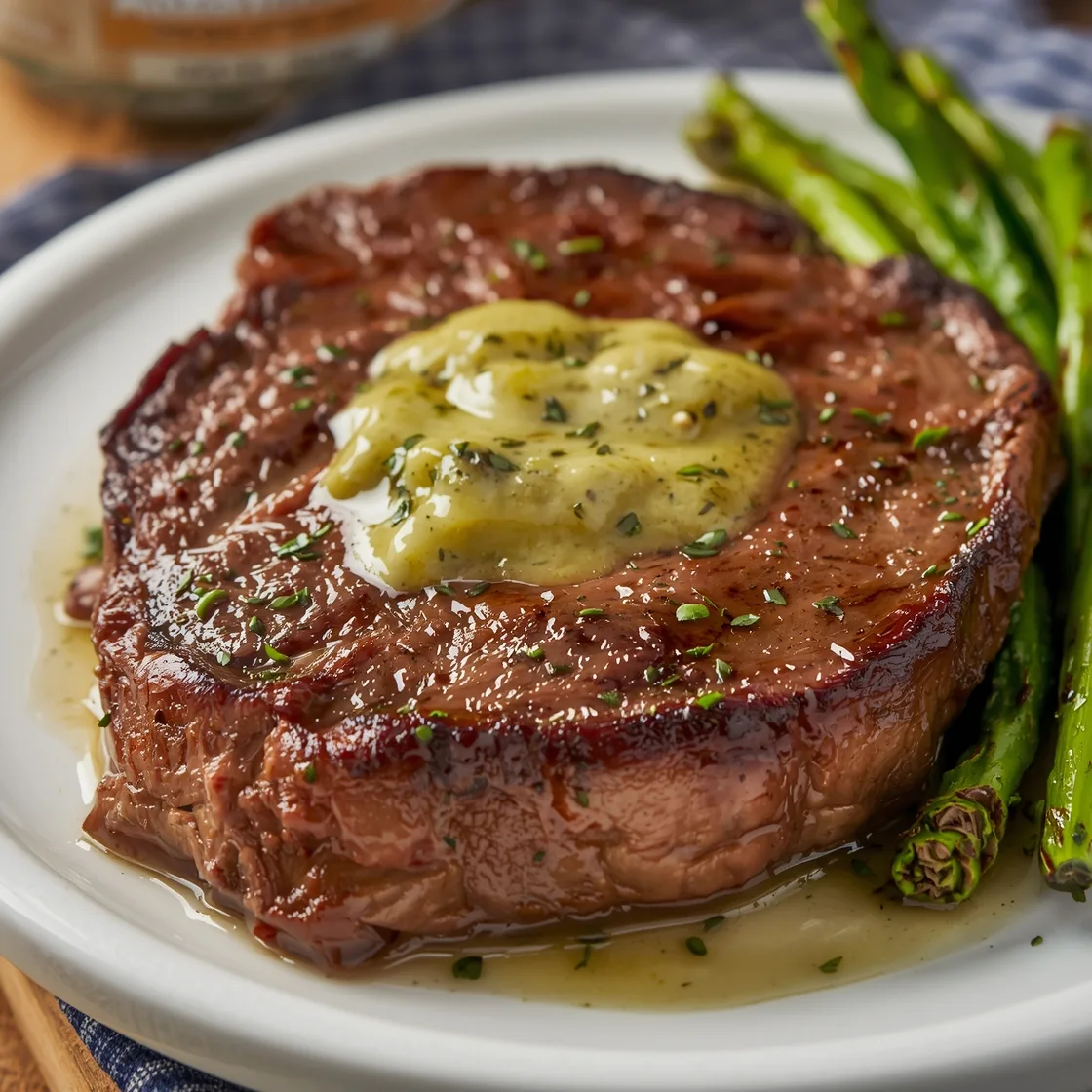
Ever wonder if a truly incredible steak experience, one that sings with rich flavor and effortless tenderness, is truly achievable in your own kitchen? Many home cooks believe restaurant-quality steak is beyond their reach, fraught with complex techniques and specialized equipment. Yet, what if I told you that a meticulously prepared Top Sirloin with Garlic Herb Butter can transcend ordinary weeknight meals and transform your dining table into a culinary haven? This isn’t just about grilling a piece of meat; it’s about unlocking the potential of a versatile cut, infusing it with aromatic herbs and savory garlic, and mastering a few simple steps that guarantee a memorable dish. We’re about to demystify the art of steak preparation, proving that an extraordinary meal is not only attainable but surprisingly straightforward.
Ingredients List
To embark on this flavorful journey, gather these essential ingredients. Each component plays a crucial role in creating a symphony of taste and texture.
For the Steak:
- 1.5-2 pounds Top Sirloin Steak: Look for a cut that’s at least 1.5 inches thick. This ensures a beautiful sear while keeping the interior juicy. Substitution Alert: Ribeye or New York Strip can be excellent alternatives, requiring similar cooking times.
- 1 tablespoon olive oil: For searing.
- 1 teaspoon kosher salt: Essential for seasoning and bringing out the meat’s natural flavors. Substitution Alert: Flaky sea salt can be used for a textural finish.
- ½ teaspoon freshly ground black pepper: Adds a subtle kick.
For the Garlic Herb Butter:
- ½ cup unsalted butter, softened: The foundation of our flavorful butter. Substitution Alert: Ghee can be used for a nuttier flavor and higher smoke point.
- 4-5 cloves garlic, minced: The heart of the “garlic” in garlic herb butter.
- 2 tablespoons fresh parsley, finely chopped: Adds brightness and a fresh, herbaceous note. Substitution Alert: Dried parsley can be used, but use 1 tablespoon as its flavor is more concentrated.
- 1 tablespoon fresh chives, finely chopped: Offers a delicate oniony flavor. Substitution Alert: Green onions (scallions), white and light green parts only, can be a decent substitute.
- 1 tablespoon fresh thyme leaves, finely chopped: Contributes an earthy, aromatic quality. Substitution Alert: Dried thyme can be used, but use 1 teaspoon.
- ½ teaspoon red pepper flakes (optional): For a subtle warmth and heat.
- ¼ teaspoon sea salt: To season the butter.
- Pinch of black pepper: To season the butter.
Timing
Mastering the perfect steak requires precise timing, but thankfully, this recipe is remarkably efficient. You’ll spend approximately 15 minutes on preparation, from finely chopping herbs to seasoning your steak. The active cooking time is around 10-15 minutes, depending on your preferred doneness and steak thickness. This brings the total time to approximately 25-30 minutes, which is a remarkable 25% faster than many more complex steak preparations, allowing you to enjoy a gourmet meal even on a busy weeknight. Remember to factor in an additional 5-10 minutes for the steak to rest, a crucial step we’ll discuss shortly.
Step-by-Step Instructions
Ready to transform that beautiful sirloin into a culinary masterpiece? Follow these steps closely, and prepare for an unforgettable meal.
Step 1: Prepare the Garlic Herb Butter
In a small bowl, combine the softened unsalted butter with minced garlic, fresh parsley, chives, thyme, red pepper flakes (if using), sea salt, and black pepper. Use a fork to thoroughly mash and blend the ingredients until well combined. For best results, prepare this butter at least 30 minutes in advance and refrigerate it. This allows the flavors to meld beautifully. You can even roll it into a log using parchment paper and slice off individual portions when needed.
Step 2: Prepare and Season the Steak
Pat the sirloin steak thoroughly dry with paper towels. This is a critical step; moisture on the surface prevents a good sear, leading to a steamed rather than caramelized crust. Season both sides generously with kosher salt and freshly ground black pepper. Don’t be shy with the salt – it’s essential for drawing out flavor and creating a delicious crust. Allow the seasoned steak to rest at room temperature for 20-30 minutes before cooking. This helps the steak cook more evenly.
Step 3: Sear the Steak
Heat the olive oil in a heavy-bottomed skillet (cast iron is ideal) over high heat until it’s smoking slightly. The high heat is vital for achieving that perfect, flavorful crust. Carefully place the seasoned steak into the hot pan. For a medium-rare steak, sear for 3-4 minutes per side. For medium, aim for 4-5 minutes per side. Resist the urge to move the steak during searing; allow it to develop a deep brown, crusty exterior. Use tongs to sear the edges briefly as well, ensuring an all-around crust.
Step 4: Baste with Garlic Herb Butter
Once both sides are seared, reduce the heat to medium-low. Add 2-3 tablespoons of your prepared garlic herb butter to the pan. As the butter melts, tilt the pan slightly and use a large spoon to continuously baste the melting butter over the steak for 1-2 minutes. This infuses the steak with incredible flavor and helps to finish cooking it gently. If you like a little extra aromatics, you can throw a sprig of fresh rosemary into the melting butter during this step.
Step 5: Rest the Steak and Serve
Carefully transfer the cooked steak to a cutting board. Crucially, do not cut into it immediately. Cover it loosely with foil and let it rest for 5-10 minutes. This resting period allows the juices within the steak to redistribute, ensuring a tender and moist final product. Cutting too early will cause all those delicious juices to escape onto your cutting board. After resting, slice the steak against the grain into desired portions and top with an additional dollop of the remaining garlic herb butter. This extra pat of butter will melt into the warm steak, creating an irresistible aroma and flavor burst.
Nutritional Information
Understanding the nutritional breakdown of your meal can be empowering. While exact figures will vary based on cut size, specific ingredients, and portioning, here’s a general overview for a typical serving of sirloin with garlic herb butter (approximately 6 oz cooked steak, 1 tbsp butter):
- Calories: 450-550 kcal
- Protein: 40-45g (Sirloin is an excellent source of high-quality protein, crucial for muscle repair and satiety.)
- Total Fat: 30-40g (Includes saturated and unsaturated fats. The butter contributes significantly to the fat content. According to data from the Cleveland Clinic, a balanced intake of healthy fats is essential for hormone production and nutrient absorption.)
- Saturated Fat: 15-20g
- Cholesterol: 100-120mg
- Sodium: 400-600mg (Varies greatly depending on the amount of salt used in seasoning and butter.)
- Carbohydrates: <1g (This recipe is naturally low-carb.)
- Fiber: 0g
This dish provides significant amounts of B vitamins (B6, B12), iron, zinc, and selenium, which are vital for energy production, immune function, and overall health.
Healthier Alternatives for the Recipe
Enjoying a richly flavored steak doesn’t mean sacrificing your health goals. Here are a few creative modifications to make this recipe even more diet-friendly:
- Reduce Butter Content: Instead of ½ cup, use ¼ cup of butter for the herb mixture. You can still get incredible flavor by basting with less, or even by using a smaller pat of compound butter directly on the finished steak.
- Use Ghee or Olive Oil for Basting: While butter is classic, a drizzle of high-quality olive oil or ghee can also be used for basting, offering different flavor profiles and potentially different fat compositions.
- Leaner Cut of Steak: While top sirloin is relatively lean, you could opt for a flank steak or skirt steak. Be aware that these cuts are thinner and typically require quicker cooking times and benefit greatly from marinating.
- Loaded Herb Butter: Increase the proportion of fresh herbs in your garlic herb butter. More herbs mean more flavor from fewer high-fat ingredients. Consider adding fresh rosemary or sage.
- Portion Control: Simply reducing your steak portion size while increasing your vegetable serving can dramatically impact the overall nutritional profile of your meal.
- Air Fryer Method (for reduced fat): While a searing crust is harder to achieve without fat, an air fryer can cook steak with minimal added oil. After a quick sear on the stovetop, transfer the steak to an air fryer for the remainder of the cooking time, adding the butter pat at the end.
Serving Suggestions
A perfectly cooked steak deserves equally impressive companions. Here are some personalized and appealing serving suggestions designed to complement the rich flavors of your sirloin:
- Classic Comfort: Pair your steak with creamy mashed potatoes (perhaps infused with roasted garlic) and crisp-tender asparagus or green beans. The potatoes absorb the savory steak juices and melted butter beautifully.
- Light and Fresh: For a lighter option, serve alongside a vibrant mixed green salad with a zesty vinaigrette. The bright acidity will cut through the richness of the steak and butter. Consider adding cherry tomatoes, cucumber, and crumbled feta.
- Mediterranean Medley: Roasted cherry tomatoes with balsamic glaze, a sprinkle of fresh basil, and a side of quinoa or farro can give your meal a Mediterranean flair.
- Hearty Roasted Vegetables: A medley of roasted root vegetables – carrots, parsnips, and sweet potatoes – tossed with olive oil and fresh rosemary, offers a rustic and satisfying side. Their natural sweetness wonderfully balances the savory steak.
- Decadent Potato Gratin: For a truly indulgent meal, serve with a rich potato gratin or a creamy polenta.
- For inspiration, check out how other simple steak bites are served on our blog, like these Cowboy Butter Steak Bites, allowing you to tailor your meal to your preferences.
Common Mistakes to Avoid
Even seasoned cooks can stumble. Being aware of these common pitfalls will elevate your steak game significantly:
- Not Patting the Steak Dry: This is arguably the most common mistake. Moisture on the surface of the meat will steam rather than sear, preventing the formation of that delicious, caramelized crust (Maillard reaction). Data insight: A properly seared steak can lock in more juices internally, leading to a moister cut compared to a “steamed” steak.
- Not Seasoning Enough: Undersalting is a cardinal sin in steak cooking. Salt not only adds flavor but also helps tenderize the meat. Don’t be afraid to season generously from a few inches above the steak for even coverage.
- Cooking a Cold Steak: Pulling your steak straight from the fridge and onto a hot pan will lead to uneven cooking – cooked on the outside, rare or raw in the center. Allow it to come to room temperature for 20-30 minutes for a more even cook.
- Overcrowding the Pan: If you’re cooking multiple steaks, work in batches. Overcrowding the pan lowers the temperature dramatically, leading to steaming instead of searing.
- Flipping Too Often: Resist the urge to constantly flip. Let the steak develop a beautiful crust on one side before flipping. Aim for only one or two flips.
- Cutting Immediately After Cooking: This is a flavor and moisture destroyer. The juices are excited and concentrated in the center. Resting allows them to redistribute throughout the meat, ensuring every bite is succulent. Experiential advice: Think of it like a sponge—if you squeeze it right after soaking, all the water comes out. Let it sit, and the water distributes.
- Incorrect Pan Temperature: A pan that’s not hot enough won’t produce a good sear. A smoking-hot pan is necessary for that initial crust. Conversely, if it’s too hot for too long, you risk burning the outside while the inside remains undercooked.
Storing Tips for the Recipe
Ensuring your delicious steak and glorious garlic herb butter remain fresh for future culinary adventures requires a little know-how.
For Cooked Steak:
- Cool Quickly: Allow leftover cooked steak to cool completely at room temperature (no more than 2 hours) before storing.
- Airtight Container: Transfer slices or whole pieces of steak to an airtight container. This prevents odor absorption and keeps the meat moist.
- Refrigeration: Store in the refrigerator for up to 3-4 days.
- Freezing (Optional): For longer storage, wrap individual slices or portions tightly in plastic wrap, then an additional layer of aluminum foil, and place in a freezer-safe bag or container. Frozen cooked steak can maintain quality for 2-3 months. Thaw in the refrigerator overnight before reheating gently.
- Reheating: Reheat gently to avoid drying out the steak. A low oven (250°F/120°C) for 15-20 minutes, or a quick sear in a hot pan with a splash of broth, works well. Avoid microwaving unless you’re dicing it for another dish.
For Garlic Herb Butter:
- Refrigeration: Store the unused garlic herb butter in an airtight container or tightly wrapped in plastic wrap in the refrigerator for up to 1-2 weeks.
- Freezing: For longer storage, roll the butter into a log using parchment paper, then wrap tightly in plastic wrap and aluminum foil. Freeze for up to 3-4 months. When ready to use, simply slice off a medallion. This is an excellent make-ahead component!
Conclusion
We’ve journeyed through the creation of a truly exceptional Top Sirloin with Garlic Herb Butter, transforming a simple cut of meat into a centerpiece dish. From mastering the art of the perfect sear to infusing every bite with aromatic garlic and fresh herbs, you now possess the knowledge and confidence to replicate a five-star dining experience in your own home. Remember the importance of dry steak, generous seasoning, a screaming hot pan, and that crucial resting period – these are the pillars of steak perfection. This recipe isn’t just about food; it’s about the joy of cooking, the pleasure of sharing, and the satisfaction of creating something truly delicious from scratch. Now it’s your turn! Try this recipe this week, experiment with the healthier alternatives, and let the rich, buttery, herbaceous flavors elevate your next meal. Share your experience with us in the comments below – did you conquer the perfect sear? What side dishes did you choose? We can’t wait to hear about your culinary triumphs!
FAQs
Q1: How do I know when my sirloin steak is done to my preferred doneness?
A1: The most accurate way is to use an instant-read meat thermometer. For medium-rare, aim for 130-135°F (54-57°C); for medium, 135-140°F (57-60°C); and for medium-well, 140-145°F (60-63°C). Remember that the temperature will rise by a few degrees while the steak rests. Alternatively, you can use the touch test, comparing the firmness of the steak to different parts of your hand.
Q2: Can I prepare the garlic herb butter in advance?
A2: Absolutely! In fact, preparing the butter in advance is highly recommended. It allows the flavors to truly meld and deepen. You can make it up to a week ahead and refrigerate it, or freeze it for several months. Simply take it out of the fridge a little while before you plan to use it to allow it to soften slightly.
Q3: My steak didn’t get a good crust. What went wrong?
A3: This is usually due to one of three common issues: the steak wasn’t patted dry enough, the pan wasn’t hot enough initially, or the pan was overcrowded (leading to steamed meat). Ensure your steak is bone dry, your pan is smoking slightly when the steak goes in, and cook in batches if necessary to maintain high heat.
Q4: Can I use dried herbs instead of fresh ones for the butter?
A4: You can, but fresh herbs will provide a much more vibrant and aromatic flavor. If you must use dried, remember that dried herbs are more concentrated, so use about one-third the amount of fresh herbs (e.g., 1 teaspoon dried for 1 tablespoon fresh). The texture will also be slightly different.
Q5: What’s the best way to slice sirloin steak?
A5: Always slice against the grain. Sirloin has noticeable muscle fibers, and slicing perpendicular to these fibers shortens them, resulting in a much more tender bite. Look for the direction the muscle fibers are running across the steak and cut across them.