
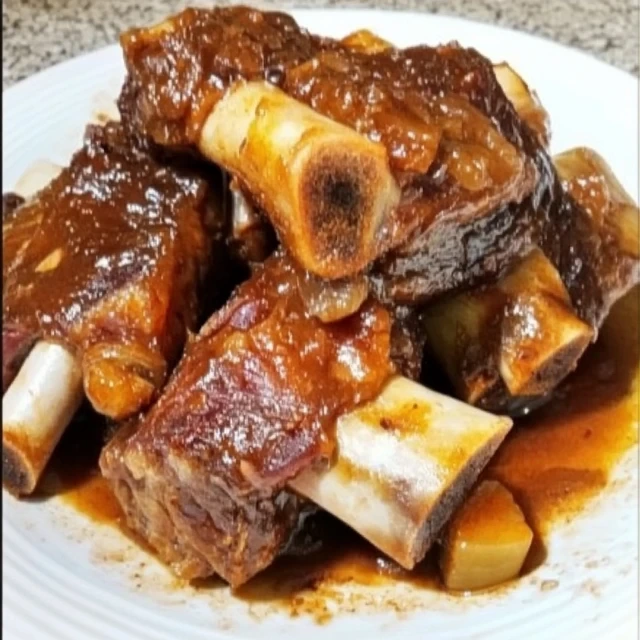
There is something truly special about perfectly cooked beef back ribs recipe. The tender, fall-off-the-bone meat, infused with smoky, savory flavors, is a delight for the senses. Whether you are planning a cozy dinner for two or just want to indulge in a rich, hearty meal, this recipe for beef back ribs is the perfect choice. Growing up in a family that cherished Sunday barbecues, I remember my grandmother slowly simmering beef back ribs to perfection, basting them with her homemade sauce that was a well-kept secret. Today, I’m excited to share with you a recipe inspired by those wonderful memories, but with a touch of modern technique that guarantees tenderness and incredible flavor every single time.
Ingredients For Beef Back Ribs Recipe
- 1 rack of beef back ribs (about 1.5–2 pounds)
- Salt and freshly ground black pepper
- 1 tablespoon smoked paprika
- 1 teaspoon garlic powder
- 1 teaspoon onion powder
- 1 teaspoon chili powder
- 1 tablespoon brown sugar
- 2 tablespoons olive oil
- 1 cup beef broth
- 1 cup barbecue sauce (homemade or store-bought)
- 2 tablespoons apple cider vinegar
- 2 cloves garlic, minced
- Fresh thyme for garnish
Instructions For Beef Back Ribs Recipe
Step 1: Prepare the Ribs
To begin, preheat your oven to 300°F (150°C). Beef back ribs are known for their rich, beefy flavor, but achieving the perfect tenderness requires the right preparation. Start by patting the ribs dry with a paper towel to remove any excess moisture. This step helps the seasoning stick better and ensures a good sear. Next, remove the thin membrane on the back of the ribs. This membrane, if left on, can make the ribs tough and chewy. Use a sharp knife to lift a corner of the membrane, then grip it with a paper towel and peel it away. This simple step makes a huge difference in the final texture.
Step 2: Season the Ribs
In a small bowl, mix together the smoked paprika, garlic powder, onion powder, chili powder, brown sugar, salt, and freshly ground black pepper. Drizzle the olive oil over the ribs, rubbing it evenly across the surface. This not only adds flavor but also helps the spice mix adhere to the meat. Now, generously coat the ribs with the spice mixture, pressing it into the meat to ensure it sticks well. The combination of brown sugar and smoked paprika gives the ribs a deep, caramelized crust while the chili powder adds just a touch of heat.
Step 3: Sear the Ribs
For a beautiful, rich crust, sear the seasoned ribs before slow-cooking. Heat a heavy-bottomed skillet or cast-iron pan over medium-high heat. When hot, place the ribs in the pan, meat side down, and sear for about 2–3 minutes on each side until browned. This step is crucial because it locks in the juices and enhances the flavor through the Maillard reaction, which creates that mouth-watering golden crust.
Step 4: Braise the Ribs
Once seared, transfer the ribs to a baking dish. In the same skillet, add the beef broth, barbecue sauce, apple cider vinegar, and minced garlic. Stir well, scraping up any browned bits from the bottom of the pan—those bits are pure flavor. Bring the mixture to a simmer, then pour it over the ribs in the baking dish. Cover tightly with aluminum foil to trap the steam, which will help tenderize the meat as it cooks slowly. Place the dish in your preheated oven and braise for 2.5 to 3 hours. The low-and-slow cooking method is essential for breaking down the connective tissue, resulting in tender, juicy meat that falls off the bone.
Step 5: Finish and Serve
After braising, remove the foil and increase the oven temperature to 400°F (200°C). Brush the ribs with additional barbecue sauce and return to the oven for 15 minutes. This final step allows the sauce to caramelize, creating a sticky, flavorful glaze. For an extra smoky touch, you can finish them off on the grill for about 5 minutes per side. Once done, let the ribs rest for 10 minutes before slicing. This resting period allows the juices to redistribute throughout the meat, ensuring every bite is as juicy as possible.
Step 6: Garnish and Serve
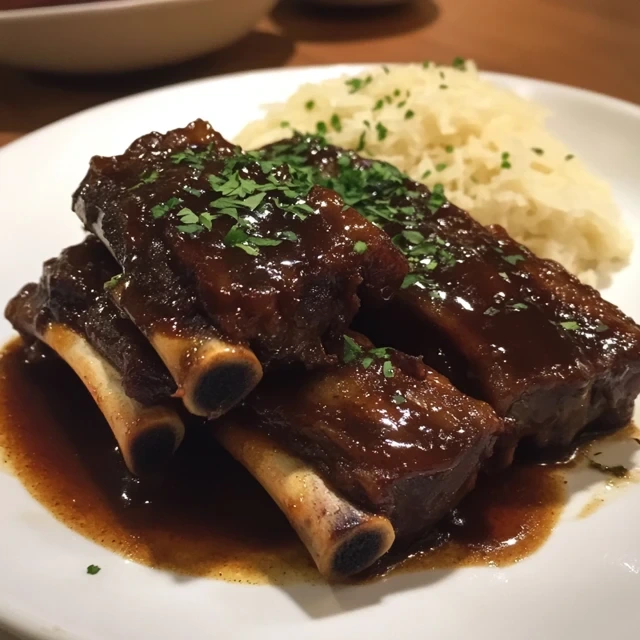
When ready to serve, sprinkle freshly chopped thyme over the top for a burst of herbal freshness. Serve the beef back ribs alongside roasted vegetables, mashed potatoes, or a crisp green salad. The rich, smoky flavor pairs beautifully with a full-bodied red wine or a classic amber ale. For those who love a bit of contrast, a side of coleslaw adds the perfect crunch and tanginess to complement the tender ribs.
Cooking Tips for Perfect Beef Back Ribs
- Low and Slow is Key: Cooking beef back ribs at a low temperature for an extended period allows the tough connective tissue to break down, resulting in meat that is incredibly tender. Patience truly pays off with this cut of meat.
- Choose the Right Barbecue Sauce: Not all barbecue sauces are created equal. For best results, opt for a high-quality sauce with a good balance of sweetness and acidity. If you are feeling adventurous, making your own sauce allows you to control the flavors and achieve a perfect match for your taste preferences.
- Finish with High Heat: The final 15 minutes at high heat are crucial. This step thickens the glaze and gives the ribs a delightful, sticky coating that is simply irresistible.
- Use a Meat Thermometer: For perfect doneness, use a meat thermometer to check the internal temperature. Beef ribs are best at around 190°F (88°C) for that melt-in-your-mouth texture.
Nutritional Information (Per Serving)
- Calories: 520
- Protein: 45g
- Carbohydrates: 22g
- Fat: 28g
- Sodium: 740mg
- Sugars: 10g
For more expert tips on perfecting your beef ribs, you might find this comprehensive guide by Serious Eats helpful. They break down the science of cooking ribs to perfection. Additionally, if you are interested in mastering various braising techniques, The Kitchn’s step-by-step braising guide is an excellent resource that covers everything from meat to vegetables in stunning detail.
Cooking Tips for Perfect Beef Back Ribs Recipe
- Low and Slow is Key:
Cooking beef back ribs at a low temperature for an extended period allows the tough connective tissue to break down completely, resulting in meat that is incredibly tender. The longer cooking time is necessary to transform these ribs into a succulent masterpiece. While it might be tempting to rush the process, turning up the heat won’t produce the same results. True tenderness comes from patience, allowing the flavors to deepen and the meat to soften as it cooks gently in its own juices. This is where the magic happens; the collagen melts away, and the meat begins to pull back from the bones, signaling that it is done to perfection. - Choosing the Right Barbecue Sauce:
Not all barbecue sauces are created equal. The choice of sauce can dramatically impact the final flavor of your ribs. If you enjoy a bit of sweetness with your beef, opt for a honey-based or brown sugar-infused barbecue sauce. For a bolder, spicier flavor, consider a smoky chipotle sauce. Alternatively, you can make your own at home with just a few ingredients—ketchup, brown sugar, apple cider vinegar, and a splash of Worcestershire sauce simmered together until thick and glossy. Homemade sauces allow you to tailor the flavors to your liking and avoid unnecessary preservatives. If you want to dive deeper into perfecting barbecue sauces, Bon Appetit’s guide to barbecue sauces explores regional varieties and expert tips for crafting the perfect glaze. - Searing Before Braising:
This might seem like an optional step, but it’s absolutely crucial for building flavor. When you sear the ribs in a hot pan before braising, you’re not just browning the meat—you’re engaging in a chemical reaction called the Maillard reaction. This reaction creates complex flavors and a crust that locks in the juices. When you scrape up the browned bits from the pan to make your braising liquid, you’re capturing all that richness and infusing it back into the meat. It’s a simple step that adds depth and character to the final dish. - The Power of Apple Cider Vinegar:
Adding apple cider vinegar to the braising liquid is not just for taste—it also helps to tenderize the meat. The natural acidity of the vinegar breaks down the tougher fibers, allowing the meat to become melt-in-your-mouth tender. If you prefer a slightly less tangy flavor, you can swap it for red wine vinegar or even a splash of white wine for a more subtle finish. - Finish with High Heat:
The final 15 minutes at high heat are crucial. This step thickens the glaze and gives the ribs a delightful, sticky coating that is simply irresistible. It also caramelizes the sugars in the barbecue sauce, adding an extra layer of flavor and a beautiful mahogany finish. If you’re feeling adventurous, this is also the perfect time to brush on a bit of bourbon-infused glaze for a smoky, sweet finish that pairs wonderfully with the rich beef. - Use a Meat Thermometer:
For perfect doneness, always use a meat thermometer to check the internal temperature. Beef ribs are best at around 190°F (88°C) for that melt-in-your-mouth texture. Cooking them beyond this temperature allows the connective tissues to fully break down, ensuring every bite is as tender as the last. Unlike steak, where you might aim for a medium-rare, ribs benefit from a slow and complete breakdown of collagen, which only happens at higher internal temperatures.
Nutritional Information (Per Serving)
- Calories: 520
- Protein: 45g
- Carbohydrates: 22g
- Fat: 28g
- Sodium: 740mg
- Sugars: 10g
These nutritional values make beef back ribs recipe a substantial, hearty meal that is both satisfying and packed with protein. If you are looking to adjust this dish for a healthier version, consider trimming excess fat before cooking and using a lower-sugar barbecue sauce.
Pairing Suggestions
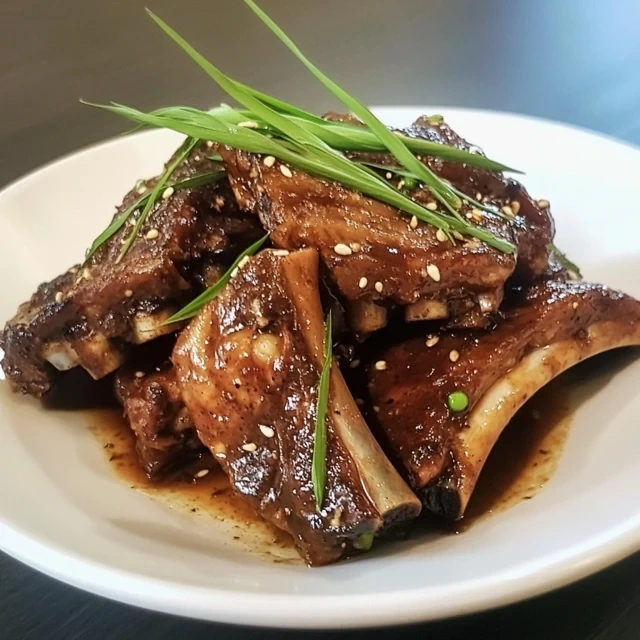
When it comes to serving these beautifully glazed beef back ribs, the right pairings can elevate the entire dining experience. For a classic approach, serve with buttery mashed potatoes and roasted green beans, which add a delightful contrast of texture and flavor. If you’re looking to keep things lighter, a crisp coleslaw provides the perfect tangy crunch to complement the rich meat. For a slightly more elevated meal, consider garlic-roasted Brussels sprouts or a creamy polenta infused with parmesan. The richness of the beef finds harmony in fresh, slightly acidic sides that cleanse the palate with each bite.
For drinks, nothing pairs quite like a full-bodied red wine such as a Cabernet Sauvignon or a smoky Syrah. If you prefer beer, a dark stout or amber ale beautifully balances the deep flavors of the beef. The slightly bitter notes of these beverages cut through the richness of the meat, enhancing each bite. For non-alcoholic options, consider an iced tea with lemon or a sparkling water with fresh lime—simple yet refreshing.
Conclusion
Beef back ribs are a testament to the art of slow cooking. Their rich flavor, combined with the right seasoning and cooking technique, transforms them into a truly memorable dish. Whether you’re enjoying them on a cozy night in or showcasing your culinary skills for guests, these ribs are sure to impress. The secret lies in the low and slow method, coupled with that final blast of heat to caramelize the sauce. Serve them with your favorite sides and enjoy the experience of perfectly tender beef back ribs recipe, just like my grandmother used to make, but with a touch of modern flair.
Print
Perfectly Tender Beef Back Ribs Recipe
Ingredients
-
1 rack beef back ribs (1.5–2 pounds)
-
Salt & black pepper
-
1 tbsp smoked paprika
-
1 tsp garlic powder
-
1 tsp onion powder
-
1 tsp chili powder
-
1 tbsp brown sugar
-
2 tbsp olive oil
-
1 cup beef broth
-
1 cup barbecue sauce
-
2 tbsp apple cider vinegar
-
2 cloves garlic, minced
-
Fresh thyme (for garnish)
Instructions
-
Prep the Ribs: Preheat oven to 300°F (150°C). Pat ribs dry and remove the membrane on the back.
-
Season: Mix paprika, garlic powder, onion powder, chili powder, brown sugar, salt, and pepper. Rub olive oil on ribs, then coat with the spice mix.
-
Sear: Heat a pan over medium-high and sear ribs 2-3 minutes on each side until browned.
-
Braise: Place ribs in a baking dish. Add beef broth, barbecue sauce, apple cider vinegar, and garlic to the pan. Simmer, then pour over ribs. Cover with foil and bake for 2.5-3 hours.
-
Finish: Increase oven to 400°F (200°C). Brush ribs with more barbecue sauce and bake for 15 minutes to caramelize. Optionally, grill for 5 minutes per side for extra smokiness.
-
Serve: Let ribs rest for 10 minutes. Garnish with thyme and serve with your choice of sides.