
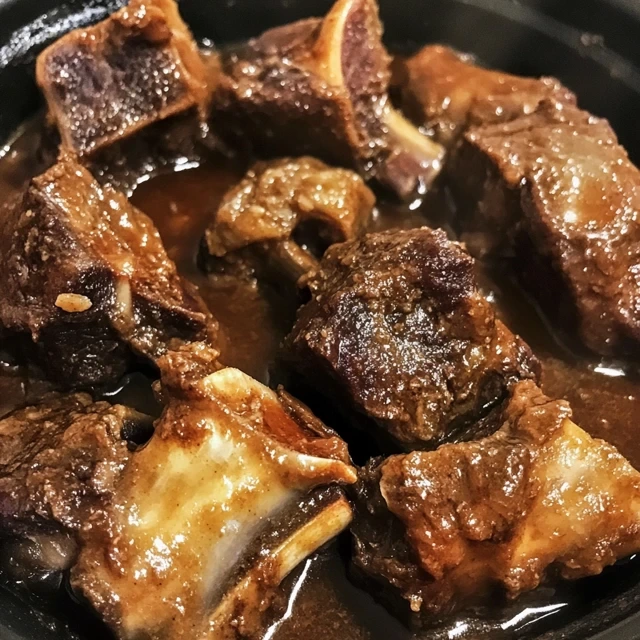
When it comes to comfort food that is both economical and deeply satisfying, beef neck bones are a hidden gem. Often overlooked in favor of more popular cuts, beef neck bones recipe offer a rich, meaty flavor that, when cooked properly, results in tender, fall-off-the-bone goodness. Growing up, I remember my grandmother simmering a pot of beef neck bones on the stove for hours, the aroma filling the kitchen with the promise of a hearty, delicious meal. The secret to perfect beef neck bones lies in slow cooking, allowing the connective tissue to break down and infuse the dish with deep, beefy flavors. This recipe is a homage to those comforting family meals, with a modern twist that makes it even more accessible and flavorful.
Beef neck bones are incredibly versatile. They can be used in soups, stews, or simply braised and served with sides of your choice. The bones add incredible richness to the broth, making it perfect for dipping crusty bread or serving over mashed potatoes. In this recipe, we will walk through the steps to create a dish that is not only mouth-wateringly tender but also packed with layers of flavor. With a bit of patience and the right ingredients, you can transform this humble cut into a masterpiece of comfort cooking.
Ingredients
- 3 lbs beef neck bones
- Salt and freshly ground black pepper
- 2 tablespoons olive oil
- 1 large onion, chopped
- 3 cloves garlic, minced
- 2 carrots, chopped
- 2 celery stalks, chopped
- 1 cup red wine (optional, for deeper flavor)
- 4 cups beef broth
- 1 can (14.5 oz) diced tomatoes
- 2 bay leaves
- 1 teaspoon dried thyme
- 1 teaspoon dried rosemary
- 1 teaspoon smoked paprika
- 1 tablespoon Worcestershire sauce
- Fresh parsley, for garnish
The beauty of this recipe lies in its simplicity. These ingredients are easily accessible, yet when combined and cooked slowly, they produce a dish that is both rich and complex. The addition of red wine enhances the depth of flavor, while the smoked paprika adds a touch of warmth and earthiness. If you are looking for a more robust flavor profile, you might consider adding a few sprigs of fresh thyme and rosemary during the cooking process.
Instructions
Step 1: Prepare the Beef Neck Bones
To begin, rinse the beef neck bones under cold water and pat them dry with paper towels. This step is important for removing any small bone fragments or debris. Once dry, season the neck bones generously with salt and freshly ground black pepper. In a large, heavy-bottomed pot or Dutch oven, heat the olive oil over medium-high heat. When the oil is hot, add the beef neck bones in batches, being careful not to overcrowd the pan. Sear them for about 3–4 minutes on each side until they are beautifully browned. This initial searing is crucial as it locks in the juices and adds a layer of rich, caramelized flavor to the dish.
The Maillard reaction that occurs during this browning process is what sets the foundation for deep, meaty flavors. As the beef neck bones sizzle in the pot, the surface develops a crust that enhances both taste and texture. Be patient during this step; the deeper the sear, the richer your final dish will be. Once seared, remove the beef neck bones from the pot and set them aside.
Step 2: Build the Flavor Base
In the same pot, add the chopped onions, carrots, and celery. Sauté the vegetables for about 5–7 minutes, or until they begin to soften and take on a bit of color. Add the minced garlic and cook for another minute, stirring frequently to avoid burning. The aromatic base of onion, carrot, celery, and garlic—often called a mirepoix—provides a wonderful foundation for stews and braises. These vegetables not only contribute flavor but also help to thicken the sauce as they break down during the cooking process.
If you opted for red wine, now is the time to add it. Pour the wine into the pot, using a wooden spoon to scrape up any browned bits from the bottom. This technique, known as deglazing, captures all the flavor developed during the searing process. Let the wine simmer for about 3–4 minutes until it has reduced by half. This step adds incredible depth and richness to the dish. If you prefer a non-alcoholic option, you can substitute with an equal amount of beef broth.
Step 3: Braise the Beef Neck Bones
With the vegetables softened and the pot deglazed, it’s time to return the beef neck bones to the pot. Add the beef broth, diced tomatoes (including their juices), bay leaves, dried thyme, dried rosemary, smoked paprika, and Worcestershire sauce. Stir to combine all the ingredients, ensuring that the beef neck bones are mostly submerged in the liquid. Bring the mixture to a simmer over medium heat.
Once it begins to bubble gently, reduce the heat to low and cover the pot with a tight-fitting lid. Allow the beef neck bones to braise slowly for about 2.5 to 3 hours. This long, slow cooking process is what transforms the meat into a tender, melt-in-your-mouth masterpiece. The connective tissues break down, enriching the broth with gelatin, which thickens the sauce and adds a luxurious mouthfeel. For an even richer flavor, consider using homemade beef broth—Serious Eats offers an excellent guide to making your own beef stock that enhances any dish. Stir occasionally and check to make sure the liquid level remains adequate. If it reduces too much, simply add a bit more beef broth or water to keep everything moist.
Step 4: Finish and Serve
After several hours of gentle simmering, the beef neck bones should be incredibly tender, with the meat practically falling off the bone. Remove the bay leaves and discard them. Taste the broth and adjust seasoning if necessary, adding more salt or pepper as desired. At this point, you can choose to serve the dish as is, with its rich broth and tender meat, or reduce the sauce for a thicker consistency. To do this, simply remove the lid and increase the heat slightly, allowing the liquid to simmer and thicken for about 10–15 minutes.
To serve, ladle the beef neck bones recipe and their broth into large bowls. Garnish with freshly chopped parsley for a touch of brightness. This dish pairs beautifully with creamy mashed potatoes, buttery polenta, or even over a bed of rice. For a lighter option, consider serving it alongside crusty bread and a green salad. If you are interested in mastering the art of pairing meats with perfect sides, The Kitchn’s guide to side dishes is full of inspiration and expert tips.
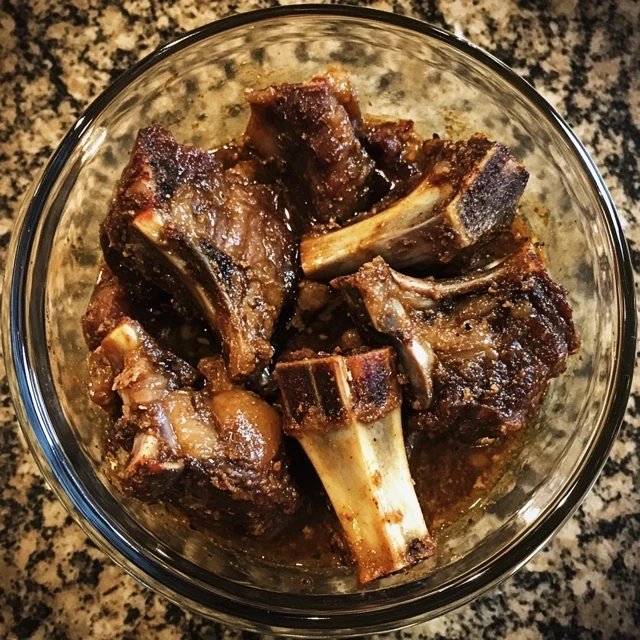
Cooking Tips for Perfect Beef Neck Bones Recipe
- Sear Thoroughly:
One of the most important steps in this recipe is the searing of the beef neck bones. This process, often rushed by many home cooks, is crucial for building deep, complex flavors. When the meat is seared in a hot pan, it undergoes the Maillard reaction, where proteins and sugars on the surface caramelize, creating that rich, brown crust. This crust not only locks in moisture but also enhances the flavor of the final dish. Make sure your pan is hot enough before adding the meat, and resist the urge to move the pieces around too soon. Let them develop a good sear before turning. - Low and Slow Cooking is Essential:
Beef neck bones are a cut that demands time and patience. They are full of connective tissue and collagen, which are tough when cooked quickly but transform into silky, tender meat when braised slowly. Cooking at a low temperature for a long period allows these tissues to break down properly, enriching the broth and tenderizing the meat. A rushed cook at a higher temperature will leave the meat chewy and tough. Plan for a good 2.5 to 3 hours of cooking time, and let the process work its magic. - Deglaze for Flavor:
After searing the meat, there are browned bits left at the bottom of the pot—these are pure flavor. When you add the wine or broth to the hot pan, you effectively deglaze it, lifting those flavorful bits into the sauce. This step not only prevents burning but also incorporates that caramelized flavor into the broth. If you want to take your cooking to the next level, consider deglazing with a splash of balsamic vinegar or even a bit of brandy for added complexity. - Check Liquid Levels During Braising:
Braising requires moisture to break down the connective tissue in the meat. If too much liquid evaporates during cooking, the meat can become dry and stringy. To avoid this, check the pot every hour and top it up with more broth or water if needed. The meat should always be at least partially submerged to maintain tenderness. - Finishing Touches Matter:
When the beef neck bones are finally tender, resist the temptation to serve them immediately. A quick finish under high heat in the oven for about 10 minutes can help caramelize the surface, adding an extra layer of flavor. Additionally, garnishing with fresh herbs like parsley or thyme not only adds color but also brightens the overall flavor of the dish, making it feel fresh and vibrant.
Nutritional Information (Per Serving)
- Calories: 480
- Protein: 38g
- Carbohydrates: 16g
- Fat: 25g
- Sodium: 600mg
- Sugars: 5g
This recipe is not just rich in flavor but also in nutrition. The beef neck bones recipe provide a generous amount of protein, while the slow-cooked broth becomes infused with vitamins and minerals from the marrow and bones. If you’re looking for a heartier meal, you can serve it with mashed potatoes or buttery polenta, both of which pair perfectly with the savory, robust flavors of the beef. For those seeking a lighter option, consider a side of steamed green beans or a fresh garden salad. The contrast of fresh, crisp vegetables with the deep, meaty flavors creates a well-rounded meal that is as satisfying as it is nutritious.

Serving Suggestions
Beef neck bones are best served in deep, wide bowls that can cradle both the meat and the rich broth. This allows you to scoop up the tender meat along with its deeply flavored sauce in every bite. A side of crusty bread is almost essential—it’s perfect for soaking up the savory broth that pools around the meat. If you want to elevate the dining experience, consider serving the dish with garlic mashed potatoes or a creamy polenta. Both sides absorb the rich flavors beautifully, complementing the tender beef with their smooth textures. For a bit of crunch, a side of roasted Brussels sprouts or caramelized carrots adds a sweet, earthy contrast.
When it comes to drink pairings, beef neck bones recipe shine alongside a bold red wine. A Cabernet Sauvignon or a Malbec, with their robust tannins and deep fruit flavors, complement the richness of the meat perfectly. For beer lovers, a dark stout or porter brings out the savory notes in the dish, enhancing the caramelized flavors. If you prefer non-alcoholic options, consider a glass of iced tea with lemon or sparkling water with a hint of lime to cut through the richness of the dish. These lighter drinks provide a refreshing contrast, making each bite even more enjoyable.
Storage and Leftovers
If you have leftovers (which is rare because it’s that delicious), store them in an airtight container in the refrigerator. The flavors continue to develop as it sits, making it even more flavorful the next day. Beef neck bones recipe can be stored for up to three days in the fridge. To reheat, simply simmer gently on the stove or microwave until heated through. Be sure to add a splash of water or broth to loosen the sauce if it has thickened too much during storage. You can also freeze the cooked beef neck bones for up to three months. When reheating from frozen, allow it to thaw overnight in the refrigerator before reheating.
Conclusion
Beef neck bones are truly one of the hidden gems in the world of cooking. Though often overlooked, their rich, meaty flavor and tender texture make them a perfect choice for hearty, comforting meals. With the right technique—slow braising in a well-seasoned broth—they transform from a humble cut into a dish that rivals even the most luxurious beef stews. The key lies in patience: allowing the meat to simmer gently, releasing its flavors and softening until it practically falls off the bone. Paired with crusty bread, mashed potatoes, or creamy polenta, beef neck bones are the ultimate comfort food that brings warmth and satisfaction to the table.
This recipe not only showcases the incredible flavor of beef neck bones recipe but also highlights the importance of proper technique—searing for depth of flavor, deglazing to capture every bit of richness, and slow braising to break down tough fibers. Whether you are preparing a cozy dinner for your family or experimenting with a new cut of meat, beef neck bones are a fantastic choice. They are affordable, full of flavor, and—when cooked right—unbelievably tender. The next time you find yourself at the butcher, don’t hesitate to pick up a few pounds of beef neck bones and transform them into a soul-warming dish that is sure to become a favorite.
Print
Hearty and Flavorful Beef Neck Bones Recipe
Ingredients
-
3 lbs beef neck bones
-
Salt & black pepper
-
2 tbsp olive oil
-
1 large onion, chopped
-
3 cloves garlic, minced
-
2 carrots, chopped
-
2 celery stalks, chopped
-
1 cup red wine (optional)
-
4 cups beef broth
-
1 can (14.5 oz) diced tomatoes
-
2 bay leaves
-
1 tsp dried thyme
-
1 tsp dried rosemary
-
1 tsp smoked paprika
-
1 tbsp Worcestershire sauce
-
Fresh parsley (for garnish)
Instructions
-
Sear the Beef Neck Bones: Season neck bones with salt and pepper. Heat olive oil in a large pot and sear the neck bones on all sides for 3-4 minutes each. Remove and set aside.
-
Sauté Vegetables: In the same pot, sauté onions, carrots, and celery for 5-7 minutes until softened. Add garlic and cook for another minute. If using wine, pour it in and simmer for 3-4 minutes to reduce by half.
-
Braise the Beef: Return neck bones to the pot. Add beef broth, tomatoes, bay leaves, thyme, rosemary, paprika, and Worcestershire sauce. Stir, then bring to a simmer. Reduce heat, cover, and cook for 2.5-3 hours until meat is tender.
-
Finish and Serve: Remove bay leaves. Taste and adjust seasoning. For a thicker sauce, remove the lid and simmer for 10-15 minutes. Serve with mashed potatoes, polenta, or rice, and garnish with parsley.