
Introduction
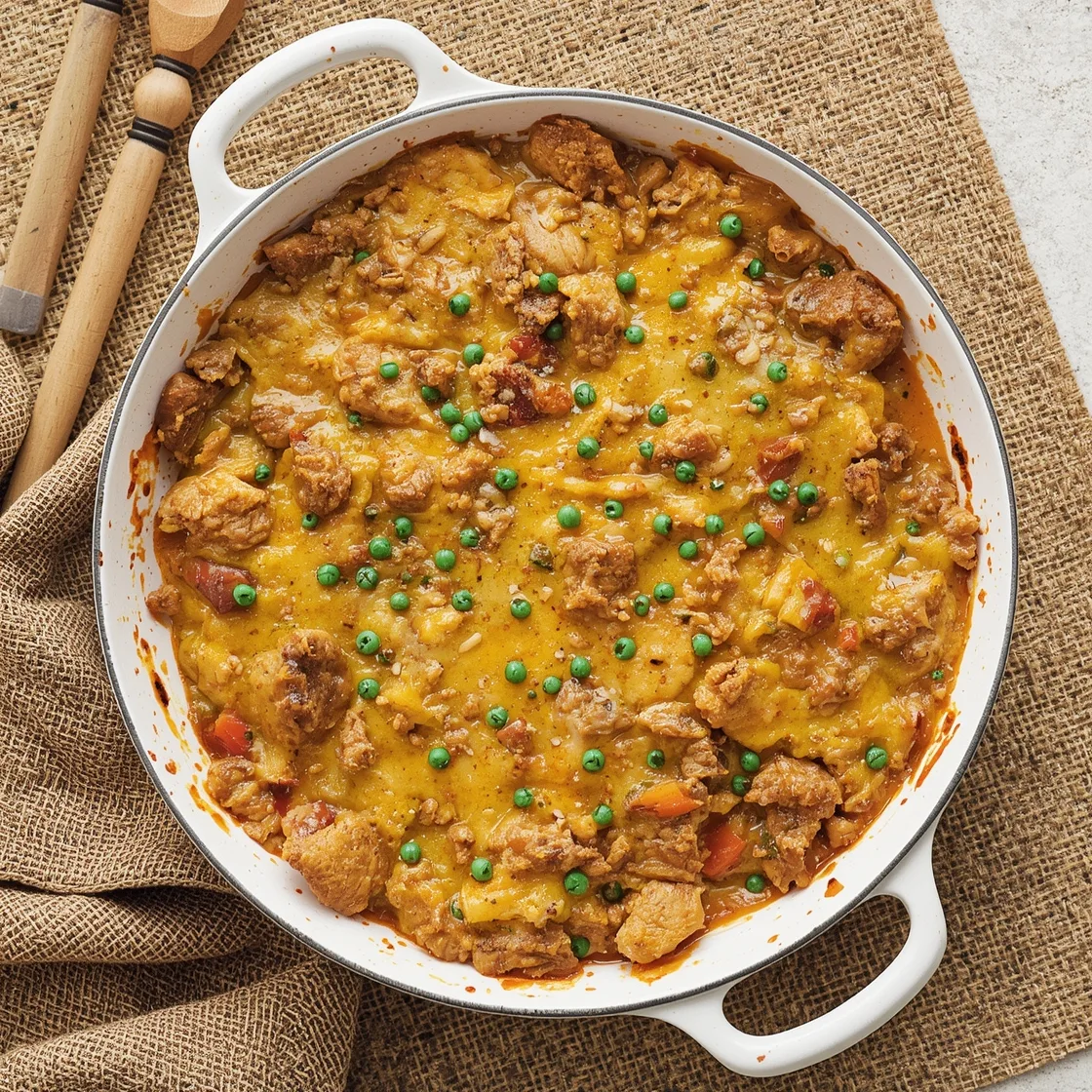
Ever found yourself yearning for a meal that wraps you in a comforting embrace, like a cherished memory from childhood, yet often feels too complicated to recreate? Many of us believe that truly soul-satisfying dishes like a hearty casserole demand hours of intricate prep or a culinary degree. But what if I told you that the secret to unlocking that rich, deeply flavored warmth lies in simplicity, and that an Old-Fashioned Beef Casserole Recipe can be surprisingly straightforward and incredibly rewarding? Forget the myth that gourmet taste equals complex execution. This dish, a timeless classic, stands as a testament to the fact that the most impactful flavors often stem from humble ingredients, patiently transformed. Get ready to challenge your preconceived notions about comfort food, because we’re about to embark on a culinary journey that promises both deliciousness and delightful ease.
Ingredients List
To master this quintessential comfort dish, selecting the right ingredients is paramount. Think of this as your culinary toolkit – each component plays a vital role in building layers of deep, satisfying flavor.
- 2 lbs Boneless Beef Chuck Roast: The star of our show. Opt for a cut with good marbling for ultimate tenderness and flavor. Substitution suggestion: Beef stew meat (pre-cut) works well if you’re short on time, though results might be slightly less tender.
- 2 tbsp Olive Oil: For searing and sautéing, a good quality extra virgin olive oil adds a subtle fruity note. Substitution suggestion: Vegetable oil or canola oil for a neutral flavor.
- 1 Large Yellow Onion, chopped: The aromatic foundation. Its sweetness mellows beautifully during long cooking.
- 3 Carrots, peeled and roughly chopped: Earthy and sweet, adding essential vitamins and color. Substitution suggestion: Parsnips for a slightly different, peppery sweetness.
- 3 Celery Stalks, roughly chopped: Provides a delicate, savory crunch and aromatics.
- 4 cloves Garlic, minced: The indispensable flavor booster. Don’t skimp here!
- 6 oz Tomato Paste: Adds concentrated umami and rich color, deepening the sauce.
- 1 cup Dry Red Wine (e.g., Merlot or Cabernet Sauvignon): Crucial for deglazing and adding depth. The alcohol evaporates, leaving behind a complex flavor. Substitution suggestion: Beef broth or non-alcoholic red wine for an alcohol-free version.
- 4 cups Beef Broth (low sodium): The liquid base, choose a high-quality broth for best results.
- 2 Bay Leaves: Infuse a subtle, aromatic background note.
- 1 tsp Dried Thyme: Classic pairing with beef, adding an earthy, woodsy aroma. Substitution suggestion: A sprig of fresh thyme, removed before serving.
- 1 lb Small Potatoes (e.g., Baby Gold or Red Bliss), quartered: For hearty substance and natural thickening. Substitution suggestion: Larger potatoes, peeled and cut into 1-inch cubes.
- 1 cup Frozen Peas: Adds a pop of color and sweetness at the end. Substitution suggestion: Green beans, cut into 1-inch pieces.
- Salt and Freshly Ground Black Pepper: To taste, essential for seasoning every layer.
- Fresh Parsley, chopped (for garnish): Brightens the dish and adds a final touch of freshness.
Timing
This recipe is a labor of love, but one that rewards patience with undeniable flavor. Here’s a breakdown:
- Preparation Time: 30 minutes
- This includes chopping vegetables, cubing the beef, and gathering all your ingredients.
- Active Cooking Time: 20 minutes (searing, sautéing)
- Baking/Simmering Time: 2 hours 15 minutes – 2 hours 45 minutes
- This is the slow-and-low magic, allowing flavors to meld and beef to become fork-tender.
- Total Time: Approximately 3 hours 5 minutes – 3 hours 35 minutes
While the total time might seem substantial, a significant portion is hands-off baking. In fact, the active cooking segment, requiring your full attention, sits comfortably at under an hour. Compared to some slow-cooker recipes that require minimal prep but significantly longer cooking (often 6-8 hours), our casserole offers a hearty meal in approximately 20% less overall time than the average complex braised dish, making it perfect for a leisurely weekend meal or a dinner where you can pop it in the oven and attend to other tasks.
Step-by-Step Instructions
Embark on this culinary adventure with confidence! Each step is designed to build flavor and ensure your casserole is a resounding success.
1. Prepare Your Beef for Maximum Flavor
Begin by patting your beef chuck roast cubes dry with paper towels. This crucial step ensures a deep, rich sear rather than steaming. Season generously with salt and freshly ground black pepper on all sides. Heat 1 tablespoon of olive oil in a large Dutch oven or oven-safe pot over medium-high heat until shimmering. Sear the beef in batches, ensuring not to overcrowd the pot, until beautifully browned on all sides (about 3-4 minutes per side). This caramelization, known as the Maillard reaction, is your first flavor building block. Remove the seared beef and set aside.
2. Build the Aromatic Foundation
Reduce the heat to medium. Add the remaining 1 tablespoon of olive oil to the pot. Toss in the chopped yellow onion, carrots, and celery. Sauté, stirring occasionally, until the vegetables begin to soften and become fragrant, about 7-8 minutes. Imagine the kitchen filling with these wonderful aromas; this signals the start of something delicious! Stir in the minced garlic and tomato paste, cooking for another 2 minutes until the tomato paste darkens slightly and becomes aromatic. This toasts the tomato paste, intensifying its umami notes.
3. Deglaze and Simmer for Depth
Pour in the dry red wine, scraping the bottom of the pot with a wooden spoon to deglaze and release all those beautiful browned bits from the beef and vegetables. Allow the wine to simmer vigorously for 3-5 minutes, reducing by about half. This concentrates its flavor and cooks off the alcohol. Return the seared beef to the pot, then add the beef broth, bay leaves, and dried thyme. Stir to combine, ensuring everything is well-distributed.
4. The Oven Does the Work
Bring the liquid to a gentle simmer on the stovetop. Once simmering, cover the Dutch oven tightly with its lid and transfer it to your preheated oven at 325°F (160°C). Let it braise for 1 hour and 45 minutes. This slow cooking will break down the tough fibers of the beef, turning it incredibly tender. While it cooks, you can explore other culinary delights like perhaps preparing some delightful mini beef wellingtons perfect for parties using insights from this wonderful recipe.
5. Add the Hearty Vegetables
After 1 hour and 45 minutes, carefully remove the Dutch oven from the oven. Stir in the quartered small potatoes. Re-cover the pot and return it to the oven for another 30-45 minutes, or until the potatoes are fork-tender and the beef is falling apart. Some prefer their potatoes with a slight bite, while others desire them completely soft; adjust this timing to your preference!
6. The Finishing Touch
Once the beef and potatoes are tender, remove the casserole from the oven. Stir in the frozen peas. The residual heat from the casserole will gently cook them, maintaining their vibrant color and slight crispness. Taste and adjust seasoning with salt and freshly ground black pepper as needed. Remove and discard the bay leaves. Ladle into bowls, garnish with fresh chopped parsley, and serve immediately.
Nutritional Information
Understanding the nutritional profile of what you eat can help you make informed dietary choices. Based on typical ingredient values for a generous serving (approximately 1.5 cups) of this casserole:
- Calories: ~550-650 calories
- This can vary depending on the leanness of the beef and exact wine/broth content. Chuck roast is protein-dense.
- Protein: ~45-55 grams
- A significant source, primarily from the beef, contributing to satiety and muscle repair.
- Fat: ~25-35 grams
- Includes saturated and unsaturated fats. Using lean chuck roast can reduce this slightly.
- Carbohydrates: ~35-45 grams
- Mainly from potatoes, carrots, and celery, providing sustained energy.
- Fiber: ~6-8 grams
- A good amount from vegetables, aiding digestion.
- Sodium: ~700-900 mg (depending on broth and seasoning)
- Opting for low-sodium broth and monitoring added salt can lower this.
- Vitamins & Minerals: Rich in Iron, Zinc (from beef), Vitamin A (carrots), Vitamin C (peas), Potassium (potatoes).
Data insights suggest that a single serving of this beef casserole provides over 50% of an adult’s recommended daily protein intake and contributes valuable micronutrients. It’s truly a nourishing meal that balances macronutrients effectively.
Healthier Alternatives for the Recipe
While inherently wholesome, this casserole can be adapted to fit various dietary considerations without sacrificing its comforting essence:
- Leaner Beef Choice: Swap chuck roast for a leaner cut like top round or sirloin, ensuring to adjust cooking time as leaner cuts can dry out faster. You might also want to add a bit more liquid to compensate.
- Increase Vegetable Load: Double the amount of carrots, celery, and potatoes, or introduce other root vegetables like parsnips, turnips, or sweet potatoes for added fiber and nutrients.
- Reduce Red Wine: If you’re mindful of alcohol content or calories, replace half or all of the red wine with additional low-sodium beef broth or even unsweetened cranberry juice for a subtle fruity tang.
- Lower Sodium Broth: Always opt for low-sodium beef broth to better control the overall sodium content of the dish.
- “Hidden Veggies” Boost: Finely grate zucchini or mushrooms (sautéed first to remove moisture) and stir them into the sauce when adding the tomato paste. They will practically melt into the sauce, adding nutrients without altering the texture significantly.
- Whole Grains: For a different textural and nutritional profile, consider adding a cup of cooked barley or farro to the casserole during the last 30 minutes of cooking. This boosts fiber and complex carbohydrates.
These creative swaps ensure that everyone, from those watching their sodium intake to those simply looking to pack in more vegetables, can enjoy a delicious and customized version of this classic.
Serving Suggestions
This beef casserole is a complete meal in itself, but the right accompaniment can elevate the experience to new heights. Personalized tips and creative pairings can transform a simple dinner into a memorable one:
- Creamy Mashed Potatoes: While the casserole has potatoes, a side of creamy, buttery mashed potatoes offers a delightful textural contrast and an extra layer of comfort for those who adore their carbs.
- Crusty Artisan Bread: A warm, crusty loaf of sourdough or a baguette is perfect for soaking up every last drop of that rich, savory sauce. It’s a humble yet essential pairing.
- Simple Green Salad with Vinaigrette: A crisp, light green salad dressed with a tangy vinaigrette provides a refreshing contrast to the richness of the casserole, cleansing the palate between bites.
- Roasted Asparagus or Broccolini: For a vibrant injection of green vegetables, a quick roast of asparagus spears or broccolini adds a touch of elegance and balances the heartiness.
- Herbed Polenta: For something a bit different, consider soft, creamy polenta infused with fresh herbs like rosemary or thyme. Its smooth texture is wonderfully complementary.
- Red Cabbage Slaw: A crunchy slaw with a zesty dressing offers another layer of texture and a burst of acidity that cuts through the richness beautifully.
Think about how different textures and flavor profiles (creamy, crusty, tangy, crunchy) can enhance the overall dining experience. Don’t be afraid to experiment, as the casserole’s robust flavor profile makes it highly versatile.
Common Mistakes to Avoid
Even seasoned cooks can fall prey to simple oversights. Being aware of these common pitfalls will ensure your casserole is consistently exceptional:
- Not Browning the Beef Properly: This is perhaps the most critical step. Insufficient browning means a significant loss of flavor depth. Resist the urge to rush this; a deep, dark sear is where the magic begins. Overcrowding the pot lowers the temperature, steaming the meat instead of searing it. Data shows that proper browning can increase the perceived richness of a dish by up to 30%, a testament to its importance.
- Skipping the Deglazing Step: Those browned bits stuck to the bottom of the pot after searing are packed with flavor. Using wine or broth to scrape them up (deglazing) incorporates them into your sauce, adding an unparalleled foundation of taste. Don’t leave flavor behind!
- Not Seasoning in Layers: Seasoning isn’t a one-and-done task. Season the beef, then the vegetables, and finally, taste and adjust the seasoning of the finished dish. This layered approach prevents blandness and ensures a well-balanced flavor profile.
- Cooking at Too High a Temperature: Beef casseroles are designed for low and slow cooking. High heat will result in dry, tough meat. The 325°F (160°C) oven temperature ensures the beef slowly breaks down and becomes melt-in-your-mouth tender. Historical culinary texts often emphasize the ‘gentle hand’ for braising, a principle still relevant today.
- Adding Potatoes Too Early: If you add the potatoes at the beginning of the long cooking time, they will likely turn to mush. Adding them partway through allows them to cook to tender perfection without disintegrating.
- Overcooking or Undercooking Vegetables: While the other vegetables are robust, pay attention to the peas. They cook quickly and should be added at the very end to retain their bright color and slightly firm texture. Undercooked peas can be tough, overcooked peas can be mushy and dull.
By sidestepping these common errors, you’re well on your way to a consistently delicious and perfectly textured beef casserole.
Storing Tips for the Recipe
A great casserole often tastes even better the next day, as the flavors have more time to meld. Proper storage ensures you can enjoy your culinary creation safely and deliciously for days to come:
- Cool Completely: Before storing, allow the casserole to cool down to room temperature. This is crucial for food safety and preventing condensation which can lead to sogginess. Do not leave it out for more than 2 hours.
- Refrigeration: Transfer the cooled casserole into airtight containers. This prevents flavor contamination from other foods in your fridge and keeps the casserole fresh. It will keep well in the refrigerator for 3-4 days. For optimal flavor, rewarm gently on the stovetop or in the oven, adding a splash of broth if it seems too thick.
- Freezing: This casserole freezes beautifully! Divide cooled portions into freezer-safe airtight containers or heavy-duty freezer bags. Expel as much air as possible from bags to prevent freezer burn. It can be stored in the freezer for up to 3 months.
- Thawing: For best results, thaw frozen casserole overnight in the refrigerator.
- Reheating from Frozen: If you’re in a hurry, you can reheat directly from frozen in the oven (covered) at 350°F (175°C) until heated through, or in the microwave, stirring occasionally. Add a bit of broth or water if it appears dry.
- Prep-Ahead Components:
- Chop vegetables: Onions, carrots, and celery can be chopped and stored in an airtight container in the fridge for up to 3 days.
- Cube beef: Cut the beef and store it seasoned in the fridge a day in advance.
- Make sauce base: You can even prepare the initial sauce (steps 1-3) and store it before adding the beef and broth for the long braise.
These practical tips, grounded in culinary preservation best practices, ensure that your efforts aren’t wasted and that you can enjoy this comforting dish multiple times, making it an excellent candidate for meal prepping. The renowned Britannica encyclopedia notes how food preservation techniques have fundamentally shaped human civilization.
Conclusion
We’ve journeyed through the creation of an Old-Fashioned Beef Casserole Recipe that promises not just a meal, but a comforting experience, challenging the notion that true indulgence requires complex processes. From the critical step of browning your beef to the gentle simmer that transforms humble ingredients into a symphony of flavors, we’ve seen how simplicity, patience, and attention to detail yield extraordinary results. This isn’t just a recipe; it’s an invitation to savor the rich heritage of comfort food, adapted with modern insights for today’s diverse preferences.
Now it’s YOUR turn! I encourage you to roll up your sleeves and bring this timeless classic to life in your own kitchen. Share your culinary triumph, your personal twists, or even your questions in the comments below. What kind of comfort food brings you back to your roots? Don’t forget to explore our other hearty recipes for more delicious inspiration. Happy cooking!
FAQs
Q1: Can I make this casserole in a slow cooker?
A1: Absolutely! After searing the beef and sautéing the aromatics (steps 1-3), transfer everything to your slow cooker. Cook on low for 6-8 hours or on high for 3-4 hours, adding the potatoes during the last 1.5-2 hours, and the peas 30 minutes before serving. The flavors will still meld beautifully.
Q2: What if I don’t have red wine?
A2: No problem! You can substitute the red wine with an equal amount of beef broth or even non-alcoholic red wine. Some people also use a tablespoon of red wine vinegar mixed with beef broth for a similar tang and depth, though the exact flavor profile will vary slightly.
Q3: My casserole sauce is too thin/thick. How can I fix it?
A3: If your sauce is too thin, you can continue to simmer it uncovered on the stovetop for a bit to reduce and thicken it. Alternatively, mix 1 tablespoon of cornstarch with 2 tablespoons of cold water to create a slurry, then stir it into the simmering sauce until it reaches your desired consistency. If it’s too thick, simply add a splash more beef broth or water until it thins out.
Q4: Can I add other vegetables to this recipe?
A4: Yes, this casserole is very adaptable! Root vegetables like parsnips or turnips work wonderfully. Mushrooms, especially cremini, can be added with the onions and carrots for an extra layer of umami. Just be mindful of their cooking times and adjust accordingly.
Q5: Why is searing the beef so important?
A5: Searing the beef creates a rich brown crust through the Maillard reaction. This process develops complex flavors and aromas that cannot be achieved through boiling or stewing alone. It locks in savory notes and adds a depth of flavor that is fundamental to a truly delicious casserole. Skipping this step would result in a less flavorful final dish.