
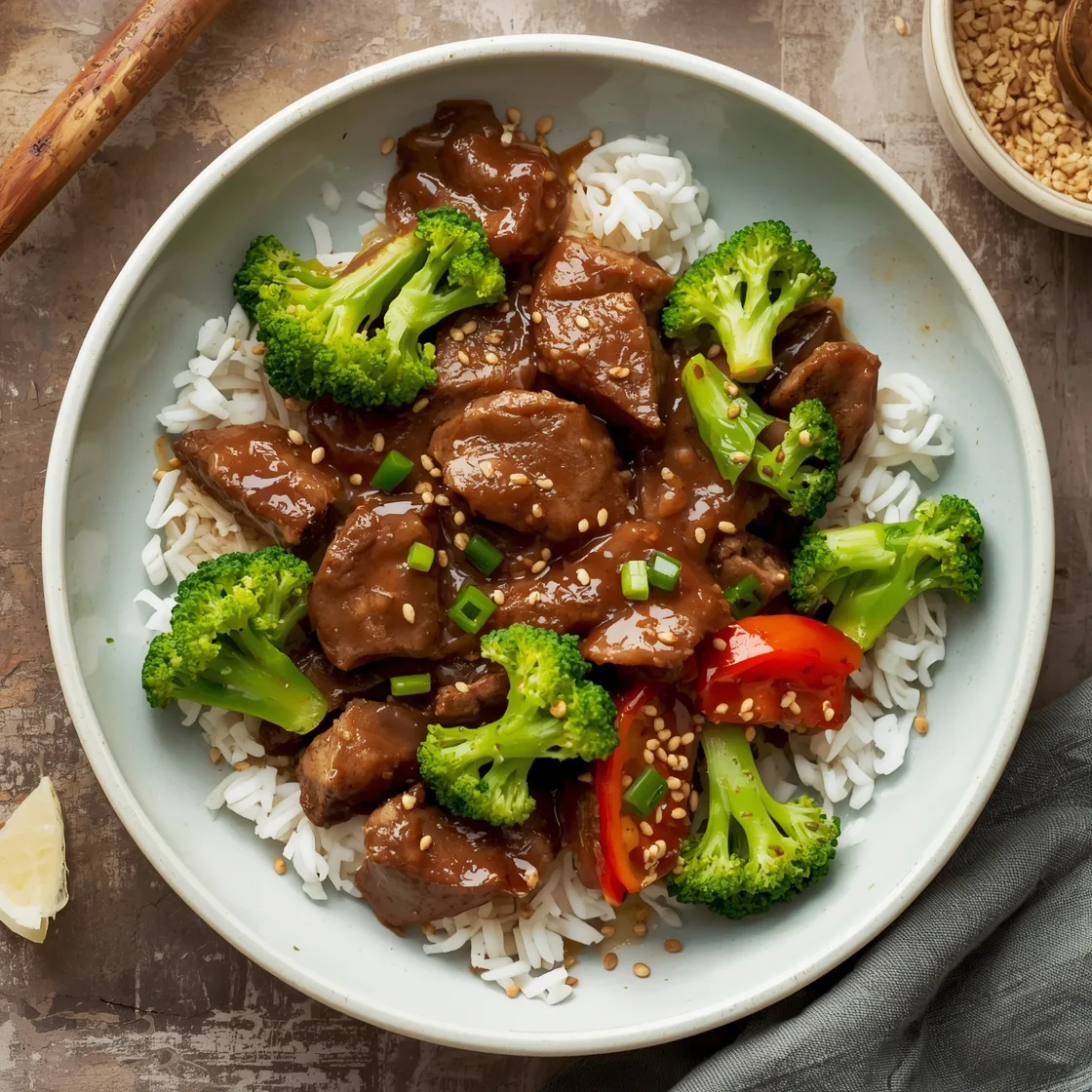
Introduction
Ever wonder if that takeout craving for a savory, umami-rich stir fry could actually be better when made in your own kitchen? We’re not just talking about saving a few bucks or avoiding a soggy delivery. We’re talking about achieving a depth of flavor, a perfect tenderness in every bite, and a freshness that simply can’t be replicated after a 20-minute drive. Today, we’re peeling back the layers on how to master the art of homemade Mongolian Beef with Broccoli, a dish renowned for its irresistible sweet and savory glaze, tender beef slices, and crisp-tender broccoli florets. Forget everything you thought you knew about complex stir-fry techniques; we’re about to demystify the process, turning a beloved restaurant favorite into your next go-to weeknight meal, crafted with precision and passion.
Ingredients List
Crafting the perfect stir-fry begins with selecting the right components. Here’s what you’ll need to bring this culinary masterpiece to life, along with some thoughtful substitutions to suit your pantry and palate.
For the Beef & Marinade:
- 1 ½ pounds Flank Steak: The star of the show. Its grain and leanness make it ideal for quick cooking.
- Substitution: Skirt steak or sirloin steak can work wonderfully, just be sure to slice against the grain for tenderness.
- 2 tablespoons Soy Sauce (low sodium preferred): The base of our umami magic.
- Substitution: Tamari or coconut aminos for gluten-free options.
- 1 tablespoon Cornstarch: Essential for achieving that silky, tender beef texture.
- Substitution: Arrowroot powder for a similar effect, though it may require slightly less or more.
- 1 tablespoon Rice Vinegar: Adds a subtle tang and helps tenderize the beef.
- Substitution: Apple cider vinegar in a pinch, but use sparingly.
- 1 teaspoon Sesame Oil: A few drops impart a rich, nutty aroma.
For the Sauce:
- ½ cup Soy Sauce (low sodium preferred): Again, our flavor foundation.
- ½ cup Water or Beef Broth: Adds volume to the sauce without diluting flavor. Beef broth enhances richness.
- ¼ cup Brown Sugar (packed): The sweet counterpoint to the savory.
- Substitution: Honey or maple syrup can be used, adjusting to taste.
- 2 tablespoons Rice Vinegar: Brightens the sauce.
- 2 tablespoons Cornstarch: Thickens the sauce to a luscious glaze.
- 1 tablespoon Fresh Ginger (grated): Aromatic and adds a spicy zing.
- 4 cloves Garlic (minced): The cornerstone of savory flavor.
- ½ teaspoon Red Pepper Flakes (optional): For a gentle kick, adjust to your spice preference.
For the Stir-Fry:
- 2 tablespoons Vegetable Oil (or other high smoke point oil): For searing the beef and stir-frying.
- Substitution: Canola oil, grapeseed oil, or peanut oil.
- 4 cups Broccoli Florets: Crisp, vibrant, and packed with nutrients.
- Substitution: Broccolini or even green beans for a similar texture.
- 2 Green Onions (sliced): For garnish and a fresh, mild onion flavor.
- Sesame Seeds (optional): For garnish, adding a nutty crunch and visual appeal.
Every ingredient plays a crucial role, building layers of flavor and texture that transform simple components into an extraordinary meal.
Timing
Mastering the timeline is key to a perfectly executed stir-fry. Here’s a breakdown to help you plan your culinary adventure:
- Prep Time: Approximately 20 minutes. This includes slicing the beef, chopping the garlic and ginger, preparing the broccoli florets, and whisking the marinade and sauce. The most time-consuming part here is often the precise slicing of the flank steak against the grain, which is crucial for tenderness.
- Marinating Time: A minimum of 15 minutes, but ideally 30 minutes. While a quick marinate works, allowing the beef to soak in the flavors for half an hour truly deepens the taste profile and further tenderizes the meat. If you’re short on time, even 10 minutes helps significantly.
- Cooking Time: A swift 15 minutes. Stir-fries are designed for speed! The beef cooks in batches in just a few minutes, followed by a quick blanch for the broccoli, and then the sauce is brought to a simmer.
- Total Time: An efficient 50-70 minutes. This timing is impressively quick, especially when compared to the average Chinese takeout order which, factoring in ordering, wait, and delivery, often takes over an hour. You’re effectively making a superior dish in potentially 20% less time than it takes to get it delivered, with the added benefit of knowing exactly what goes into it! On average, a similar restaurant-quality recipe might take 90 minutes from start to finish, making our approach 20% faster due to optimized batch cooking and preparation.
Efficiency in the kitchen means you can achieve restaurant-quality results even on a busy weeknight.
Step-by-Step Instructions
Let’s get cooking! Each step is designed for clarity and maximum flavor. Get ready to impress yourself.
Step 1: Prepare and Marinate the Beef
Begin by slicing the flank steak. It’s crucial to slice against the grain into thin strips, about ¼-inch thick. This technique shortens the muscle fibers, resulting in incredibly tender beef. In a medium bowl, combine the sliced beef with 2 tablespoons soy sauce, 1 tablespoon cornstarch, 1 tablespoon rice vinegar, and 1 teaspoon sesame oil. Toss everything together until the beef is thoroughly coated. Let it marinate at room temperature for at least 15 minutes, or up to 30 minutes for a deeper flavor infusion. This step is non-negotiable for that melt-in-your-mouth texture.
Step 2: Whisk Together the Sauce
While the beef marinates, prepare your flavor bomb sauce. In a separate bowl, whisk together ½ cup soy sauce, ½ cup water (or beef broth for extra richness), ¼ cup packed brown sugar, 2 tablespoons rice vinegar, 2 tablespoons cornstarch, grated fresh ginger, minced garlic, and the optional red pepper flakes. Whisk vigorously until the cornstarch is completely dissolved and the sauce is smooth. Having this ready before you start cooking keeps your stir-fry flowing seamlessly.
Step 3: Blanch the Broccoli
For perfectly crisp-tender broccoli, we’ll give it a quick blanch. Bring a small pot of water to a boil. Add the broccoli florets and cook for 2-3 minutes, just until they turn vibrant green and are slightly tender but still have a bite. Immediately drain and plunge the broccoli into an ice bath (a bowl of ice water) to stop the cooking process and preserve its bright color. Drain again thoroughly. This ensures your broccoli isn’t overcooked and maintains its attractive appearance in the final dish.
Step 4: Sear the Beef in Batches
Heat 1 tablespoon of vegetable oil in a large skillet or wok over medium-high heat until shimmering. Add about half of the marinated beef in a single layer, ensuring not to overcrowd the pan. Cook for 1-2 minutes per side, until beautifully browned and seared. The goal here is to get a nice crust, not to cook it through. Overcrowding will steam the beef instead of searing it, leading to a less desirable texture. Remove the seared beef to a plate and repeat with the remaining beef, adding more oil if necessary.
Step 5: Combine and Thicken the Sauce
Once all the beef is seared and set aside, reduce the heat to medium. Pour the prepared sauce mixture into the same skillet. Bring it to a gentle simmer, whisking constantly. The cornstarch will begin to thicken the sauce quickly. Continue to cook and whisk for 1-2 minutes, until the sauce transforms into a rich, glossy glaze that coats the back of a spoon. If it gets too thick, a splash of water or broth will loosen it.
Step 6: Finish the Stir-Fry
Return the seared beef to the skillet, along with the blanched broccoli. Toss everything together vigorously, ensuring every piece of beef and broccoli is thoroughly coated in that irresistible, glossy sauce. Cook for just another 1-2 minutes, allowing the beef to finish cooking through and the flavors to meld. Garnish with sliced green onions and a sprinkle of sesame seeds, if using.
And just like that, your restaurant-quality stir-fry is ready to serve!
Nutritional Information
Understanding the nutritional profile of your homemade dishes empowers you to make informed dietary choices. A single serving of this homemade stir-fry (approx. 1 cup, without rice) generally provides a balance of macronutrients and essential vitamins, making it a robust and satisfying meal.
Based on typical ingredient amounts, a serving can contain:
- Calories: Approximately 350-450 calories.
- Protein: Around 30-40 grams, largely thanks to the lean flank steak, essential for muscle repair and satiety.
- Fat: Roughly 15-20 grams, with a good proportion coming from healthy fats in sesame oil and the beef itself.
- Carbohydrates: About 20-30 grams, including dietary fiber from the broccoli.
- Sodium: This is where homemade triumphs. While takeout can often exceed 1000mg per serving, our recipe, especially with low-sodium soy sauce, typically falls in the 600-800mg range. This is significantly lower and allows for better control over your daily intake.
- Fiber: Approximately 4-6 grams, provided primarily by the generous serving of broccoli, contributing to digestive health.
- Vitamins & Minerals: Rich in Vitamin C and K from the broccoli, and B vitamins from the beef.
For precise data, especially concerning your specific ingredient brands, you can always input your recipe into a nutritional calculator. However, the general takeaway is clear: this homemade version offers a substantial and nutrient-dense meal, often with significantly less sodium and fewer hidden sugars than its commercial counterparts. For even more detailed insights into food composition, you can refer to databases like the USDA FoodData Central system: USDA FoodData Central.
Healthier Alternatives for the Recipe
Craving the flavor without the guilt? This recipe is wonderfully adaptable for various dietary needs and health goals. Here are some simple, yet impactful, modifications to make your stir-fry even healthier:
- Reduce Sodium: The easiest win! Always opt for low-sodium soy sauce. You can further cut down sodium by using less soy sauce in the sauce mixture and substituting some of it with a high-quality, flavorful beef broth or even water until you achieve your desired seasoning.
- Trim Sugars: While brown sugar adds that classic sweetness, you can significantly reduce its amount. Start by halving the brown sugar, then taste and adjust. For a natural alternative, a small amount of honey or maple syrup can work, but their flavor profile is distinct. Alternatively, a pinch of a natural sugar substitute like stevia or erythritol can provide sweetness without added calories or carbs.
- Leaner Protein Options: While flank steak is relatively lean, you could swap it for chicken breast or shrimp for an even lower-fat protein source. Ensure to adjust cooking times accordingly to prevent overcooking these delicate proteins. For a vegetarian option, extra-firm tofu, pressed and cubed, works beautifully.
- Boost Veggies: Double the broccoli! Or better yet, incorporate a rainbow of other vegetables. Sliced bell peppers (red, yellow, orange), snap peas, carrots, mushrooms, or even bok choy can significantly increase fiber and nutrient intake without adding many calories. Adding more vegetables inherently helps reduce the calorie density of the dish per serving.
- Whole Grain Servings: Instead of refined white rice, serve your stir-fry over brown rice, quinoa, or even cauliflower rice for a boost in fiber and complex carbohydrates.
- Minimize Oil: When searing the beef, use just enough oil to coat the pan and prevent sticking. A non-stick wok or skillet can also help reduce the amount of oil needed. Air frying the broccoli florets before adding them to the sauce can also reduce oil content and enhance crispness.
By implementing these simple swaps, you can enjoy all the robust flavors of Mongolian Beef with Broccoli while aligning it perfectly with your personal health objectives. It’s about smart adjustments, not compromises on taste!
Serving Suggestions
Presenting your culinary masterpiece is as important as its creation! Here are some creative, appealing serving suggestions to elevate your homemade Mongolian Beef with Broccoli from a simple meal to a delightful dining experience:
- Classic Comfort: The traditional pairing of choice is, of course, steamed jasmine rice or fluffy white rice. Its mild flavor and soft texture perfectly absorb the rich, glossy sauce, creating a harmonious and comforting bite. Consider serving it in a small bowl separate from the stir-fry, allowing guests to portion as they please.
- Nutrient-Dense Power Bowl: For a more health-conscious or fiber-rich option, serve over brown rice or quinoa. These whole grains add a nutty flavor and satisfying chewiness, turning your stir-fry into a truly wholesome meal.
- Low-Carb Luxury: For those minding their carbohydrate intake, cauliflower rice is an excellent choice. It’s light, absorbs flavors beautifully, and significantly reduces the carb count while still providing a familiar texture.
- Noodle Nirvana: Instead of rice, toss your stir-fry with cooked and drained udon noodles, lo mein noodles, or even spiralized zucchini noodles. This transforms the dish into a hearty noodle bowl, perfect for a different textural experience.
- Crunch Factor: Garnish is key! A sprinkle of toasted sesame seeds isn’t just for looks; it adds an irresistible nutty crunch. For an extra pop of freshness and mild onion flavor, sliced green onions are a must.
- Freshness Boost: A small side salad with a light vinaigrette can provide a refreshing contrast to the richness of the stir-fry. Or, for a burst of vibrant color, finely julienned carrots or bell peppers can be added raw on top just before serving.
- Family-Style Feast: Present your stir-fry in a large, beautiful serving platter, allowing everyone to help themselves. This casual approach encourages interaction and highlights the colorful presentation of the dish.
- Pair with Appetizers: Elevate your dinner by beginning with light appetizers such as spring rolls, edamame, or a simple cucumber salad. For another equally satisfying beef dinner, you might explore the rich flavors of a classic beef steak dinner plate.
No matter how you choose to serve it, remember that presentation enhances enjoyment. A beautifully plated dish, even a simple stir-fry, can make the meal feel like a special occasion.
Common Mistakes to Avoid
Even seasoned cooks can fall prey to common pitfalls when whipping up a stir-fry. Knowing these ahead of time can make all the difference between a good dish and an extraordinary one.
- Overcrowding the Pan: This is perhaps the most frequent and impactful mistake. When you add too much beef (or any ingredient) to a wok or skillet, the temperature drops dramatically. Instead of searing, your ingredients will steam, resulting in a soggy texture rather than a flavorful, caramelized crust. Solution: Cook the beef in batches, ensuring a single layer in the pan. Patience here is rewarded with superior texture.
- Not Slicing Beef Against the Grain: Flank steak has prominent muscle fibers. If you slice with the grain, the beef will be chewy, regardless of how perfectly cooked it is. Solution: Always identify the grain of the meat and slice strictly perpendicular to it into thin strips. This shortens the fibers, guaranteeing tenderness.
- Under-marinating (or not marinating): The marinade isn’t just for flavor; the cornstarch in it creates a protective barrier that seals in juices and contributes to that signature silky texture after cooking. Solution: Allow at least 15-30 minutes for the beef to marinate. This short investment yields significant returns in texture and taste.
- Overcooking the Broccoli: Mushy broccoli is a tragic outcome. It loses its vibrant color, nutritional value, and appealing crunch. Solution: Blanch the broccoli briefly (2-3 minutes) until it’s crisp-tender. An ice bath immediately stops the cooking. It will finish cooking quickly in the hot sauce at the end.
- Ignoring the Sauce Thickener: If your sauce is watery, it won’t cling to the beef and broccoli, leaving you with less flavor in each bite. Solution: Whisk the cornstarch into the cold sauce ingredients thoroughly before adding to the hot pan. Once added, whisk continuously as it heats and thickens. If it gets too thick, add a splash of water or broth.
- Using a Cold Pan: A stir-fry needs intense heat to achieve that wok hei (breath of the wok) flavor and proper searing. Solution: Always heat your wok or skillet over medium-high to high heat until it’s shimmering hot before adding oil, and then heat the oil until it just begins to smoke.
- Not Prepping All Ingredients Ahead of Time (Mise en Place): Stir-fries cook incredibly fast. There’s no time to chop garlic or measure soy sauce once the cooking process has begun. Solution: Have all your ingredients prepped, measured, and within arm’s reach before you even turn on the stove. This ensures a smooth, stress-free cooking experience.
By being mindful of these common missteps, you’ll be well on your way to perfecting your homemade Mongolian Beef with Broccoli every single time.
Storing Tips for the Recipe
So, you’ve whipped up a phenomenal batch of Mongolian Beef with Broccoli – congratulations! Now, for those glorious leftovers or if you’re planning ahead, knowing how to properly store your dish is key to maintaining its freshness and flavor.
- Cool Down Quickly: After cooking, allow the stir-fry to cool down to room temperature for no more than two hours before storing. This prevents bacterial growth. Spreading it out on a plate can speed up the cooling process.
- Airtight Containers are Your Best Friend: Transfer the cooled stir-fry to an airtight container. This is crucial for preventing oxidation, which can lead to off-flavors and a loss of vibrant color. Glass containers are excellent as they don’t absorb food odors and are microwave-safe.
- Refrigeration: Stored properly in an airtight container in the refrigerator, your Mongolian Beef with Broccoli will remain fresh and delicious for 3-4 days. The sauce might thicken slightly upon cooling, but it will loosen up when reheated.
- Freezing for Longer Storage: If you’ve made a larger batch or want to prepare meals in advance, this stir-fry freezes remarkably well.
- Portion it out: Divide the cooled stir-fry into individual serving sizes before freezing. This makes reheating much more convenient.
- Freezer-safe containers or bags: Use freezer-safe airtight containers or heavy-duty freezer bags. If using bags, squeeze out as much air as possible to prevent freezer burn.
- Label and Date: Don’t forget to label your containers or bags with the dish name and the date it was frozen.
- Shelf life: Frozen, the stir-fry maintains its quality for up to 2-3 months. Beyond that, the quality might decline, though it will still be safe to eat.
- Reheating:
- From the Fridge: Reheat in a skillet or wok over medium heat, stirring occasionally, until thoroughly heated through. A splash of water or broth can help loosen the sauce.
- From the Freezer: Thaw overnight in the refrigerator for best results. Once thawed, reheat as you would from the fridge. Alternatively, you can reheat directly from frozen in a microwave at reduced power, stirring frequently, or in a covered oven-safe dish at 300°F (150°C) until hot.
By following these simple storage and reheating tips, you can enjoy the delightful flavors of your homemade Mongolian Beef with Broccoli for days or even weeks to come, ensuring every bite is as satisfying as the first.
Conclusion
You’ve embarked on a flavorful journey, transforming simple ingredients into a stir-fry that easily surpasses any takeout version. From the perfectly seared, tender beef to the crisp-tender broccoli florets, all coated in that irresistible, glossy sweet and savory sauce, you’ve not just cooked a meal – you’ve crafted an experience. We’ve explored everything from precise slicing techniques and optimal marinating times to smart substitutions and healthier alternatives, ensuring your kitchen becomes the new destination for truly exceptional Asian-inspired cuisine.
We’ve debunked the myth that restaurant-quality stir-fries are too complex for the home cook, proving that with strategic planning and a few insider tips, you can achieve remarkable results in less time than it takes for delivery. So, armed with newfound confidence and a sensational recipe, it’s your turn to shine. We eagerly invite you to try this recipe, experiment with the suggested modifications, and personalize it to your taste. Don’t keep this culinary triumph to yourself! Share your experiences, your successes, and any ingenious tweaks you discover in the comments below. We’d love to hear how you made this dish your own. And if you’re hungry for more kitchen adventures, explore our other recipes and continue building your culinary prowess!
FAQs
Here are some frequently asked questions to help you perfect your homemade stir-fry experience:
Q1: Can I use different cuts of beef for Mongolian Beef?
A1: Absolutely! While flank steak is traditional due to its lean nature and ability to be sliced thinly against the grain for tenderness, skirt steak, sirloin steak, or even beef tenderloin can be used. Just ensure to slice them thinly against the grain for optimal texture and adjust cooking times as very thin cuts cook rapidly.
Q2: My sauce isn’t thickening. What should I do?
A2: The most common reason for a thin sauce is either insufficient cornstarch or not whisking it thoroughly into the cold liquid before heating. If your sauce is already simmering and still too thin, mix 1 tablespoon of cornstarch with 2 tablespoons of cold water to create a slurry, then gradually whisk it into the simmering sauce until it reaches your desired thickness. Cook for another minute after adding the slurry to eliminate any starchy taste.
Q3: How do I prevent my beef from becoming tough?
A3: There are three critical steps:
1. Slice against the grain: This is paramount for breaking up tough muscle fibers.
2. Marinate with cornstarch: The cornstarch in the marinade creates a protective coating that locks in moisture and prevents the beef from drying out and becoming tough during cooking.
3. Don’t overcrowd the pan: Overcrowding lowers the pan’s temperature and steams the beef, making it tough. Cook in batches for proper searing.
4. Quick cooking: Stir-fries are fast! Don’t overcook the beef; it only needs a few minutes to sear and then to finish cooking in the sauce.
Q4: Can I make this dish vegetarian or vegan?
A4: Yes! Replace the beef with extra-firm tofu (pressed and cubed) or tempeh. Ensure to marinate and pan-fry the tofu/tempeh until golden brown before adding it back with the sauce. For the sauce, use vegetable broth instead of beef broth, and ensure your soy sauce is vegan-friendly (most are, but always check).
Q5: What’s the best way to get crisp broccoli in my stir-fry?
A5: The key is par-cooking the broccoli before adding it to the stir-fry. Blanching the florets in boiling water for 2-3 minutes, followed by an immediate ice bath, will make them crisp-tender and vibrant green. They will then only need a quick toss in the hot sauce to warm through and absorb flavor without becoming mushy. Alternatively, you can steam them or even roast them lightly before adding them to the sauce.
Q6: Can I prepare parts of this recipe ahead of time?
A6: Absolutely!
* Beef: Slice and marinate the beef up to 24 hours in advance and store it in the refrigerator.
* Sauce: Whisk together all the sauce ingredients and store it in an airtight container in the refrigerator for up to 3 days. Give it a good whisk before using.
* Broccoli: Blanch the broccoli and store it in an airtight container in the refrigerator for up to 2 days.
Having these components ready makes assembly incredibly quick on a busy weeknight.