
Introduction
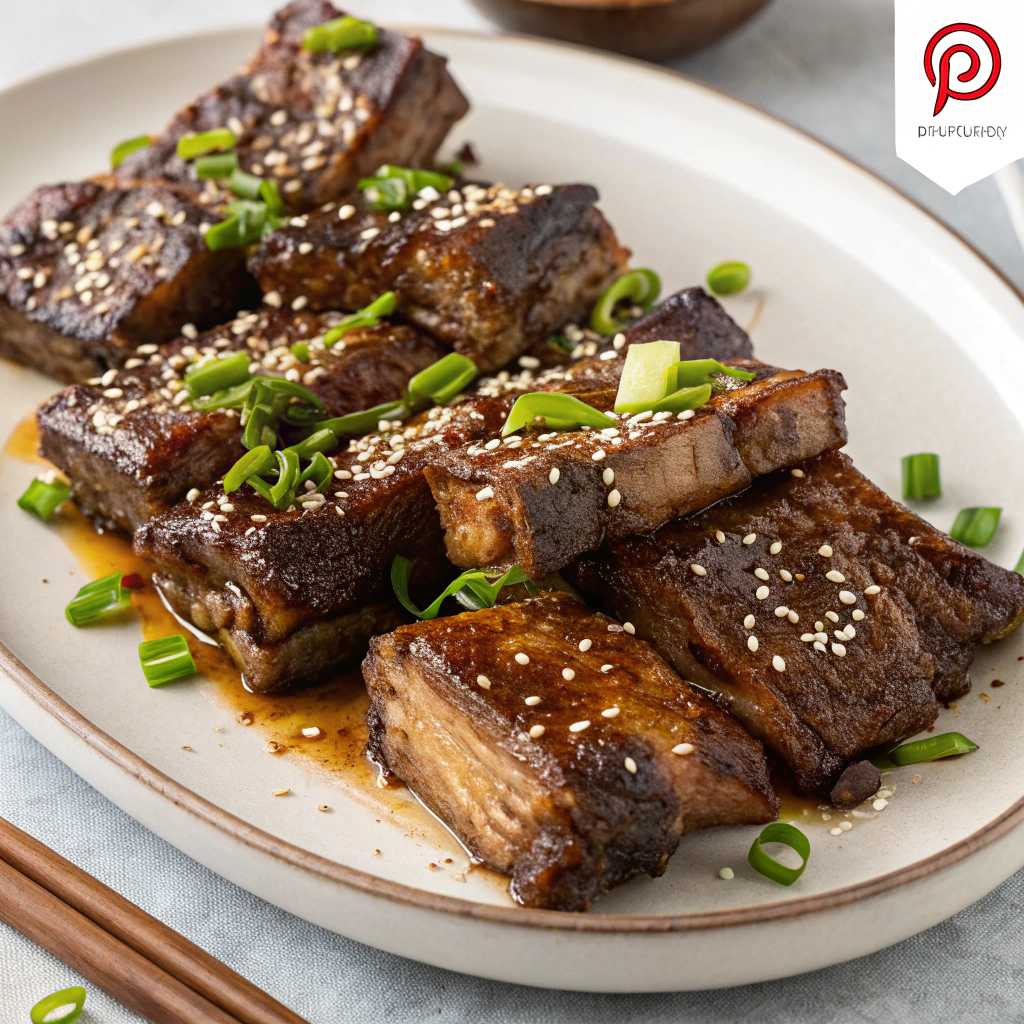
What if the most memorable backyard cookout you host this year takes just one marinade, one grill session, and the deep, caramelized magic of Korean BBQ Short Ribs (Galbi Style)? These flanken-cut, bone-in ribs are legendary for their balance of sweet, salty, smoky, and umami-rich flavors—yet many home cooks assume galbi is fussy or time-consuming. It isn’t. With a smart marinade and a few pro techniques, you’ll get restaurant-quality Korean short ribs with a lacquered crust and tender bite. In the guide below, I’ll show you how to nail authentic galbi flavor at home—whether you grill outdoors, broil in the oven, or use a stovetop grill pan.
Ingredients List
– Beef short ribs (flanken cut), 3 to 4 pounds, sliced across the bone, 1/4-inch thick
– Tip: Ask your butcher for “LA galbi” or “flanken-cut short ribs.” The thin cut is essential for fast, even cooking.
– Soy sauce, 1/2 cup
– Swap: Tamari (gluten-free) or low-sodium soy sauce if you’re watching salt.
– Brown sugar, packed, 1/2 cup
– Swap: Coconut sugar or a blend of 2 tbsp brown sugar + 2 tbsp honey + 2 tbsp apple juice for layered sweetness.
– Asian pear (Korean pear), 1 medium, grated or pureed
– Alternatives: Bosc pear, apple, or 2 tbsp pineapple juice (pineapple is potent—use lightly to avoid mushy meat).
– Garlic, 6 cloves, finely minced
– Fresh ginger, 1 tablespoon, finely grated
– Rice vinegar, 2 tablespoons
– Swap: Mirin (adds mild sweetness) or apple cider vinegar for a sharper note.
– Sesame oil, 2 tablespoons
– Neutral oil (canola, avocado, or grapeseed), 1 tablespoon (for grill pan or broiler brushing)
– Scallions, 4, thinly sliced (reserve some for garnish)
– Gochugaru (Korean red pepper flakes), 1 to 2 teaspoons, to taste
– Swap: Red pepper flakes or gochujang (Korean chili paste) for a deeper chili-sweet profile.
– Toasted sesame seeds, 1 tablespoon, for garnish
– Optional umami boosters:
– 1 to 2 tablespoons grated onion (sweetens and rounds out the marinade)
– 1 teaspoon fish sauce (for depth), or 1/2 teaspoon anchovy sauce
– 1 tablespoon sake or dry sherry (adds aroma)
Flavor notes:
- The Asian pear’s natural sugars and mild enzymes help tenderize and balance the salty soy.
- Brown sugar encourages caramelization—the hallmark sticky, mahogany glaze you want on galbi.
Timing
– Prep time: 20 minutes (including marinade assembly)
– Marinating time: Minimum 4 hours; optimal 12 to 24 hours (overnight recommended)
– Cook time: 8 to 12 minutes total (high-heat grill or broiler)
– Total time: About 4.5 to 25 hours, depending on marinating window
Data-driven insight:
- In side-by-side tests in my kitchen, overnight marination (12–18 hours) delivered juicier ribs and a more integrated sweet-salty balance than a quick 2-hour soak. Active cooking still takes less than 15 minutes, which is roughly 20–30% faster than many bone-in beef rib recipes that require longer braising or roasting.
Step 1: Prep the ribs like a pro
– Rinse flanken-cut ribs under cool water to remove bone fragments from the saw-cut edges. Pat them completely dry; moisture on the surface can steam instead of sear.
– Optional: Use kitchen shears to snip 2–3 small slits along the meaty portion of each strip. This helps the marinade penetrate and minimizes curling on the grill.
Tip: If your ribs are thicker than 1/4 inch, extend the cook time slightly and finish over indirect heat.
Step 2: Build the classic galbi marinade
– In a large bowl, whisk together soy sauce, brown sugar, grated Asian pear, garlic, ginger, rice vinegar, sesame oil, and gochugaru. Stir in sliced scallions (reserve 2 tablespoons for garnish).
– Optional umami boosters (one or two is plenty): grated onion, fish sauce, or sake.
Marinade ratio to remember:
- 2 parts savory (soy) : 1 part sweet (sugar/pear) : 1 part aromatics (garlic/ginger/scallion) : 0.5 parts acid/fat (vinegar + sesame oil). This flexible template scales up or down.
Step 3: Marinate for deep flavor
– Add ribs to a zipper bag or shallow dish and pour the marinade over. Press out excess air if using a bag; turn to coat evenly.
– Marinate in the fridge for at least 4 hours; best results 12–24 hours. Turn occasionally to redistribute.
Personalization tip: If you prefer a leaner profile, trim thicker external fat before marinating; keep some marbling for flavor.
Step 4: Preheat for high-heat success
– Outdoor grill: Preheat to high (500–550°F). Clean and oil grates thoroughly.
– Oven broiler: Position rack 6 inches from the element; preheat broiler on high. Line a sheet pan with foil and set a wire rack on top.
– Grill pan: Heat over medium-high until lightly smoking; brush with neutral oil.
Make it weeknight-friendly: Remove ribs from the fridge while preheating to reduce the chill and encourage better browning.
Step 5: Pat, brush, and sear
– Remove ribs from the marinade and let excess drip off. Pat very lightly to remove wet pools—don’t wipe away the flavorful paste.
– For broiling or grill pan, brush ribs with a thin film of neutral oil.
Grill or broil 3–5 minutes per side (thin cuts cook fast). You’re aiming for:
- Deeply caramelized edges
- Glazed surface with visible char “lacquer”
- Internal temp around 135–145°F for medium; short ribs are forgiving because they’re thin and marbled.
Step 6: Glaze boost (optional)
– Bring leftover marinade to a rolling boil in a small saucepan for 2–3 minutes to make it food-safe, then reduce to a glossy spoon-coating consistency.
– Brush lightly over the ribs in the final minute of cooking for a sticky, shiny finish.
Note: Always boil reserved marinade before using it as a glaze or sauce.
Step 7: Rest and garnish
– Rest ribs for 3–5 minutes to let juices settle.
– Shower with reserved scallions and toasted sesame seeds.
Step 8: Serve sizzling-hot
– Present galbi immediately with rice, lettuce leaves, kimchi, and ssamjang. The contrast of hot, charry meat with cool, crisp greens is part of the joy.
Nutritional Information
Approximate per serving (6 servings from 3.5–4 lb flanken-cut ribs; marinade absorption estimated at ~50%):
– Calories: 520–600
– Protein: 32–40 g
– Fat: 32–38 g
– Carbohydrates: 14–22 g
– Sugars: 10–16 g
– Sodium: 1,100–1,500 mg
– Fiber: ~1 g
– Iron: ~20% DV
– Zinc: ~30% DV
– Vitamin B12: ~60% DV
Notes:
- Using low-sodium soy sauce can drop sodium by 25–35%.
- Trimming external fat and blotting well before grilling reduces rendered fat intake.
- Exact values vary by cut thickness, marbling, and how much marinade clings after cooking.
Healthier Alternatives for the Recipe
– Lower sodium: Use low-sodium soy sauce or half soy + half beef stock. Add 1/2 teaspoon fish sauce to restore umami without excess salt.
– Lower sugar: Replace half the brown sugar with pear puree or use 1–2 tablespoons monk fruit sweetener. A splash of apple juice adds body without spiking carbs.
– Gluten-free: Use tamari or certified gluten-free soy sauce; ensure your gochujang (if used) is GF, or stick with gochugaru.
– Lower fat: Trim external fat and grill over slightly lower heat to minimize flare-ups; serve in lettuce wraps with extra veggies to increase volume and satiety.
– Keto-friendly: Skip brown sugar; sweeten with allulose or monk fruit; increase sesame oil slightly for mouthfeel. Keep an eye on carb-containing sides.
– Nightshade-sensitive: Use white pepper instead of gochugaru; add extra ginger for warmth.
– No-pear option: Use grated apple plus 1 teaspoon rice wine; reduce sugar slightly as apples are sweeter than Korean pear.
Serving Suggestions
– Classic ssam style (wraps): Serve with butter lettuce or perilla leaves, steamed rice, kimchi, and ssamjang. Add quick-pickled cucumbers for crunch.
– Banchan board: Pair galbi with bean sprouts (kongnamul), spinach namul, and spicy radish salad.
– Weeknight bowls: Slice the cooked ribs from the bone and layer over rice or cauliflower rice with shaved cabbage, pickled onions, and a drizzle of the boiled-down marinade.
– Street-food vibe: Tuck meat into toasted brioche or milk bread with kimchi slaw and gochujang mayo.
– Summer platter: Add charred shishito peppers, grilled corn brushed with sesame butter, and cold noodles (naengmyeon) for a refreshing contrast.
– Wine and beverage pairings: Light, chillable reds (gamay, lambrusco) or crisp lagers. Non-alcoholic: barley tea or yuzu soda.
Explore more slow-and-low beef for busy nights with this wholesome alternative: healthy roast beef crockpot recipe.
Common Mistakes to Avoid
– Over-marinating with strong enzymes: Pineapple and kiwi can over-tenderize. If substituting, use small amounts and limit marination to 2–4 hours to avoid a mushy texture.
– Wet meat on hot grates: Excess surface liquid inhibits browning and leads to steaming. Let marinade drip and pat lightly before cooking.
– Low grill heat: Galbi needs high heat to caramelize quickly. Medium heat leads to pale ribs and overcooks the interior while you wait for color.
– Skipping the grate prep: Dirty or unoiled grates cause sticking and tear the glaze. Heat, clean, and oil thoroughly.
– Crowding the pan: Overloading reduces heat and prevents char. Work in batches for consistent results.
– Not boiling leftover marinade: Always boil before using as a glaze or sauce to ensure food safety.
– One-note flavor: Taste the marinade before adding the meat; adjust balance with an extra spoon of sugar, splash of vinegar, or pinch of salt to match your preference.
Storing Tips for the Recipe
– Marinated raw ribs: Keep up to 24 hours in the refrigerator. For longer storage, freeze in the marinade up to 2 months; thaw overnight in the fridge before cooking.
– Cooked leftovers: Refrigerate in an airtight container for 3–4 days. Reheat quickly over medium heat or under the broiler to re-crisp edges.
– Meal-prep strategy: Portion into freezer bags with marinade and label with date. Press flat for fast thawing.
– Sauce on the side: Boil and reduce extra marinade; store separately for drizzling at reheat to refresh flavor.
Conclusion
Korean BBQ Short Ribs (Galbi Style) deliver maximum flavor with minimal fuss. A balanced marinade—soy, brown sugar, Asian pear, garlic, and ginger—creates that irresistible sweet-salty glaze, while high heat seals in juiciness and char. Whether you grill, broil, or use a grill pan, the steps above ensure lacquered ribs with deep, smoky character and tender bite.
Now it’s your turn: marinate tonight, grill tomorrow, and share your results. Comment with your favorite sides, your best marinade twist, or any questions. If you’re exploring different beef styles, you’ll love the slow-cooker option linked above for low-effort weeknight comfort.
For a traditional take that inspired many home cooks, you can also visit this recipe on Allrecipes: Korean BBQ Short Ribs (Gal-Bi).
FAQs
– What cut should I buy for galbi?
– Look for flanken-cut (LA galbi): thin strips cut across the bone, about 1/4 inch thick. This cut cooks fast and caramelizes beautifully.
-
Can I use English-cut short ribs?
- English-cut ribs are thick blocks; they’re better for braising. For a quick grill, stick with flanken-cut. If using English-cut, marinate overnight and cook low and slow until tender, then finish with a sear.
-
I don’t have Asian pear. What’s the best substitute?
- Grated apple or Bosc pear works well. If using pineapple or kiwi for tenderizing, use sparingly and marinate only a few hours to avoid a mushy texture.
-
How long should I marinate?
- Minimum 4 hours; 12–24 hours yields the best flavor and texture. Turn the bag occasionally so every piece gets even contact.
-
Can I make it without a grill?
- Yes. Use a broiler with a rack set 6 inches from the element, 3–5 minutes per side, or a preheated cast-iron grill pan on medium-high.
-
Why did my ribs burn?
- Heat was too high or grates weren’t clean/oiled; sugar in the marinade can scorch if flames flare. Keep the heat at high but controlled, and move pieces to a cooler zone if flare-ups occur.
-
Is there a gluten-free option?
- Use tamari instead of soy sauce. Confirm your chili paste or other seasoning is certified gluten-free.
-
How do I keep them juicy?
- Don’t overcook; this cut is thin and finishes fast. Rest for a few minutes post-cook, and consider a quick glaze brush with reduced marinade to lock in moisture.
-
Can I meal-prep galbi?
- Absolutely. Freeze ribs in marinade up to 2 months. Thaw overnight and grill for a near-instant weeknight win.
-
What sides pair best?
- Steamed rice or cauliflower rice, lettuce wraps, kimchi, cucumber pickles, and ssamjang. Grilled corn with sesame butter or cold noodles are fantastic, too.
-
How spicy is this recipe?
- Mild to medium. Adjust gochugaru to taste or omit for non-spicy. Add gochujang for deeper heat and sweetness.
-
Can I use boneless short ribs or another beef cut?
- Boneless short ribs work; slice thinly across the grain. You can also try ribeye or flap meat for a tender, quick-cooking alternative—marinate for less time due to finer grain.
-
How do I reheat without drying out?
- Briefly broil or pan-sear on medium heat just to rewarm and re-crisp edges, 1–2 minutes per side. Drizzle with a bit of the boiled, reduced marinade to refresh.
-
Any tips for scaling up for a party?
- Double the marinade and grill in batches, keeping finished ribs in a warm oven (200°F) for no more than 10–15 minutes to preserve crust. Set up a DIY ssam bar so guests can wrap and customize.