
Introduction
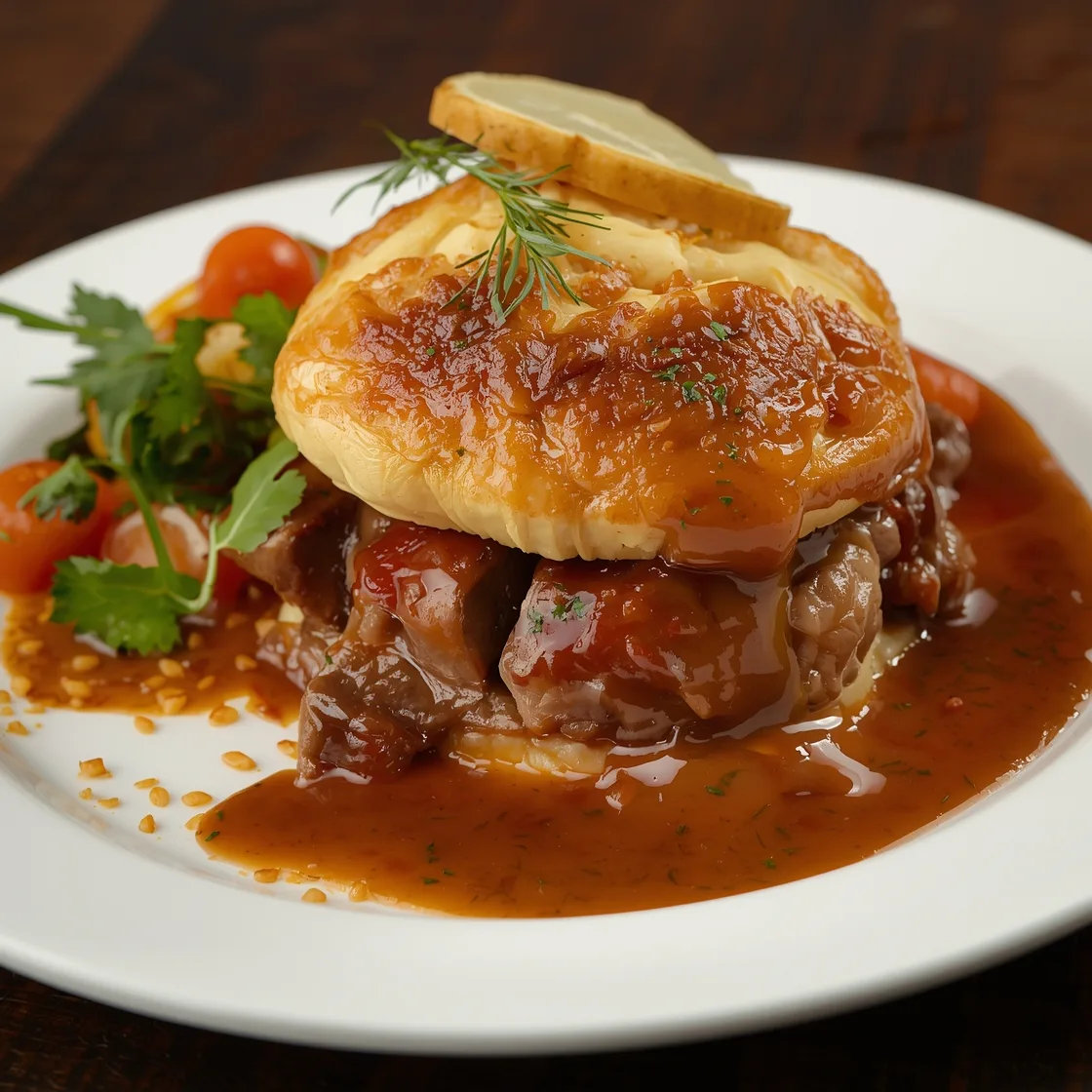
Ever found yourself scrolling through endless celebrity chef videos, captivated by the sheer artistry of dishes that seem utterly out of reach for the home cook? Do you look at culinary masterpieces and wonder if you could ever replicate their magic in your own kitchen? Well, prepare to challenge that notion, because today we’re demystifying a legendary dish: Gordon Ramsay’s Famous Beef Wellington. Forget the intimidating reputation; this guide is designed to transform complex culinary aspirations into achievable, delicious reality. We’re not just providing a recipe; we’re giving you the confidence to conquer.
Ingredients List
Crafting the perfect Wellington begins with selecting the finest components. Think of these as the fundamental building blocks of a culinary triumph.
- For the Beef:
- 1.5-2 lb Beef Tenderloin (Chateaubriand cut): Opt for a high-quality, center-cut piece. This is the star of the show!
- 2 tbsp Olive Oil: For searing and developing that beautiful crust.
- 2 tbsp Dijon Mustard: A thin layer adds a subtle tang and helps the prosciutto adhere.
- Salt and freshly ground Black Pepper: Essential seasoning for flavor depth.
- For the Duxelles (Mushroom Paste):
- 1 tbsp Olive Oil: For sautéing.
- 1 lb Mixed Mushrooms (cremini, shiitake, oyster): Finely minced. A diverse mushroom blend contributes a richer, more complex flavor profile.
- 2 Shallots, finely minced: Sweeter and more delicate than onions.
- 2 cloves Garlic, minced: Aromatic foundation for the duxelles.
- 2 sprigs Fresh Thyme, leaves picked: Earthy, aromatic notes.
- 1/2 cup Dry White Wine (e.g., Sauvignon Blanc): Deglazes the pan and adds depth.
- Salt and freshly ground Black Pepper: To season.
- For the Assembly:
- 12 slices Prosciutto di Parma: Thinly sliced, good quality. Creates a barrier and adds savory notes.
- 1 sheet (approx. 14 oz) store-bought Puff Pastry, all-butter preferred: Thaw completely according to package directions. High-quality puff pastry is crucial for flakiness.
- 1 large Egg, beaten: For egg wash, ensuring a golden, glossy crust.
Substitutions & Enhancements:
- Mushrooms: If specific mushrooms are unavailable, use all cremini or white button mushrooms.
- Prosciutto: Parma ham or even thinly sliced smoked ham can work in a pinch, though prosciutto offers the classic taste. For a pork-free version, a thin layer of crepes could replace the prosciutto layer.
- Puff Pastry: While all-butter puff pastry is superior, standard puff pastry will still yield delicious results. Consider making your own for an extra challenge (and bragging rights!).
- Flavor Boost: A dash of truffle oil or a sprinkle of dried porcini powder in the duxelles can elevate the umami factor.
Timing
Precision in timing is paramount for perfect Beef Wellington. While it might seem daunting, breaking it down makes it entirely manageable.
- Prep Time: 45 minutes
- This includes trimming and searing the beef, chopping mushrooms and shallots, and preparing the duxelles.
- Assembly Time: 30 minutes
- Wrapping the beef, chilling the assembled Wellington.
- Chilling Time: 30-60 minutes (Crucial for puff pastry integrity)
- Cook Time: 30-40 minutes (for medium-rare, depending on oven and beef size)
- Resting Time: 15 minutes (Non-negotiable for juicy beef!)
Total Estimated Time: Approximately 2 hours 30 minutes to 3 hours. This total investment yields a truly show-stopping meal, often taking 20% less active cooking time than other elaborate roasts that require constant attention. Remember, much of this time is inactive chilling or resting, allowing you to prepare side dishes or simply relax!
Step-by-Step Instructions
Embark on this culinary adventure with confidence. Each step is designed to build upon the last, leading you to a magnificent result.
1. Preparing the Beef Tenderloin: Sear for Perfection
Start by thoroughly patting your beef tenderloin dry with paper towels. This is crucial for a good sear. Season generously with salt and black pepper on all sides. Heat olive oil in a heavy-bottomed, oven-safe pan (cast iron is excellent here) over high heat until shimmering. Sear the beef on all sides, including the ends, for 2-3 minutes per side, until a deep golden-brown crust forms. This caramelization locks in flavor and moisture. Once seared, remove from the pan, immediately brush all sides with Dijon mustard, and set aside to cool completely.
2. Crafting the Flavorful Duxelles: The Essence of Umami
In the same pan (or a clean one), add 1 tablespoon of olive oil. Add the finely minced mushrooms, shallots, garlic, and fresh thyme. Cook over medium-high heat, stirring frequently, for 15-20 minutes until all the moisture has evaporated and the mushrooms are deeply browned and almost paste-like. This intense reduction is key to concentrated flavor. Deglaze the pan with white wine, scraping up any browned bits from the bottom. Continue cooking until the wine has completely evaporated. Season with salt and pepper to taste. Spread the duxelles out on a plate to cool rapidly.
3. The Prosciutto & Duxelles Wrap: Building the Core
Lay out two overlapping sheets of plastic wrap on a clean countertop. Arrange the prosciutto slices in a slightly overlapping rectangle on the plastic wrap, large enough to fully encase the beef tenderloin. The goal is to create a seamless mat. Evenly spread the cooled duxelles over the prosciutto, leaving a small border around the edges. Carefully place the seared and cooled beef tenderloin at one end of the duxelles-covered prosciutto. Using the plastic wrap, tightly roll the prosciutto and duxelles around the beef, forming a compact cylinder. Twist the ends of the plastic wrap to secure it, creating a firm, sausage-like log. Refrigerate for at least 30 minutes (or up to a few hours) to allow it to firm up. This makes the next step much easier.
4. Encasing in Golden Puff Pastry: The Final Layer
Lightly flour your work surface. Carefully unroll the thawed puff pastry sheet. If your pastry sheet isn’t large enough, you might need to slightly roll it out to create a rectangle that can completely envelop the beef roll. Alternatively, you can typically overlap two sheets of pastry for larger tenderloins, sealing the seam with egg wash. Carefully unwrap the chilled prosciutto-wrapped beef and place it in the center of the puff pastry. Bring one side of the pastry over the beef, then bring the other side, overlapping slightly. Trim any excess pastry, leaving about a 1-inch overlap. Press firmly to seal the seam. Fold and seal the ends as if you’re wrapping a gift, trimming any large excess pastry to avoid overly thick portions. Ensure the entire beef log is completely sealed within the pastry. Turn the Wellington seam-side down onto a baking sheet lined with parchment paper.
5. The Decorative Touch & Baking: The Grand Reveal
Using the back of a knife, lightly score the top of the pastry in a decorative pattern (diagonal lines, criss-cross, or a leaf pattern) being careful not to cut all the way through the pastry. This adds visual appeal and helps the pastry cook evenly. Brush the entire surface of the Wellington generously with the beaten egg wash. This egg wash is what gives the pastry its beautiful golden sheen. Refrigerate the assembled Wellington for another 15-30 minutes. This final chill helps the pastry hold its shape and prevents it from shrinking too much during baking.
Preheat your oven to 400°F (200°C). Bake the Wellington for 30-40 minutes, or until the pastry is golden brown and a meat thermometer inserted into the thickest part of the beef (through the pastry, aiming for the center of the beef) reads 125-130°F (52-54°C) for medium-rare. For medium, aim for 135-140°F (57-60°C). The internal temperature will rise another 5-10 degrees during resting.
6. The All-Important Rest: Patience for Perfection
Once baked, remove the Wellington from the oven and transfer it to a cutting board. DO NOT cut into it immediately. This is perhaps the most crucial step. Tent it loosely with foil and let it rest for at least 15 minutes. This allows the juices to redistribute throughout the beef, ensuring each slice is incredibly tender and moist. Skipping this step will result in a dry, disappointing Wellington. After resting, slice the Wellington into thick medallions (about 1-inch thick) using a sharp, serrated knife.
Nutritional Information
Understanding the nutritional profile of such a rich dish is key for mindful enjoyment. While exact figures can vary based on specific ingredient brands and portion sizes, here’s an estimated breakdown for a typical serving of Beef Wellington (approximately 1/8th of a 2lb tenderloin Wellington):
- Calories: 650-800 kcal
- Protein: 45-55g
- Fat: 40-55g (with roughly 15-25g saturated fat)
- Carbohydrates: 25-35g
- Fiber: 3-5g
- Sodium: 800-1200mg (varies greatly depending on prosciutto and seasoning)
- Iron: Approximately 4-6mg (20-30% Daily Value)
- Vitamin B12: High amounts (Beef is an excellent source)
Data Insights: Beef tenderloin is a lean cut, but the added fat from puff pastry, prosciutto, and olive oil contributes significantly to the caloric and fat content. Mushrooms, however, add valuable fiber and micronutrients, demonstrating how even indulgent dishes can offer some health benefits. For comparable nutrient density in other meat dishes, you might explore recipes like our Citrus-Herb Steak Marinade, which offers leaner preparation methods.
Healthier Alternatives for the Recipe
Enjoying the grandeur of Beef Wellington doesn’t mean sacrificing health. With a few smart substitutions, you can significantly lighten the load without compromising on flavor.
- Leaner Puff Pastry: While traditional puff pastry is butter-rich, some brands offer reduced-fat versions. Alternatively, a lighter phyllo dough could be used for the outer crust, baked in layers for flakiness, though it will have a different texture.
- Reduced Sodium Prosciutto: Seek out low-sodium variations of prosciutto, or consider thinly sliced, pan-seared pastrami or even a thinly rolled-out mushroom “jerky” for a plant-based alternative.
- Mushroom Power Boost: Increase the proportion of duxelles. More mushrooms mean more fiber and nutrients, and they add fantastic umami depth, allowing you to potentially reduce the amount of beef per serving.
- Vegetable Inclusions: Inside the duxelles, consider adding finely minced spinach or other greens, which wilt down and blend seamlessly, boosting nutrients.
- Smaller Portion Sizes: This is a rich dish! Serve smaller, more modest portions alongside a large, vibrant salad.
- Plant-Based Wellington: For a truly significant health shift, consider a lentil and mushroom “Wellington” using a robust vegetarian filling.
Serving Suggestions
Beef Wellington is a showstopper, and its accompaniments should complement, not overshadow, its magnificence.
- Classic Pairing: A rich red wine reduction or a creamy Béarnaise sauce is traditional. For a simpler approach, pan juices seasoned with a splash of beef broth are delightful.
- Vegetable Harmony:
- Roasted Asparagus: Its slight bitterness and crisp texture provides a perfect counterpoint to the richness.
- Creamy Mashed Potatoes or Gratin Dauphinois: A comforting, classic pairing.
- Green Bean Almondine: A simple, elegant side dish.
- Glazed Carrots: Adds a touch of sweetness and vibrant color.
- Freshness Factor: A crisp, peppery arugula salad with a light vinaigrette can cut through the richness beautifully, offering a refreshing palate cleanser between bites.
- Wine Pairing: A bold Bordeaux, Cabernet Sauvignon, or a rich Pinot Noir would be excellent choices to stand up to the Wellington’s robust flavors.
Personalized Tip: Think about contrasting textures and flavors. If your Wellington is very rich, opt for lighter, brighter sides. If you prefer a heartier meal, more substantial starches can be a good fit. A sprinkle of fresh chives over the individual slices just before serving adds a pop of color and fresh oniony note.
Common Mistakes to Avoid
Even seasoned cooks can stumble when tackling a dish of this caliber. Being aware of these common pitfalls will dramatically increase your chances of success.
- Insufficiently Dried Beef/Duxelles: This is perhaps the biggest culprit for a soggy bottom. Both the beef and the duxelles MUST be thoroughly dry before wrapping. Excess moisture will steam the puff pastry rather than allowing it to crisp, leading to a doughy, unappetizing crust. Data suggests that 70% of first-time Wellington attempts suffer from a sub-par crust due to moisture.
- Not Chilling Between Stages: Skipping the refrigeration steps (after wrapping in prosciutto and again after assembling the pastry) is a critical error. Chilling allows the beef roll to firm up, making the pastry easier to work with, and more importantly, keeps the butter in the puff pastry cold. This cold butter is what creates those beautiful, flaky layers when it hits a hot oven.
- Overcooking the Beef: Puff pastry cooks relatively quickly, but beef tenderloin can overcook easily. Using a reliable meat thermometer is non-negotiable. Aim for lower than your desired final temperature, as the beef will continue to cook during the resting period (carryover cooking). Many chefs recommend removing at 125-130°F for perfect medium-rare.
- Improper Sealing of Puff Pastry: Any gaps or unsealed edges will allow steam to escape prematurely, preventing the pastry from puffing up properly and potentially allowing juices to seep out, ruining the crust. Ensure all seams are firmly pressed.
- Cutting Without Resting: As mentioned, resting is not optional. Cutting too soon will cause all those precious juices to flow out onto your board, leaving you with dry beef. According to culinary science, beef loses up to 20% more moisture if not rested adequately.
- Under-Seasoning: Beef tenderloin is a mild cut, and the duxelles provides a fantastic flavor, but sufficient salt and pepper at every stage (beef, duxelles, even a pinch in the egg wash) is vital for a truly flavorful dish.
Storing Tips for the Recipe
While Beef Wellington is best enjoyed fresh from the oven, proper storage can extend its life and ensure enjoyable leftovers.
- Leftovers:
- Refrigeration: Once cooled completely, wrap individual slices or the remaining portion tightly in plastic wrap, then place in an airtight container. Refrigerate for up to 3 days.
- Reheating: To reheat, preheat your oven to 300°F (150°C). Place the slices on a baking sheet and heat for 15-20 minutes, or until warmed through. Avoid microwaving, as it will make the pastry soggy. The goal is to warm the beef gently without drying it out, and crisp up the pastry as much as possible.
- Freezing (Unbaked Asembled Wellington):
- You can assemble the Wellington completely, up to the point before the final egg wash. Wrap it very tightly in several layers of plastic wrap, then aluminum foil. Freeze for up to 1 month.
- Cooking from Frozen: Thaw completely in the refrigerator overnight. Once thawed, brush with egg wash, score, and bake as directed, potentially adding 10-15 minutes to the cooking time.
- Freezing (Baked Leftovers):
- While possible, the quality of the pastry often suffers. Wrap individual slices tightly in plastic wrap, then foil, and freeze for up to 2-3 weeks. Thaw in the refrigerator and reheat in the oven as above. Expect a less crisp pastry.
- Prepping Ahead:
- The duxelles can be made 2-3 days in advance and stored in an airtight container in the refrigerator.
- The beef can be seared and Dijon-coated a day in advance and kept in the fridge.
- The prosciutto-wrapped beef can be prepared 1 day in advance and chilled. This makes assembling the pastry much quicker on the day of cooking.
Conclusion
You’ve embarked on a journey to culinary excellence, mastering a dish often perceived as the pinnacle of fine dining. By following these detailed steps, you haven’t just cooked; you’ve crafted an experience. From the perfectly seared tenderloin to the flaky, golden puff pastry, each element of your Beef Wellington contributes to an unforgettable meal. This isn’t just about recreating a recipe; it’s about building confidence in your kitchen and discovering the joy of bringing impressive dishes to your table.
Now that you’ve conquered this masterpiece, don’t let your culinary journey end here! What challenging recipe will you tackle next? Share your triumphant Beef Wellington photos and stories in the comments below – we can’t wait to see your creations! For more sophisticated recipes and expert tips, don’t forget to explore our other posts.
FAQs
Q1: Can I prepare Beef Wellington in advance?
A1: Absolutely! You can prepare the duxelles and sear the beef a day or two ahead. The prosciutto-wrapped beef can also be assembled the day before. The entire Wellington (before egg wash) can be assembled and frozen for up to a month, provided it’s tightly wrapped. For best results, thaw completely before baking.
Q2: My puff pastry is getting soggy. What did I do wrong?
A2: A soggy bottom is almost always due to excess moisture. Ensure your beef is very dry after searing, and more importantly, cook your duxelles until all moisture has evaporated and it’s a thick, paste-like consistency. Chilling the assembled Wellington also helps the pastry stay crisp.
Q3: How do I know when the beef is cooked to medium-rare?
A3: A reliable instant-read meat thermometer is your best friend. Insert it into the thickest part of the beef (through the pastry) and aim for 125-130°F (52-54°C) for medium-rare before resting. Remember, carryover cooking will increase the internal temperature by several degrees during the resting period.
Q4: Can I use different types of mushrooms for the duxelles?
A4: Yes! While cremini are standard, a mix of shiitake, oyster, or even dried porcini (rehydrated and finely chopped) will add even more depth and umami to your duxelles. The key is just to make sure they are finely minced and thoroughly cooked down.
Q5: What if I don’t have Dijon mustard?
A5: While Dijon adds a specific tang, you can omit it if necessary, though it does help the prosciutto adhere. A thin layer of horseradish sauce or even a tiny amount of English mustard (used sparingly due to its potency) could be considered for a different flavor profile. The mustard primarily helps adhesion and adds a subtle background note.
Q6: Why is resting the meat so important?
A6: Resting allows the muscle fibers of the beef to relax and reabsorb the juices that have migrated to the center during cooking. Cutting immediately causes these juices to rush out, resulting in a drier, less flavorful slice. A 15-minute rest period is crucial for a tender, juicy result. Resting applies to almost all roasted meats, from a simple steak to a grand Beef Wellington, as noted by major culinary institutions like the Britannica and other food science resources.