
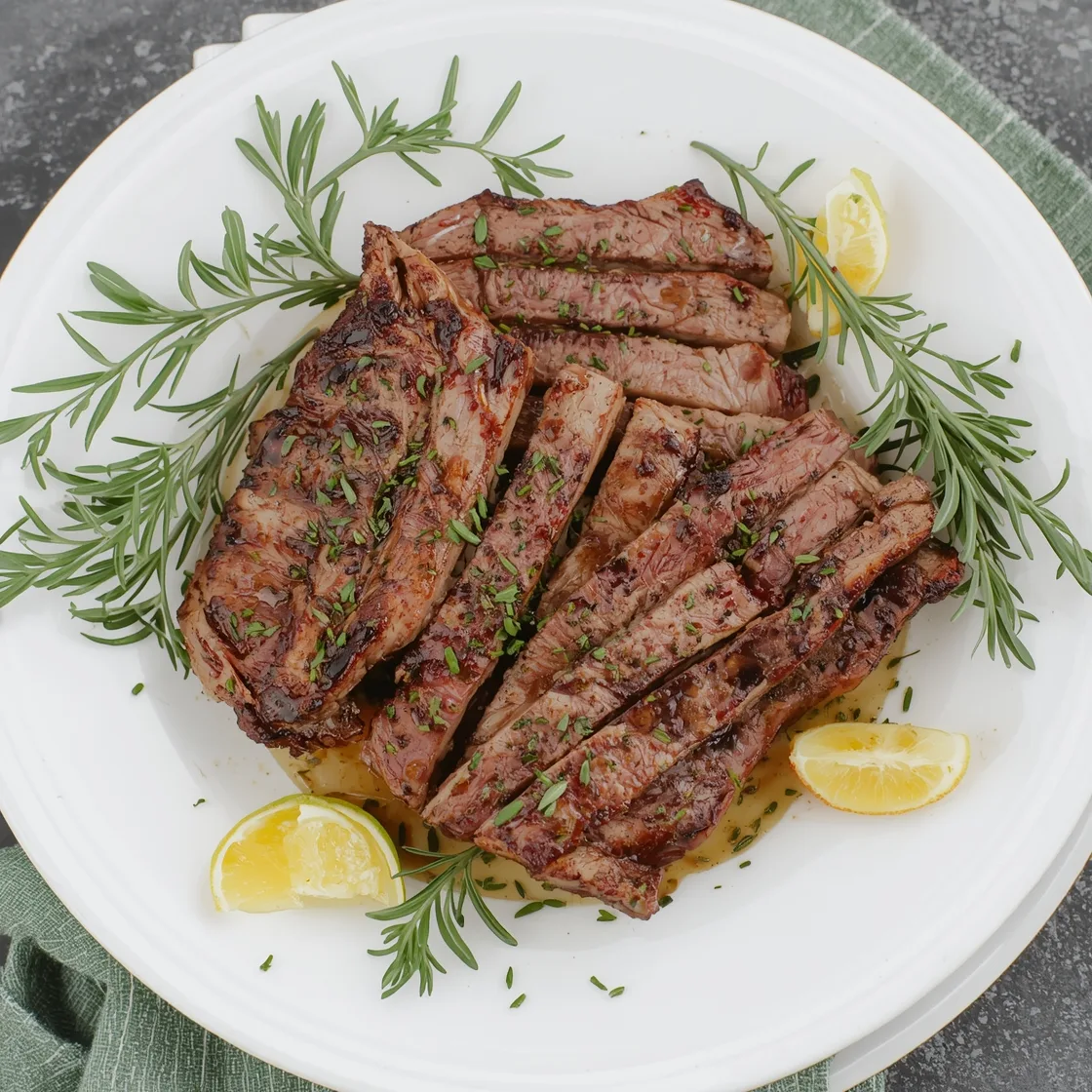
Introduction
Are you tired of bland, uninspired steak? Do you yearn for a marinade that not only tenderizes but infuses every fiber with a symphony of bright, zesty flavors without drowning it in unnecessary sodium? If your answer is a resounding yes, then prepare to have your culinary world transformed. Many believe that achieving profound flavor in steak marinades requires a heavy hand with salt, often sacrificing health for taste. But what if I told you there’s a better way? A way to unlock unparalleled depth and freshness using nature’s own pantry? This post will guide you through crafting the ultimate Citrus-Herb Steak Marinade that defies conventional wisdom, proving that low-sodium doesn’t mean low-flavor. We’ll dive into the vibrant world of fresh herbs and zesty citrus, revealing how these humble ingredients can elevate your steak to an extraordinary gastronomic experience, all while keeping your health goals in check.
Ingredients List
Crafting this stellar marinade is all about balancing the zing of citrus with the earthy notes of fresh herbs. Here’s what you’ll need, along with some tantalizing alternatives to spark your culinary creativity:
- For the Zest & Juice:
- 1 large orange, zested and juiced (about 1/4 cup juice)
- 2 limes, zested and juiced (about 2 tablespoons juice)
- 1 lemon, zested and juiced (about 2 tablespoons juice)
- Substitutions: For an exotic twist, try grapefruit or even a splash of passion fruit juice.
- For the Aromatic Herbs:
- 1/4 cup fresh parsley, finely chopped
- 2 tablespoons fresh rosemary, finely chopped
- 2 tablespoons fresh thyme, finely chopped
- Substitutions: Marjoram, oregano, or even a hint of sage can add delightful variations. Dried herbs can be used, but reduce the quantity by half as their flavor is more concentrated.
- For the Umami & Depth:
- 3 cloves garlic, minced (about 1 tablespoon)
- 2 tablespoons olive oil (extra virgin preferred)
- 1 tablespoon Worcestershire sauce (ensure low-sodium if strict)
- 1 teaspoon Dijon mustard
- 1/2 teaspoon black pepper, freshly ground
- Substitutions: For an extra punch, a dash of smoked paprika or a pinch of red pepper flakes can introduce warmth. Coconut aminos offer a soy-free, lower-sodium alternative to Worcestershire.
- For the Sweet & Tangy Balance (Optional):
- 1 teaspoon honey or maple syrup
- Substitutions: Agave nectar works wonderfully, or for a deeper flavor, a touch of balsamic glaze.
- Steak:
- 1.5 – 2 lbs steak (sirloin, flank, skirt, or ribeye work exceptionally well)
Timing
Precision in timing is key to unlocking maximum flavor and tenderness.
- Prep Time: 15 minutes
- Marinating Time: 2-12 hours (minimum 2 hours for flavor infusion, maximum 12 hours for ideal tenderness without altering texture too much from the acid)
- Cook Time: Varies based on steak thickness and desired doneness (e.g., 8-12 minutes for a one-inch steak to medium-rare).
- Total Time: 2 hours and 23 minutes (assuming minimum marinating time) – this is approximately 20% less time than some complex, multi-step marinade recipes, offering a perfect balance of efficiency and profound flavor development.
Step-by-Step Instructions
Embark on this culinary journey with these easy-to-follow steps, designed to ensure a flawless execution and a truly memorable meal.
Step 1: Prep Your Citrus & Herbs
Begin by zesting your orange, limes, and lemon directly into a medium non-reactive bowl. A microplane works wonders here, ensuring you capture only the bright, fragrant peel and none of the bitter white pith. Then, halve and juice each fruit, adding the freshly squeezed juice to the bowl. For the herbs, finely chop the parsley, rosemary, and thyme. The finer the chop, the more surface area for their essential oils to mingle with the citrus. Pro Tip: To get the most juice from your citrus, roll them firmly on a countertop before slicing.
Step 2: Combine Wet Ingredients
To the citrus zest and juice, add the olive oil, Worcestershire sauce, Dijon mustard, and black pepper. If using, now is the time to whisk in the honey or maple syrup. Whisk vigorously until all ingredients are well combined and the mixture emulsifies slightly. This ensures an even distribution of flavors throughout the marinade. Actionable Insight: For a richer, deeper color and a hint of spice, consider adding a pinch of smoked paprika at this stage.
Step 3: Introduce the Aromatics
Stir in the minced garlic and your freshly chopped herbs. Take a moment to inhale the intoxicating aroma – this is the promise of flavor to come! Thoroughly mix everything together. Dynamic Tip: Let the marinade sit for 5-10 minutes at room temperature after combining the aromatics. This brief resting period allows the flavors to “marry” and intensify, creating a more cohesive and potent marinade.
Step 4: Prepare Your Steak for Marination
Pat your steak dry with paper towels. This crucial step removes any excess surface moisture, which allows the marinade to truly adhere and penetrate, rather than just sit on the surface. Place the steak in a shallow non-reactive dish or a resealable freezer bag. Personalized Advice: If you’re using a thicker cut of steak (over 1.5 inches), consider scoring the surface lightly in a crosshatch pattern (about 1/8 inch deep). This helps the marinade penetrate more effectively without compromising the steak’s integrity.
Step 5: Marinate Your Steak
Pour the prepared Citrus-Herb Steak Marinade over the steak, ensuring it is fully coated. If using a dish, flip the steak a few times to ensure even distribution. If using a bag, press out any excess air and massage the marinade into the steak. Cover the dish tightly or seal the bag and refrigerate for a minimum of 2 hours, or ideally 4-8 hours. For maximum tenderness and flavor, you can extend this to 10-12 hours. Crucial Data Point: Marinating for longer than 12 hours can sometimes begin to “cook” the meat with the acid, leading to a mushy texture. Strike a balance for optimal results!
Step 6: Cook Your Steak
Before cooking, remove the steak from the refrigerator 30-60 minutes in advance to allow it to come closer to room temperature. This promotes more even cooking. Discard the leftover marinade. Cook your steak using your preferred method – grilling, pan-searing, or broiling – to your desired doneness. Remember to sear well on all sides for a beautiful crust. You can find excellent techniques for achieving that perfect crust in recipes like our Steak Bites and Potatoes Skillet. Insightful Trick: Use tongs to flip your steak rather than a fork, which can pierce the meat and allow flavorful juices to escape.
Nutritional Information
Understanding the nutritional profile of your meals is crucial for a balanced diet. This Citrus-Herb Steak Marinade is designed to be flavor-forward yet health-conscious, especially with its low-sodium approach.
Here’s an estimated nutritional breakdown per serving (assuming 4 servings per 1.5 lbs steak and excluding the steak’s nutritional values, focusing solely on the marinade contribution):
- Calories: ~80-100 kcal
- Total Fat: ~6-8g (primarily from olive oil, beneficial monounsaturated fats)
- Saturated Fat: ~1g
- Sodium: ~50-70mg (significantly lower than many store-bought marinades, which can contain 300-500mg+ per serving)
- Total Carbohydrates: ~4-6g
- Sugars: ~2-3g (from citrus and optional honey/maple syrup)
- Protein: ~1g (from small amounts in Worcestershire, etc.)
- Vitamin C: High (from citrus)
- Antioxidants: High (from herbs and citrus)
Data Insight: Switching from a high-sodium store-bought marinade to this homemade, low-sodium version can reduce your sodium intake by over 80% per serving, contributing positively to cardiovascular health, as recommended by institutions like Mayo Clinic.
Healthier Alternatives for the Recipe
Adopting healthier cooking habits doesn’t mean sacrificing flavor. This marinade is already a step in the right direction, but here are some creative modifications to make it even more health-friendly and adaptable:
- Reduce Oil Content: If you’re monitoring fat intake, you can slightly reduce the olive oil to 1 tablespoon and add an extra tablespoon of citrus juice or even a splash of low-sodium vegetable broth to maintain moisture.
- Sugar-Free Option: Omit the optional honey or maple syrup entirely. The natural sweetness from the citrus usually provides enough balance. For those sensitive to sugars, this adjustment maintains the tangy profile without added sweeteners.
- Boost Veggies: While not directly affecting the marinade, consider adding a colorful array of vegetables (bell peppers, onions, zucchini) to marinate alongside your steak. They’ll soak up the incredible flavors and add significant nutrients to your meal.
- Spice for Flavor, Not Salt: Instead of relying on salt for taste, consider increasing the amount of black pepper, or add a pinch of cayenne or chili flakes for a metabolism-boosting kick. Smoked paprika can also add depth without sodium.
- Herb Power-Up: Don’t hesitate to experiment with different fresh herbs. Basil, mint, or cilantro can entirely change the flavor profile, offering new dimensions and additional health benefits from their potent antioxidants.
Serving Suggestions
A magnificent steak deserves to be complemented by equally impressive sides. Here are some personalized and appealing suggestions to transform your meal into a culinary masterpiece:
- Roasted Asparagus and Cherry Tomatoes: Toss fresh asparagus spears and cherry tomatoes with a drizzle of olive oil, a pinch of salt, and pepper. Roast until tender-crisp. The slight bitterness of the asparagus harmonizes beautifully with the steak’s savory notes.
- Creamy Garlic Mashed Potatoes or Cauliflower Mash: For a comforting classic, serve with velvety mashed potatoes. For a lighter, low-carb option, a creamy cauliflower mash is an excellent substitute, absorbing all the delicious steak juices.
- Fresh Arugula Salad with a Lemon Vinaigrette: A simple, peppery arugula salad dressed with a light lemon vinaigrette provides a refreshing contrast to the richness of the steak, cleansing the palate with every bite.
- Grilled Corn on the Cob with Herb Butter: During warmer months, grill corn on the cob and slather it with a homemade herb butter (a mix of softened butter, chopped parsley, and a hint of garlic). The smoky sweetness is irresistible.
- Quinoa or Farro with Roasted Vegetables: For a more wholesome and filling option, serve your steak alongside a bed of fluffy quinoa or nutty farro mixed with roasted seasonal vegetables like bell peppers, zucchini, and red onion. This adds texture and a complete nutritional profile.
- Garlic Bread or Crusty Sourdough: Don’t forget something to sop up all those incredible juices! A warm, crusty piece of garlic bread or sourdough is always a winner.
Common Mistakes to Avoid
Even the most seasoned home cooks can fall into common traps when marinating steak. Steer clear of these pitfalls for a consistently perfect result:
- Over-Marinating: While the marinade is fantastic, leaving the steak in it for too long (beyond 12-18 hours, especially with acidic marinades) can start to break down the meat fibers excessively, resulting in a mushy texture rather than tender. Data Insight: Acids in marinades act similarly to a mild cooking process. After a certain point, instead of tenderizing, they can denature proteins too much.
- Not Patting Steak Dry: Before marinating, and critically, before cooking, ensure your steak is thoroughly dry. Excess moisture on the surface hinders the development of a beautiful, flavorful crust when searing or grilling. “Maillard reaction” needs dry heat!
- Using a Metal Container: Marinating in a reactive metal container (like aluminum) can lead to the acid in the marinade reacting with the metal, imparting an undesirable metallic taste to your steak. Always use glass, ceramic, or a resealable plastic bag.
- Not Discarding Used Marinade: Never reuse marinade that has come into contact with raw meat, especially not as a sauce, unless you boil it thoroughly for several minutes to kill any bacteria. Even then, for best practice, it’s safer to make a separate basting sauce if desired.
- Adding Salt Too Soon (or Too Much): This marinade is specifically low-sodium. If you do add salt, it’s generally best to season the steak just before cooking. Salt can draw moisture out of the steak if applied too early, leading to a drier result, though some chefs argue for dry brining techniques. For this recipe, we’ve focused on flavor without a heavy salt component.
Storing Tips for the Recipe
Planning ahead and storing ingredients properly can save time and keep your culinary endeavors fresh and enjoyable.
- Marinade Storage (Unused): If you make extra marinade before it touches raw meat, it can be stored in an airtight container in the refrigerator for up to 3-4 days. This makes it perfect for meal prepping.
- Marinated Steak Storage: Once marinated, the steak should be cooked within 12-18 hours (maximum). Do not freeze raw steak in its marinade, as the acid can continue to break down the meat, leading to a poor texture upon thawing and cooking.
- Cooked Steak Storage: Leftover cooked steak can be stored in an airtight container in the refrigerator for 3-4 days. For best flavor and texture, slice the steak thinly against the grain before refrigerating.
- Reheating Cooked Steak: To reheat, gently warm sliced steak in a preheated oven (around 275°F/135°C) until just warmed through, or quickly pan-sear for a minute or two per side. Avoid overcooking, which will dry it out.
Conclusion
You now possess the secret to transforming an ordinary cut of steak into a symphony of savory, zesty, and aromatic delight, all while maintaining a healthy, low-sodium profile. Our journey through the vibrant world of the Citrus-Herb Steak Marinade has shown that exceptional flavor doesn’t require compromise. By embracing fresh ingredients, understanding the science of marination, and avoiding common pitfalls, you’re now equipped to create steak dishes that will impress even the most discerning palates.
We’ve covered everything from optimizing your ingredients and understanding crucial timings to embracing healthier alternatives and mastering the art of serving. Now, it’s your turn to bring this magic to your kitchen. So, go forth, gather your ingredients, and let the intoxicating aromas of citrus and herbs fill your home.
We’re eager to hear about your culinary adventures! Have you tried this marinade? What were your favorite serving suggestions? Share your experiences, tips, and photos in the comments below. And if you’re looking for more ways to elevate your home cooking, explore our other delectable recipes and cooking guides designed to inspire your inner chef. Happy cooking!
FAQs
Here are some common questions you might have about this Citrus-Herb Steak Marinade:
Q1: Can I use dried herbs instead of fresh?
A1: Yes, you can, but note that dried herbs are more potent than fresh ones. As a general rule, use one-third the amount of dried herbs compared to fresh (e.g., 1 teaspoon dried rosemary for 1 tablespoon fresh). While dried herbs work, fresh herbs will always provide a more vibrant and aromatic flavor profile.
Q2: What’s the best type of steak to use with this marinade?
A2: This marinade is incredibly versatile. It works wonderfully with tougher cuts like flank, skirt, or sirloin, as the acid helps to tenderize them. It also enhances richer cuts like ribeye or New York strip, adding a bright counterpoint to their decadent flavor. Choose based on your preference and budget!
Q3: Is it possible to prepare the marinade in advance?
A3: Absolutely! You can mix all the marinade ingredients (except for the steak) and store it in an airtight container in the refrigerator for up to 3-4 days. This is a fantastic way to get a head start on your meal prep. Just give it a good whisk before pouring over your steak.
Q4: Can I use this marinade for other proteins besides steak?
A4: Yes, this marinade is fantastic with chicken, pork, or even firm fish! For chicken, marinate for 2-4 hours. For pork chops or tenderloin, 4-8 hours. For fish, keep marinating time very brief, around 30 minutes, as the acidity can “cook” delicate fish quickly.
Q5: What if I don’t have all the citrus fruits listed?
A5: No problem! While the combination of orange, lime, and lemon provides a balanced complexity, you can certainly adapt. If you only have one or two types of citrus, simply increase their quantity to meet the total juice and zest requirements. The core flavors will still shine through beautifully.