
Introduction
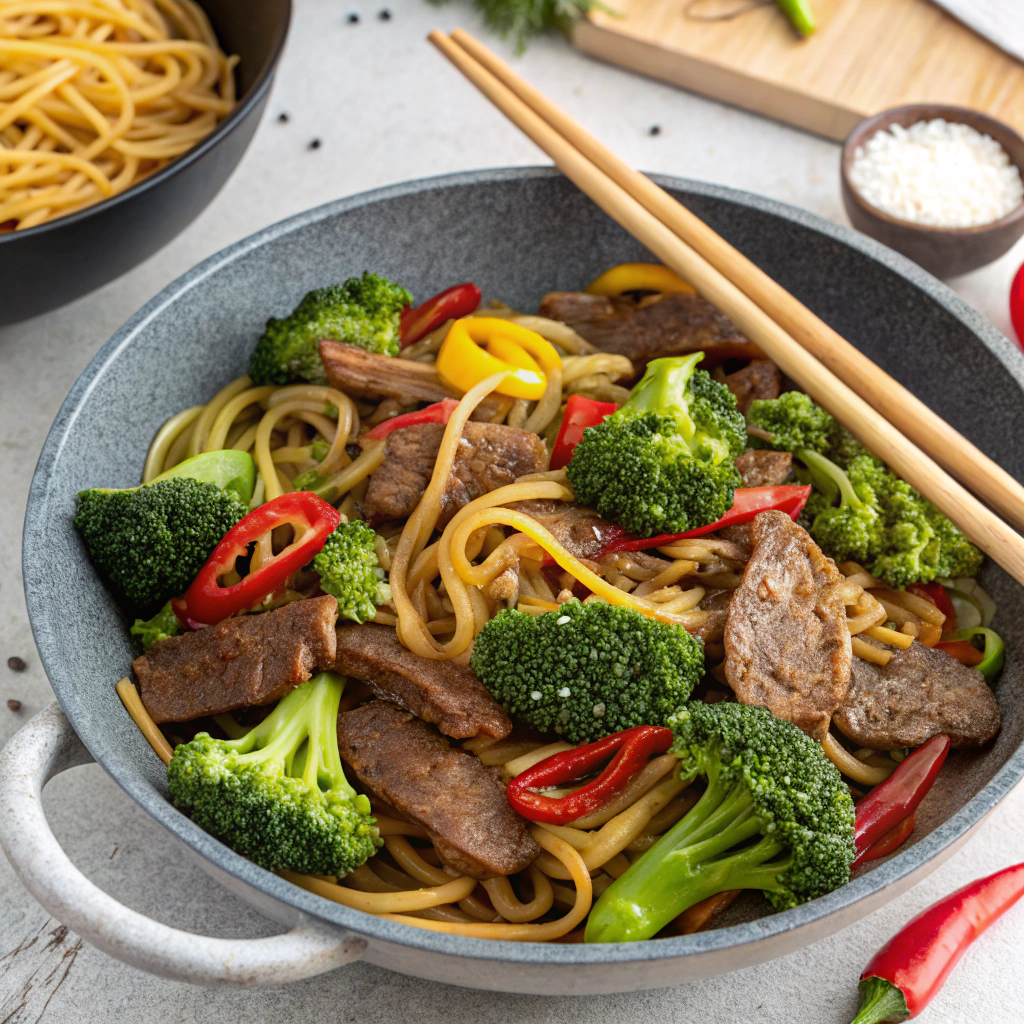
What if your weeknight dinner could taste like your favorite takeout—without the price tag, mystery ingredients, or soggy noodles? This Asian Beef Stir-Fry with Broccoli and Noodles is the fast, flavor-forward, takeout-style dinner you’ll actually crave, and it’s ready in about 25 minutes. Built on a savory garlic-ginger sauce, tender beef strips, and bouncy noodles, it’s the kind of “cook once, devour instantly” recipe that rewards a little prep with a lot of payoff.
I test recipes with a simple promise: fewer steps, bigger flavor, and repeatable results. This stir-fry delivers exactly that. The beef stays ultra-tender thanks to a classic velveting trick, the broccoli stays bright and crisp, and the noodles drink up the umami-rich sauce without turning greasy. Whether you call it beef lo mein, broccoli beef with noodles, or a weeknight wok wonder, this is your new pantry-friendly staple.
Ingredients List
Serves 4
Beef and Vegetables
- 1 pound (450 g) flank steak or sirloin, thinly sliced against the grain
- 4 cups broccoli florets (about 1 large head), bite-sized
- 1 small red bell pepper, thinly sliced (optional, for color and sweetness)
- 4 scallions, sliced (whites and greens separated)
- 3 cloves garlic, finely minced
- 1 tablespoon fresh ginger, finely minced or grated
Noodles
- 10 to 12 ounces (280–340 g) fresh lo mein noodles or medium egg noodles
- Substitutions: ramen bricks (discard seasoning), udon, spaghetti (al dente), or rice noodles for gluten-free
Beef Velveting Marinade (for tenderness)
- 1 tablespoon low-sodium soy sauce (or tamari)
- 1 tablespoon Shaoxing wine or dry sherry (optional but adds depth)
- 1 teaspoon cornstarch
- 1/4 teaspoon baking soda (optional; classic Chinese-restaurant tenderizer)
- 1 teaspoon neutral oil (canola, avocado, or peanut)
Stir-Fry Sauce
- 3 tablespoons low-sodium soy sauce
- 1 tablespoon dark soy sauce (boosts color and umami; optional)
- 1 tablespoon oyster sauce
- 1 tablespoon hoisin (optional for a touch of sweetness and body)
- 1 tablespoon rice vinegar or black vinegar
- 2 teaspoons brown sugar or honey
- 1/2 cup low-sodium beef broth or water
- 1 tablespoon cornstarch
- 1 teaspoon toasted sesame oil
- 1/4 teaspoon white pepper (or black pepper)
- Red chili flakes or 1 teaspoon chili-garlic sauce (optional heat)
For the Wok
- 2 tablespoons neutral high-heat oil
- Toasted sesame seeds and extra scallion greens for garnish
Smart swaps and sensory notes
- Beef cuts: Skirt steak works beautifully; tri-tip and flat iron are great too. Avoid stewing cuts.
- Oyster sauce sub: Mushroom stir-fry sauce (vegetarian) or extra dark soy + 1 tsp sugar.
- No fresh ginger? Use 1/2 teaspoon ground ginger or 1 tablespoon ginger paste.
- More veg: Snap peas, carrots, mushrooms, or baby bok choy slot in effortlessly.
- Gluten-free: Use tamari and rice noodles; double-check oyster/hoisin labels or use GF alternatives.
Timing
– Prep time: 15 minutes (includes slicing and quick marinade)
– Cook time: 10 minutes
– Total time: 25 minutes
Context: Most takeout-style stir-fries average 30–35 minutes when you include prep, blanching, and noodle cooking. This recipe hits the table about 20–30% faster by overlapping tasks (noodle boiling while the beef marinates) and using a single-pan finish.
Step 1: Slice and velvet the beef
– Freeze the steak for 10–15 minutes to firm it up, then slice very thinly against the grain. Place in a bowl with soy sauce, Shaoxing wine, cornstarch, baking soda (optional), and oil. Toss and rest 10 minutes while you prep the vegetables.
– Tip: Thin slices + a cornstarch coat = steakhouse tenderness in wok time. Baking soda raises pH slightly, preventing the proteins from tightening too much. If you’re sensitive to it, use half or skip.
Step 2: Mix the stir-fry sauce
– In a measuring cup, whisk soy sauces, oyster sauce, hoisin, vinegar, brown sugar, broth, cornstarch, sesame oil, white pepper, and chili if using.
– Tip: Stir the slurry again just before pouring—cornstarch sinks fast.
Step 3: Par-cook the broccoli
– Bring a pot of salted water to a boil. Add broccoli florets and blanch for 45–60 seconds until bright green and crisp-tender. Scoop out with a spider or slotted spoon; do not overcook.
– Tip: Blanching primes the broccoli so it stays crisp when it hits the wok’s intense heat.
Step 4: Cook the noodles
– In the same pot, cook noodles until just shy of package directions (slightly under al dente). Drain, rinse briefly under hot water to prevent sticking, and toss with a touch of oil.
– Tip: Undercook by a minute—noodles will finish in the sauce, absorbing flavor instead of water.
Step 5: Preheat your wok or skillet
– Heat a carbon steel wok or a large, heavy skillet over high heat until wisps of smoke appear. Add 1 tablespoon oil, swirl to coat.
– Tip: High heat is your “secret ingredient.” A ripping hot pan prevents sticking and promotes that signature smoky wok-kissed flavor.
Step 6: Sear the beef in batches
– Add half the beef in a single layer. Sear 45–60 seconds without moving, then stir-fry another 30 seconds until just browned. Transfer to a plate. Repeat with remaining oil and beef.
– Tip: Crowding steams the meat. Two quick batches = tender and caramelized, not gray.
Step 7: Aromatics and veggies
– Reduce heat slightly, add scallion whites, garlic, and ginger. Stir-fry 20–30 seconds until fragrant. Add bell pepper (if using) and toss 1 minute.
– Tip: Aromatics burn quickly—keep them moving and add a splash of water if the pan looks dry.
Step 8: Noodles + sauce
– Add noodles and broccoli to the pan. Give the sauce a quick stir and pour it in. Toss energetically with tongs until everything is glossy and the sauce thickens, about 60–90 seconds.
– Tip: If the sauce tightens too much, add 2–3 tablespoons water to loosen.
Step 9: Finish and serve
– Return beef to the pan with any juices. Toss to combine, turn off the heat, and finish with scallion greens and a sprinkle of sesame seeds. Taste and adjust: a splash of vinegar for brightness, a pinch of sugar for balance, or extra chili for heat.
– Tip: Don’t simmer the beef in the sauce—carryover heat finishes it without drying it out.
Step 10: Plate like takeout (minus the wait)
– Twirl noodles into bowls for height, layer beef and broccoli on top, and drizzle any remaining sauce from the pan. Serve immediately.
Nutritional Information
Per serving (approximate, based on 4 servings):
– Calories: 560
– Protein: 37 g
– Carbohydrates: 58 g
– Dietary Fiber: 5 g
– Total Fat: 18 g
– Saturated Fat: 4 g
– Sodium: 1,200–1,350 mg
– Sugars: 8–10 g
Data-driven notes:
- Using low-sodium soy and broth trims sodium by roughly 25–35% compared to standard versions.
- Flank steak provides iron and B12; broccoli contributes vitamin C, K, and fiber. The protein-to-carb ratio (roughly 0.64:1) supports satiety for a noodle-based dish.
- Swapping in whole-wheat or high-protein noodles can raise fiber to 8–10 g and protein to 40+ g per serving.
Healthier Alternatives for the Recipe
– Reduce sodium: Use 50/50 low-sodium soy and water or tamari; skip dark soy and add 1/2 teaspoon molasses for color.
– Higher protein, lower fat: Choose top round or eye of round, slice thin, and marinate a bit longer (15 minutes). Use 1 tablespoon oil total.
– More fiber and micronutrients: Double the broccoli and add mushrooms or bok choy; swap in whole-wheat spaghetti or edamame noodles.
– Gluten-free: Use tamari, GF oyster sauce, and rice noodles. Check labels on hoisin or use a simple mix of tamari + honey + five-spice for sweetness.
– Lower sugar: Replace brown sugar with granulated erythritol or a few drops of monk fruit sweetener; balance with a little extra vinegar.
– Dairy-free: Already dairy-free—just confirm your noodle choice.
– Vegetarian/vegan: Replace beef with extra-firm tofu (pressed, tossed with 1 tablespoon cornstarch) or seitan strips. Use mushroom stir-fry sauce instead of oyster sauce.
Flavor-preserving swaps:
- To keep umami high when cutting sugar, add 1/2 teaspoon fish sauce (non-veg) or 1 teaspoon white miso (veg), which boosts depth without sweetness.
Serving Suggestions
– At-home takeout spread: Serve with quick smashed cucumber salad, chili crisp, and lime wedges. The acid and heat brighten the savory noodles.
– Crunch factor: Top with crispy shallots or roasted peanuts for texture contrast.
– Veg-forward bowls: Add a handful of bean sprouts right at the end for fresh snap.
– Family-style platter: Pile everything onto a warm platter and let everyone serve themselves. Keep a tiny bowl of hot water nearby to loosen noodles if needed.
– Lunch-box friendly: Pack with orange slices or pickled veggies for a sweet-tangy counterpoint that keeps the palate refreshed.
If you’re in the mood for a cozy, slow-simmered contrast on another night, check out our Hearty Beef Stew with Pearl Onions and Peas—a totally different direction with the same beefy comfort.
Common Mistakes to Avoid
– Overcrowding the pan: Leads to steaming, gray beef, and soggy noodles. Always sear beef in batches.
– Skipping the marinade: The cornstarch and splash of oil protect the meat from overcooking. Even a 10-minute velvet makes a difference.
– Overcooking broccoli: Blanch briefly and finish in the sauce. Limp florets absorb oil and lose color.
– Not preheating the wok: A cool pan breaks this dish; high heat is essential for quick, crisp results.
– Using too much sauce: More isn’t better. You want glossy, clinging noodles—not a soupy pan.
– Neglecting noodle doneness: Slightly undercook. Overcooked noodles break and turn mushy when tossed.
– Forgetting to re-stir the slurry: Cornstarch settles quickly; always whisk just before adding.
– Salting the sauce too early: Taste at the end and adjust—especially when using dark soy or oyster sauce.
Storing Tips for the Recipe
Leftovers
– Refrigeration: Store in an airtight container up to 3–4 days.
– Reheat: Skillet over medium with a splash of water or broth (2–3 tablespoons) to re-gloss the sauce. Microwave in 45-second bursts, tossing between intervals.
– Texture tip: Add a tiny drizzle of sesame oil after reheating to refresh aroma.
Make-ahead prep
- Sauce: Whisk and refrigerate up to 5 days. Shake before using.
- Beef: Slice and velvet, then refrigerate up to 24 hours. For longer, freeze sliced raw beef (flat-pack) for up to 2 months; thaw overnight, then marinate 10 minutes before cooking.
- Veggies: Blanch broccoli, chill, and store up to 2 days for lightning-fast weeknights.
- Noodles: Cook and toss with a teaspoon of oil; refrigerate up to 2 days. Rinse with hot water before stir-frying to loosen.
Freezing
- Finished dish isn’t ideal for freezing (noodles soften). If freezing, store the cooked beef and sauce separately, then add fresh noodles/veg when reheating.
Conclusion
In under 30 minutes, you’ve captured the joy of takeout in your own kitchen: ultra-tender beef, crisp broccoli, and springy noodles finished in a glossy, umami-loaded sauce. This Asian Beef Stir-Fry with Broccoli and Noodles streamlines technique without sacrificing flavor—velveting for tenderness, quick blanching for vivid veg, and a balanced sauce that clings rather than drowns.
Ready to cook it on repeat? Bookmark this recipe, try a spicy version with chili-garlic sauce, and tell me how you personalized it—different noodles, extra veg, or a leaner cut. Drop a comment with your tweaks, share a photo, and pass the recipe to a friend who loves a fast, takeout-style dinner at home.
FAQs
Q: What’s the best cut of beef?
A: Flank steak and sirloin are top picks for quick stir-fries. Flat iron and skirt steak also work. Slice very thin against the grain and velvet for tenderness.
Q: Can I use frozen broccoli?
A: Yes. Thaw and pat dry, then add straight to the pan after the aromatics. Skip blanching and cook just until warm and bright to avoid sogginess.
Q: I don’t have a wok—will a skillet work?
A: Absolutely. Use the largest, heaviest skillet you have and preheat well. Work in batches to maintain high heat.
Q: How do I keep the noodles from clumping?
A: Rinse briefly after cooking and toss with a touch of oil. If they clump while waiting, rinse with hot water to loosen before stir-frying.
Q: Can I make this gluten-free?
A: Yes—use tamari, GF oyster/hoisin, and rice noodles or GF ramen. Always verify labels.
Q: What if I don’t have oyster sauce?
A: Use mushroom stir-fry sauce (veg), or increase dark soy slightly and add 1/2 teaspoon sugar. A dab of white miso can also boost savory notes.
Q: Is baking soda necessary in the marinade?
A: It’s optional. It helps tenderize, but cornstarch + slicing thinly already keeps beef tender. If you use it, stick to 1/4 teaspoon per pound and don’t marinate longer than 30 minutes.
Q: Can I make it spicier?
A: Yes. Add chili-garlic sauce or crushed red pepper to the sauce, or finish with chili crisp at the table.
Q: How do I double the recipe?
A: Double all ingredients but cook in two rounds: beef in two batches, then divide noodles/veg so you don’t overcrowd the pan. Keep the same timing.
Q: Any noodle alternatives that still feel like takeout?
A: Fresh lo mein or egg noodles are classic. Udon offers chewy heft; ramen is convenient; spaghetti works in a pinch. For high-protein, try edamame noodles.
Q: Can I prep this for weekly lunches?
A: Yes—portion into airtight containers with extra scallions and sesame seeds. Reheat gently with a splash of water. Stir in a little fresh chili oil after heating to revive aromatics.
Q: How does this compare to restaurant takeout?
A: You control the sodium and oil, and the noodles arrive at the table with perfect bite. It’s typically 20–30% faster than delivery during peak hours and costs a fraction per serving. For a different take and technique comparison, see this reference on quick beef stir-fry noodles—you’ll notice similar principles of high heat, rapid cooking, and balanced sauces.
Optional Chef’s Notes
– Wok hei at home: Preheat until you see light smoke, use dry ingredients, and keep batches small. A drop or two of neutral oil drizzled along the wok sides can help vaporize aromatics for extra aroma.
– Flavor balance: If the dish tastes flat, add acid (a dash more vinegar). If it’s too sharp or salty, add a pinch of sugar or a splash of water to dilute. If it’s dull, finish with sesame oil or scallion greens for lift.
– Texture trio: Tender beef, crisp-tender broccoli, bouncy noodles. Time each element for contrast; don’t let one dominate the pan too long.