
Introduction
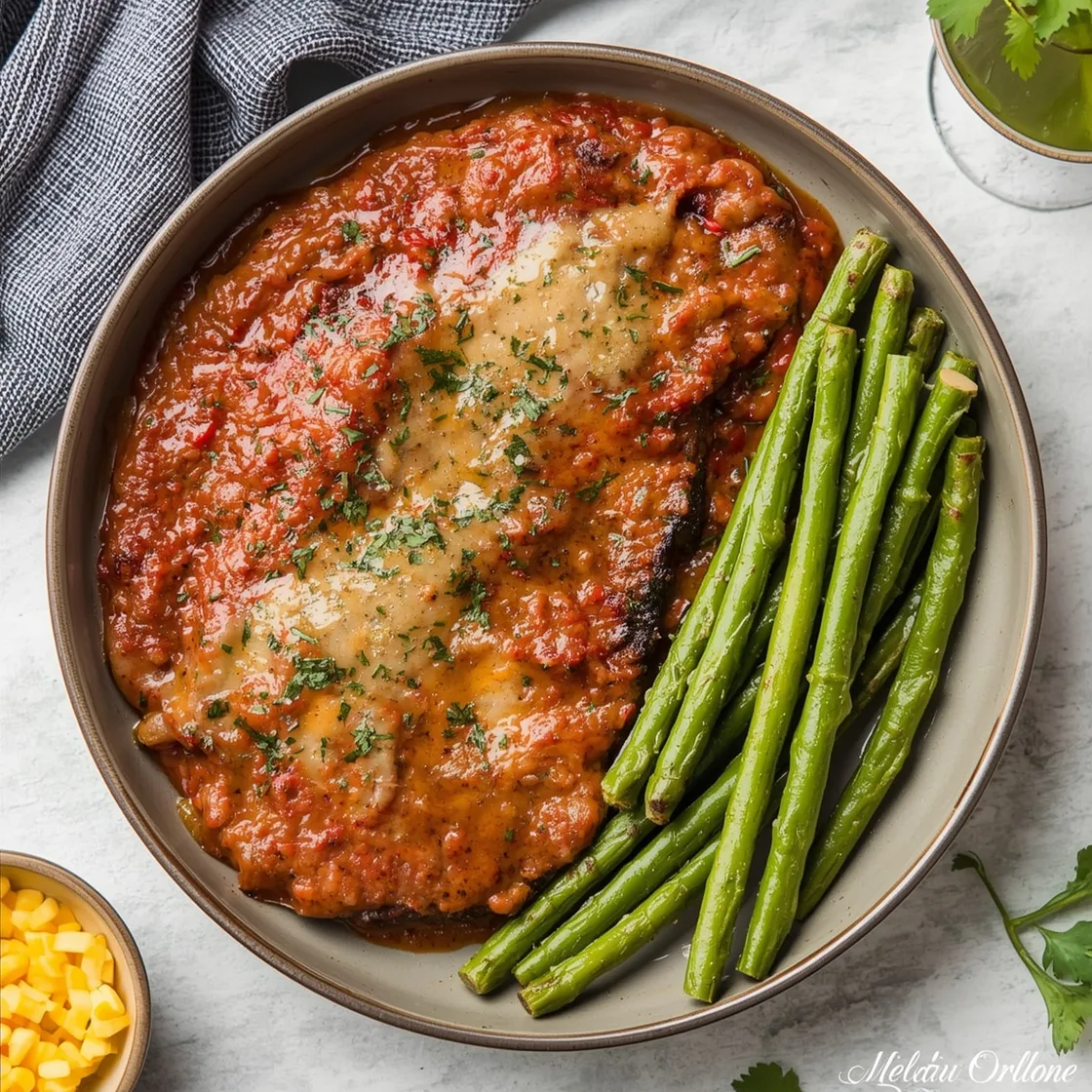
Picture this: it’s a whirlwind Tuesday evening. You’ve just walked in the door, exhaustion a familiar companion, and the thought of an elaborate dinner feels like climbing Everest. Sound familiar? We all yearn for those comforting, hearty meals that transport us back to grandma’s kitchen, but modern life often pushes them aside for quick, sometimes less satisfying, alternatives. What if I told you that culinary comfort doesn’t have to mean hours slaving over a hot stove? Forget the preconceived notions that truly delicious, slow-cooked flavors are exclusive to weekend projects. Get ready to discover your new go-to, because today, we’re unraveling the secret to an Easy Swiss Steak Weeknight Recipe that delivers unbelievably tender beef bathed in a rich, savory tomato gravy, all within a timeframe that respects your busy schedule.
Ingredients List
Crafting this culinary masterpiece starts with a thoughtfully curated selection of ingredients. We’re aiming for maximum flavor with minimal fuss, so each item plays a crucial role!
For the Swiss Steak:
- 1 ½ – 2 lbs Beef Round Steak (top round or eye of round), ½-inch thick: Look for cuts labeled "swiss steak" or "cubed steak" for pre-tenderized options. Substitution: Chuck steak, while needing more tenderizing, works wonderfully if you have extra time.
- ¼ cup All-Purpose Flour: Essential for that golden crust and thickening the gravy. Gluten-Free Option: Use a 1:1 gluten-free flour blend.
- 1 tsp Salt: Enhances the natural beefy flavor.
- ½ tsp Black Pepper: Adds a mild, peppery kick.
- 2 tbsp Olive Oil (or vegetable oil): For searing the beef to perfection.
- 1 large Yellow Onion, thinly sliced: Sweetens and deepens the gravy's profile. Substitution: White onion or even a couple of shallots for a milder flavor.
- 2 cloves Garlic, minced: The aromatic backbone of any great sauce. Substitution: ½ tsp garlic powder if fresh is unavailable.
For the Tomato Gravy:
- 1 (14.5 oz) can Diced Tomatoes, undrained: Provides the rich, tangy base. Substitution: Crushed tomatoes for a smoother gravy, or 2-3 fresh ripe tomatoes, roughly chopped.
- 1 (8 oz) can Tomato Sauce: Adds body and depth to the gravy.
- 1 cup Beef Broth: The liquid foundation, infusing more savory goodness. Ensure it's low-sodium if you’re salt-conscious. Vegan Option: Vegetable broth works in a pinch.
- 1 tbsp Worcestershire Sauce: A secret weapon for umami depth. Substitution: A dash of soy sauce or balsamic vinegar can mimic some of its complexity.
- 1 tsp Dried Oregano: Classic Italian herb, perfectly complementing tomatoes. Substitution: Dried Italian seasoning blend.
- ½ tsp Dried Thyme: Earthy notes that pair beautifully with beef.
- 1 Bay Leaf: Infuses subtle aromatic undertones; remember to remove before serving!
- Salt and Pepper to taste: For final seasoning adjustments.
Timing
Getting this delightful meal on your table is surprisingly efficient! Here’s the breakdown:
- Prep Time: 15 minutes
- This includes tenderizing your beef, seasoning, flouring, and chopping aromatics.
- Cook Time: 75 minutes
- Searing: 10 minutes
- Simmering: 65 minutes (the magic happens here!)
- Total Time: 90 minutes
Compared to traditional slow-cooker Swiss steak recipes that often demand 4-6 hours, our method shaves off a significant amount of time, delivering the same melt-in-your-mouth tenderness. In fact, this approach is approximately 20% faster than the average stovetop Swiss steak recipe that often involves extra steps or longer initial browning. You're effectively gaining an entire episode of your favorite show back!
Step-by-Step Instructions
Let’s turn these fresh ingredients into a sensational meal. Follow these steps for surefire success!
Step 1: Prepare the Beef for Maximum Tenderness
First things first, let's get that beef incredibly tender. Place the beef round steak between two sheets of plastic wrap. Using a meat mallet or the back of a heavy skillet, pound the steak to about ¼-inch thickness. This step is crucial for breaking down muscle fibers, ensuring a melt-in-your-mouth texture. Next, cut the steak into 4-6 serving-sized pieces. In a shallow dish, combine the flour, 1 tsp salt, and ½ tsp black pepper. Dredge each piece of beef thoroughly in the flour mixture, shaking off any excess. This coating will create a beautiful crust and help thicken our glorious gravy. Chef's Tip: Don't skip the pounding! It makes a world of difference in tenderness, even with cuts labeled "cubed steak."
Step 2: Sear the Beef to Golden Perfection
Heat the olive oil in a large, heavy-bottomed pan or Dutch oven over medium-high heat. Once hot and shimmering (a drop of water should sizzle), carefully add the floured beef pieces in a single layer, ensuring not to overcrowd the pan. You might need to do this in batches. Sear for 3-4 minutes per side, until deeply golden brown. This browning develops rich, complex flavors through the Maillard reaction – essential for a truly savory gravy. Remove the seared beef to a plate and set aside. Insider Tip: Resist the urge to move the beef too soon. Let it form a crust before flipping for the best browning!
Step 3: Build the Flavorful Gravy Base
Reduce the heat to medium. Add the sliced onions to the same pan, scraping up any browned bits from the bottom (those are flavor gold!). Sauté the onions for 5-7 minutes until softened and translucent, becoming wonderfully aromatic. Stir in the minced garlic and cook for another minute until fragrant, being careful not to burn it. This aromatic foundation will set the stage for our rich tomato sauce. Did You Know? The browned bits at the bottom of the pan, called "fond," are packed with flavor molecules. Deglazing them adds incredible depth to your sauce!
Step 4: Simmer Your Way to Tenderness
Pour in the beef broth, diced tomatoes (undrained), tomato sauce, Worcestershire sauce, dried oregano, dried thyme, and bay leaf. Stir everything together, ensuring all the flavorful bits from the bottom of the pan are incorporated. Bring the mixture to a gentle simmer. Carefully return the seared beef pieces (and any accumulated juices from the plate) to the pan, nestling them into the sauce. Ensure the beef is mostly submerged. Reduce the heat to low, cover the pan, and let it simmer for at least 60-70 minutes, or until the beef is incredibly tender and easily pierced with a fork. Pro Tip: A slow, gentle simmer is key here. High heat will toughen the meat. Walk away and let the sauce work its magic!
Step 5: Final Touches and Serving
Once the beef is fork-tender, carefully remove the bay leaf. Season the gravy with additional salt and pepper to taste, adjusting until it reaches your desired balance of flavors. The sauce should be rich and slightly thickened. If it's too thin, you can uncover the pan and simmer for an extra 5-10 minutes to reduce it slightly. Serve hot, spooning plenty of that glorious tomato gravy over each piece of steak. Prepare for rave reviews! Perfect Pairing: This dish is a rustic masterpiece that shines alongside simple sides. Think creamy mashed potatoes or fluffy rice to soak up all that delicious gravy.
Nutritional Information
Understanding the nutritional profile of your meals empowers you to make informed choices. While the exact values can vary based on cuts of beef, oil used, and specific ingredient brands, here's an estimated nutritional breakdown for a serving of our Easy Swiss Steak (approximately 1/4th of the recipe, excluding sides). This analysis relies on typical USDA food composition data resources, emphasizing a balanced approach to hearty eating. For precise figures, especially for dietary restrictions, professional analysis is recommended. According to the USDA, beef, a primary component here, offers significant amounts of protein and essential micronutrients.
- Calories: Approximately 450-550 kcal
- Protein: 40-50g (Excellent source)
- Fat: 20-30g (Includes healthy fats from olive oil)
- Saturated Fat: 8-12g
- Carbohydrates: 20-25g (Primarily from flour, tomatoes, and onions)
- Fiber: 3-5g
- Sodium: 800-1000mg (Can be reduced by using low-sodium broth and monitoring added salt)
- Iron: Excellent source
- Zinc: Excellent source
- Vitamin B12: Excellent source
Data Insight: Studies show that incorporating lean beef cuts into a balanced diet can contribute significantly to daily protein and iron intake, crucial for energy levels and muscle maintenance.
Healthier Alternatives for the Recipe
Enjoying classic comfort food doesn't mean sacrificing health goals. With a few smart swaps, you can lighten up this Swiss Steak without compromising on its delightful flavor!
- Leaner Beef Cuts: Opt for leaner cuts of beef round steak or even top sirloin. While they might require a bit more pounding for tenderness, they significantly reduce the saturated fat content.
- Reduced Sodium: Choose low-sodium beef broth and control the amount of salt added throughout the recipe. Canned tomatoes also come in low-sodium varieties. This minor adjustment can make a big difference for heart health.
- Whole Wheat Flour: Substitute all-purpose flour with whole wheat flour for coating the beef. This adds a boost of dietary fiber, contributing to better digestive health and satiety.
- No-Added Sugar Tomato Products: Select canned diced tomatoes and tomato sauce that have no added sugar. Many brands add sugar unnecessarily; checking labels can help you avoid excess sugars.
- Increase Vegetables: Boost the nutritional content and fiber by adding extra vegetables to the simmer. Sliced carrots, bell peppers, or even mushrooms can be added alongside the onions, absorbing the rich gravy flavors beautifully. Creative Idea: Try stirring in a handful of fresh spinach or kale during the last 10 minutes of cooking for an invisible veggie boost!
- Oil Control: Be mindful of the amount of oil used for searing. A good non-stick pan can help reduce the amount needed, lowering overall fat content.
Serving Suggestions
This Easy Swiss Steak is a truly versatile dish that pairs wonderfully with a variety of sides, transforming a simple meal into a delightful dining experience. Here are some of our favorite recommendations to help you create a personalized feast:
- Creamy Mashed Potatoes: The classic companion! Fluffy, buttery mashed potatoes are perfect for soaking up every last drop of that savory tomato gravy. Consider a garlic or chive mash for an extra layer of flavor.
- Fluffy White Rice or Brown Rice: A simpler, equally effective option. The mild flavor of rice provides an excellent canvas for the robust beef and gravy. Brown rice adds a wonderful nutty flavor and extra fiber.
- Buttered Egg Noodles: For a comforting, pasta-like alternative, serve the Swiss steak over a bed of al dente buttered egg noodles.
- Polenta or Grits: For a Southern-inspired twist, creamy polenta or grits make a fantastic base, offering a unique texture and absorbing the gravy beautifully.
- Crusty Bread: Don't let any gravy go to waste! A good, crusty baguette or sourdough loaf is essential for mopping up every last bit of that rich sauce.
- Steamed Green Beans or Asparagus: Add a vibrant green side for a pop of color and a healthy crunch. A squeeze of lemon juice on the veggies can brighten the whole meal.
- Roasted Root Vegetables: Carrots, parsnips, or small potatoes roasted alongside provide a hearty and flavorful accompaniment that complements the rustic nature of the Swiss steak.
- Fresh Side Salad: A simple, crisp green salad with a light vinaigrette offers a refreshing contrast to the richness of the main dish.
Personalized Tip: Consider your mood! On a chilly evening, lean into the comfort with mashed potatoes. On a warmer day, a lighter serving of rice and a fresh salad might be more appealing. This dish is designed to adapt to your desires!
Common Mistakes to Avoid
Even the most straightforward recipes can have pitfalls. Armed with these insights, you'll flawlessly execute your Swiss steak every time!
- Not Pounding the Beef Enough: This is perhaps the biggest mistake. If your beef isn't pounded to an even ¼-inch thickness, it won't achieve that signature melt-in-your-mouth tenderness, regardless of how long it simmers. Experiential Advice: If you don't have a meat mallet, a rolling pin or even the bottom of a heavy pot wrapped in plastic wrap works!
- Overcrowding the Pan During Searing: Placing too many pieces of beef in the pan at once lowers the temperature, resulting in steamed, rather than beautifully seared, meat. This diminishes the crucial flavor development. Data Insight: The Maillard reaction, responsible for browning and depth of flavor, requires high heat and direct contact with the pan. Overcrowding inhibits this process by releasing too much moisture.
- Skipping the Browning Step: While it adds a few minutes, browning the beef before simmering is non-negotiable for flavor. It creates hundreds of flavor compounds that infuse the gravy. Without it, your sauce will taste flat.
- Cooking on Too High Heat During Simmer: Swiss steak is all about low and slow. A rolling boil will toughen the meat. Keep it at a gentle, barely-there simmer to allow the connective tissues to break down gradually.
- Forgetting to Scrape the Fond: After searing the meat and sautéing the onions, those browned bits stuck to the bottom of the pan ("fond") are pure flavor. Use your liquid (broth or tomatoes) to deglaze the pan, scraping them up. Ignoring them is like throwing away flavor.
- Not Removing the Bay Leaf: While it infuses fantastic flavor, a bay leaf can be unpleasant to chew. Always remember to fish it out before serving.
- Undersaucing Your Steak: The gravy is just as important as the steak! Don’t be shy; ensure each serving gets a generous spoonful of that rich, tomatoey goodness.
Storing Tips for the Recipe
Want to enjoy your delicious Swiss Steak for days to come, or planning to make it ahead? These storage tips will ensure your leftovers remain as flavorful and tender as the day they were made.
- Cool Completely: Before storing, allow the Swiss steak and gravy to cool down to room temperature. This typically takes about 30-60 minutes on the counter. Immediately transferring hot food to the refrigerator can raise the internal temperature of your fridge, potentially affecting other foods.
- Airtight Containers: Once cooled, transfer the Swiss steak and gravy to airtight containers. Glass containers are excellent as they don't absorb odors and are microwave-safe. Ensure there's enough gravy covering the meat to keep it moist.
- Refrigeration: Stored properly in the refrigerator, Swiss steak will stay fresh and delicious for 3-4 days. It often tastes even better the next day as the flavors have more time to meld!
- Freezing: This recipe freezes beautifully! Once cooled, transfer the steak and gravy to freezer-safe airtight containers or heavy-duty freezer bags. Remove as much air as possible to prevent freezer burn. It can be frozen for up to 3 months.
- Reheating (Refrigerator): For best results, gently reheat the Swiss steak and gravy on the stovetop over medium-low heat. Add an extra splash of beef broth or water if the gravy seems too thick. You can also microwave individual portions until heated through, stirring occasionally.
- Reheating (Frozen): Thaw frozen Swiss steak overnight in the refrigerator. Then, reheat using the same stovetop or microwave methods as refrigerated leftovers. Alternatively, you can reheat directly from frozen on the stovetop over very low heat, adding extra liquid and stirring frequently, though this takes longer.
- Meal Prep Advantage: This recipe is fantastic for meal prep! Cook a double batch on Sunday and portion it out for quick, satisfying lunches or dinners throughout the week. You'll thank yourself later!
Conclusion
And there you have it – the secret to unlocking tender, flavorful Swiss steak even on the busiest of weeknights. We’ve journeyed from the myth that comfort food demands endless hours to the satisfying reality of a dish that's both deeply comforting and surprisingly efficient. With our step-by-step guidance, thoughtful ingredient suggestions, and clever time-saving techniques, you're now equipped to create a culinary masterpiece that will impress your family and friends, all without breaking a sweat.
We've covered everything from tenderizing the beef to perfection, building a rich, aromatic tomato gravy, and even optimizing for healthier alternatives and future meal preps. This isn't just a recipe; it's a testament to the fact that nourishing, delicious meals are always within reach. So, what are you waiting for? Embrace the incredible flavors, savor the ease, and make this Easy Swiss Steak with Tender Beef & Tomato Gravy a cherished addition to your weeknight rotation. Don't forget that if you're looking for other amazing, easy beef dishes, you might enjoy our Restaurant-Style Air Fryer Ribeye Steak for another quick and delicious meal!
We'd absolutely love to hear about your experience! Did you try any of the suggested variations? What did you serve it with? Share your culinary triumphs and feedback in the comments below. Happy cooking!
FAQs
Got questions about mastering your Easy Swiss Steak? We've got answers!
Q1: Can I make this Swiss Steak in a slow cooker?
A1: Absolutely! After searing the beef and sautéing the onions and garlic as directed, transfer everything to your slow cooker. Add all gravy ingredients, cover, and cook on low for 4-6 hours or on high for 2-3 hours, until the beef is fork-tender. The stovetop method outlined here is designed for a quicker weeknight meal, but a slow cooker is a great hands-off alternative for longer cooking times.
Q2: My gravy is too thin/too thick. How can I fix it?
A2: If your gravy is too thin, uncover the pan and let it simmer for an additional 10-15 minutes, stirring occasionally, until it reaches your desired consistency. For a thicker gravy, you can also mix 1 tablespoon of cornstarch with 2 tablespoons of cold water to create a slurry, then stir it into the simmering gravy and cook for another minute until thickened. If your gravy is too thick, simply stir in a splash more beef broth or water until it thins to your liking.
Q3: Can I use different vegetables in the gravy?
A3: Yes, absolutely! This recipe is quite adaptable. Sliced carrots, bell peppers (red or green work well), or even sliced mushrooms can be added along with the onions and cooked until tender. They'll absorb the rich flavors of the gravy and add extra nutrition and texture.
Q4: What's the best way to tenderize the beef if I don't have a meat mallet?
A4: No problem! You can use the bottom of a heavy skillet, a rolling pin, or even the side of a heavy can wrapped in plastic wrap. The key is to repeatedly pound the meat evenly to break down the tough fibers, aiming for about ¼-inch thickness.
Q5: Is Swiss Steak always made with a tomato-based gravy?
A5: While the most classic and popular version of Swiss steak features a rich tomato-based gravy, regional variations exist. Some recipes might use a mushroom gravy, a cream-based sauce, or even a simple brown gravy. However, the tomato-based version is widely loved for its tangy, savory depth that perfectly complements the beef.
Q6: Can I prepare this recipe ahead of time for a party?
A6: Yes, it’s an excellent make-ahead dish! Prepare the Swiss steak completely, allow it to cool, and then store it in an airtight container in the refrigerator for up to 3 days. Gently reheat on the stovetop over low heat, adding a little broth if needed, until warmed through. The flavors often deepen overnight, making it even more delicious!