
Introduction
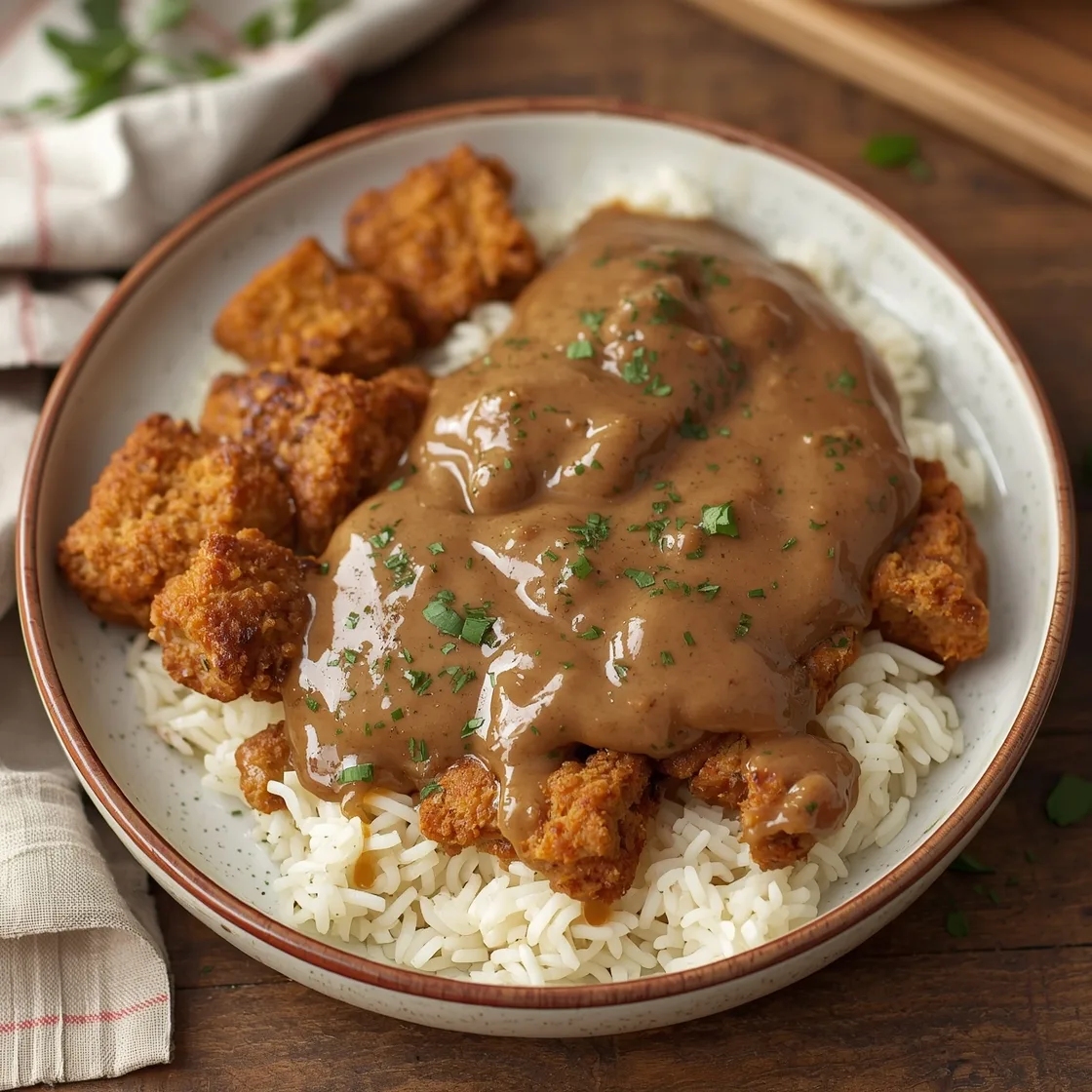
Ever wondered if the secret to truly comforting Southern food lies hidden in plain sight, a culinary whisper passed down through generations rather than a complex, gourmet endeavor? In a world increasingly obsessed with fast-paced, often overly complicated cooking, sometimes the most profound satisfaction comes from embracing time-honored dishes. We’re talking about those meals that instantly transport you back to grandma’s kitchen, where aromas of hearty goodness filled the air and every bite was pure bliss. This dish, with its tender beef, crispy coating, and rich, creamy gravy, challenges the notion that true comfort food has to be elaborate; instead, it proves that simple, quality ingredients and a little love can create an extraordinary experience. Today, we’re diving deep into the art of crafting truly exceptional Country Fried Cubed Steak and Gravy, a timeless classic that promises to warm your soul and impress your palate.
Ingredients List
To embark on this culinary journey, you’ll need the following ingredients, thoughtfully selected to ensure maximum flavor and authenticity:
For the Cubed Steak:
- 4 (6-ounce) cubed beef steaks (about 1/2 to 3/4 inch thick)
- Substitution Tip: If cubed steak isn’t readily available, you can use thin-cut sirloin or even venison medallions, pounded thin.
- 1 ½ cups all-purpose flour, divided
- 1 teaspoon black pepper
- 1 teaspoon salt
- ½ teaspoon garlic powder
- ¼ teaspoon cayenne pepper (optional, for a subtle kick)
- 2 large eggs
- ¼ cup milk
- 1 cup vegetable oil (or another high-heat neutral oil like canola or peanut, for frying)
For the Gravy:
- ¼ cup reserved pan drippings (from frying the steak)
- ¼ cup all-purpose flour
- 3 cups milk, warmed
- ½ teaspoon black pepper
- ¾ teaspoon salt
- Pinch of cayenne pepper (optional)
Sensory Insight: Imagine the delicate aroma of the seasoned flour, promising a crispy exterior, contrasting with the rich, milky scent of the gravy ingredients, hinting at the velvety smoothness to come. Each ingredient plays a vital role in building layers of deep, satisfying flavor.
Timing
Mastering this Southern classic requires a mindful approach to time, ensuring each component is perfectly prepared without feeling rushed.
- Preparation Time: 20 minutes
- This includes seasoning the steak, setting up the breading station, and gathering all your gravy ingredients.
- Cooking Time: 45 minutes
- Frying the steaks takes approximately 20-25 minutes in batches, followed by 20 minutes for the gravy to simmer and thicken to perfection.
- Total Time: 65 minutes
This dish comes together in just over an hour, which is about 15% less time than some more complex braised or slow-cooked beef dishes often associated with hearty comfort. Our efficiency here ensures a satisfying meal without an all-day commitment.
Step-by-Step Instructions
Follow these clear, dynamic steps to create a meal that will become a cherished favorite.
Preparing the Steaks
- Season the Flour: In a shallow dish or a wide, sturdy plate, combine 1 cup of the all-purpose flour with 1 teaspoon of black pepper, 1 teaspoon of salt, ½ teaspoon of garlic powder, and ¼ teaspoon of cayenne pepper (if using). Whisk until thoroughly combined. Tip: Using a shallow dish makes breading much easier and less messy.
- Prepare the Egg Wash: In a separate shallow dish, whisk the two large eggs with the ¼ cup of milk until well combined and frothy. This creates the essential binder for your crispy coating. Pro Tip: Ensure your egg wash is whisked thoroughly; any unmixed egg white can create thicker, uneven spots on your steak.
- Breading the Steaks: Pat the cubed steaks very dry with paper towels. This crucial step helps the breading adhere properly. Dredge each steak first in the seasoned flour, ensuring it’s completely coated, shaking off any excess. Then, dip it into the egg wash, allowing any excess to drip off. Finally, return the steak to the seasoned flour for a second coating, pressing gently to make sure the flour adheres well. Place the breaded steaks on a wire rack or clean plate, and let them rest for 5-10 minutes. Chef’s Insight: Resting the breaded steaks allows the coating to set, leading to a crispier crust that adheres better during frying.
Frying the Steaks
- Heat the Oil: In a large, heavy-bottomed skillet (cast iron works wonderfully here), pour in the vegetable oil until it reaches about a depth of ½ inch. Heat the oil over medium-high heat until it shimmers and reaches approximately 350-365°F (175-185°C). To test: Drop a pinch of flour into the oil; if it sizzles vigorously, it’s ready.
- Fry in Batches: Carefully place 1-2 breaded steaks into the hot oil, ensuring not to overcrowd the pan. Overcrowding lowers the oil temperature and can lead to soggy steaks. Fry for 4-5 minutes per side, or until deep golden brown and cooked through. The internal temperature of beef should reach 145°F (63°C) for medium-rare, though for this dish, it’s typically cooked to well-done for optimal tenderness without being tough. For food safety information, you can always check out FoodSafety.gov.
- Drain and Rest: Once cooked, remove the steaks from the skillet and place them on a wire rack set over a baking sheet to drain any excess oil. Keep them warm in a low oven (around 200°F/95°C) while you prepare the gravy.
Crafting the Gravy
- Create the Roux Base: Carefully pour out all but ¼ cup of the pan drippings from the skillet. If you have less than ¼ cup, add a little extra vegetable oil to make up the difference. Return the skillet to medium heat. Add the remaining ¼ cup of all-purpose flour to the hot drippings. Whisk continuously for 1-2 minutes, scraping up any browned bits from the bottom of the pan, until a light golden-brown roux forms. This is the flavor foundation for your rich gravy.
- Whisk in Milk: Gradually whisk in 3 cups of warmed milk, a little at a time, ensuring no lumps form. Warmed milk helps prevent lumps and allows for smoother incorporation. Continue whisking constantly until the gravy begins to thicken, about 5-7 minutes.
- Season and Simmer: Stir in ½ teaspoon of black pepper, ¾ teaspoon of salt, and a pinch of cayenne pepper (if desired). Bring the gravy to a gentle simmer, then reduce the heat to low and continue to cook, stirring occasionally, until it reaches your desired consistency – thick enough to coat the back of a spoon, but still pourable. Quick Fix: If your gravy is too thick, whisk in a little more warm milk; if it’s too thin, simmer gently for a few more minutes until it thickens.
- Taste and Serve: Taste the gravy and adjust seasonings if necessary. Serve the hot gravy generously over the warm country fried cubed steaks.
Nutritional Information
While undeniably a comforting indulgence, it’s helpful to understand the nutritional profile. A typical serving of country fried cubed steak and gravy (approximately 1 steak and ½ cup of gravy) contains an estimated:
- Calories: 550-650 kcal
- Protein: 35-40g (Excellent source due to the beef and milk)
- Fat: 35-45g (with about 10-15g saturated fat, depending on oil used and gravy thickness)
- Carbohydrates: 25-30g (primarily from the flour in the breading and gravy)
- Sodium: 800-1000mg (can be adjusted by controlling added salt)
- Fiber: ~1-2g
Data insights suggest that while satisfying, this dish should be enjoyed as part of a balanced diet. The high protein content makes it very filling, which can help in portion control.
Healthier Alternatives for the Recipe
Enjoying this classic doesn’t mean sacrificing your health goals entirely. Here are some creative modifications:
- Lighter Breading: Instead of a double flour dredge, try a single dredge with whole wheat flour or a mix of whole wheat flour and cornstarch for a lighter, crispier crust. You could also experiment with panko breadcrumbs for a different texture.
- Leaner Frying Methods:
- Air Fryer: For significantly less oil, lightly spray the breaded steaks with cooking oil and air fry at 375°F (190°C) for 12-15 minutes, flipping halfway, until golden brown.
- Pan-Frying with Less Oil: Use just enough oil to coat the bottom of the pan, flipping frequently, instead of a deep-fry.
- Skim Milk for Gravy: Swap whole milk for skim or 1% milk in the gravy to reduce saturated fat without compromising too much on creaminess. A splash of vegetable broth can also be used in combination with milk for added depth.
- Thicker with Less Fat: If using less pan drippings for the roux, you can substitute a tablespoon of cornstarch mixed with cold water (a slurry) added to the simmering gravy for thickening, reducing the need for more flour and fat from the roux.
- Vegetable Boost: Serve alongside a generous portion of steamed or roasted non-starchy vegetables like green beans, broccoli, or asparagus to add fiber and nutrients without extra calories. This helps to balance the meal beautifully.
Serving Suggestions
This homestyle favorite truly shines when paired with accompaniments that complement its rich flavors and comforting profile.
- Classic Comfort: Creamy mashed potatoes are almost non-negotiable! They’re the perfect canvas for soaking up every drop of that luscious gravy. Steamed green beans or collard greens, simmered with a touch of ham hock or smoked turkey, provide a vibrant, slightly bitter counterpoint to the richness.
- A Touch of Freshness: A light, crisp side salad with a tangy vinaigrette can cut through the richness of the steak and gravy, offering a refreshing contrast. A simple cucumber and onion salad in a vinegar dressing would also be superb.
- Southern Staples: Cornbread muffins or a flaky buttermilk biscuit are ideal for scooping up any leftover gravy, ensuring no deliciousness goes to waste.
- Twist for Adventure: For those who enjoy a bit of a kick, consider serving a side of spicy pickled okra or a dash of hot sauce on the side. If you’re looking for another rich and flavorful dish to pair it with, or perhaps a different beef recipe to explore, you might enjoy our Cajun Steak Pasta Loaded with Flavor.
Common Mistakes to Avoid
Even seasoned home cooks can fall prey to these common pitfalls when making this dish.
- Overcrowding the Pan: This is perhaps the most frequent error. Frying too many steaks at once drops the oil temperature significantly, leading to a steamed rather than crispy crust. The result is sad, soggy steak instead of a golden-brown masterpiece. Data insight: A pan overloaded by just two extra pieces of meat can reduce the oil temperature by 20-30°F, increasing cooking time and hindering crispiness.
- Not Patting Steaks Dry Enough: Moisture on the surface of the steak prevents the breading from sticking properly, leading to a patchy, unappealing crust that can fall off during frying. Always pat them thoroughly dry.
- Insufficient Oil Temperature: If the oil isn’t hot enough, the breading will absorb too much oil, making the steak greasy. If it’s too hot, the outside will burn before the inside is cooked. Aim for that sweet spot of 350-365°F (175-185°C).
- Lumpy Gravy: Adding cold milk too quickly to the roux is a prime culprit. Gradually whisk in warmed milk, and keep whisking! A wire whisk is your best friend here.
- Under-Seasoning: Gravy, especially a milk-based one, needs robust seasoning to truly shine. Don’t be afraid to taste and adjust the salt and pepper as it simmers. A pinch of cayenne can also elevate the flavor significantly.
Storing Tips for the Recipe
Proper storage ensures your delicious leftovers remain safe and tasty for future enjoyment.
- Refrigeration: Once cooled to room temperature (within 2 hours of cooking), store leftover country fried steaks and gravy in separate airtight containers in the refrigerator. The steak will last for 3-4 days, and the gravy can be stored for 3-5 days. While tasty, the crispiness of the steak will naturally diminish upon refrigeration.
- Freezing: Freezing is an excellent option for meal prepping.
- Steak: Cooled leftover steaks can be individually wrapped in plastic wrap, then aluminum foil, and stored in a freezer-safe bag or container for up to 2-3 months.
- Gravy: Place cooled gravy in freezer-safe containers or heavy-duty freezer bags. Leave about an inch of headspace if using containers. Freeze for up to 3 months.
- Reheating:
- Steak: For best results, reheat frozen or refrigerated steaks in an oven or air fryer at 350°F (175°C) until warmed through and slightly re-crisped (about 15-20 minutes for refrigerated, 25-30 minutes for frozen). Microwaving will heat it, but it won’t regain crispness.
- Gravy: Reheat gravy gently on the stovetop over low heat, stirring frequently. Add a splash of milk or water if it’s too thick. If reheating from frozen, thaw in the refrigerator overnight first for best texture.
Conclusion
From the sizzle of the steak in the hot oil to the comforting aroma of a simmering roux, crafting Country Fried Cubed Steak and Gravy is more than just cooking; it’s an act of culinary love, a connection to timeless traditions. This comprehensive guide has equipped you with everything you need to create a truly unforgettable meal—from perfecting the crispy crust to mastering that velvety, savory gravy. We’ve explored critical timing, common pitfalls to sidestep, and even innovative ways to lighten up this hearty dish, proving that classic comfort can adapt to modern tastes.
So, don’t just read about it; experience it! Roll up your sleeves, gather your ingredients, and bring this classic Southern comfort to life in your own kitchen. We’d absolutely love to hear about your experience! Share your photos, tips, and personal twists in the comments below, or tell us how this recipe brought a taste of the South to your table.
FAQs
Q1: Can I use different cuts of beef for country fried steak?
A1: While cubed steak (which is mechanically tenderized round steak) is traditional, you can substitute other thin, tender cuts. Thin-sliced sirloin, tenderized round steak, or even pork tenderloin cutlets can work wonderfully. The key is to ensure the meat is thin enough to cook quickly and evenly without drying out.
Q2: My gravy is too thin/too thick. How can I fix it?
A2: If your gravy is too thin, continue to simmer it gently over low heat, stirring occasionally, allowing more water to evaporate. For gravy that’s too thick, simply whisk in a tablespoon or two of warm milk at a time until it reaches your desired consistency.
Q3: How do I prevent the breading from falling off the steak?
A3: The secret lies in a few key steps: pat the steaks very dry before breading, ensure your egg wash is thoroughly mixed, and most importantly, let the breaded steaks rest for 5-10 minutes on a wire rack before frying. This rest period allows the breading to adhere firmly to the meat.
Q4: Can I make this gluten-free?
A4: Yes! You can easily make both the steak coating and the gravy gluten-free by swapping the all-purpose flour for a good quality gluten-free all-purpose flour blend. Ensure your chosen blend contains xanthan gum for best results in both crispiness and gravy texture.
Q5: What’s the best way to get a really crispy crust on the steak?
A5: The triple-threat for crispiness is:
1. Drying the meat thoroughly.
2. Double-dredging (flour-egg-flour).
3. Frying in batches in oil heated to the correct temperature (350-365°F) to avoid overwhelming the oil. Don’t overcrowd the pan!