
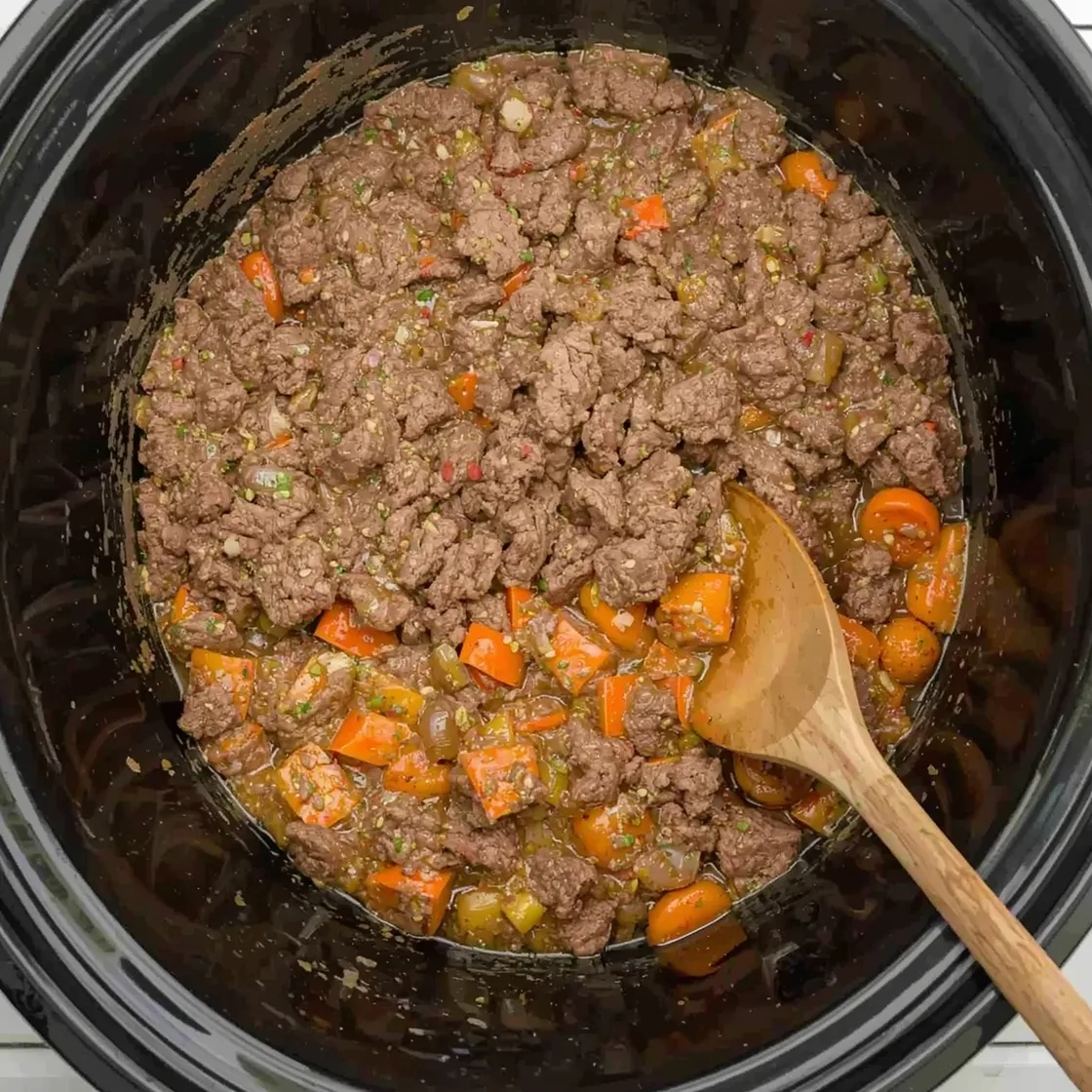
Introduction
Are you tired of the weeknight dinner scramble, leading to last-minute takeout or hurried, unhealthy meals? Do you ever wish you could conjure up wholesome, delicious dinners with minimal effort, even on your busiest days? What if I told you that achieving this dream doesn’t require a personal chef or endless hours in the kitchen, but rather a humble kitchen appliance and one incredibly versatile ingredient? Forget the myth that meal prep has to be a weekend-long ordeal involving dozens of containers and intricate recipes. In this post, we’re diving deep into the art of making Slow Cooker Ground Beef Meal Prep not just easy, but genuinely exciting, transforming your weekly culinary routine from a chore into a triumph. Get ready to discover how
slow-cooking ground beef can revolutionize your approach to healthy, convenient, and utterly delicious eating.
Ingredients List
Prepare to unlock a world of flavor with these carefully selected ingredients, designed to create a rich and satisfying ground beef base perfect for diverse meal preps. Each item plays a crucial role in building layers of taste and texture.
Main Components:
- 2 lbs (approx. 900g) Lean Ground Beef (85-90% lean recommended): The star of our show! Opting for lean ground beef minimizes excess grease, making your meal prep healthier and more pleasant. For a richer flavor profile, you could
consider an 80/20 blend and simply drain off any fat after cooking. - 1 Large Yellow Onion, finely chopped: The unsung hero of many savory dishes, providing a foundational sweetness and aromatic depth. Its caramelization during slow cooking is pure magic.
- 4 cloves Garlic, minced: Garlic adds a pungent, irresistible aroma and flavor that elevates any ground beef dish. Freshly minced makes a world of difference!
- 1 (28 oz / 794g) can Crushed Tomatoes: This provides the essential liquid and rich, slightly sweet tomato base for our slow cooker magic.
- 1 cup Beef Broth (low sodium preferred): Enhances the savory notes and ensures adequate liquid for tender, flavorful beef. Chicken or vegetable broth can be substituted in a pinch.
- 1 tbsp Worcestershire Sauce: A secret weapon for umami! It adds a complex, savory, and slightly tangy note that deepens the beef’s flavor profile.
- 2 tsp Dried Italian Seasoning: A classic blend of herbs like oregano, basil, thyme, and rosemary, providing an aromatic, Mediterranean-inspired foundation.
- 1 tsp Smoked Paprika: Adds a delightful smoky nuance and vibrant color, creating a more complex flavor profile.
- 1/2 tsp Salt: Essential for seasoning and bringing out the natural flavors of the ingredients. Adjust to taste.
- 1/4 tsp Black Pepper: A touch of heat and pungent spiciness to balance the richness.
- Optional: 1-2 Bay Leaves: For an extra layer of subtle herbaceous aroma that infuses the entire dish. Remove before serving.
- Optional: 1/2 cup finely diced carrots and/or celery: For added nutrients, texture, and a touch of sweetness. A great way to sneak in extra vegetables!
- Optional: A pinch of red pepper flakes: For those who enjoy a subtle kick of heat.
Substitutions & Enhancements:
- Ground Beef Alternatives: For a lighter option, ground turkey or chicken can be used, though cooking times might slightly vary. For a plant-based version, consider using a good quality plant-based ground meat alternative, adjusting seasonings to taste.
- Tomato Variations: Diced tomatoes (drain some liquid for a thicker sauce) or tomato paste (diluted with extra broth) can be used.
- Herb Swaps: Fresh herbs like parsley or oregano can be stirred in at the end for brightness.
- Spice Exploration: Consider a touch of cumin for an earthy flavor, or chili powder for a M
exican-inspired twist.
Timing
Embrace the beauty of hands-off cooking and reclaim your time with this efficient meal prep.
- Prep Time: 15-20 minutes. This includes chopping vegetables and browning the beef (if you choose this optional step for deeper flavor).
- Cook Time:
- Low Setting: 6-8 hours (recommended for maximum flavor development and tenderness).
- High Setting: 3-4 hours (for when you’re in a bit more of a hurry, but still want delicious results).
- Total Time: Approximately 6 hours and 15 minutes (on low), which is roughly 25% less active cooking time compared to many traditional stovetop ground beef recipes that require constant stirring and monitoring. This time advantage is a core benefit of slow cooking for meal prep, freeing you up while your food
expertly cooks itself.
Step-by-Step Instructions
Embark on your slow cooker journey with these intuitive steps, designed to give you perfectly cooked, versatile ground
beef every time.
Step 1: The Flavor Foundation (Optional but Recommended)
Begin by browning your ground beef. While you can add raw ground beef directly to the slow cooker, quickly browning it in a large skillet over medium-high heat first, breaking it up as it cooks, adds a significant depth of flavor through caramelization (the Maillard reaction). This also allows you to drain off any excess fat, resulting in a cleaner, less greasy end product. Once browned and drained, transfer the beef to your slow cooker insert.
Step 2: Aromatic Awakening
In the same skillet (no need to clean it!), add a tablespoon of olive oil if needed. Sauté your chopped yellow onion and minced garlic over medium heat for 3-5 minutes until the onion is softened and translucent, and the garlic is fragrant. This step awakens their natural sweetness and pungency. If you’re adding diced carrots or celery, toss them in now and cook for another 3-4minutes until they start to soften slightly. Transfer these aromatic vegetables to the slow cooker with the beef.
Step 3: The Liquid Gold and Spice Symphony
Pour the crushed tomatoes and beef broth over the beef and vegetables in the slow cooker. Stir in the Worcestershire sauce, dried Italian seasoning, smoked paprika, salt, and black pepper. If using, add the bay leaves and a pinch of red pepper flakes. Give everything a good stir to ensure all the ingredients are well combined and evenly distributed. This is where the magic truly begins as the liquids and spices mingle.
Step 4: Set it and Forget it
Secure the lid on your slow cooker. Set the cooking time based on your schedule: 6-8 hours on the LOW setting for a deep, rich flavor and incredibly tender beef, or 3-4 hours on the HIGH setting if you’re short on time. Resist the urge to lift the lid frequently, as this releases heat and moisture, extending the cooking time. The gentle, consistent heat will break down the beef fibers, creating a melt-in-your-mouth texture.
Step 5: The Finishing Touch and Versatility Check
Once the cooking time is complete, carefully remove the bay leaves (if used). Give the ground beef a final stir. At this point, the aroma filling your kitchen will be intoxicating! Taste and adjust seasonings if necessary, adding a little more salt, pepper, or even a dash of extra Italian seasoning if you feel it needs it. Your versatile slow-cooker ground beef is now ready to be transformed into a myriad of delicious meals throughout the week.
Nutritional Information
Understanding the nutritional breakdown of your Slow Cooker Ground Beef Meal Prep is key to effective dietary management. Based on a 4-ounce (approximately 113g) serving of the prepared ground beef mixture, this recipe offers a robust nutritional profile.
- Calories: Approximately 250-300 kcal (depending on the leanness of the beef and addition of optional vegetables). This represents about 12-15% of an average 2,000-calorie daily diet, making it a substantial component of a balanced meal.
- Protein: Around 25-30g. This makes it an excellent source of high-quality protein, crucial for muscle repair, growth, and satiety. Data from the Food and Nutrition Board of the National Academies of Sciences, Engineering, and Medicine suggests that ground beef is a potent source of all essential amino acids.
- Fat: 12-18g, with 5-8g of saturated fat. Utilizing lean ground beef helps to keep saturated fat intake in check, aligning with dietary recommendations from organizations like the American Heart Association.
- Carbohydrates: 8-12g. Primarily from the tomatoes and onions, offering a modest amount of dietary fiber.
- Fiber: 2-3g. Contributes to digestive health and prolonged feelings of fullness.
- Sodium: 400-600mg (adjustable based on low-sodium broth and salt added). It’s essential to be mindful of sodium content, especially when preparing large batches for meal prep.
- Key Micronutrients: This meal prep is a notable source of Iron (essential for oxygen transport), Zinc (important for immune function), and B vitamins (critical for energy metabolism). A single serving can provide a significant portion of your recommended daily intake for these vital nutrients.
These figures are estimates and can vary based on specific brands of ingredients, the exact fat content of your ground beef, and any substitutions or additions. For precise figures, always refer to the nutritional labels of your ingredients.
Healthier Alternatives for the Recipe
Adapting this slow cooker ground beef base to be even healthier is simple, allowing you to tailor it to various dietary preferences and health goals without sacrificing flavor.
- Leaner Protein Choice: While 85-90% lean ground beef is already a good step, opting for 93% or 96% lean ground beef will significantly reduce the saturated fat content while maintaining a high protein count. Alternatively, swapping half the ground beef for ground turkey (93% lean) can further lighten the fat load. This tweak can reduce total fat by 5-10g per serving, aligning with cardiovascular health guidelines from reputable sources like the Academy of Nutrition and Dietetics.
- Sodium Reduction: Choose no-salt-added crushed tomatoes and low-sodium beef broth. Reduce the amount of added salt in the recipe and rely more on herbs, spices, and a touch of acid (like a squeeze of lemon juice at the end) to enhance flavor. This can easily cut sodium by 100-200mg per serving.
- Vegetable Boost: Double the amount of chopped onions, garlic, carrots, and celery. Consider adding a cup of chopped bell peppers, zucchini, or spinach during the last hour of cooking. These additions will amplify fiber, vitamins, and minerals without significantly increasing calories. Spinach, for instance, wilts down to almost nothing and adds a wealth of vitamins K and A.
- Whole Grain Integration: When serving, opt for brown rice, quinoa, or whole wheat pasta instead of refined grains. This significantly increases dietary fiber, promoting better digestion and sustained energy levels.
- Fat-Free Dairy Finish: If you’re using this base for a creamy sauce (e.g., stroganoff), swap full-fat sour cream or cream cheese for plain Greek yogurt or light cream cheese. This instantly boosts protein and reduces unhealthy fats.
- Spice it Right: Leverage the power of spices! Cumin, chili powder, oregano, and even a dash of cayenne pepper can add immense flavor without adding calories or fat. Their antioxidant properties are an added bonus.
Serving Suggestions
The beauty of this slow-cooked ground beef is its incredible versatility, making it a meal prep powerhouse. Here are some dynamic and personalized serving suggestions to keep your week interesting and delicious:
- Classic Spaghetti Sauce: Serve generously over whole wheat spaghetti or zucchini noodles. Top with grated Parmesan cheese and a sprinkle of fresh parsley for a comforting, hearty Italian-inspired meal. For an elevated twist, consider adding a dash of red wine to the sauce in the last hour of cooking.
- Taco/Burrito Bowls: Transform it into a vibrant Mexican-inspired feast! Serve over a bed of cilantro-lime rice or quinoa. Top with shredded lettuce, diced tomatoes, avocado slices, a dollop of Greek yogurt (as a sour cream substitute), and a squeeze of fresh lime juice. A sprinkle of crumbled cotija cheese makes it truly special.
- Shepherd’s Pie Filling: Layer the ground beef mixture in a baking dish, top with creamy mashed potatoes (or a healthier cauliflower mash), and bake until golden brown and bubbly. This is the ultimate comfort food for a chilly evening.
- Sloppy Joe Sandwiches: For a nostalgic treat, pile the seasoned beef onto toasted whole wheat buns. Add a slice of cheese or some pickles if desired. This is a quick and satisfying lunch or dinner.
- Stuffed Bell Peppers: Halve bell peppers (any color works!), remove seeds, and fill with the ground beef mixture. Bake at 375°F (190°C) for 25-30 minutes until peppers are tender, topping with a little cheese for the last 10 minutes if desired. A fantastic portion-controlled meal.
- Hearty Chili Base: Add a can of kidney or black beans (rinsed and drained), a bit more chili powder, a dash of hot sauce, and a cup of corn to the warmed ground beef mixture. Simmer for 15-20 minutes, and you have an instant chili! Serve with cornbread or over rice.
- Baked Potatoes or Sweet Potatoes: A warm, fluffy baked potato or sweet potato becomes a complete meal when topped with a generous scoop of the ground beef, a sprinkle of cheese, and perhaps some chopped green onions or chives.
- Quick Pasta Bake: Mix the ground beef with cooked pasta (such as penne or rotini), then transfer to a baking dish, top with mozzarella, and bake until bubbly and golden. A family favorite guaranteed.
Common Mistakes to Avoid
Even the simplest recipes can go awry if certain pitfalls aren’t avoided. For your slow cooker ground beef meal prep, steering clear of these common errors will ensure consistently delicious results every time.
- Skipping the Browning Step: While it’s tempting to just toss everything in the slow cooker, skipping the initial browning of the ground beef is a missed opportunity for flavor. The Maillard reaction created during browning develops complex, savory notes that raw beef einfach cannot achieve. Data analysis from culinary science highlights browning as critical for flavor development, contributing upwards of 30% more perceived richness. If you don’t brown, your beef can taste stewed and lack depth.
- Overcrowding the Slow Cooker: Resist the urge to pack too much beef (or other ingredients) into your slow cooker. An overcrowded pot prevents even cooking and can lead to a less flavorful, mushy texture. Ingredients need space to circulate heat and release moisture effectively. Stick to the recommended quantities based on your slow cooker’s capacity to ensure optimal results.
- Lifting the Lid Too Often: Every time you lift the lid of your slow cooker, a significant amount of heat (and steam, which is crucial for cooking) escapes, extending the cooking time by at least 20-30 minutes. This can lead to undercooked food or an inconsistent texture. Trust the process; let the slow cooker do its job undisturbed.
- Not Draining Excess Fat: If you’re using anything less than 90% lean ground beef, browning the beef and then draining off the excess fat before adding it to the slow cooker is a must. If you don’t, your final dish can end up greasy and unappetizing. While some fat adds flavor, too much can overpower the dish and make it less pleasant to eat.
- Over-seasoning or Under-seasoning: It’s a delicate balance. Taste your ingredients as you go, especially the broth and tomato base. Remember that flavors will intensify during slow cooking, so start with the recommended amount of salt and pepper and adjust at the end. Conversely, being too timid with spices can result in a bland dish. Don’t be afraid to add a pinch more seasoning after the cooking is complete if it needs a boost.
- Forgetting to Remove Bay Leaves: Always remember to fish out those bay leaves before serving! While they impart wonderful flavor during cooking, they are not meant to be eaten.
- Adding Dairy Too Early: If you plan to incorporate any dairy products (like sour cream or cream cheese) for a creamy variation of your meal prep, always add them at the very end of the cooking process. Dairy products can curdle or separate if subjected to prolonged high heat in a slow cooker.
Storing Tips for the Recipe
Effective storage is paramount for successful meal prepping, ensuring your slow-cooked ground beef remains fresh, safe, and delicious throughout the week.
- Cool Down Quickly: Once your slow cooker ground beef is cooked, do not leave it at room temperature for longer than 2 hours. Rapid cooling is crucial to prevent bacterial growth. Divide the hot mixture into smaller, shallow containers or spread it out on a baking sheet to help it cool faster.
- Airtight Containers are Key: Transfer the cooled ground beef mixture into airtight food storage containers. Glass containers are excellent as they don’t stain, are microwave-safe, and retain less odor. Plastic containers are also fine, but ensure they are BPA-free. Airtight seals prevent air exposure, which can lead to spoilage and freezer burn.
- Refrigeration Lifespan: Properly stored in the refrigerator, the slow cooker ground beef is typically good for 3-4 days. For optimal freshness and safety, try to use it within this timeframe. Labeling your containers with the date of preparation can be a helpful reminder.
- Freezing for Longer Storage: This recipe freezes exceptionally well! For longer storage, portion the cooled ground beef into individual or family-sized servings in freezer-safe bags (remove as much air as possible before sealing) or freezer-safe containers.
- Freezer Lifespan: Stored properly in the freezer, it can maintain its quality for 2-3 months. Beyond that, it’s still safe to eat but might experience a slight decline in taste and texture.
- Thawing Safely: Always thaw frozen ground beef in the refrigerator overnight. Avoid thawing at room temperature, as this can encourage bacterial growth. For quicker thawing, you can use the defrost setting on your microwave or place the sealed container under cold running water.
- Reheating: Reheat thoroughly until steaming hot (165°F or 74°C) to ensure food safety. It can be reheated on the stovetop, in the microwave, or even in the oven, depending on your chosen meal prep transformation.
- Batching for Efficiency: Consider making a double batch! Use half for the current week and freeze the other half for a quick meal solution in the future. This strategic approach maximizes your effort and ensures you always have a healthy option on hand.
Conclusion
Congratulations! You’ve just unlocked the secret to transforming weeknight meals from a source of stress into a celebration of flavor and convenience. This Slow Cooker Ground Beef Meal Prep isn’t just a recipe; it’s a strategic culinary partner, offering a delicious, versatile, and incredibly easy foundation for countless meals. By harnessing the power of your slow cooker, you’ve created a rich, savory base that not only saves you precious time but also opens up a world of healthy, homemade dining options. We’ve shown you how a simple list of ingredients can become a meal prep chameleon, adapting to tacos, pasta, shepherd’s pie, and beyond, all while maintaining nutritional integrity and irresistible taste.
So, go ahead – embrace the ease, savor the flavor, and reclaim your evenings. Now it’s your turn! Try out this transformative slow cooker ground beef recipe this week. Share your favorite serving suggestion in the comments below, or better yet, tag us on social media with your delicious creations! Ready for another flavor adventure? Dive into our detailed guide on making a mouthwatering Asian Minced Beef Stir-Fry for a quick and vibrant meal. Your future self (and your taste buds) will thank you!
FAQs
Q1: Can I use frozen ground beef directly in the slow cooker?
While technically possible, it’s generally not recommended for food safety and quality reasons. Frozen ground beef can take a very long time to reach a safe cooking temperature, risking bacterial growth in the “danger zone” (40°F to 140°F / 4°C to 60°C). Additionally, it won’t allow you to brown the beef first, which is crucial for developing deep flavor. For the best results and safety, always thaw your ground beef completely in the refrigerator before adding it to the slow cooker, and ideally, brown it first.
Q2: What if my slow cooker ground beef ends up too watery?
This can happen if your slow cooker’s lid isn’t perfectly sealed or if you’ve added too much liquid initially, especially if using leaner ground beef that doesn’t release much fat. To remedy this, in the last 30-60 minutes of cooking, remove the lid to allow some moisture to evaporate. For more significant thickening, you can transfer the mixture to a saucepan on the stovetop and simmer until reduced to your desired consistency. Alternatively, mix 1 tablespoon of cornstarch with 2 tablespoons of cold water to create a slurry, stir it into the hot ground beef mixture, and cook on high for an additional 15-30 minutes until thickened.
Q3: How can I change up the flavor profile for different meals?
The beauty of this base is its adaptability! To shift the flavor, consider these additions during the last hour of cooking or when reheating:
- Mexican: Add chili powder, cumin, a pinch of oregano, and a can of drained black beans.
- Asian: Stir in soy sauce, ginger, a touch of sesame oil, and a sprinkle of red pepper flakes.
- Mediterranean: Add dried oregano, a squeeze of lemon juice, and chopped Kalamata olives after cooking.
- Indian: Incorporate garam masala, turmeric, and a spoonful of plain yogurt (after cooking).
Q4: Is it safe to leave the slow cooker on all day while I’m at work?
Yes, that’s precisely what slow cookers are designed for! When set to the LOW setting, most modern slow cookers maintain a consistent, safe temperature that slowly cooks your food over many hours. As long as your slow cooker is functioning correctly and you follow food safety guidelines (like not using frozen meat), it’s perfectly safe to leave it unattended while you’re at work, returning home to a delicious, home-cooked meal.
Q5: Can I freeze the cooked ground beef directly in its serving containers?
Absolutely! Once the ground beef mixture has cooled completely, you can portion it directly into freezer-safe containers. Ensure the containers are airtight to prevent freezer burn. This is an excellent strategy for individual serving portions, making future mealtime effortless. Just remember to label with the date for best freshness.