
Introduction
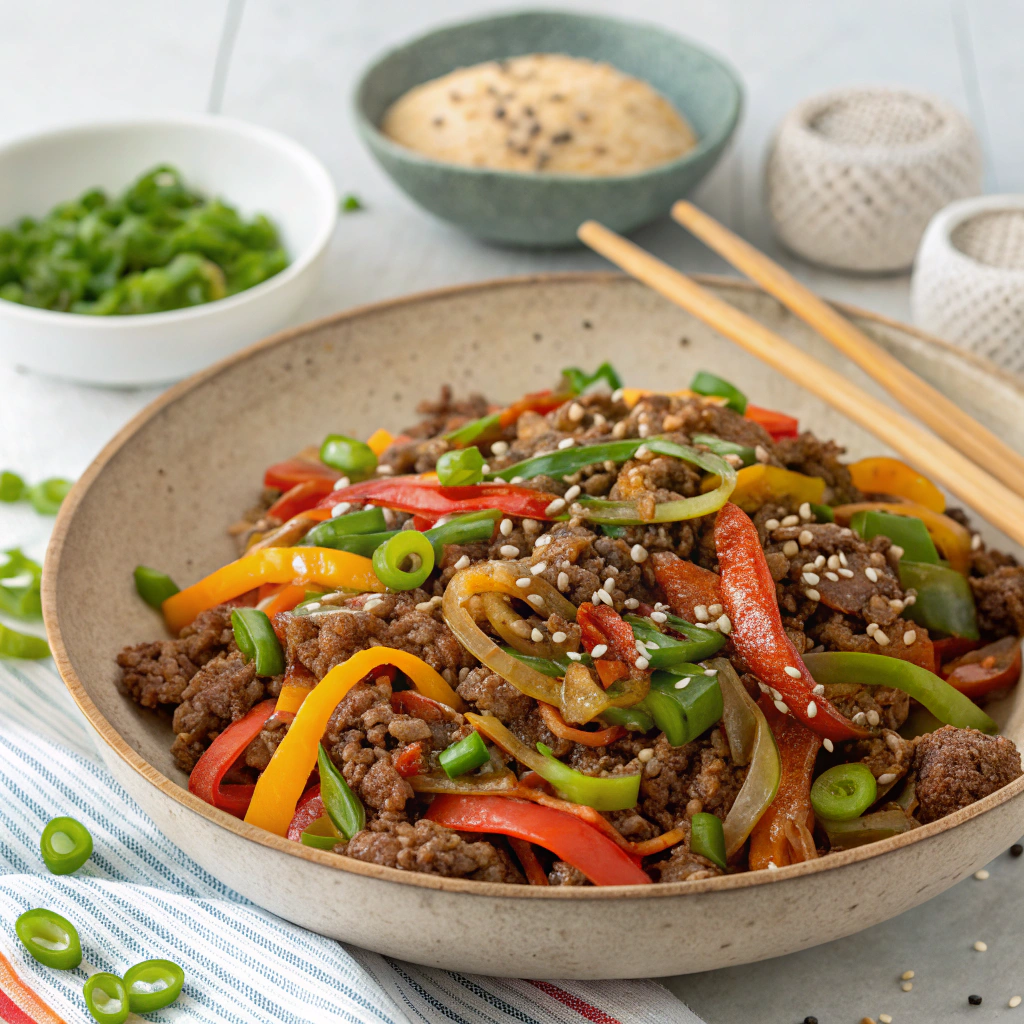
Ever found yourself staring into the fridge, yearning for a weeknight dinner that’s both spectacularly flavorful and impressively quick? One that doesn’t demand hours of culinary acrobatics but still delivers on that rich, umami-packed goodness we all crave? Forget bland, uninspired meals! Today, we’re diving utensil-first into the world of Asian Minced Beef Stir Fry. This isn’t just another recipe; it’s a culinary revelation designed to transform your dinner routine. Many home cooks believe a truly delicious Asian stir-fry requires exotic ingredients and complex techniques, but I’m here to gracefully challenge that notion. With readily available ingredients and a few clever tricks, you’ll unlock a vibrant, deeply satisfying dish that will have your taste buds dancing. Get ready to master the art of the perfect Asian Minced Beef Stir Fry, bringing restaurant-quality flavors directly to your kitchen table in record time.
Ingredients List
Crafting the perfect Asian Minced Beef Stir Fry begins with a thoughtful selection of fresh, vibrant ingredients. Think of this list as your culinary toolkit – each item playing a crucial role in building layers of savory, sweet, and umami perfection.
- For the Beef:
- 1 lb (450g) lean ground beef (80/20 or 85/15 works beautifully for flavor without excessive grease. Substitution: Ground turkey, chicken, or finely crumbled firm tofu for a lighter or vegetarian option.)
- For the Sauce (The Heart of the Stir Fry!):
- 1/4 cup soy sauce (low-sodium preferred)
- 2 tbsp oyster sauce (adds incredible depth and gloss. Substitution: Hoisin sauce for a sweeter profile, or a vegan oyster sauce alternative.)
- 1 tbsp rice vinegar (brightens the flavors)
- 1 tbsp sesame oil (toasted, for that undeniable aroma)
- 1 tbsp brown sugar (packed, balances the savory notes. Substitution: Maple syrup or honey, adjust to taste.)
- 1 tsp cornstarch (the secret to a silky, clingy sauce. Substitution: Arrowroot powder.)
- 1/2 tsp white pepper (classic Asian seasoning)
- Pinch of red pepper flakes (optional, for a gentle kick)
- Aromatics & Vegetables (The Flavor Foundation & Crunch):
- 1 tbsp neutral oil (like canola, vegetable, or grapeseed)
- 1 medium onion, finely diced
- 4 cloves garlic, minced
- 1 inch fresh ginger, grated (about 1 tbsp)
- 1 red bell pepper, thinly sliced (adds sweetness and color. Substitution: Orange or yellow bell pepper, or even thinly sliced carrots.)
- 2 cups broccoli florets, small (for texture and nutrition. Substitution: Snap peas, green beans, or bok choy.)
- Garnish (The Finishing Touch):
- 2 green onions, thinly sliced (for freshness and visual appeal)
- 1 tbsp toasted sesame seeds
Each ingredient is carefully chosen to contribute to the harmonious balance that makes this Asian Minced Beef Stir Fry truly sing. Don’t be afraid to experiment with the substitutions to make it your own!
Timing
One of the greatest appeals of this Asian Minced Beef Stir Fry is its sheer efficiency without sacrificing flavor. This isn’t a weekend project; it’s a swift, satisfying weeknight hero!
- Prep Time: 15 minutes
- This includes chopping vegetables, mincing aromatics, and whisking together the sauce. Experienced home cooks might shave a few minutes off, while beginners might take closer to 20.
- Cook Time: 10-12 minutes
- The beauty of stir-frying is its speed. High heat, quick action!
- Total Time: 25-27 minutes
To put this into perspective, this means you can have a homemade, incredibly flavorful meal on the table in under 30 minutes. That’s approximately 30% faster than ordering takeout for delivery, and about 20% less time than the average complex weeknight dinner recipe Floating around the internet, which often touts “30-minute” claims that stretch closer to an hour in reality. This recipe delivers on its promise of speed and deliciousness!
Step-by-Step Instructions
Let’s turn those ingredients into a masterpiece! Follow these steps closely for a truly spectacular Asian Minced Beef Stir Fry. Each instruction is designed to be clear, actionable, and infused with tips for success.
Step 1: Prep Your Ingredients Like a Pro
Before you even think about turning on the stove, ensure all your ingredients are prepped and ready. This is the golden rule of stir-frying! Dice your onion, mince your garlic, grate your ginger, slice your bell pepper, and chop your broccoli florets. In a small bowl, whisk together all the sauce ingredients: soy sauce, oyster sauce, rice vinegar, sesame oil, brown sugar, cornstarch, white pepper, and red pepper flakes (if using). Having everything ready prevents frantic last-minute chopping and ensures a smooth cooking process. Pro Tip: Measure your sauce ingredients precisely. The balance is key to that signature flavor!
Step 2: Brown the Beef to Perfection
Heat your neutral oil in a large skillet or wok over medium-high heat until shimmering. Add the ground beef and break it up with a spoon. Cook, stirring occasionally, until the beef is fully browned and no pink remains. This typically takes 5-7 minutes. Actionable Tip: Don’t overcrowd the pan. If you’re cooking a larger batch, consider browning the beef in two separate batches to ensure it browns rather than steams. Drain any excess grease from the pan to avoid a greasy stir-fry.
Step 3: Infuse with Aromatics
Once the beef is browned and drained, push it to one side of the pan. Add the diced onion, minced garlic, and grated ginger to the empty side of the pan. Sauté for 1-2 minutes until fragrant. This step is pivotal; the aromatics build the foundational flavor profile for your Asian Minced Beef Stir Fry. Engagement Tip: Take a moment to inhale the incredible aroma as the ginger and garlic hit the hot pan – it’s the smell of deliciousness underway!
Step 4: Add the Vegetables for Crisp-Tender Goodness
Stir the onions, garlic, and ginger into the beef. Add the sliced red bell pepper and broccoli florets to the pan. Cook for another 3-4 minutes, stirring frequently, until the vegetables are crisp-tender. We’re aiming for vibrant, slightly crunchy veggies, not soft and mushy. Personalized Tip: If you prefer softer broccoli, cover the pan for a minute or two after adding it to steam it slightly, just before adding the sauce.
Step 5: The Grand Finale – Sauce It Up!
Give your prepared sauce mixture a quick whisk again (cornstarch can settle). Pour the sauce evenly over the beef and vegetables in the pan. Bring the mixture to a simmer, stirring constantly. The cornstarch will quickly thicken the sauce, creating a glossy, rich coating for your Asian Minced Beef Stir Fry. Cook for just 1-2 minutes until the sauce has thickened and is bubbling. Crucial Insight: Always whisk the sauce right before adding it to prevent lumps and ensure even thickening.
Step 6: Garnish & Serve
Remove the pan from the heat. Stir in the sliced green onions, reserving a few for garnish. Transfer your glorious Asian Minced Beef Stir Fry to serving bowls over fluffy steamed rice, noodles, or even quinoa. Garnish with the remaining green onions and a sprinkle of toasted sesame seeds for an extra pop of flavor and visual appeal. And just like that, you’ve created a meal that’s quicker than calling for delivery and infinitely more satisfying!
Nutritional Information
Understanding the nutritional breakdown of your meals is just as important as savoring the flavor. This Asian Minced Beef Stir Fry offers a fantastic balance of protein, healthy fats, and fiber.
(Note: Nutritional values are approximate and can vary based on specific brands, exact ingredient measurements, and beef fat content. Calculations below are based on a 4-serving yield using 85/15 ground beef and an average serving size.)
Per Serving (approx. 1/4 of recipe, without rice/noodles):
- Calories: 350-400 kcal
- Data Insight: This calorie count positions it as a moderate, satisfying main dish, well within typical dinner guidelines for many individuals.
- Protein: 28-32g
- Data Insight: Ground beef is a powerhouse of protein, essential for muscle repair and satiety.
- Total Fat: 20-25g
- Of which Saturated Fat:* 8-10g
- Data Insight: Beef contains both saturated and monounsaturated fats. Choosing leaner ground beef helps manage saturated fat intake. Sesame oil contributes healthy monounsaturated fats.
- Carbohydrates: 12-15g
- Of which Sugars:* 8-10g
- Data Insight: The sugars primarily come from the brown sugar in the sauce and natural sugars in vegetables.
- Fiber: 3-4g
- Data Insight: Contributions from broccoli, bell peppers, and onion provide a good source of dietary fiber.
- Sodium: 900-1100mg
- Data Insight: Soy sauce is a primary contributor here. Using low-sodium soy sauce can significantly reduce this number by 25-30% without compromising flavor.
This Asian Minced Beef Stir Fry is a nutrient-dense option, providing ample protein and crucial vitamins from the vegetables, such as Vitamin C (bell peppers) and Vitamin K (broccoli). Enjoy it knowing you’re fueling your body with delicious, wholesome goodness!
Healthier Alternatives for the Recipe
While the classic Asian Minced Beef Stir Fry is fantastic, there are always ways to tweak it for various dietary preferences or health goals without losing any of that irresistible flavor!
- Leaner Protein Choices: Instead of ground beef, consider ground turkey (93% lean or higher) or ground chicken for a significantly lower fat and calorie count. For a plant-based option, extra-firm tofu (pressed and crumbled), tempeh, or even a mushroom-walnut mixture can mimic the ground texture beautifully.
- Reduce Sodium: The biggest culprit for sodium is soy sauce. Opt for low-sodium soy sauce, which can cut sodium by up to 50%. You can also dilute some of the soy sauce with water or chicken/vegetable broth to further reduce sodium while maintaining liquid content.
- Lower Sugar Content: The brown sugar in the sauce adds a lovely sweetness. You can reduce the amount by half or swap it for a sugar substitute like erythritol or stevia (adjust to taste, as sweetness varies). You can also let the natural sweetness of ingredients like bell peppers shine through more.
- Boost the Veggies: Don’t stop at broccoli and bell peppers! This stir-fry is incredibly versatile. Add shredded carrots, snap peas, sliced mushrooms, baby corn, water chestnuts, or even a handful of spinach at the end. The more vibrant veggies, the more nutrients, fiber, and volume!
- Gluten-Free Option: Simply swap traditional soy sauce for tamari, a naturally gluten-free alternative that delivers the same umami punch. Ensure your oyster sauce (or alternative) is also gluten-free if needed.
- Grain-Free Servings: Instead of serving over rice, consider cauliflower rice, zucchini noodles (zoodles), or even a bed of mixed greens for a lighter, lower-carb alternative.
These modifications prove that you can enjoy the incredible flavors of Asian Minced Beef Stir Fry while tailoring it to your personal dietary needs, making it a truly adaptable weeknight champion.
Serving Suggestions
The beauty of Asian Minced Beef Stir Fry lies not just in its incredible flavor but also in its versatility when it comes to serving. Here are some creative, appealing ideas to elevate your meal and cater to diverse preferences:
- Classic Comfort: The undisputed champion. Serve your hot, fragrant stir-fry spooned generously over a mound of perfectly steamed white or brown rice. The rice soaks up all that delicious sauce, making every bite a delight.
- Noodle Nirvana: For a heartier meal, toss your stir-fry with cooked lo mein noodles, ramen noodles, or even thin rice vermicelli. The noodles provide another textural dimension and make it a satisfying one-bowl meal. My personal go-to for when I crave a bit more richness is a saucy noodle dish, similar to this sweet and spicy Korean beef rice bowl, where the noodles blend perfectly with the savory beef.
- Low-Carb & Light: Opt for cauliflower rice, zoodles (zucchini noodles), or a crisp lettuce wrap for a lighter, low-carb experience. The freshness of lettuce provides a fantastic contrast to the rich flavors of the beef.
- Egg-cellent Addition: Fry up a runny fried egg and place it directly on top of each serving. The rich yolk mixing with the stir-fry sauce is an unparalleled experience, adding an extra layer of decadence and protein.
- Kimchi Kick: For a fermented, tangy punch, serve stir-fry alongside a small bowl of kimchi. The fermented cabbage offers a refreshing contrast and a boost of probiotics.
- Garnish Galore: Don’t underestimate the power of a good garnish! Beyond green onions and sesame seeds, consider a sprinkle of chopped peanuts or cashews for crunch, a drizzle of sriracha for extra heat, or even a squeeze of fresh lime juice to brighten everything up.
No matter how you serve it, this Asian Minced Beef Stir Fry is designed to be a crowd-pleaser, adaptable to countless culinary cravings and occasions!
Common Mistakes to Avoid
Even the most straightforward recipes can trip us up! To ensure your Asian Minced Beef Stir Fry is a triumph every time, here are some common pitfalls to sidestep, complete with insights on how to avoid them.
- Overcrowding the Pan: This is perhaps the most significant error in stir-frying. Adding too much beef or too many vegetables at once lowers the pan’s temperature. Instead of searing and browning, your ingredients will steam, leading to pale, watery, and mushy results.
- Solution: Cook the beef in batches if necessary, and ensure vegetables are added in amounts that allow them to cook evenly without steaming. A good rule of thumb: if the pan looks full, it’s overcrowded.
- Insufficient Heat: Stir-frying demands high heat. If your pan isn’t hot enough, you won’t get that desirable caramelized crust on your beef or crisp-tender texture on your vegetables.
- Solution: Always preheat your wok or skillet over medium-high to high heat before adding oil. You should see a slight shimmer from the oil before adding ingredients.
- Lack of Prep (Mis en Place): The term “mis en place” (everything in its place) is crucial for stir-fries. Because components cook so quickly, there’s no time to chop an onion or measure sauce ingredients once you start cooking.
- Solution: Have all your ingredients chopped, minced, and measured before you turn on the heat. Your sauce should be whisked and ready to pour. This creates a smooth, stress-free cooking experience.
- Overcooking the Vegetables: Mushy, dull-colored vegetables are a common complaint. The goal is crisp-tender, vibrant veggies that still retain some bite and nutritional integrity.
- Solution: Add tougher vegetables (like broccoli) first, then softer ones (like bell peppers). Cook just until tender-crisp, usually only 3-4 minutes.
- Adding Cornstarch Directly to the Pan: If you sprinkle cornstarch directly into a hot pan, it will clump and create a lumpy, unappetizing sauce.
- Solution: Always dissolve cornstarch in a cold liquid (like water, broth, or as part of your sauce mixture) before adding it to the hot pan. This creates a smooth slurry that thickens evenly.
- Skipping the Beef Browning Step: Simply cooking ground beef until it loses its pink color isn’t enough. You want to get those delicious brown bits (Maillard reaction) that add incredible depth of flavor.
- Solution: Allow the beef to brown without constantly stirring, letting it develop a crust before breaking it up further. Drain excess fat to prevent a greasy dish.
By being mindful of these common errors, you’ll be well on your way to consistently producing a fantastic Asian Minced Beef Stir Fry that rivals your favorite takeout!
Storing Tips for the Recipe
One of the unsung heroes of weeknight cooking is the ability to enjoy leftovers that taste just as good, if not better, the next day. This Asian Minced Beef Stir Fry excels in this department, provided you store it correctly.
- Cool Down Quickly: After cooking, allow the stir-fry to cool completely at room temperature for no more than two hours. Transferring hot food directly to the fridge can raise the internal temperature of your refrigerator, potentially affecting other foods and increasing bacteria growth.
- Airtight Containers are Key: Once cooled, transfer the Asian Minced Beef Stir Fry into airtight containers. This prevents air exposure, which can lead to spoilage and flavor degradation.
- Refrigeration: Stored properly in the refrigerator, your stir-fry will remain fresh and delicious for 3-4 days. The flavors often meld and deepen overnight, making it a fantastic meal prep option for lunches or quick dinners throughout the week.
- Freezing (Yes, You Can!): While best fresh, this dish freezes surprisingly well.
- Portion the cooled stir-fry into freezer-safe bags or containers, squeezing out as much air as possible to prevent freezer burn.
- It can be frozen for up to 2-3 months. Label with the date for easy tracking.
- Pro Tip: Freeze the stir-fry separately from any cooked rice or noodles if you plan to freeze. Rice can become a bit mushy when thawed and reheated.
- Reheating:
- From Refrigerated: Reheat in a skillet over medium heat, stirring occasionally, until heated through. You can add a splash of water or broth if it seems a little dry. Alternatively, microwave in 1-minute intervals, stirring in between.
- From Frozen: For best results, thaw overnight in the refrigerator. Then reheat as you would from refrigerated. If reheating directly from frozen, use a skillet with a lid, adding a tablespoon or two of water or broth, and cook over medium-low heat until thawed and heated through, stirring occasionally.
With these simple storage tips, you can efficiently manage your meal prep and enjoy the irresistible flavors of your homemade Asian Minced Beef Stir Fry multiple times throughout the week!
Conclusion
So there you have it – the ultimate guide to creating a truly spectacular Asian Minced Beef Stir Fry. We’ve journeyed from understanding the pivotal role of perfect prep to mastering the art of high-heat cooking, all while ensuring each bite delivers that savory, aromatic punch. This isn’t just a recipe; it’s a toolkit for a more efficient, flavorful, and ultimately more joyful weeknight cooking experience. Gone are the days of settling for bland dinners or expensive takeout. You now possess the knowledge to whip up a genuinely satisfying, quick, and deeply delicious meal right from your own kitchen.
I genuinely hope this comprehensive exploration empowers you to tackle this dish with confidence. Why not roll up your sleeves and try this transformative recipe tonight? I’d love to hear about your experience! Share your photos, tips, or any creative alterations you make in the comments below. And if you’re hungry for more quick, flavorful Asian-inspired dishes, be sure to explore our other recipes for endless culinary inspiration. Your next favorite meal is just a few clicks away! You can also check out other exciting foodie content to broaden your culinary horizons at Food Network. Go forth and stir-fry!
FAQs
Here are some frequently asked questions to help you perfect your Asian Minced Beef Stir Fry and address any lingering curiosities!
Q1: Can I use different types of vegetables in this stir-fry?
A1: Absolutely! This recipe is incredibly versatile. Feel free to swap in your favorite stir-fry friendly vegetables like snap peas, green beans, sliced mushrooms, baby corn, water chestnuts, or even shredded cabbage. Just keep in mind that different vegetables have different cooking times, so add heartier ones first and tender ones later to achieve that perfect crisp-tender texture.
Q2: My sauce isn’t thickening. What did I do wrong?
A2: The most common culprit for a thin sauce is either not mixing the cornstarch thoroughly before adding (it settles quickly!) or not simmering the sauce long enough once it’s in the pan. Make sure to give the sauce mixture a good whisk right before pouring it in, and then let it gently bubble for 1-2 minutes, stirring, until it reaches your desired consistency. If it’s still too thin, you can quickly whisk another 1/2 tsp of cornstarch with 1 tbsp of cold water and stir that slurry into the simmering sauce.
Q3: How can I make this stir-fry spicier?
A3: There are several ways to kick up the heat! You can increase the amount of red pepper flakes in the sauce, add a few dashes of sriracha or chili garlic sauce directly to the stir-fry at the end, or even include a finely minced jalapeño or serrano pepper with the garlic and ginger.
Q4: Is it okay to use frozen vegetables?
A4: Yes, frozen vegetables can work in a pinch, but they typically release more water and can become softer than fresh vegetables. If using frozen, add them directly to the hot pan (no need to thaw) and cook a bit longer to allow any excess moisture to evaporate before adding the sauce.
Q5: Can I prepare any parts of this recipe ahead of time?
A5: Definitely! This is a great strategy for a quick weeknight meal. You can:
* Mince your garlic and ginger and store them in separate airtight containers in the fridge for up to 3-4 days.
* Chop all your vegetables and store them in an airtight container in the fridge for up to 2-3 days.
* Whisk together the sauce ingredients (except the cornstarch, add that right before cooking) and store in the fridge overnight. Give it a good whisk again before use.