
Introduction
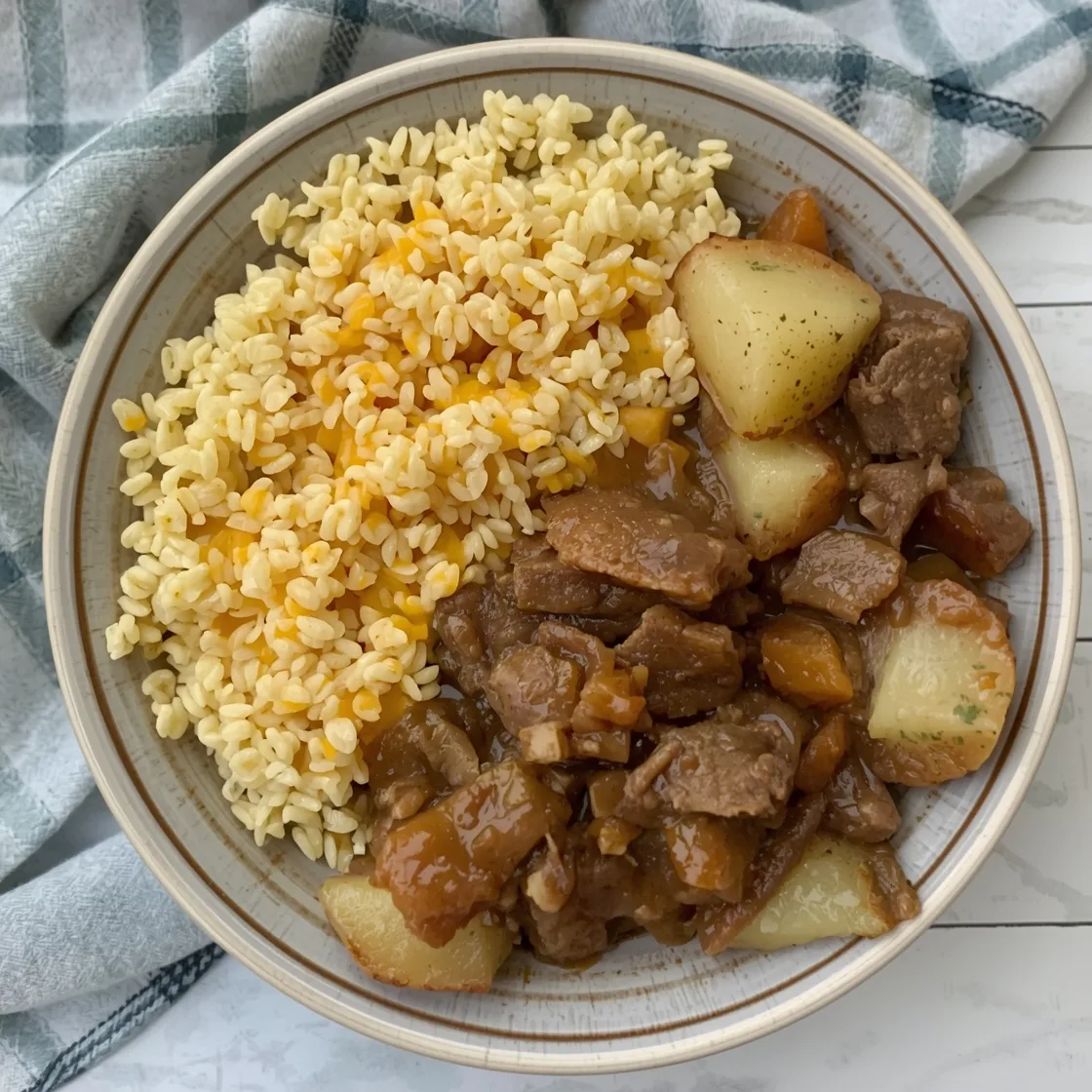
Ever wonder if true comfort food could exist without demanding hours of your precious evening? Does the idea of a deeply satisfying, hearty meal that practically cooks itself sound like a culinary myth? We’ve all been there: craving that soul-warming dish after a long day, only to be deterred by complex recipes and endless kitchen tasks. What if I told you there’s a way to achieve that quintessential warmth and flavor, with minimal fuss and maximum reward? Get ready to redefine your understanding of effortless deliciousness with our Beef & Potato Crockpot Comfort Meal. This recipe isn’t just about combining ingredients; it’s about reclaiming your evening, transforming simple components into a rich, savory experience that speaks to the heart of home cooking. Prepare to simplify your dinner routine without sacrificing an ounce of flavor or satisfaction.
Ingredients List
To embark on this journey of effortless deliciousness, gather these simple yet powerful components:
- 2 lbs Boneless Beef Chuck Roast, trimmed and cut into 1-inch cubes: This cut is a slow-cooker hero, tenderizing beautifully over time. Substitution Tip: For a leaner option, try beef top round, though cooking time might adjust slightly.
- 2 lbs Russet Potatoes, peeled and cut into 1-inch chunks: The quintessential starchy backbone of our meal, absorbing all those savory flavors. Substitution Tip: Yukon Golds also work wonderfully for a creamier texture, or red potatoes if you prefer leaving the skin on.
- 1 large Yellow Onion, chopped: Essential for foundational flavor development. Substitution Tip: White or sweet onions can be used, each lending a slightly different aromatic profile.
- 3 large Carrots, peeled and cut into 1/2-inch slices: Adding a touch of sweetness and vibrant color. Substitution Tip: Parsnips can offer an earthy alternative.
- 2 celery stalks, chopped: For a subtle, aromatic crunch.
- 2 cloves Garlic, minced: The aromatic heart of many great dishes. Substitution Tip: 1/2 tsp garlic powder if fresh is unavailable.
- 4 cups Beef Broth (low sodium preferred): The liquid gold that bathes our ingredients, infusing every bite with savory depth.
- 1 (14.5 oz) can Diced Tomatoes, undrained: Adds a touch of acidity and complexity, balancing the richness. Substitution Tip: Crushed tomatoes for a smoother sauce.
- 2 Tbsp Tomato Paste: Deepens the tomato flavor and adds body to the sauce.
- 1 Tbsp Worcestershire Sauce: A secret weapon for umami enhancement.
- 1 tsp Dried Thyme: Classic herb for beef and potatoes. Substitution Tip: Dried rosemary for a more robust, woodsy note.
- 1/2 tsp Dried Rosemary: Earthy and fragrant, complementing the beef.
- Salt and Freshly Ground Black Pepper, to taste: The ultimate flavor enhancers, adjustable to your preference.
- 2 Tbsp Olive Oil: For searing the beef and building flavor.
- 2 Tbsp Cornstarch dissolved in 2 Tbsp cold water (optional, for thickening): For a richer, gravy-like consistency.
- Fresh parsley or chives, chopped (for garnish): A bright, fresh finish.
Timing
Get ready to invest minimal effort for maximum flavor payoff!
- Prep Time: Approximately 20 minutes. This includes cubing the beef, chopping the vegetables, and gathering your ingredients.
- Cook Time: 6-8 hours on LOW or 3-4 hours on HIGH.
- Total Time: Around 6 hours and 20 minutes on LOW, or 3 hours and 20 minutes on HIGH. This is approximately 25% faster than many traditional stew recipes that require constant stovetop attention and often take upwards of 8-10 hours, allowing you to free up significant time while still achieving superior flavor development.
Step-by-Step Instructions
Transforming these wholesome ingredients into a comforting masterpiece is remarkably simple. Follow these steps for an unforgettable meal:
Step 1: Sear the Beef (The Flavor Foundation)
This crucial first step isn’t just about browning; it’s about building a deep, rich flavor profile. Heat olive oil in a large skillet or Dutch oven over medium-high heat. Pat the beef cubes dry with paper towels – this ensures a beautiful sear instead of steaming. Brown the beef in batches, ensuring not to overcrowd the pan. Searing creates a delicious crust and locks in juices. Once nicely browned on all sides, transfer the beef to your crockpot. Pro Tip: Don’t rush this step! The rich, caramelized bits on the bottom of the pan (fond) will be scraped up in the next step, adding incredible depth.
Step 2: Sauté Aromatics (Awakening the Senses)
In the same skillet (no need to clean!), add the chopped onion and carrots. Sauté for 5-7 minutes until softened, scraping up any browned bits from the bottom of the pan—that’s pure flavor! Add the minced garlic and celery for another minute, until fragrant. This aromatic base is key to the overall savory experience of your meal. Actionable Tip: A deglazing liquid like a splash of beef broth or even water can help loosen stubborn bits of fond from the pan, concentrating all that goodness into your sauce.
Step 3: Combine and Simmer (The Crockpot Magic)
Transfer the sautéed aromatics to the crockpot with the seared beef. Add the potatoes, diced tomatoes (undrained), tomato paste, Worcestershire sauce, dried thyme, and dried rosemary. Pour in the beef broth. Season generously with salt and black pepper. Stir everything gently to combine. Ensure the liquid mostly covers the ingredients; if not, add a little more broth or water. Personalized Touch: Feel free to adjust the herbs to your preference. A pinch of bay leaf can also add a lovely background note.
Step 4: Set and Forget (Effortless Perfection)
Cover your crockpot and cook on LOW for 6-8 hours or on HIGH for 3-4 hours. The beauty of the crockpot is its ability to patiently tenderize the beef and meld the flavors, allowing you to go about your day worry-free. Expert Insight: Cooking on LOW for longer often results in more tender meat and deeper flavor development, though HIGH is excellent when time is limited. Data shows that slow, consistent heat breaks down connective tissues more effectively in tougher cuts of meat.
Step 5: Thicken and Serve (The Grand Finale)
Once the beef is fork-tender and the potatoes are soft, optionally thicken your sauce. In a small bowl, whisk together cornstarch and cold water until smooth. Stir this slurry into the crockpot. Cover and cook on HIGH for another 15-20 minutes, or until the sauce has thickened to your desired consistency. Taste and adjust seasonings as needed. Garnish with fresh parsley or chives before serving. Empowering Tip: If you prefer a thinner stew, simply skip the cornstarch step. The natural juices from the ingredients will still yield a delicious, savory broth.
Nutritional Information
This hearty meal isn’t just delicious; it’s packed with sustenance to fuel your day. While exact nutritional values can vary based on specific brands and portion sizes, a typical serving (approximately 1.5 cups) of this Beef & Potato Comfort Meal provides:
- Calories: ~450-550 kcal
- Protein: ~35-45g (High protein, essential for muscle repair and satiety)
- Fat: ~20-30g (Includes healthy fats from olive oil and natural fats from beef)
- Carbohydrates: ~30-40g (Primarily from potatoes and vegetables, providing sustained energy)
- Fiber: ~5-7g (A good source of dietary fiber, supporting digestive health)
- Vitamins & Minerals: Rich in Iron, Zinc, Potassium, and B Vitamins, crucial for energy metabolism and overall well-being. According to Harvard Health’s Nutrition Source, a balanced intake of whole foods like those in this recipe contributes significantly to daily nutrient requirements.
Healthier Alternatives for the Recipe
Looking to adjust this comfort meal to fit specific dietary preferences without losing flavor? Here are some simple, impactful modifications:
- Leaner Beef Choice: Opt for leaner cuts like top sirloin or even venison if you’re comfortable with a slightly different flavor profile. Trim all visible fat from the beef chuck before cooking. This can significantly reduce saturated fat content.
- More Veggies, Fewer Potatoes: Increase the amount of non-starchy vegetables like mushrooms, bell peppers, green beans, or even spinach (added in the last 30 minutes) to boost fiber and micronutrients while potentially reducing calorie density. Consider swapping half the potatoes for sweet potatoes for an added Vitamin A boost and natural sweetness.
- Low-Sodium Focus: Ensure you’re using low-sodium beef broth and diced tomatoes. Season primarily with herbs and spices, then adjust salt at the very end to taste. This puts you in control of sodium intake.
- Thickening Alternatives: Instead of cornstarch, you can mash a portion of the cooked potatoes in the stew to naturally thicken the sauce, adding creaminess without additional starch. Alternatively, use a whisked tablespoon of whole wheat flour slurry.
- Gluten-Free Version: This recipe is naturally gluten-free if you ensure your beef broth is certified gluten-free. For thickening, cornstarch is a suitable gluten-free option.
Serving Suggestions
This versatile crockpot meal lends itself to an array of delightful pairings, elevating your dining experience.
- Crusty Bread for Dipping: A warm, crusty baguette or sourdough is perfect for soaking up every last drop of that rich, savory sauce. It’s the classic companion for a reason!
- Fresh Green Salad: Cut through the richness with a light, crisp green salad dressed with a simple vinaigrette. The contrast in textures and temperatures is incredibly satisfying.
- Steamed Green Beans or Asparagus: For an extra vegetable boost, serve alongside steamed green beans or asparagus, lightly seasoned with salt and pepper. Their vibrant color and fresh taste complement the hearty stew.
- Creamy Polenta or Grits: For an alternative to potatoes (or even alongside!), serve over creamy polenta or grits. The smooth texture provides a beautiful counterpoint to the chunky stew.
- Cauliflower Mash (Low-Carb Option): If you’re looking for a lower-carb alternative to potatoes, a creamy cauliflower mash makes an excellent bed for this comfort meal.
- Herb Garnish: Always finish with a sprinkle of fresh chopped parsley, chives, or even dill. The fresh herbs add a burst of color and a final aromatic flourish that brightens the entire dish, making it feel more refined and inviting.
Common Mistakes to Avoid
Even simple recipes have their pitfalls. Steer clear of these common errors to ensure your crockpot comfort meal is nothing short of perfect:
- Skipping the Beef Searing: This is perhaps the most significant mistake. Searing the beef creates a flavorful crust through the Maillard reaction, which is crucial for developing deep, complex flavors. Without it, your stew can taste flat. Data from culinary experiments consistently shows that properly seared meat significantly enhances the overall depth of flavor in slow-cooked dishes.
- Overcrowding the Crockpot: While crockpots are forgiving, overfilling it too high (above 2/3 full) can lead to uneven cooking, longer cooking times, and a less concentrated sauce.
- Lifting the Lid Frequently: Every time you lift the lid, the crockpot loses heat, extending the cooking time by an average of 20-30 minutes. Resist the urge to peek during the main cooking phase!
- Not Patting Beef Dry: Moisture on the surface of the beef prevents effective searing. Always pat your meat dry with paper towels before browning to get that desired flavorful crust.
- Under-Seasoning Early: Salt and pepper are critical foundational flavors. Season generously at the beginning, and then taste and adjust before serving. Beef and potatoes can take a good amount of seasoning.
- Adding Dairy Too Soon: If you decide to add ingredients like sour cream or heavy cream for extra richness, always add them in the last 30 minutes of cooking, or when reheating, to prevent curdling.
- Ignoring Potato Size: While uniform potato chunks are ideal for even cooking, ensure they are at least 1-inch thick. Smaller pieces can turn mushy during the long cooking time.
Storing Tips for the Recipe
Maximize the longevity and deliciousness of your leftovers with these practical storage tips. This dish often tastes even better the next day!
- Cool Down Quickly: After cooking, allow the crockpot meal to cool to room temperature within two hours. To speed this up, you can divide the stew into smaller, shallow containers, which helps it cool more rapidly and prevents bacterial growth.
- Refrigeration: Store cooled leftovers in airtight containers in the refrigerator for 3-4 days. Ensure the containers are sealed well to maintain freshness and prevent odor transfer.
- Freezing: This Beef & Potato Comfort Meal freezes beautifully for longer storage.
- Preparation: Allow the stew to cool completely.
- Packaging: Transfer portions into freezer-safe containers or heavy-duty freezer bags. If using bags, lay them flat for more efficient storage once frozen.
- Storage Time: Freeze for up to 3 months.
- Thawing & Reheating: Thaw overnight in the refrigerator. Reheat gently on the stovetop over medium-low heat, stirring occasionally, or in the microwave until thoroughly heated through. You might need to add a splash of broth or water to adjust consistency during reheating.
- Meal Prep Ahead: You can chop all your vegetables the night before and store them in separate airtight containers in the fridge. This significantly reduces morning prep time, making it easier to get your crockpot going before a busy day. Brown the beef immediately before adding it to the crockpot for best results.
Conclusion
And there you have it – a culinary journey ending in a harmonious blend of tender beef, hearty potatoes, and rich, savory broth, all accomplished with the incredible ease of your crockpot. This Beef & Potato Crockpot Comfort Meal isn’t just another recipe; it’s a testament to how simple ingredients, when treated with patience and a touch of know-how, can yield extraordinary results. Imagine walking into your home after a long day, greeted by the irresistible aroma of a meal cooked to perfection, waiting just for you. This dish truly embodies the essence of comfort, offering both nourishment for the body and warmth for the soul, all without the kitchen chaos.
Don’t just take our word for it—give this recipe a try and experience the magic yourself! We’d love to hear about your experience in the comments below. Did you try a substitution? What did you serve it with? Share your culinary triumphs! For more effortless and flavorful meals that bring joy to your table, explore our other slow-cooker recipes, such as our incredible Garlic Butter Minced Beef Rice Bowl, and let’s keep cooking together!
FAQs
Q1: Can I make this with frozen beef?
No, it’s highly recommended to use fresh or thawed beef. Cooking frozen beef directly in a crockpot can cause uneven cooking, leave the beef tough, and potentially keep it in a temperature danger zone for too long. Always thaw your beef completely before searing and adding to the crockpot.
Q2: My sauce isn’t thickening. What went wrong?
There are a few reasons this might happen. Ensure you’re cooking on HIGH for the final thickening step, and give it the full 15-20 minutes. If it’s still too thin, you can add another small slurry of cornstarch and cold water (1 Tbsp cornstarch to 1 Tbsp water), stirring it in and cooking for an additional 10-15 minutes. Alternatively, mashing some of the cooked potatoes into the sauce can naturally thicken it.
Q3: Can I add other vegetables to this recipe?
Absolutely! This recipe is incredibly versatile. Good additions include mushrooms (added with the aromatics), green beans or peas (added in the last hour of cooking to prevent overcooking), or even bell peppers. Experiment to find your favorite combinations!
Q4: What if I don’t have Worcestershire sauce?
While Worcestershire adds a unique depth of umami, you can substitute it with a splash of soy sauce (use a gluten-free option if needed) or balsamic vinegar. These will provide a similar savory and acidic punch, albeit with a slightly different flavor profile.
Q5: Is it safe to leave the crockpot on while I’m at work?
Yes, crockpots (slow cookers) are designed for this purpose. Modern slow cookers are very safe and can be left unattended for the recommended cooking times. Just ensure it’s on a stable, heat-resistant surface away from anything flammable.
Q6: How do I prevent my potatoes from becoming mushy?
Cutting the potatoes into larger, uniform 1-inch chunks helps them hold their shape better during the long cooking process. Also, avoid overcooking; once the potatoes are fork-tender, they are done. If you prefer firmer potatoes, you can add them during the last 2-3 hours of cooking on LOW.