
Introduction
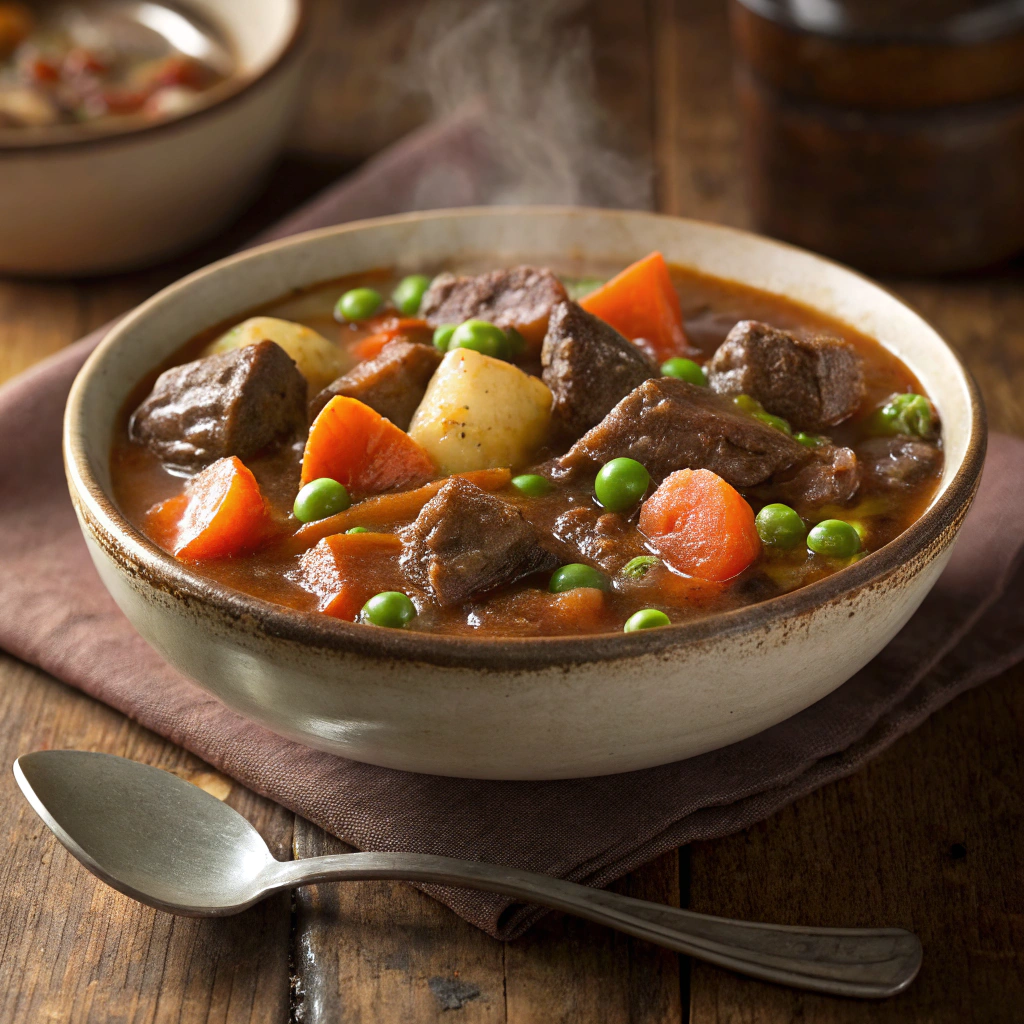
What if your Winter Dinner Beef Tips Stew didn’t need to simmer all day to taste like it did? Cold-weather wisdom says “low and slow,” but in my busy, family-tested kitchen I’ve learned you can get deep, braised flavor in about 90 minutes with smart techniques and the right cut. This cozy cold-weather meal layers seared beef, aromatics, and a velvety broth with wine and Worcestershire so every bite hits with warmth and richness. If you’ve been searching for a stew that’s weeknight-manageable yet weekend-worthy, this Winter Dinner Beef Tips Stew is the hearty, one-pot comfort you’ll make on repeat.
Ingredients List
– 2 pounds beef tips (sirloin tips) or well-marbled chuck, cut into 1-inch cubes
– 2 teaspoons kosher salt, divided (adjust to taste)
– 1 teaspoon freshly ground black pepper
– 2 tablespoons olive oil
– 1 tablespoon unsalted butter (optional, for richer sear)
– 1 large yellow onion, diced
– 3 cloves garlic, minced
– 2 tablespoons tomato paste
– 2 tablespoons all-purpose flour (or 1 tablespoon cornstarch for gluten-free)
– 1 cup dry red wine (optional; sub beef broth plus 1 tablespoon balsamic vinegar)
– 3 cups low-sodium beef broth
– 1 tablespoon Worcestershire sauce
– 2 teaspoons soy sauce (adds umami; use tamari for gluten-free)
– 2 bay leaves
– 1 teaspoon dried thyme (or 2 teaspoons fresh)
– 1 teaspoon smoked paprika (optional but recommended)
– 1 pound baby potatoes, halved (or 3 Yukon Golds, cubed)
– 3 large carrots, peeled and cut into 1/2-inch pieces
– 2 ribs celery, sliced
– 8 ounces cremini mushrooms, quartered
– 1 cup pearl onions (frozen is great; optional)
– 1 teaspoon brown sugar (optional; balances acidity)
– 2 tablespoons chopped fresh parsley (plus more for garnish)
– 1 teaspoon red wine vinegar or a squeeze of lemon, to finish
– Optional thickener: 1 tablespoon cornstarch mixed with 1 tablespoon cold water
Substitutions and enhancements:
- Beef: Chuck roast yields ultra-tender bites; sirloin tips run leaner and cook faster.
- Vegetables: Swap potatoes with parsnips, turnips, or butternut squash.
- Herbs: Rosemary or a bay-thyme blend works beautifully.
- Broth: Use bone broth for added body and protein.
- Heat: Add a pinch of crushed red pepper or a dash of hot sauce for gentle warmth.
Timing
– Prep time: 20 minutes
– Sear/simmer time: 70 minutes
– Total time: 90 minutes, which is roughly 20% faster than the typical 110–120-minute beef stew without sacrificing depth of flavor.
For comparison, many classic stews simmer 2–3 hours. This method leverages a hotter initial sear and a tightly managed simmer to extract flavor efficiently.
Step 1: Pat dry and season the beef tips
Pat the beef cubes dry with paper towels until they’re squeaky-dry. Season with 1 teaspoon salt and all the black pepper. Dry surfaces sear, wet surfaces steam—this one step is your shortcut to steakhouse-level browning and that coveted fond that powers the flavor of Winter Dinner Beef Tips Stew.
Step 2: Sear in batches to build fond
Heat olive oil (and butter, if using) over medium-high in a Dutch oven. Sear the beef in 2–3 batches without crowding, 2–3 minutes per side, until deep brown. Transfer to a plate, leaving the fond behind. Don’t rush this—browning equals flavor and helps cut the total simmer time later.
Step 3: Soften aromatics and bloom tomato paste
Lower heat to medium. Add onion, carrots, and celery with a pinch of salt; cook 5–6 minutes, scraping the pot to lift browned bits. Stir in garlic for 30 seconds, then tomato paste for 1 minute until brick-red. Blooming paste removes raw acidity and adds a slow-cooked vibe fast.
Step 4: Dust with flour and deglaze
Sprinkle flour over the vegetables; stir 30–60 seconds to coat. Pour in red wine, scraping the bottom as it simmers and reduces by half, 2–3 minutes. If not using wine, add 1 cup broth plus balsamic. Deglazing collects every bit of flavor into your stew base.
Step 5: Build the braising liquid
Add remaining broth, Worcestershire, soy sauce, bay leaves, thyme, smoked paprika, and the reserved beef with any juices. Bring to a gentle simmer, then cover and reduce heat to low. A gentle blip—never a boil—keeps the beef tips supple and tender.
Step 6: Add hearty veg at the right moment
After 30 minutes, stir in potatoes, mushrooms, and pearl onions. Continue to simmer covered for 25–30 minutes more, stirring once. Adding potatoes later prevents them from breaking down while still absorbing savory goodness.
Step 7: Finish and balance
Uncover. If you prefer thicker stew, stir in the cornstarch slurry and simmer 2–3 minutes. Taste and adjust salt as needed, adding the brown sugar if your broth tastes sharp. Turn off heat; stir in parsley and a teaspoon of red wine vinegar or lemon to brighten.
Step 8: Rest, then serve
Let the stew rest 5–10 minutes off heat to relax the meat fibers and thicken slightly. Ladle into warm bowls. The flavors of this Winter Dinner Beef Tips Stew deepen as it sits, making it even better the next day.
Nutritional Information
Approximate per serving (6 servings):
– Calories: 460
– Protein: 38 g
– Carbohydrates: 28 g
– Dietary fiber: 4 g
– Total fat: 18 g
– Saturated fat: 6 g
– Cholesterol: 115 mg
– Sodium: 780 mg
– Total sugars: 6 g
Key nutrients and insights: Beef provides heme iron and vitamin B12 for energy metabolism; potatoes and carrots deliver potassium and beta carotene. Using low-sodium broth and trimming visible fat reduce sodium and saturated fat without sacrificing taste. Values vary by cut, broth brand, and vegetable mix.
Healthier Alternatives for the Recipe
– Leaner cut, same flavor: Use sirloin tips or round and add an extra tablespoon of olive oil for moisture.
– More veggies, fewer starches: Swap half the potatoes for mushrooms, celery root, or cauliflower.
– Lower sodium: Choose unsalted broth and adjust seasoning at the end with acid (lemon/vinegar) instead of more salt.
– Gluten-free: Replace flour with cornstarch or arrowroot.
– Dairy-free: Skip the butter and use olive oil only.
– Low-carb: Omit potatoes; add more mushrooms and greens (kale added in the last 5 minutes is fantastic).
– High-protein boost: Stir in 1 cup cooked barley or 1/2 cup red lentils during the last 20 minutes; both soak up flavor and add fiber.
Serving Suggestions
– Spoon over creamy polenta or buttered egg noodles for a stick-to-your-ribs bowl.
– Garnish with chopped parsley, lemon zest, or a quick horseradish-parsley crema for zing.
– Add texture: Top with crispy shallots or toasted breadcrumbs tossed in olive oil and garlic.
– Sides that sing: A bright arugula salad with lemon and olive oil; roasted Brussels sprouts with a drizzle of balsamic.
– For a full cozy spread, follow the stew with a comfort classic like our cheesy hamburger rice casserole—a hearty crowd-pleaser that keeps the comfort theme going without repeating flavors.
– Drinks: A medium-bodied red (Merlot or Côtes du Rhône) or a no-proof option like hot apple cider with cinnamon.
Common Mistakes to Avoid
– Skipping the pat-dry step: Moisture prevents browning and dilutes meaty flavor.
– Overcrowding the pot: Sear in batches; crowding steams the beef.
– Boiling instead of simmering: Vigorous boils toughen meat. Keep it at a gentle blip.
– Adding potatoes too early: They’ll break apart and make the stew gummy.
– Not deglazing: Those browned bits equal the “umami bank.” Deglaze with wine or broth to cash it in.
– Under-seasoning in layers: Salt and taste at each stage; finish with acid to lift flavors instead of over-salting.
– One-and-done thickening: Simmer to reduce first; only then use a light slurry if needed for a glossy, silky finish.
– Wrong cut confusion: Ultra-lean steaks can dry out; choose beef tips or chuck for tender results.
If you love digging into technique, explore classic braising notes alongside this method here: traditional beef stew basics.
Storing Tips for the Recipe
– Cool fast, store safe: Divide into shallow containers; refrigerate within 2 hours. Keeps 4 days in the fridge.
– Freezer-friendly: Portion and freeze for up to 3 months. Thaw overnight in the fridge for best texture.
– Reheat smart: Warm gently on the stovetop over low heat, adding a splash of water or broth. Avoid a hard boil to keep beef tender.
– Texture tune-up: If stew thickens after chilling, loosen with broth or water. If too thin, simmer uncovered 5–10 minutes to reduce.
– Meal prep: Cook the beef and base on Day 1; add potatoes and mushrooms when reheating on Day 2 for just-cooked vegetables with better bite.
Conclusion
You don’t need all day to get a bowl of deep, comforting flavor. With a focused sear, layered aromatics, and a careful simmer, this Winter Dinner Beef Tips Stew delivers silky gravy, tender beef, and cozy satisfaction in about 90 minutes. Try it tonight, then tell me how you made it your own—extra mushrooms? Polenta base? Drop your tweaks in the comments and share a photo. Hungry for more hearty comfort? Browse more cold-weather dinners on the site and build your own winter lineup.
FAQs
Q: What’s the best cut for Winter Dinner Beef Tips Stew?
A: Beef tips (sirloin tips) or well-marbled chuck are ideal. Tips cook a bit faster and leaner; chuck has more connective tissue that melts to luscious tenderness with a gentle simmer.
Q: Can I make this without wine?
A: Absolutely. Use 1 cup beef broth plus 1 tablespoon balsamic or red wine vinegar. You’ll still get a balanced, savory-sweet acidity that deepens the stew.
Q: How do I adapt this stew for a slow cooker or Instant Pot?
A: Sear beef and aromatics first for maximum flavor. Slow cooker: 7–8 hours on Low (add potatoes at Hour 5). Instant Pot: 30 minutes on High Pressure with a 10-minute natural release; add potatoes and simmer on Sauté 8–10 minutes until tender.
Q: My stew didn’t thicken—what now?
A: Simmer uncovered 5–10 minutes to reduce, then add a light cornstarch slurry (1:1 with cold water). Stir until glossy; avoid over-thickening, which can mute flavors.
Q: How can I keep the beef super tender?
A: Maintain a gentle simmer (tiny bubbles), don’t overcook lean cuts, and let the stew rest 5–10 minutes before serving. Salt in layers and avoid a rolling boil.
Q: Can I double the recipe for a crowd?
A: Yes. Brown the beef in more batches and use a larger Dutch oven or two pots. Add 5–10 minutes to the simmer after adding potatoes to ensure even cooking, and taste for seasoning at the end.
Q: What if I want a spicier version?
A: Add 1/2 teaspoon crushed red pepper with the aromatics, or stir in a spoonful of Calabrian chili paste at the end for a slow-building heat that complements the stew’s richness.
Q: What sides pair well besides bread or noodles?
A: Try cheesy polenta, roasted root vegetables, or a lemony kale salad. A crisp, tangy side keeps this cozy meal balanced and bright, especially on deep-winter nights.