
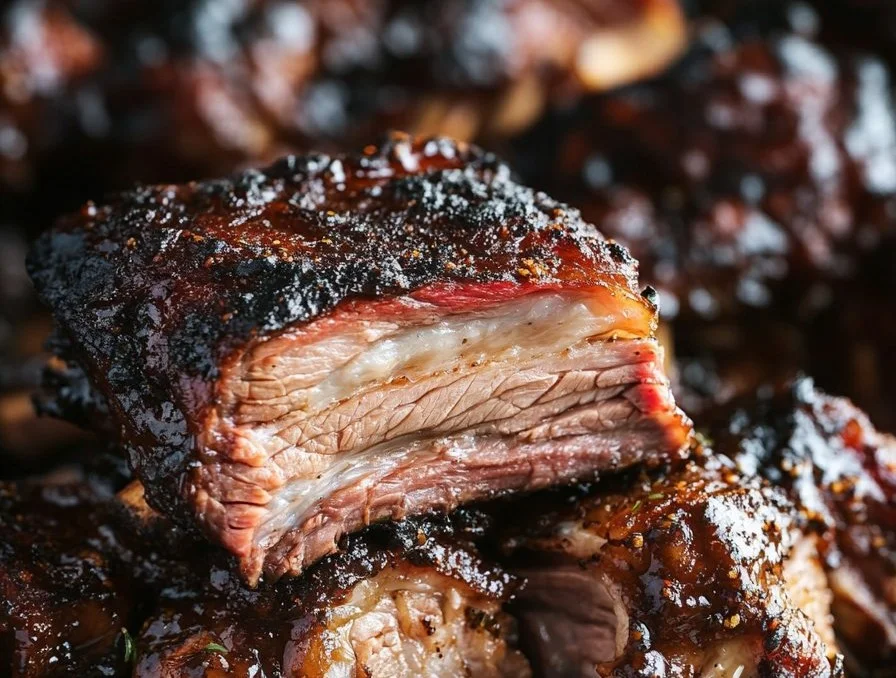
Types of Beef Ribs Explained: Unleash the Flavor of Your Next BBQ!
When it comes to BBQ, beef ribs are the king of meat cuts. Unique, flavorful, and utterly satisfying, they can turn a simple gathering into a mouthwatering feast. But did you know there are different types of beef ribs? Understanding their distinctions can elevate your cooking game and impress your guests. This article will explore the various types of beef ribs, including their flavors, cooking methods, and best use cases, ensuring that you’ll be the BBQ hero in no time!
Ingredients List
Whether you’re a seasoned pitmaster or a newbie to beef ribs, here’s a detailed ingredient list, including some tasty substitutions that may tantalize your taste buds:
-
Beef Ribs (choose from the below options)
- Back Ribs (Short Ribs): Cut from the rib primal near the spine, these have a high meat-to-bone ratio.
- Plate Ribs: Larger and meatier, these ribs come from the belly area and are known for their intense flavor.
- Flanken-Style Ribs: Cut across the bone, these are great for marinating and grilling quickly.
-
All-Purpose Rub (store-bought or homemade)
- Typical Ingredients: Brown sugar, smoked paprika, black pepper, garlic powder, onion powder, chili powder.
- Substitutions: For a low-sodium version, use salt-free herbs and spices or add citrus zest for freshness.
-
BBQ Sauce (optional)
- Homemade or Store-Bought: Look for a sauce with natural ingredients high in flavor and low in additives.
- Alternative: Use a vinegar-based sauce for a tangy kick.
-
Wood Chips for Smoking (if desired)
- Types: Hickory, mesquite, or applewood for different flavor profiles.
- Substitutions: Try using charcoal infused with wood flavors for a smoky depth.
-
Sides (to accompany your beef ribs)
- Cornbread, coleslaw, or pickles to cut through the richness.
Timing
Getting the timing right can make or break your beef rib experience. Here’s an overview:
- Preparation Time: 30 minutes
- Marination Time: Up to 24 hours (the longer, the better, roughly 10-20% more flavor absorbed)
- Cooking Time: 4 to 6 hours (depending on the size and cut of the ribs)
- Total Time: Up to 24 hours and 6 hours cooking, but well worth the wait!
Step-by-Step Instructions
Here’s how to prepare the perfect beef ribs that will leave everyone asking for seconds:
Step 1: Choose Your Ribs
Select your desired cut of beef ribs from your local butcher or grocery store. Look for well-marbled meat as fat contributes to flavor and tenderness.
Step 2: Prepare Your Rub
Mix your dry rub ingredients together in a bowl. Feel free to adjust ratios to suit your flavor preferences! For a spicy kick, consider adding cayenne pepper.
Step 3: Marinate
Generously coat the beef ribs with the rub, making sure to massage it in. For even more flavor, wrap the ribs in plastic wrap and place them in the refrigerator for at least 2 hours, but ideally overnight.
Step 4: Preheat the Grill or Smoker
Prepare your grill or smoker for low and slow cooking (around 225°F to 250°F). If using wood chips, pre-soak them in water for 30 minutes before adding them to create smoke.
Step 5: Cook the Ribs
Place the ribs on the grill or smoker bone-side down. Close the lid and don’t open it for the first hour. After the initial hour, check once every hour and spritz with apple cider vinegar or beef broth to keep them moist.
Step 6: Apply BBQ Sauce
If you love BBQ sauce, brush it on during the last hour of cooking to let it caramelize without burning.
Step 7: Check for Doneness
Beef ribs are done when they become tender and the meat pulls away from the bone easily. You may also test with a meat thermometer for an internal temperature of about 200°F.
Step 8: Rest and Serve
Once cooked, remove ribs from the grill and let them rest for 15-20 minutes. This allows juices to redistribute, keeping them juicy!
Nutritional Information
While beef ribs are indulgent, they can still fit into a balanced diet. Here’s a general nutritional breakdown for a basic serving of beef ribs (based on a 3-ounce serving size):
- Calories: 250-300
- Protein: 25-30 grams
- Fat: 18-24 grams (of which saturated fat is about 8 grams)
- Iron: 2.5 mg
- Zinc: 5 mg
While enjoying beef ribs in moderation can be part of a healthy diet, consider balance by accompanying the meal with lighter sides like salads or grilled vegetables.
Healthier Alternatives for the Recipe
Suggested Modifications
- Use Leaner Cuts: Opt for leaner beef ribs or remove excess fat.
- Skip the Sauce: If you’re watching sugar, consider serving with a homemade salsa or chimichurri instead of BBQ sauce.
- Increase Veggies: Add grilled vegetables as a side for added nutrients and fiber.
Creative Substitutes
- For gluten-free rubs, use gluten-free spices and store-bought products.
- Replace sugar in the rub with mashed dates or maple syrup for a natural sweetness.
Serving Suggestions
Impress your diners with these serving suggestions that blend flavors and textures:
- Serve with Classic Cornbread: The buttery and sweet cornbread complements the savory richness of beef ribs perfectly.
- Pickle Plates: Add a variety of pickled cucumbers, onions, and jalapeños for a zesty contrast.
- Family-Style Platter: Serve the ribs on a large platter with sides of coleslaw and grilled corn on the cob for a rustic BBQ experience.
Conclusion
Understanding the variations in beef ribs helps you pick the right cut for your occasion. Whether it’s back ribs, plate ribs, or flanken-style, each offers a uniquely delicious experience bound to leave a lasting impression. With this easy-to-follow guide, you’re equipped to create mouthwatering beef ribs worthy of any BBQ. Now it’s your turn—dive into the world of beef ribs!
Don’t forget to share your experiences in the comments below, and check out our related posts for more on grilling techniques and other delicious recipes!
FAQs
Q: What are the best types of beef ribs for smoking?
A: Plate ribs are often preferred for smoking due to their rich flavor and tenderness, but back ribs can also provide great results.
Q: How can I make my beef ribs more tender?
A: Marinating them overnight and cooking them slowly at low temperatures is key. Keeping them wrapped in foil for part of the cooking process can also help.
Q: Can I cook beef ribs in the oven?
A: Absolutely! You can cook beef ribs in the oven for 3-4 hours at 300°F. For a nice crust, finish them off on a grill or under the broiler for a few minutes.
Q: What sides pair well with beef ribs?
A: Coleslaw, baked beans, cornbread, and grilled vegetables are great accompaniments that balance the richness of the ribs.
Taking the plunge into the world of beef ribs can transform your dining experience. Armed with this knowledge and tips, you’re set to create a feast that everyone will talk about long after the last bite! Enjoy cooking and happy grilling!