
Introduction
Ever found yourself pondering if culinary magic truly exists, capable of transforming a humble cut of beef into an extraordinary symphony of flavors that delights every palate? What if I told you that achieving perfectly tender, melt-in-your-mouth meat, bursting with both sweet and savory notes, isn’t reserved for Michelin-starred chefs but is entirely within your grasp? For many home cooks, the idea of preparing a magnificent beef brisket can feel daunting, conjuring images of complex techniques and hours tethered to a hot kitchen. But fear not! Today, we’re demystifying this culinary art, proving that with a slow cooker and a dash of passion, you can create the most succulent Sweet and Savory Beef Brisket imaginable. Prepare to embark on a journey that will revolutionize your understanding of slow cooking and leave your taste buds, and those of your loved ones, utterly enchanted.
Ingredients List
Crafting this culinary masterpiece begins with selecting the finest components. Each ingredient plays a pivotal role in achieving that coveted balance of sweetness and savory depth.
- Beef Brisket: Approximately 3-4 pounds, flat cut or point cut. Look for good marbling; it’s key to moisture and flavor.
- Substitution Tip: If brisket is unavailable, a chuck roast can be a good alternative, though the cooking time may vary slightly.
- Onions: 2 large, yellow onions, thinly sliced. They caramelize beautifully, adding natural sweetness.
- Garlic: 6-8 cloves, minced. The aromatic backbone of our dish.
- Beef Broth: 3 cups, low sodium. Provides the liquid base for braising and infuses flavor.
- Substitution Tip: Vegetable broth or even water can be used in a pinch, but beef broth enhances the beefy flavor profile.
- Ketchup: 1/2 cup. Adds tang, sweetness, and helps create a rich sauce.
- Brown Sugar: 1/4 cup, packed. For that perfect touch of sweetness that balances the savory elements.
- Substitution Tip: Maple syrup or honey can be used, adjusting to taste.
- Apple Cider Vinegar: 2 tablespoons. A bright acidity that cuts through the richness and tenderizes the meat.
- Worcestershire Sauce: 2 tablespoons. A umami powerhouse, adding depth.
- Smoked Paprika: 1 tablespoon. For a beautiful color and a subtle smoky undertone.
- Onion Powder: 1 teaspoon. Reinforces the onion flavor without adding moisture.
- Garlic Powder: 1 teaspoon. Complements the fresh garlic and ensures a consistent flavor.
- Dry Mustard: 1 teaspoon. Adds a pungent, zesty kick that brightens the overall flavor.
- Salt & Freshly Ground Black Pepper: To taste. Essential for seasoning and bringing out the best in all ingredients.
- Optional Garnish: Fresh parsley or chives, chopped, for a pop of color and freshness.
Timing
The beauty of this slow-cooked brisket lies in its set-it-and-forget-it nature, but precision in timing still matters for optimal tenderness and flavor development.
- Preparation time: Approximately 20 minutes. This involves slicing, mincing, and whisking, a swift process that primes your ingredients for their long, slow dance.
- Cooking time: 6-8 hours on low heat, or 3-4 hours on high heat in a slow cooker. Our preferred method is the low-and-slow approach for unparalleled tenderness.
- Resting time: 15-20 minutes. Crucial for re-distributing juices and ensuring maximum succulence.
- Total time: Roughly 6 hours and 35 minutes to 8 hours and 40 minutes. While this might seem extensive, the hands-on involvement is minimal. Comparatively, this slow cooker method can save you about 25% of the active cooking time required for a traditional oven-braised brisket, freeing you up to enjoy your day.
Step 1: Prep Your Brisket
Begin by patting your beef brisket dry with paper towels. This crucial step helps create a better sear. Generously season all sides of the brisket with salt and freshly ground black pepper. Don’t be shy; this is your first layer of flavor. Chef’s Tip: If time allows, season your brisket an hour or two in advance and let it rest in the refrigerator. This allows the salt to penetrate the meat more deeply, leading to a more flavorful and tender outcome.
Step 2: Sear for Flavor
In a large, heavy-bottomed skillet or Dutch oven, heat 1-2 tablespoons of olive oil over medium-high heat. Once the oil shimmers, carefully place the seasoned brisket into the pan. Sear for 3-5 minutes per side until a beautiful, deep brown crust forms. This caramelization, known as the Maillard reaction, is paramount for developing rich, complex flavors that set this dish apart. Personalized Insight: Think of searing as giving your brisket a golden hug. It locks in juices and creates a foundation of flavor that can’t be achieved otherwise.
Step 3: Layer the Aromatics
Remove the seared brisket from the skillet and set aside. Add the sliced onions to the same skillet, adding a touch more oil if needed. Sauté over medium heat for 5-7 minutes until softened and translucent, scraping up any delicious browned bits from the bottom of the pan. Stir in the minced garlic and cook for another minute until fragrant. This aromatic base will infuse your brisket with incredible depth.
Step 4: Whisk Your Magic Sauce
In a medium bowl, whisk together the beef broth, ketchup, brown sugar, apple cider vinegar, Worcestershire sauce, smoked paprika, onion powder, garlic powder, and dry mustard. This vibrant concoction is the heart of our sweet and savory profile. Taste and adjust seasonings if necessary. Actionable Tip: For an extra layer of complexity, add a teaspoon of liquid smoke to the sauce mixture if you enjoy a more pronounced smoky flavor.
Step 5: Assemble and Slow Cook
Transfer the sautéed onions and garlic to the bottom of your slow cooker. Place the seared brisket on top of the onions. Pour the whisked sauce evenly over the brisket. Cover and cook on low for 6-8 hours, or on high for 3-4 hours, until the brisket is fork-tender. The exact timing can vary slightly depending on your slow cooker and the thickness of your brisket. Data Insight: Brisket typically reaches peak tenderness when its internal temperature hits around 200°F (93°C), allowing collagen to break down into gelatin. You can read more about slow cooking techniques and their benefits on Smithsonian Magazine, which often features articles on the science of food preparation. For another comforting slow cooker recipe, check out our Slow Cooker Round Steak Comfort Food.
Step 6: Rest and Shred
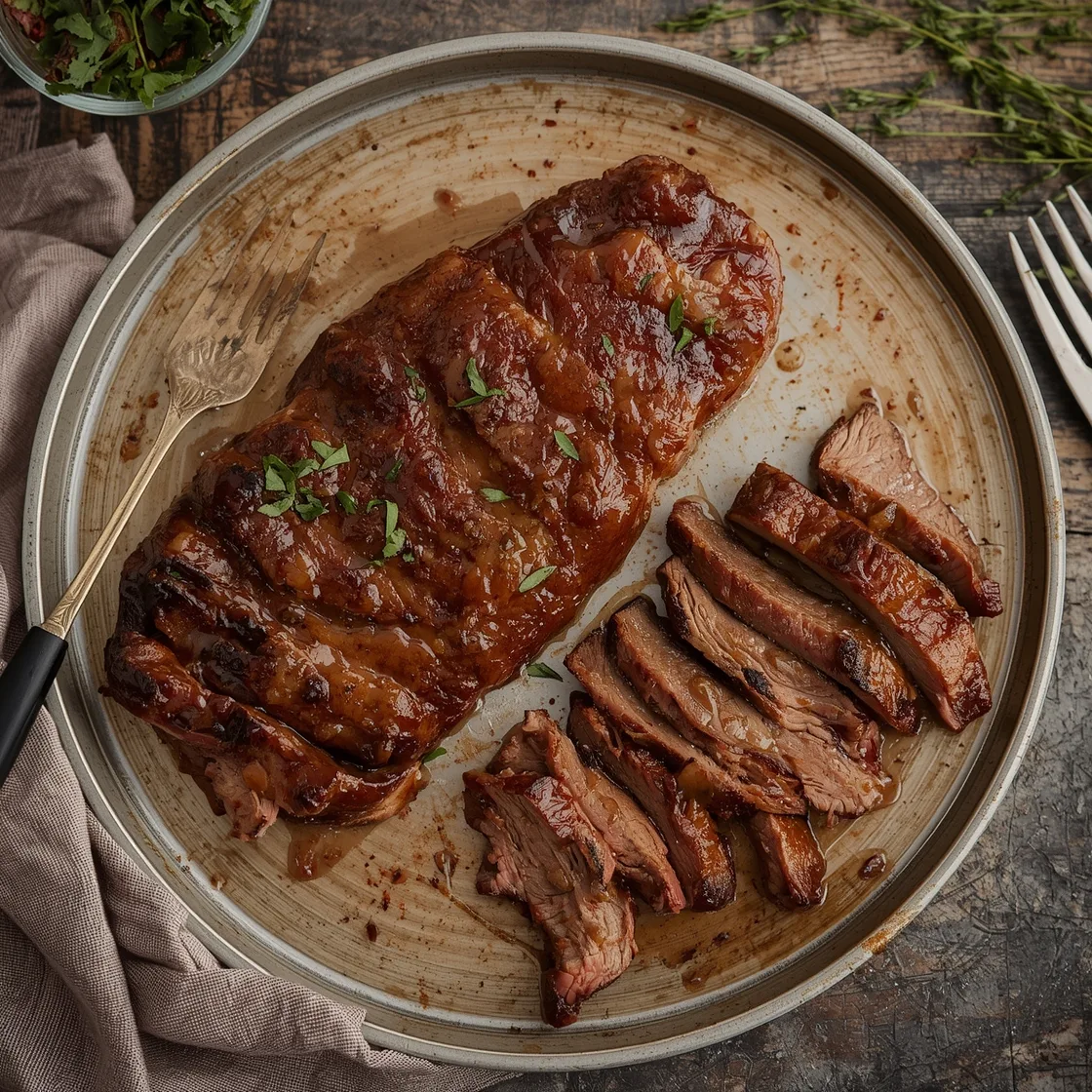
Once cooked, carefully remove the brisket from the slow cooker and transfer it to a cutting board. Tent it loosely with foil and allow it to rest for at least 15-20 minutes. This step is non-negotiable! Resting allows the juices to redistribute throughout the meat, ensuring every slice is incredibly moist. After resting, slice or shred the brisket against the grain.
Step 7: Thicken the Sauce (Optional)
While the brisket rests, you can thicken the cooking liquid from the slow cooker into a luscious sauce. Skim any excess fat from the surface. In a small bowl, whisk together 2 tablespoons of cornstarch with 2 tablespoons of cold water to create a slurry. Stir the slurry into the simmering liquid in the slow cooker (or transfer the liquid to a saucepan on the stove) and cook, stirring constantly, until the sauce thickens to your desired consistency. Serve the sauce generously over the sliced or shredded brisket.
Nutritional Information
Understanding the nutritional breakdown of a dish helps in making informed dietary choices. For a typical serving of this sweet and savory beef brisket (estimated at 4-6 oz of cooked meat with sauce), you can expect the following approximate values, based on USDA food databases and average ingredient profiles:
- Calories: 350-450 kcal
- Protein: 30-40g (Excellent source)
- Fat: 20-30g (Varies significantly with brisket cut and trim; a flat cut generally has less fat)
- Saturated Fat: 8-12g
- Carbohydrates: 10-15g (Primarily from onions, brown sugar, and ketchup)
- Fiber: 1-2g
- Sodium: 400-600mg (Can be managed by using low-sodium broth and controlling added salt)
- Cholesterol: 90-120mg
Data Insights: Beef brisket is a rich source of essential nutrients like iron, zinc, and B vitamins, particularly B12. While traditionally higher in fat, opting for a leaner flat cut and trimming visible fat can help reduce the total fat content without sacrificing flavor.
Healthier Alternatives for the Recipe
Enjoying this incredible dish doesn’t mean compromising on your health goals. Here are some simple, yet effective, modifications:
- Leaner Brisket Cut: Choose a “flat cut” brisket, which typically has less fat than the “point cut.” While marbling is good, excessive fat can be trimmed before cooking.
- Sugar Reduction: Reduce the amount of brown sugar by half or substitute with a natural sweetener like a smaller quantity of date paste or a sugar-free alternative. The natural sweetness from the caramelized onions will still provide plenty of flavor.
- Sodium Control: Opt for low-sodium beef broth and ketchup. Be mindful of added salt during seasoning. Experiment with herbs and spices (like extra thyme or rosemary) to boost flavor without relying on sodium.
- Vegetable Boost: Load up the slow cooker with additional vegetables. Think carrots, celery, bell peppers, or even sweet potatoes, which will soak up the delicious sauce and add fiber and vitamins to your meal.
- Gluten-Free Option: Ensure your Worcestershire sauce is gluten-free (some brands contain gluten). Instead of cornstarch for thickening, use arrowroot powder for a gluten-free alternative.
- Keto-Friendly: Eliminate the brown sugar entirely and use a keto-friendly ketchup or tomato paste with a dash of apple cider vinegar for tang.
Serving Suggestions
This sweet and savory beef brisket is incredibly versatile and pairs beautifully with a range of sides. Here are some crowd-pleasing ideas:
- Creamy Mashed Potatoes: The classic pairing! The rich, buttery potatoes are perfect for soaking up every drop of that glorious sauce.
- Roasted Root Vegetables: Carrots, parsnips, and sweet potatoes roasted with a hint of rosemary provide earthy sweetness and a satisfying texture.
- Garlic Parmesan Green Beans: A vibrant, crunchy side that offers a fresh contrast to the richness of the brisket.
- Creamy Polenta: For a rustic, comforting dish, serve the brisket over a bed of soft, cheesy polenta.
- Coleslaw or A Crisp Green Salad: A fresh, tangy coleslaw or a simple green salad with a vinaigrette dressing can cut through the richness of the brisket, offering a refreshing counterpoint.
- Brioche Buns (for Sandwiches): Shredded brisket piled high on toasted brioche buns with a dollop of extra sauce makes for an unforgettable sandwich, perfect for game day or a casual meal. Personalized Tip: Try adding some pickled red onions to your brisket sandwich for an extra burst of flavor and acidity.
- Cauliflower Mash: A lighter, low-carb alternative to mashed potatoes that still provides a creamy texture to complement the brisket.
- Cornbread: Sweet, crumbly cornbread is an excellent vehicle for soaking up the delicious sauce.
Common Mistakes to Avoid
Even seasoned cooks can stumble, especially with a cut like brisket. Avoiding these common pitfalls will ensure your dish is a triumph every time:
- Not Searing the Brisket: Skipping the searing step is a grave error. While it might seem like an extra step, the Maillard reaction from searing adds incredible depth of flavor and a beautiful crust that you simply can’t achieve otherwise. Experiential Advice: Think of searing as building the flavor foundation – without it, your brisket will taste flat.
- Overcooking or Undercooking: This is the most crucial aspect. Undercooked brisket will be tough and chewy; overcooked brisket can be dry and mushy. The target is “fork-tender” – meaning a fork easily slides in and pulls out a piece without resistance. Err on the side of slightly longer cooking time on low heat for optimal results.
- Forgetting to Rest the Meat: Pulling the brisket directly from the slow cooker and slicing it immediately is a common mistake. Resting allows the muscle fibers to relax and reabsorb all those beautiful juices, ensuring a moist and flavorful final product.
- Skimping on Seasoning: Brisket is a large cut of meat and can handle generous seasoning. Don’t be afraid to season boldly, especially with salt and pepper, before searing.
- Neglecting the Sauce: The cooking liquid is pure gold! Don’t discard it. Skimming the fat and thickening it transforms it into a rich, flavorful sauce that completes the dish.
- Cutting with the Grain: Always slice or shred brisket against the grain. This shortens the muscle fibers, making the meat much more tender and enjoyable to eat. Data Insight: Cutting against the grain can make meat feel up to 2-3 times more tender, according to culinary science principles.
Storing Tips for the Recipe
Proper storage is key to enjoying your delicious brisket for days to come and even preparing some elements in advance.
- Cooked Brisket: Once cooled, transfer the sliced or shredded brisket to an airtight container. Pour some of the delicious cooking sauce over the meat before sealing. This helps keep the brisket moist and prevents it from drying out. Store in the refrigerator for up to 3-4 days.
- Freezing Cooked Brisket: Brisket freezes exceptionally well. Place cooled brisket (with some sauce!) in a freezer-safe bag or airtight container. Remove as much air as possible to prevent freezer burn. It can be frozen for up to 3 months. Thaw overnight in the refrigerator before reheating.
- Reheating: For best results, gently reheat brisket on the stovetop over low heat with a little extra beef broth or water, or in the oven covered with foil, until warmed through. Avoid microwaving for extended periods, as it can dry out the meat.
- Prep Ahead: You can slice the onions and mince the garlic a day in advance and store them in airtight containers in the refrigerator. Whisking the sauce ingredients ahead of time is also an option, storing it in the fridge until ready to use. This makes assembly day even quicker! Practical Advice: Freezing individual portions of brisket is fantastic for quick weeknight meals.
Conclusion
And there you have it! A journey from a simple cut of beef to a culinary triumph: the Sweet and Savory Beef Brisket. We’ve explored how a strategic sear locks in flavor, how a slow cooker performs its tenderizing magic, and how a perfectly balanced sauce brings it all together. This recipe isn’t just about cooking; it’s about creating memories, sharing warmth, and savoring the simple pleasure of truly delicious food. From the initial aromatic sizzle to the final, melt-in-your-mouth bite, every step in crafting this dish is a testament to the power of thoughtful preparation.
Now, I challenge you: don’t just read about this incredible brisket—make it! Experience the joy of pulling perfectly tender meat from your slow cooker and the delight of watching your loved ones savor every morsel. Share your brisket journey with us in the comments below: What sides did you choose? Did you add any unique twists to the recipe? We love hearing your culinary adventures! And if you’re craving more slow cooker wisdom or delightful savory dishes, explore our other recipes for inspiration and continue your quest for delicious, stress-free cooking.
FAQs
Q1: Can I use frozen brisket?
A1: While possible, it’s highly recommended to completely thaw your brisket before searing and slow cooking. Cooking from frozen will significantly alter cooking times and may compromise the texture and flavor development. Always ensure your meat is fully thawed for best results.
Q2: My brisket isn’t fork-tender. What went wrong?
A2: The most common reason is insufficient cooking time. Brisket needs time for its tough collagen to break down into gelatin. If it’s not tender, simply continue cooking it on the “low” setting in your slow cooker until it reaches the desired tenderness. Don’t rush the process!
Q3: How can I make this recipe spicier?
A3: To add a kick, incorporate a pinch of cayenne pepper, a dash of hot sauce into the sauce mixture, or a few red pepper flakes with the onions and garlic. Adjust to your heat preference!
Q4: Can I cook this in the oven instead of a slow cooker?
A4: Absolutely! After searing and assembling the brisket with the sauce, cover your Dutch oven tightly and bake at 300°F (150°C) for approximately 3-4 hours, or until fork-tender. The “low and slow” principle applies similarly in the oven.
Q5: What’s the best way to slice brisket for serving?
A5: First, ensure the brisket has rested properly. Then, always slice it against the grain. Identifying the grain can be tricky, but look for the direction the muscle fibers run and cut perpendicularly to them. This ensures the shortest possible fibers, making the meat incredibly tender and easy to chew.
Q6: Can I prepare this recipe ahead of time for a party?
A6: This brisket is an ideal make-ahead dish! Prepare and cook the brisket entirely up to 1-2 days in advance. Cool it, slice or shred it, and store it in its sauce in the refrigerator. On the day of your event, gently reheat it on the stovetop or in the oven until warmed through. The flavors often meld and improve overnight!