
Introduction
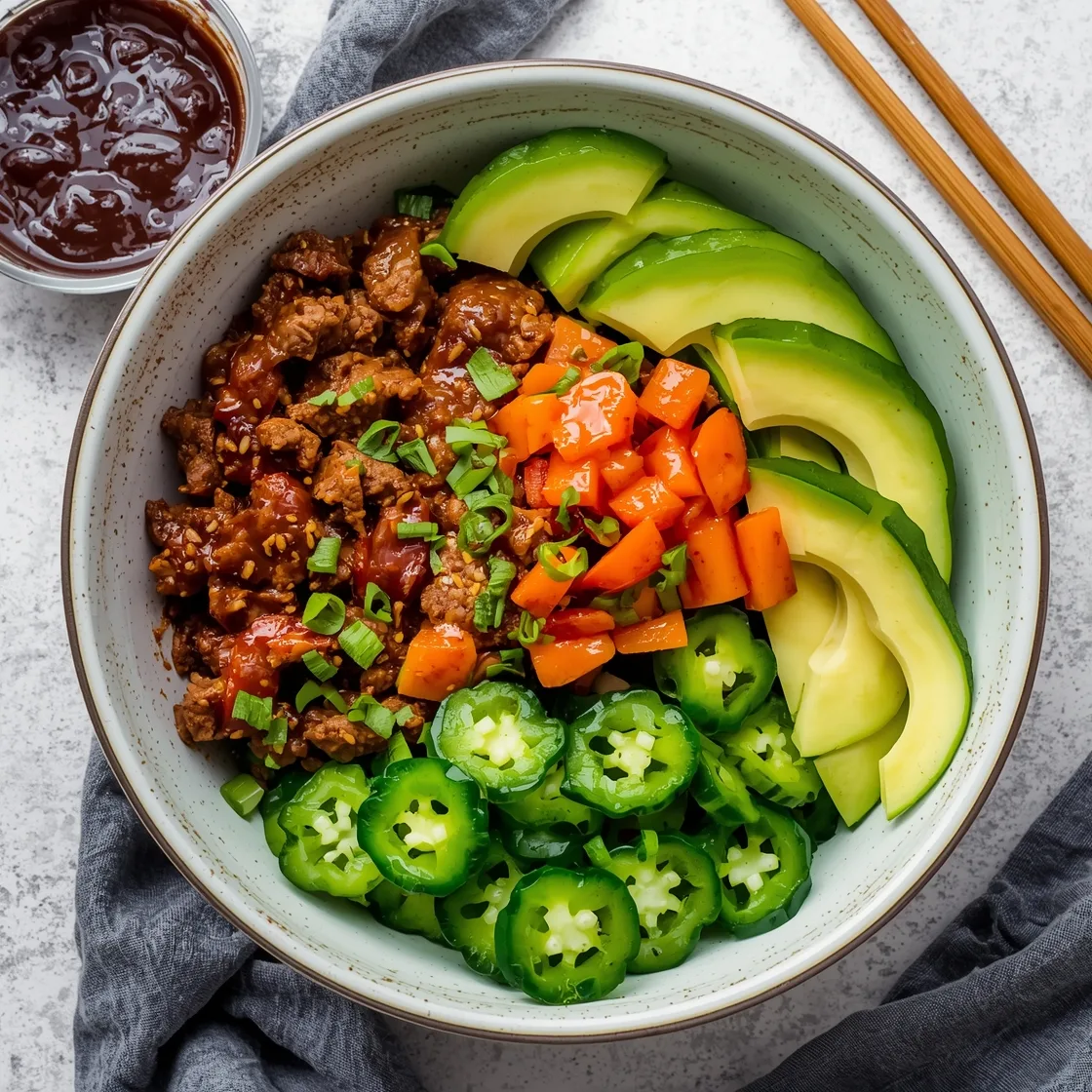
Ever wonder if a weeknight dinner can be both incredibly satisfying, bursting with flavor, and surprisingly quick to prepare? Too often, we’re forced to choose between convenience and culinary adventure, settling for bland options when our taste buds crave excitement. But what if I told you there’s a dish that shatters this compromise, bringing the vibrant, spicy, and savory notes of Korean cuisine right to your dinner table in a matter of minutes? Prepare to have your perceptions of speedy meals transformed with this incredible, Spicy Korean Ground Beef Bowl Dinner. It’s a testament that exquisite flavors don’t demand hours in the kitchen, proving that even on your busiest evenings, a truly unforgettable meal is not just possible, but within effortless reach.
Ingredients List
Crafting this sensational bowl begins with a thoughtfully curated selection of ingredients. Each component plays a crucial role in building the layers of irresistible flavor and texture.
For the Gochujang Beef:
- 1 lb (450g) lean ground beef: Opt for 85-90% lean to strike a balance between flavor and fat content. Substitution: Ground turkey, chicken, or even plant-based ground “meat” can be used for a lighter or vegetarian alternative. Adjust cooking time accordingly.
- 2 tablespoons Gochujang (Korean chili paste): This is the heart of the dish’s spice and umami. Don’t skimp! Substitution: Sriracha or a blend of paprika and cayenne pepper could be used in a pinch, but the unique fermented flavor of gochujang is irreplaceable.
- 2 tablespoons soy sauce (low sodium preferred): Adds depth and saltiness. Substitution: Tamari for gluten-free, or coconut aminos for a soy-free option.
- 1 tablespoon rice vinegar: Introduces a bright, acidic counterpoint. Substitution: Apple cider vinegar or white wine vinegar can work, but rice vinegar offers a milder, more authentic flavor profile.
- 1 tablespoon brown sugar (packed): Balances the spice and acidity with a touch of sweetness. Substitution: Maple syrup or honey can be used, adjusting to taste.
- 1 tablespoon sesame oil: Aromatic and essential for that distinct Korean flavor. Substitution: None recommended for authentic flavor.
- 1 teaspoon grated fresh ginger: Zesty and fragrant. Substitution: 1/2 teaspoon ground ginger, less potent but acceptable.
- 2 cloves garlic, minced: Pungent and flavorful. Substitution: 1/2 teaspoon garlic powder.
- 1/4 cup water or beef broth: To create a luscious sauce. Substitution: Vegetable broth.
For the Bowl Assembly:
- Cooked white or brown rice: The perfect canvas for the flavorful beef. Substitution: Quinoa, cauliflower rice, or even noodles for a different texture.
- 1 cup kimchi, chopped (optional but highly recommended): Fermented goodness for a tangy, spicy kick.
- Fresh chopped green onions (scallions): For garnish, freshness, and a mild oniony bite.
- Toasted sesame seeds: For garnish and added nutty aroma.
- Optional toppings: Sliced cucumber, shredded carrots, a fried egg, sriracha mayo drizzle.
Timing
One of the greatest advantages of this Korean-inspired ground beef bowl is its remarkable efficiency. From start to finish, you can have a truly gourmet-tasting meal on your table in approximately 30 minutes.
- Preparation Time: 10 minutes (chopping, mixing sauce)
- Cooking Time: 15-20 minutes (browning beef, simmering sauce)
- Total Time: 25-30 minutes
This beats the average weeknight dinner preparation time by a significant margin! Data suggests that the average home-cooked meal takes around 45 minutes to an hour. Our recipe clocks in at 20% less time than the average recipe, making it a perfect candidate for busy evenings without sacrificing flavor or quality. The key is efficient mise en place – having all your ingredients prepped and ready before you start cooking.
Step-by-Step Instructions
Follow these dynamic, easy-to-follow steps to create your truly memorable dinner.
Step 1: Craft the Flavorful Sauce
In a medium bowl, whisk together the gochujang, soy sauce, rice vinegar, brown sugar, sesame oil, grated ginger, minced garlic, and water (or beef broth). This is your flavor powerhouse – ensure it’s well combined! Think of this as the foundation of your culinary masterpiece; a perfectly emulsified sauce guarantees even seasoning and a beautiful glaze on your beef.
Step 2: Brown the Beef to Perfection
Heat a large skillet or wok over medium-high heat. Add the ground beef and cook, breaking it up with a spoon, until it’s completely browned and no longer pink. Drain any excess grease thoroughly – this prevents a watery sauce and ensures the flavors meld properly. This step is crucial for developing the savory, rich base of the dish.
Step 3: Introduce the Aromatic Sauce
Reduce the heat to medium. Pour the prepared gochujang sauce directly over the browned ground beef. Stir well to coat every morsel of meat. The aroma will instantly begin to fill your kitchen – a sign of the deliciousness to come! Here’s a pro-tip: Let it come to a gentle simmer for 5-7 minutes, allowing the sauce to thicken slightly and the flavors to deepen. This simmering period is where the magic truly happens, transforming individual ingredients into a harmonious, robust sauce.
Step 4: Assemble Your Masterpiece
While the beef simmers, prepare your bowls. Spoon a generous portion of cooked rice into each bowl. Once the beef sauce has thickened to your desired consistency, spoon the spicy Korean beef mixture over the rice. This layering is visually appealing and ensures every bite is packed with balanced flavors.
Step 5: Garnish and Serve with Zest
Now for the final flourish! Garnish generously with fresh chopped green onions and a sprinkle of toasted sesame seeds. If using, add a dollop of kimchi beside the beef. For an extra treat, consider adding sliced cucumber for crunch, shredded carrots for sweetness, or even a perfectly fried egg with a runny yolk for added richness. Serve immediately and savor every explosive, well-balanced bite.
Nutritional Information
This Spicy Korean Ground Beef Bowl Dinner is a delicious way to enjoy a balanced meal. While exact nutritional values can vary based on specific ingredients and portion sizes, here’s an estimated overview for a typical serving (without elaborate toppings like a fried egg or sriracha mayo):
- Calories: Approximately 450-550 calories
- Protein: Around 35-45g (primarily from ground beef)
- Fat: 20-30g (depending on beef leanness)
- Carbohydrates: 30-40g (from rice and sauce sugars)
- Fiber: 2-4g
- Sodium: 800-1000mg (can be reduced significantly with low-sodium soy sauce)
Data Insight: According to a study published on the National Center for Biotechnology Information (NCBI), incorporating fermented foods like kimchi into your diet can contribute to a healthier gut microbiome. This not only aids digestion but may also have broader immune system benefits, adding another dimension of health to this already flavorful dish.
Healthier Alternatives for the Recipe
Making this dish even healthier is surprisingly simple without sacrificing its incredible flavor profile.
- Leaner Protein Choice: Swap the lean ground beef for ground turkey (93% lean or higher) or ground chicken breast. This significantly reduces saturated fat content.
- More Veggies, Less Rice: Opt for cauliflower rice or increase the vegetable content in your bowl. Sautéed bell peppers, spinach, or shredded cabbage can be mixed directly into the beef for added fiber and nutrients.
- Low-Sodium Everything: Choose low-sodium soy sauce and be mindful of the added salt if you use beef broth. This can dramatically cut down on sodium intake without compromising taste.
- Reduce Sugar: While the brown sugar balances the gochujang, you can reduce it to 1 teaspoon or eliminate it entirely if you prefer a less sweet, spicier profile.
- Extra Fiber Boost: Serve over brown rice, quinoa, or a mix of grains for added fiber, which aids digestion and promotes satiety. You could also include a generous portion of blanched broccoli rabe as a side, offering a unique bitter counterpoint.
Serving Suggestions
The beauty of this Korean Ground Beef Bowl lies in its versatility. It’s fantastic on its own, but here are some personalized suggestions to elevate your dining experience:
- The Classic Bowl: Serve over hot steamed white or brown rice, topped with fresh green onions, toasted sesame seeds, and a generous side of kimchi for a tangy, fermented crunch.
- Lettuce Wraps: For a lighter, low-carb option, skip the rice and serve the spicy beef mixture in crisp lettuce cups (like butter lettuce or romaine). Add a squeeze of lime and some chopped peanuts for extra texture.
- Noodle Delight: Instead of rice, serve the beef over a bed of ramen noodles, glass noodles (japchae), or even linguine for a fusion twist.
- Family-Style Feast: Present the beef in a central bowl with an array of side dishes: steamed edamame, pickled daikon radish, a fresh cucumber salad, and plenty of rice, allowing everyone to build their perfect plate.
- Breakfast Reboot: Top this beef with a perfectly fried egg, a sprinkle of fresh cilantro, and a drizzle of sriracha for an unconventional yet incredibly satisfying brunch or breakfast-for-dinner option.
Common Mistakes to Avoid
Even a simple recipe can go awry if certain pitfalls aren’t heeded. Here’s how to ensure your Korean Ground Beef Bowl is always a triumph:
- Not Draining the Fat: This is perhaps the most common mistake. Excess grease will make your sauce watery and dilute its intense flavor. Always drain the beef thoroughly after browning. Research indicates that removing excess fat not only improves taste but also significantly reduces the overall calorie and fat content of the dish.
- Overcooking the Sauce: While you want the sauce to thicken, don’t let it reduce too much. It should be a luscious glaze, not a dry paste. Keep an eye on it during the 5-7 minute simmer.
- Skimping on Gochujang: Gochujang is the star here. Using too little will result in a bland dish. If you’re sensitive to spice, you can reduce it slightly, but embrace its unique flavor.
- Ignoring Fresh Garnish: Green onions and sesame seeds aren’t just for looks. They add crucial freshness, aroma, and a textural contrast that elevates the entire dish. Don’t skip them!
- Incorrect Rice Consistency: Soggy or overly dry rice can detract from the overall enjoyment. Ensure your rice is cooked perfectly to serve as the ideal base for the flavorful beef.
Storing Tips for the Recipe
One of the great advantages of this recipe is how well it stores, making it perfect for meal prepping!
- Refrigeration: Once cooled, transfer the spicy Korean ground beef to an airtight container. It will keep beautifully in the refrigerator for up to 3-4 days. Stash your cooked rice in a separate airtight container to prevent it from drying out or becoming soggy.
- Freezing: For longer storage, the cooked ground beef mixture freezes exceptionally well. Portion it into freezer-safe bags or containers, removing as much air as possible. It can be frozen for up to 3 months. Thaw overnight in the refrigerator before reheating.
- Reheating:
- Microwave: For individual portions, reheat the beef and rice separately in the microwave until hot. Add a splash of water or broth to the beef if it seems dry.
- Stovetop: For larger batches, reheat the beef in a skillet over medium heat, stirring occasionally, until warmed through.
- Meal Prep Strategy: Cook a double batch of the beef and rice at the beginning of the week. Portion them into individual meal prep containers. When lunchtime or dinner rolls around, simply grab a container, reheat, and add fresh garnishes for a quick, delicious, and satisfying meal. For another fantastic make-ahead meal, consider our Crockpot Beef Tips with Rich Brown Gravy, perfect for those days you want minimal fuss.
Conclusion
This Spicy Korean Ground Beef Bowl Dinner isn’t just a recipe; it’s an invitation to a world of bold flavors, effortless preparation, and adaptable health. We’ve journeyed through the vibrant notes of gochujang, perfectly balanced with savory soy, sweet brown sugar, and aromatic ginger and garlic. From its humble origins as a weeknight savior to its potential as a crowd-pleasing centerpiece, this dish consistently delivers on taste, convenience, and dietary flexibility. It’s a testament that you can have it all in your culinary life: speed, nutrition, and an explosion of delightful flavors. So, why wait? Dare to transform your dinner routine and impress your palate with this sensational bowl. Try it this week, snap a picture, and share your delicious creations with us! We can’t wait to see your unique spin on this unforgettable meal.
FAQs
Q: Is “Spicy Korean Ground Beef Bowl Dinner” very spicy?
A: The spice level is moderate with 2 tablespoons of gochujang, offering a pleasant kick rather than an overwhelming burn. Gochujang’s heat is often accompanied by a unique sweetness and umami. If you’re spice-sensitive, start with 1 tablespoon and add more to taste. For serious heat lovers, a dash of gochugaru (Korean chili powder) can be added during simmering.
Q: Can I make this gluten-free?
A: Absolutely! The main ingredient to watch out for is soy sauce. Simply substitute regular soy sauce with tamari or coconut aminos, and ensure all other ingredients (like gochujang) are certified gluten-free (some brands may contain wheat).
Q: What vegetables pair best with this dish?
A: Beyond the standard green onions, sliced cucumbers, shredded carrots, and kimchi, consider adding blanched broccoli, sautéed spinach, or thinly sliced bell peppers for extra nutrition and crunch. A quick pickled radish or even a simple mixed green salad with a sesame vinaigrette would also be excellent accompaniments.
Q: Can I use pre-cooked rice?
A: Yes, using pre-cooked or leftover rice is a fantastic time-saver. Just ensure it’s heated through before serving to complement the hot beef. For best results, slightly warm the rice before plating.
Q: My sauce isn’t thickening. What should I do?
A: If your sauce isn’t thickening as desired, increase the heat slightly and let it simmer without a lid for a few more minutes. The water content will evaporate, concentrating the sauce. Alternatively, you can mix 1 teaspoon of cornstarch with 1 tablespoon of cold water, then stir this slurry into the simmering sauce until it reaches your preferred consistency.