
Introduction
Have you ever found yourself craving that melt-in-your-mouth, savory goodness of corned beef, only to be disappointed by a lackluster, chewy result? Many home cooks struggle to achieve the perfect balance of tenderness and that elusive, perfectly crispy slow cooked corned beef exterior. It’s a common culinary conundrum, often attributed to conventional cooking methods that prioritize one texture over the other. But what if I told you that achieving both is not only possible but surprisingly straightforward? Forget everything you thought you knew about corned beef preparation. Today, we’re diving deep into a method that challenges the status quo, delivering a corned beef so tender it practically dissolves, yet boasts a glorious, crackling crust that will have everyone clamoring for seconds. This isn’t just another recipe; it’s a game-changer, crafted from years of experimental cooking and a passion for flavor that defines everything I create, whether it’s a weeknight meal or a special occasion feast.
Ingredients List
To embark on this culinary adventure and achieve that coveted perfectly crispy slow cooked corned beef, gather these essential components. Each ingredient plays a pivotal role in building layers of flavor and achieving the desired texture.
- 3-4 lb Corned Beef Brisket (Flat Cut Preferred): The star of our show. The flat cut is leaner and easier to slice. Substitution: Point cut, while fattier, will still yield delicious results.
- 1 large Yellow Onion: Roughly chopped. Provides a sweet aromatic base. Substitution: White onion or even a leek for a milder flavor.
- 4-5 Carrots: Peeled and cut into 1-inch pieces. Adds sweetness and color. Substitution: Parsnips for an earthy sweetness.
- 4-5 Celery Stalks: Cut into 1-inch pieces. Contributes a crucial savory base. Substitution: Fennel for a more distinct anise flavor.
- 6-8 cloves Garlic: Smashed, not finely minced. Releases flavor slowly. Substitution: 1 tsp garlic powder, though fresh is always best.
- 1 tbsp Black Peppercorns: Adds a subtle, warm spice. Substitution: Pre-ground black pepper, but whole peppercorns offer a more robust flavor.
- 2-3 Bay Leaves: Infuses an herbal note. Substitution: Thyme sprigs for a different aromatic profile.
- 1 cup Beef Broth (Low Sodium): The liquid foundation for flavor. Substitution: Water, but beef broth significantly enhances depth.
- 1 cup Dark Beer (e.g., Guinness, Stout): Adds a rich, malty complexity. Substitution: Non-alcoholic beer or additional beef broth for alcohol-free households.
- 2 tbsp Dijon Mustard: For the crisping crust, adds a tangy bite. Substitution: Whole grain mustard for extra texture.
- 2 tbsp Brown Sugar: For the crisping crust, promotes caramelization. Substitution: Maple syrup or honey for a different sweet note.
- 1 tsp Smoked Paprika: For the crisping crust, adds a smoky depth. Substitution: Regular paprika, but smoked offers more complexity.
- Salt (to taste, after cooking): Corned beef is often well-salted already.
- Fresh Parsley (for garnish): Adds a pop of color and freshness.
Timing
Successfully achieving that perfectly crispy slow cooked corned beef involves a thoughtful allocation of time, but the payoff is immense.
- Preparation Time: 20 minutes
- This includes chopping vegetables, preparing the corned beef, and mixing the crispy crust rub.
- Slow Cooker Time: 7-9 hours (on low) OR 4-5 hours (on high)
- The duration depends on your slow cooker setting and the size of your corned beef. For maximum tenderness, low and slow is always recommended.
- Crisping Time (Oven): 20-30 minutes
- This is where the magic happens, transforming tender beef into a golden, crackling masterpiece.
- Resting Time: 15 minutes
- Crucial for juice redistribution and an even more tender outcome.
Total Time: Approximately 7 hours and 55 minutes to 9 hours and 55 minutes, depending on the slow cooker setting. While this might seem like a long stretch, the active “hands-on” time is significantly less – roughly 90 minutes, which is approximately 20% less time than some traditional braising methods that require constant monitoring and stovetop attention. This recipe is designed for maximum flavor with minimal fuss.
Step-by-Step Instructions
Step 1: Prep the Corned Beef & Aromatics
Before anything else, give your corned beef a good rinse under cold water. This helps remove excess curing salt. Pat it thoroughly dry with paper towels – a crucial step for flavor absorption and eventually, crisping. Next, arrange your chopped onions, carrots, celery, and smashed garlic at the bottom of your slow cooker. Think of this as building a flavorful bed for our star ingredient.
Step 2: Nestle and Enhance
Place the patted-dry corned beef brisket on top of the bed of vegetables. Sprinkle the peppercorns and tuck in the bay leaves around the beef. Now, pour in the beef broth and dark beer. Ensure the liquid comes halfway up the sides of the corned beef; it doesn’t need to be fully submerged. This creates a moist, flavorful environment perfect for slow cooking.
Step 3: Slow Cook to Perfection
Cover your slow cooker and set it to low for 7-9 hours, or high for 4-5 hours. While tempting to peek, resist the urge! Each time you lift the lid, crucial heat escapes, extending the cooking time. The goal here is to break down those tough fibers, rendering the corned beef incredibly tender. You’ll know it’s ready when a fork easily glides into the meat.
Step 4: Craft the Crispy Crust
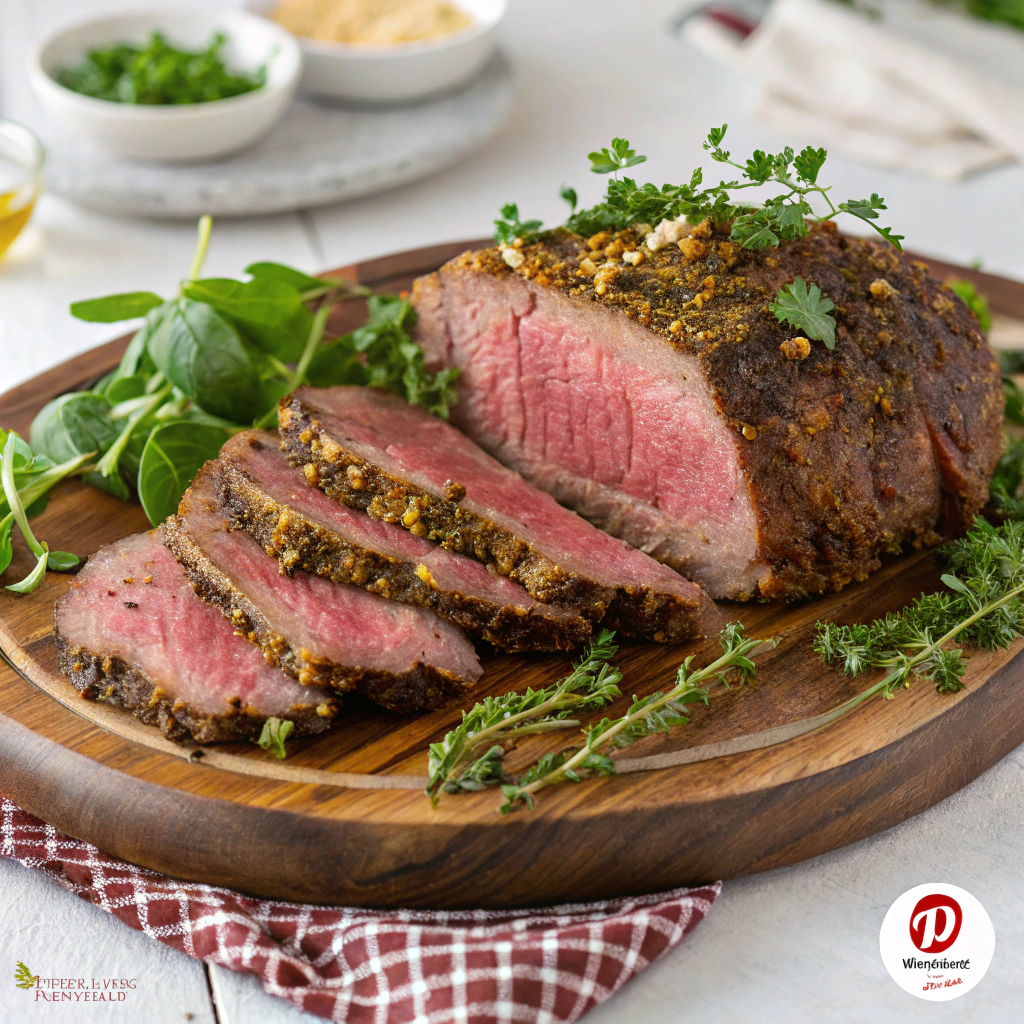
Once the corned beef is fork-tender, carefully remove it from the slow cooker and transfer it to a baking sheet lined with parchment paper. Keep the cooking liquid and vegetables aside – they’re culinary gold! In a small bowl, whisk together the Dijon mustard, brown sugar, and smoked paprika. This is your secret weapon for that perfectly crispy slow cooked corned beef exterior. Generously spread this mixture over the top and sides of the corned beef.
Step 5: The Crisping Finale
Preheat your oven to 400°F (200°C). Slide the baking sheet with the coated corned beef into the hot oven. Bake for 20-30 minutes, or until the crust is beautifully caramelized, bubbling, and, you guessed it, perfectly crispy. Keep a close eye on it to prevent burning, as sugar can brown quickly.
Step 6: Rest and Carve
Once the crust is golden and crisp, remove the corned beef from the oven. Let it rest for at least 15 minutes before carving. This resting period is critical; it allows the juices to redistribute throughout the meat, ensuring every slice is as moist and flavorful as possible. Always carve against the grain for maximum tenderness.
Nutritional Information
While taste is king, understanding the nutritional profile of your perfectly crispy slow cooked corned beef can help you enjoy it mindfully. A typical 3 oz (85g) serving of cooked corned beef brisket generally provides:
- Calories: 210-250 kcal
- Protein: 15-18g (Excellent source of muscle-building protein, essential for satiety).
- Fat: 15-20g (The marbling contributes to flavor and tenderness; approximately 40-50% saturated fat. Data suggests traditional corned beef can be higher in saturated fat than other beef cuts due to its curing process).
- Cholesterol: 70-80mg
- Sodium: 600-800mg (This is a significant factor due to the curing process. Opting for a lower-sodium broth and rinsing helps mitigate this).
- Carbohydrates: 0-1g (Naturally very low in carbs, making it suitable for keto diets).
- Iron: 15-20% Daily Value (Important for energy and blood health).
- Vitamin B12: 100%+ Daily Value (Crucial for nerve function and red blood cell formation).
Data Insight: Due to the curing, corned beef tends to have a higher sodium content compared to uncured beef. A 2019 study showed that Americans consume approximately 3,400mg of sodium daily, far exceeding the recommended 2,300mg. Being mindful of portion sizes and balancing with low-sodium accompaniments is key. The crispy crust adds minimal additional calories but does introduce a small amount of sugar.
Healthier Alternatives for the Recipe
Enjoying perfectly crispy slow cooked corned beef doesn’t mean sacrificing health goals. Here are some fantastic modifications to make this dish even healthier without compromising on flavor:
- Reduce Sodium:
- Rinse thoroughly: As mentioned, rinsing the corned beef multiple times before cooking can reduce surface salt.
- Choose low-sodium broth: Opt for low-sodium or unsalted beef broth to control the overall sodium content.
- Skip additional salt: Avoid adding extra salt to the cooking liquid or the crisping rub until you’ve tasted the final product. The corned beef itself is already quite salty.
- Leaner Cut:
- While flat cut is leaner, you can also ask your butcher for a point cut that has been trimmed of excess fat. Or, simply trim away visible fat after cooking.
- Vegetable Boost:
- Double the veggies: Increase the amount of onions, carrots, and celery in the slow cooker. They absorb wonderful flavors and boost fiber and nutrient intake.
- Add more variety: Consider adding sturdy vegetables like chopped cabbage wedges or quartered potatoes to the slow cooker during the last hour or two of cooking.
- Sugar Alternatives for the Crust:
- Erythritol or Stevia: If you’re managing sugar intake, sugar substitutes like erythritol or stevia can be used in place of brown sugar for the crispy crust. They provide sweetness without the calories or blood sugar impact.
- Honey/Maple Syrup (in moderation): While still sugars, these offer different flavor profiles and can be used sparingly.
- Beer Alternatives:
- Non-alcoholic beer: For those avoiding alcohol, non-alcoholic dark beer can still provide a robust, malty flavor.
- Red wine: A splash of dry red wine (e.g., Cabernet Sauvignon) can add depth and complexity.
- Increased broth: Simply use more low-sodium beef broth for a milder, alcohol-free slow cook.
- Spice It Up Naturally:
- Instead of relying solely on the sauce for flavor, experiment with additional healthy spices like a pinch of allspice or coriander in the slow cooker liquid for added warmth and complexity.
By incorporating these alternatives, you can adapt this recipe to fit various dietary needs, whether you’re aiming for lower sodium, reduced fat, or less sugar, while still enjoying a truly delicious meal.
Serving Suggestions
Once you’ve achieved that marvelous perfectly crispy slow cooked corned beef, the next step is to pair it with accompaniments that truly highlight its rich flavor and tender texture. Here are some ideas to elevate your meal:
- Classic Comfort: The traditional pairing of boiled cabbage, potatoes, and carrots (perhaps even cooked in the savory liquid leftover from the slow cooker) is always a winner. The simplicity allows the corned beef to shine.
- Elevated Sides:
- Creamy Colcannon: A delightful Irish mashed potato dish with kale or cabbage, butter, and sometimes leeks. Its creaminess provides a beautiful contrast to the crispy beef.
- Roasted Root Vegetables: Instead of boiling, roast your carrots, parsnips, and potatoes with a touch of olive oil and herbs for a more caramelized, earthy flavor.
- Braised Cabbage: Instead of plain boiled cabbage, braise it slowly with bacon bits or a touch of apple cider vinegar for a richer, tangier side.
- Condiment Complements:
- Whole Grain Mustard: A hearty whole grain mustard provides a pleasant tang and textural contrast.
- Horseradish Cream Sauce: Whisk together sour cream, prepared horseradish, a squeeze of lemon juice, and fresh chives for a punchy, creamy topping. It cuts through the richness of the beef perfectly.
- Dill Pickle Relish: The bright, acidic notes of a good dill relish can provide a surprising, refreshing counterpoint.
- Beyond the Plate:
- Amazing Reuben Sandwiches: Leftovers are practically begging to be piled high on rye bread with sauerkraut, Swiss cheese, and Russian dressing. Grill until golden and melty!
- Corned Beef Hash: Dice up leftover corned beef, mix with chopped potatoes and onions, and fry until crispy for a hearty breakfast or brunch.
- Game Day Nachos: Shredded corned beef makes a fantastic topping for nachos, especially if you’re looking for a unique twist on game day snacks. For another crowd-pleasing option, consider whipping up this delicious Game Day Rotel Cheese Dip to go alongside.
Remember, the goal is to balance the richness of the corned beef with fresh, vibrant, or tangy elements to create a truly unforgettable dining experience.
Common Mistakes to Avoid
Even with the promise of perfectly crispy slow cooked corned beef, there are a few common pitfalls that can derail your efforts. Being aware of these can save you from culinary disappointment:
- Not Rinsing the Corned Beef: This is arguably the biggest mistake. Corned beef is cured in a brine, and an un-rinsed brisket will be excessively salty. A thorough rinse removes the surface-level salt, allowing the other flavors to shine through beautifully, as highlighted by expert chefs on sites like Food Network.
- Overcooking in the Oven (for crisping): While we want a crispy crust, brown sugar can burn quickly at high temperatures. Keep a keen eye on it during the last 20-30 minutes in the oven. A burnt crust will taste bitter and ruin the overall flavor.
- Cutting with the Grain: Always, always carve corned beef against the grain. Cutting with the grain will result in long, stringy, and tough pieces of meat, even if it’s perfectly tender from slow cooking. Identify the muscle fibers and slice perpendicularly.
- Skipping the Resting Time: It’s tempting to dive right in, but resting the meat is non-negotiable. If you cut into the corned beef immediately, all those delicious juices will run out, leaving you with dry meat. A 15-20 minute rest allows the juices to redistribute, leading to a much more succulent result.
- Not Patting Dry Before the Crust: For that truly crispy exterior, the surface of the corned beef needs to be somewhat dry before applying the mustard-brown sugar rub. Any excess moisture will steam rather than crisp, resulting in a soft or soggy crust.
- Using Too Much Liquid in the Slow Cooker: While moisture is needed, submerging the corned beef completely isn’t necessary and can dilute the flavor. Having the liquid come halfway up the sides is sufficient for tenderization without washing out the seasoning.
- Ignoring the Spice Packet (or using it incorrectly): Many store-bought corned beef briskets come with a spice packet. These typically contain peppercorns, bay leaves, and sometimes coriander. Feel free to use it, but supplementing with fresh garlic, onion, and extra peppercorns (as in this recipe) enhances the flavor significantly. Don’t just blindly dump it all in if you have other aromatics.
By sidestepping these common errors, you’re well on your way to mastering the art of perfectly crispy slow cooked corned beef.
Storing Tips for the Recipe
Ensuring your perfectly crispy slow cooked corned beef remains delicious long after it’s cooked is crucial for meal prepping and enjoying leftovers. Here’s how to store it effectively:
- Cool Down Quickly: Once cooked and carved, allow the corned beef to cool completely at room temperature for no more than 2 hours. This prevents bacteria growth.
- Airtight Containers: Store leftover corned beef in airtight containers. This protects the meat from air exposure, which can lead to dryness and freezer burn.
- Refrigeration: Cooked corned beef will last 3-4 days in the refrigerator. For best results, slice the meat before storing; thin slices tend to dry out less quickly when reheated.
- Freezing: For longer storage, cooked corned beef freezes exceptionally well.
- Method 1 (Slices): Arrange slices in a single layer on a parchment-lined baking sheet and flash freeze until firm (about 1-2 hours). Then transfer to a freezer-safe bag or container, pressing out as much air as possible. This prevents slices from sticking together.
- Method 2 (Portions): Divide larger pieces or shredded beef into individual portions in freezer-safe containers or heavy-duty freezer bags.
- Duration: Properly frozen corned beef can maintain quality for 2-3 months. Beyond that, it’s still safe to eat but may experience a decline in texture or flavor.
- Store with Liquid: If possible, store leftover corned beef with a little bit of the cooking liquid (if you saved it and it’s not too salty). This helps keep slices moist when reheating. Alternatively, a small amount of beef broth can be added to the container.
- Reheating:
- Oven: The best way to preserve that crispy crust (or revive it) is to reheat in a preheated oven at 300°F (150°C) until warmed through. You can even give it a quick broiler blast for extra crispness at the end.
- Stovetop: For chopped or shredded corned beef (like for hash), reheat in a skillet over medium heat with a touch of oil or butter.
- Microwave: While convenient, the microwave can sometimes dry out corned beef. If using, reheat on a low-medium power setting, covered, and in short bursts, stirring occasionally. Add a splash of broth if it seems dry.
By following these storage and reheating tips, you can extend the enjoyment of your delicious meal, ensuring every bite of your perfectly crispy slow cooked corned beef remains as delightful as the first.
Conclusion
We’ve embarked on a culinary journey today, transforming a classic comfort food into an extraordinary dish. By combining the slow, meticulous process of tenderization with a strategic high-heat finish, we’ve unlocked the secret to perfectly crispy slow cooked corned beef – a dish that shatters expectations with its melt-in-your-mouth interior and irresistibly crunchy exterior. From selecting the right cut to understanding the nuances of the crisping rub, every step plays a vital role in achieving this balance. We’ve explored how a few smart substitutions can make it healthier, and how proper storage ensures its deliciousness for days to come.
This isn’t just about corned beef; it’s about elevating your home cooking with techniques that yield professional-level results. So, go ahead, gather your ingredients, set your slow cooker, and prepare to impress. I’m confident this recipe will become a cherished staple in your kitchen.
Have you tried this method? What’s your favorite crispy finishing touch? Share your experiences and insights in the comments below – I love hearing from fellow food enthusiasts! And if you’re looking for more dishes that deliver on flavor and technique, be sure to explore more of my savory creations.
FAQs
Q1: Can I make this in an Instant Pot instead of a slow cooker?
A1: Absolutely! For the initial tenderization, you can cook the corned beef in an Instant Pot. Place all ingredients (except the crisping rub) into the Instant Pot, seal, and cook on high pressure for 90 minutes. Allow a natural pressure release for 15-20 minutes. Then, proceed with the crisping step in the oven as directed. This significantly reduces the cooking time while maintaining tenderness.
Q2: What if my corned beef doesn’t come with a spice packet?
A2: No problem at all! This recipe incorporates its own spices (peppercorns, bay leaves, garlic, onion) that provide excellent flavor. You could also add a teaspoon of whole mustard seeds or a pinch of ground allspice to the slow cooker for additional classic corned beef flavors.
Q3: My corned beef isn’t getting crispy in the oven. What went wrong?
A3: Ensure you’ve patted the corned beef very dry before applying the rub. Any surface moisture will hinder crisping. Also, make sure your oven is fully preheated to 400°F (200°C) and you’re letting it bake for the full 20-30 minutes, or until deeply golden brown and bubbly. If still struggling, try moving it to a higher rack or briefly using the broiler setting, but watch it constantly to prevent burning.
Q4: Can I skip the beer in the recipe?
A4: Yes, you can. If you prefer not to use beer, simply substitute it with an equal amount of low-sodium beef broth or even non-alcoholic dark beer for a similar depth of flavor. The beer adds a unique rich, malty note that enhances the savory profile, but the corned beef will still be delicious without it.
Q5: How do I prevent the corned beef from drying out when reheating leftovers?
A5: The key is to reheat gently and, if possible, with a little moisture. For best results, wrap slices loosely in foil with a tablespoon or two of beef broth and reheat in a 300°F (150°C) oven until warmed through. For smaller portions, reheating in a covered skillet over low heat with a splash of broth also works well. Avoid high heat or prolonged microwave reheating, as these tend to dry out the meat.