
Introduction
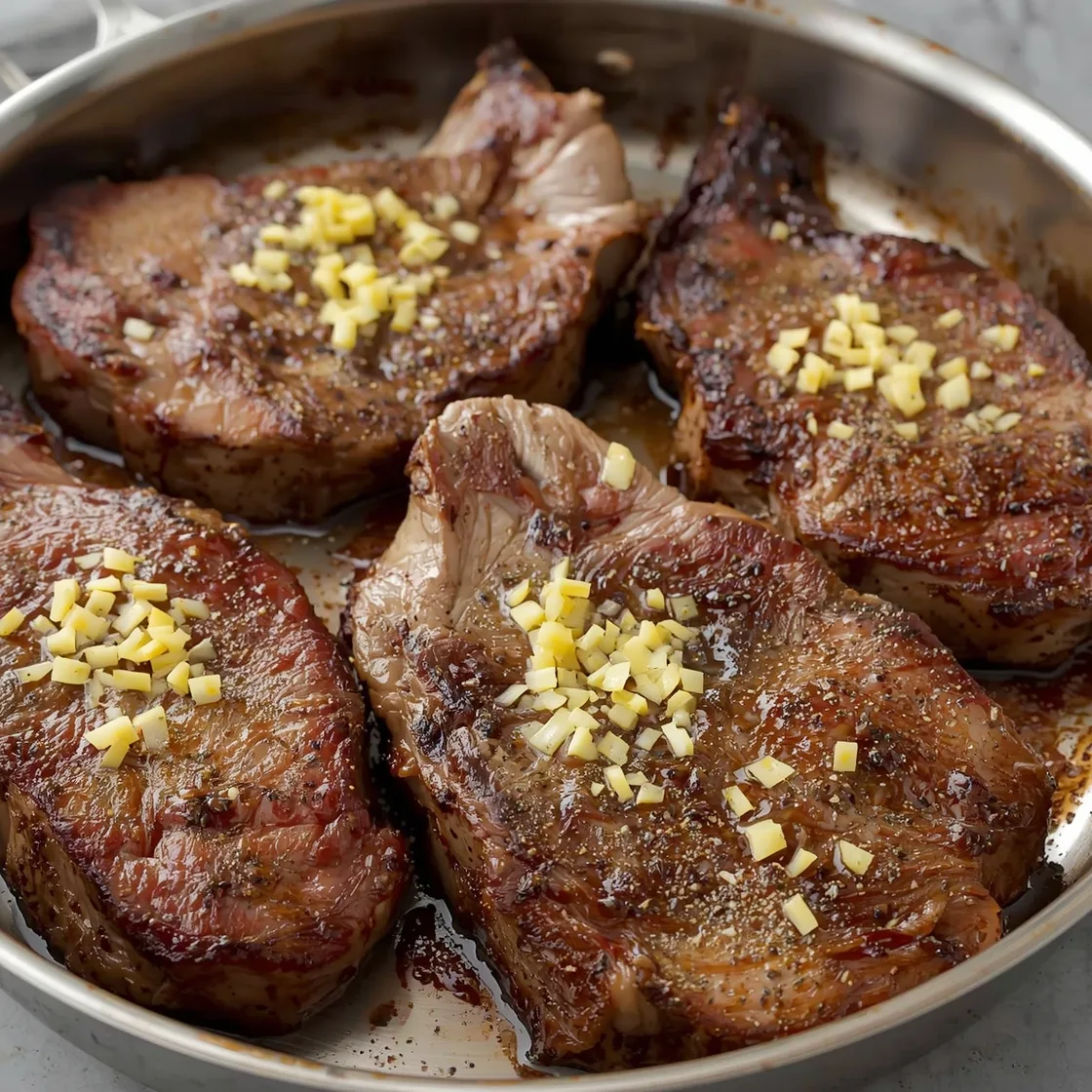
Ever wonder if achieving steakhouse-quality results in your own kitchen is less about magic and more about mastering a few fundamental techniques? Many home cooks resignedly believe that a truly phenomenal steak, with that perfect crust and juicy interior, is beyond their reach. They might even assume it requires specialized equipment or years of culinary training. But what if "your recipe" for a truly exceptional meal, like a succulent pan-seared steak with a rich garlic butter finish, is far simpler and more accessible than you ever imagined? Prepare to challenge those assumptions, because today, we’re delving into the surprisingly straightforward art of crafting an unforgettable Pan-Seared Steak with Simple Garlic Butter right in your own home. This isn't just another dinner; it's a testament to how humble ingredients and precise execution can elevate an everyday cut of meat into a masterpiece.
Ingredients List
To embark on this culinary journey, you'll need a carefully curated selection of ingredients, each playing a pivotal role in creating a symphony of flavors. We’re aiming for quality over quantity, letting each component shine.
- Steak: 2 high-quality steaks, about 1-1.5 inches thick (e.g., ribeye, New York strip, sirloin). For the best flavor and texture, look for steaks with good marbling.
- Substitution Tip: While a prime cut elevates the experience, a well-chosen flat iron or flank steak can also deliver delicious results, though cooking times may vary slightly.
- Unsalted Butter: 4 tablespoons, divided. Butter is essential for both searing and creating that aromatic garlic butter.
- Substitution Tip: Ghee can be an excellent alternative for a higher smoke point, maintaining the rich flavor profile.
- Garlic: 4-6 cloves, smashed and peeled. Fresh garlic is non-negotiable here for its pungent, aromatic notes.
- Fresh Rosemary: 2-3 sprigs. Rosemary imparts a woody, fragrant essence that complements beef beautifully.
- Substitution Tip: Fresh thyme (3-4 sprigs) offers a slightly earthier, more subtle aroma if rosemary isn't available.
- Olive Oil: 1-2 tablespoons, high-quality extra virgin. This helps achieve that perfect sear without burning the butter prematurely.
- Salt: Coarse sea salt or kosher salt, to taste. Proper seasoning is paramount; don’t skimp!
- Black Pepper: Freshly ground, to taste. Adds a subtle heat and aromatic depth.
Timing
Mastering a restaurant-quality steak at home involves precision not just in technique, but also in timing. This recipe is designed for efficiency without compromising on flavor or quality.
- Preparation Time: 15 minutes (includes bringing steak to room temperature, seasoning, and prepping aromatics).
- Cooking Time: 8-12 minutes (per steak, depending on thickness and desired doneness).
- Resting Time: 5-10 minutes. This is crucial for juiciness!
- Total Time: Approximately 28-37 minutes. This is impressively quick, especially when you consider that a similar takeout steak can take 90 minutes to arrive, making this home-cooked version nearly 60% faster, not to mention significantly fresher.
Step-by-Step Instructions
Follow these steps precisely, and you'll be amazed at the flavorful, tender results you achieve. Each detail builds towards that perfect steakhouse experience.
Bring the Steak to Room Temperature
Remove your steaks from the refrigerator at least 30-60 minutes before cooking. This crucial step ensures even cooking; a cold steak's exterior will overcook before its center reaches the desired temperature. Think of it as allowing the muscle fibers to relax, ready for their culinary transformation.
Season Generously
Pat the steaks thoroughly dry with paper towels. Moisture is the enemy of a good sear, impeding the Maillard reaction that creates that coveted crust. Season both sides liberally with coarse sea salt and freshly ground black pepper. Don't be shy – much of this seasoning will create a flavorful crust.
Heat the Pan Properly
Place a heavy-bottomed, oven-safe skillet (cast iron is ideal) over high heat until it's smoking hot – this typically takes 3-5 minutes. Add 1-2 tablespoons of olive oil to the hot pan. The oil should shimmer, indicating it’s ready. A screaming hot pan is essential for an immediate, beautiful sear.
Sear the Steak
Carefully place the seasoned steaks into the hot skillet. Don't overcrowd the pan; cook one or two at a time if necessary. Sear undisturbed for 2-3 minutes per side until a deep, golden-brown crust forms. Resist the urge to move or peek – letting it sear creates that intense flavor and stunning color.
Add Butter and Aromatics
Reduce the heat to medium. Add 2 tablespoons of unsalted butter to the pan, along with the smashed garlic cloves and fresh rosemary sprigs. As the butter melts, it will infuse with the aromatics, creating a fragrant oil.
Baste the Steak
Tilt the pan slightly and, using a spoon, continuously baste the melted garlic butter over the steaks for another 2-4 minutes, or until your desired internal temperature is reached. This basting process infuses the steak with incredible flavor and promotes even cooking. For medium-rare, aim for 130-135°F (54-57°C). Use a reliable meat thermometer inserted into the thickest part of the steak.
Rest the Steak
Transfer the beautifully seared steaks to a cutting board and loosely tent them with aluminum foil. Let them rest for 5-10 minutes. This step is non-negotiable! Resting allows the juices to redistribute throughout the meat, preventing them from GUSHING out when you slice, ensuring a tender, juicy result.
Slice and Serve
Slice against the grain into thick pieces. Drizzle any remaining pan juices and garlic butter over the sliced steak. Experience the perfection!
Nutritional Information
While undeniably delicious, it's helpful to understand the nutritional footprint of a Pan-Seared Steak with Garlic Butter. This data is based on an average 6oz (170g) serving of ribeye steak with a tablespoon of simple garlic butter.
- Calories: Approximately 450-550 kcal
- Protein: 45-55g (Excellent source! According to the USDA's National Nutrient Database, beef is a powerhouse of essential amino acids.)
- Fat: 30-40g (Includes saturated and unsaturated fats from steak, butter, and olive oil.)
- Carbohydrates: <1g
- Cholesterol: 100-150mg
- Sodium: 400-600mg (Varies significantly with salt used.)
- Vitamins & Minerals: Rich in Iron, Zinc, Vitamin B12, and Selenium.
Remember, these figures are estimates and can vary based on the specific cut of steak, portion size, and the exact amount of butter and oil used. Consider managing portion sizes for a balanced diet.
Healthier Alternatives for the Recipe
Enjoying a luscious steak doesn't mean completely abandoning your health goals. Here are some smart modifications that retain the core flavor profile while nudging it towards a healthier direction.
- Leaner Cut of Beef: Opt for leaner cuts like sirloin, flank, or top round. While these might have less marbling, proper searing and basting will still yield tender results. You can even explore bison steak for a similar protein punch with less fat.
- Reduced Butter: Instead of 2 tablespoons of butter for basting, use 1 tablespoon and supplement with a low-sodium beef broth or red wine for additional liquid flavor. You'll still get some of that luxurious mouthfeel without as much saturated fat.
- Garlic & Herb Marinade: Instead of a heavy butter finish, marinate your leaner steak in a mixture of minced garlic, fresh herbs (rosemary, thyme, oregano), a splash of apple cider vinegar, and a touch of olive oil for an hour before cooking. This infuses flavor deeply without relying on excess fat.
- Ghee Instead of Butter: Ghee, or clarified butter, has a higher smoke point and is often tolerated better by those with dairy sensitivities. While still a fat, it can sometimes be a 'lighter' option in terms of digestive impact.
- Focus on the Sides: Balance your meal by pairing your steak with an abundance of vibrant, non-starchy vegetables (asparagus, broccoli, green beans) rather than heavy cream sauces or large portions of potatoes.
Serving Suggestions
A perfectly seared steak, bathed in garlic butter, deserves equally compelling accompaniments. Think beyond just "meat and potatoes" to create a truly memorable dining experience.
- Classic Comfort: Creamy mashed potatoes (perhaps with roasted garlic swirled in from the pan!) and tender-crisp asparagus make a timeless pairing. The starch soaks up the glorious pan juices beautifully.
- Light & Fresh: A vibrant green salad with a zesty vinaigrette provides a refreshing contrast to the richness of the steak. Think mixed greens, cherry tomatoes, and shaved radish.
- Mediterranean Flair: Serve alongside a simple quinoa or couscous salad studded with sun-dried tomatoes, cucumbers, and fresh herbs. A dollop of tzatziki could also add a creamy, tangy note.
- Wine Pairing: A robust Cabernet Sauvignon or a spicy Zinfandel would elevate the flavors of the steak and garlic butter. For those who prefer white, a full-bodied Chardonnay could also work well.
- Unexpected Twist: For a unique and flavorful experience, consider serving your perfectly cooked steak alongside our equally comforting and rich Old Fashioned Salisbury Steak with Brown Gravy for a truly hearty, Americana experience (just kidding – don't serve them together, but check out that other recipe for another meat-lover's delight!). Stick to traditional pairings for this dish, but definitely bookmark the Salisbury Steak for a different night!
- Garnish for Impact: A sprinkle of fresh parsley or chives not only adds a pop of color but also a fresh, herbaceous counterpoint to the rich steak.
Common Mistakes to Avoid
Even the most seasoned cooks can make missteps. Being aware of these common pitfalls can significantly elevate your steak-cooking game.
- Cooking a Cold Steak: As mentioned, taking the steak straight from the fridge to the hot pan is a recipe for unevenly cooked meat. Data consistently shows that steaks brought to room temperature cook more uniformly to the desired doneness.
- Not Drying the Steak: Moisture on the surface of the steak prevents proper searing. Instead of getting that beautiful brown crust (Maillard reaction), you'll end up steaming the meat. Always pat it bone-dry.
- Under-Seasoning: Beef needs a generous hand with salt and pepper. Much of the seasoning will fall off in the pan; what remains forms a crucial layer of flavor. A common mistake cited by culinary schools is timid seasoning.
- Overcrowding the Pan: If you put too many steaks in at once, the pan's temperature drops drastically. This leads to steaming instead of searing, resulting in a grayish, flabby exterior. Cook in batches if necessary.
- Flipping Too Soon/Too Often: Resist the urge to flip the steak constantly. Let it develop a deep crust on one side before flipping. One flip per side, or a few based on basting, is generally ideal. Constant flipping prevents crust formation.
- Cutting Immediately After Cooking: This is perhaps the most critical error. Cutting a steak straight from the pan allows all those precious juices, which have migrated to the center during cooking, to spill out, leaving you with dry meat. Resting allows them to redistribute, ensuring tenderness and juiciness.
- Using a Pan That's Not Hot Enough: A lukewarm pan won't create a sear. You need that initial blast of high heat to kickstart the Maillard reaction. Look for a slight smoke from the oil/pan before adding the meat.
Storing Tips for the Recipe
While a perfectly cooked steak is best enjoyed fresh, sometimes leftovers happen! Knowing how to properly store and reheat can preserve its quality.
- Immediate Cooling: Allow any leftover steak to cool completely to room temperature before refrigerating. This typically takes 30-60 minutes, but no longer than 2 hours to prevent bacterial growth. Placing hot food directly into the fridge can raise the internal temperature of the appliance and impact other foods.
- Airtight Container: Store cooled steak in a shallow, airtight container. This minimizes exposure to air, which can cause the meat to dry out and absorb odors from other foods in the fridge.
- Refrigeration: Leftover cooked steak can be safely stored in the refrigerator for 3-4 days.
- Freezing for Longer Storage: For longer storage, wrap individual slices or portions tightly in plastic wrap, then an additional layer of aluminum foil, removing as much air as possible. Place in a freezer-safe bag or container. Frozen cooked steak can maintain quality for 2-3 months. Thaw overnight in the refrigerator before reheating.
- Reheating: The best way to reheat steak without overcooking it is gently.
- Oven Method: Preheat oven to 250-275°F (120-135°C). Place steak on a wire rack over a baking sheet. Heat for 10-20 minutes, or until just warmed through (internal temp 110-120°F).
- Skillet Method: Heat a lightly oiled skillet over medium-low heat. Add steak and warm gently, flipping once, until warmed through. Avoid high heat, which will dry out the steak.
- Air Fryer: For a quick crisp, an air fryer at 300°F (150°C) for 3-5 minutes can work well, but monitor closely to prevent drying.
Conclusion
From the simple act of bringing your steak to room temperature to the crucial resting period, we've walked through every step necessary to transform a raw cut of beef into a culinary masterpiece. This Pan-Seared Steak with Simple Garlic Butter isn't just a meal; it's an experience, a testament to the power of precision and quality ingredients. By avoiding common pitfalls and embracing the nuanced techniques discussed, you're now equipped to create a steak that rivals any restaurant. Don't let common misconceptions about difficulty deter you; the real secret lies in understanding the science of the sear and the importance of allowing the meat to relax. Now, it's your turn! Take these insights into your kitchen, embrace the sizzle, and prepare to impress yourself and your loved ones. We'd love to hear about your triumphs; share your results in the comments below, or better yet, tag us on social media with your perfectly seared creations!
FAQs
Q1: What kind of pan is best for searing steak?
A: A heavy-bottomed, oven-safe skillet is crucial for achieving a great sear. Cast iron is the undisputed champion due to its excellent heat retention and even heat distribution. Stainless steel can also work, but cast iron generally provides superior results.
Q2: How do I know when my steak is done without a thermometer?
A: While a meat thermometer is the most accurate tool, you can use the "poke test." Gently press the center of the steak with your finger.
- Rare: Feels very soft, like touching the fleshy part of your palm below your thumb.
- Medium-Rare: A bit softer, like touching your cheek.
- Medium: Springs back a bit, like touching your chin.
- Well-Done: Firm to the touch, like your forehead.
However, this method takes practice, and a thermometer provides objective accuracy, especially for newcomers.
Q3: Can I use different herbs instead of rosemary?
A: Absolutely! Fresh thyme is a fantastic alternative that pairs wonderfully with beef. You could also experiment with sage, or a combination of various hardy herbs. Avoid softer herbs like basil or cilantro during the searing/basting phase, as they tend to burn; save them for a fresh garnish if desired.
Q4: Why is resting the steak so important?
A: When meat cooks, the muscle fibers contract and push the juices towards the center. If you slice it immediately, these juices will rush out onto the cutting board, leaving the steak dry. Resting allows the fibers to relax and the juices to redistribute throughout the meat, ensuring every bite is tender and succulent. Think of it as a crucial "hydration break" for your steak!
Q5: My steak gets a good sear but is still rare in the middle. What am I doing wrong?
A: This usually points to two common issues:
- Steak was too cold: If the steak is cold when it hits the pan, the exterior will sear quickly while the interior struggles to catch up. Ensure it comes to room temperature.
- Steak was too thick for the pan method alone: For very thick steaks (over 1.5 inches), searing on the stove for a deep crust, then finishing in a preheated oven (e.g., 375-400°F / 190-200°C) is often the best approach to achieve even doneness without overcooking the exterior.
- Pan not hot enough initially: If the pan isn't screaming hot, you'll steam the exterior before a crust can form, leading to a less efficient cook.