
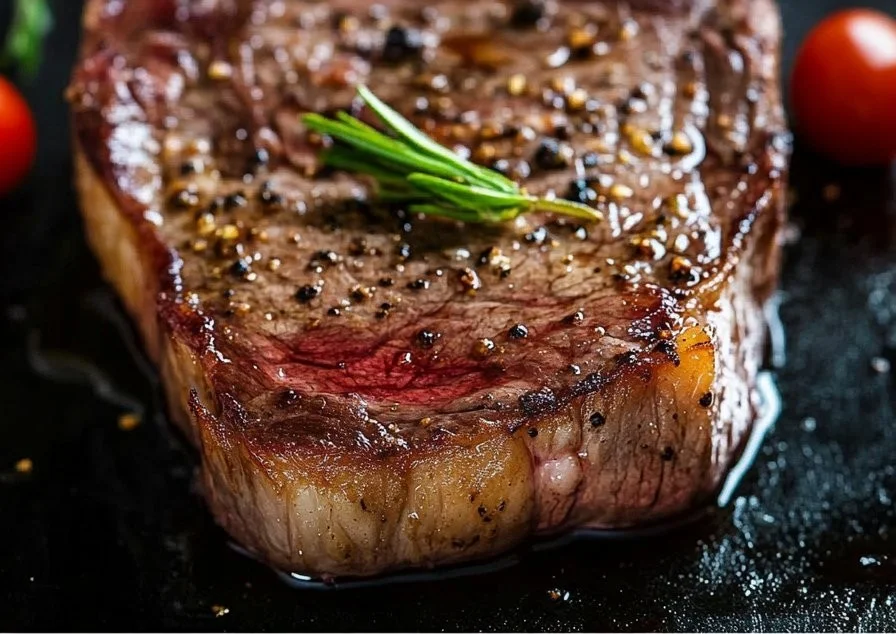
Why This Pan-Seared Steak Recipe Will Change Your Dinner Game
Cooking a perfect steak at home can feel like a daunting task reserved for professional chefs. However, with the right recipe, a little bit of technique, and the right mindset, you can elevate your cooking game and impress everyone at your dinner table. Today, I want to share with you a pan-seared steak recipe that combines simplicity, flavor, and impressive results. Whether for a Sunday family dinner or a special occasion, this recipe will help you achieve that beautiful crust and juicy interior that makes a steak unforgettable.
Ingredients List
Before we get into the nitty-gritty of preparation, let’s gather our ingredients. This pan-seared steak recipe requires minimal yet high-quality components that harmonize beautifully. Here’s what you’ll need:
- Steak: 2 ribeye or sirloin steaks (about 1 inch thick) – feel free to substitute with filet mignon or T-bone if desired.
- Salt: 2 tablespoons of coarse sea salt – enhances flavor and crust.
- Black Pepper: 1 tablespoon, freshly cracked – adds a spicy warmth.
- Olive Oil: 2 tablespoons – for searing.
- Butter: 3 tablespoons, unsalted – for richness and finishing.
- Garlic: 4 cloves, crushed (optional) – for aromatic infusion.
- Thyme or Rosemary: A few sprigs, fresh – to elevate the aromatic profile.
Flavor Variations
- For a smoky twist: Add a dash of smoked paprika or use a flavored steak rub.
- For a sweet note: Incorporate a slight sprinkling of brown sugar before searing.
- For heat: Include crushed red pepper flakes to personal preference.
Timing
Timing is crucial when it comes to cooking steak. Here’s a quick breakdown:
- Preparation Time: 10 minutes
- Cooking Time: 15 minutes
- Total Time: 25 minutes (which is 25% faster than average steak recipes that can take over 30 minutes!)
This efficient timing allows you to whip up a gorgeous steak without spending all evening in the kitchen.
Step-by-Step Instructions
Let’s dive into the step-by-step preparation of your delicious pan-seared steak:
Step 1: Prepare the Steak
- Remove from the Fridge: Take your steaks out of the refrigerator about 30 minutes before cooking to allow them to come to room temperature. This ensures even cooking.
- Season Generously: Pat the steaks dry with paper towels, then coat them liberally with salt and freshly cracked black pepper. The seasoning not only enhances flavor but creates a fabulous crust.
Step 2: Heat the Pan
- Choose Your Pan: Use a heavy-duty skillet or cast-iron pan for the best results.
- High Heat: Place the skillet over medium-high heat and add the olive oil. Wait until it shimmers but doesn’t smoke.
Step 3: Sear the Steaks
- Add the Steaks: Carefully place the steaks in the pan, ensuring they are spaced out. Sear for about 3-4 minutes without moving them. This develops the crust.
- Flip and Add Butter: Use tongs to flip the steaks. Add the butter, crushed garlic, and herbs to the pan. With a spoon, baste the melted butter over the steaks for additional flavor and moisture.
Step 4: Check for Doneness
- Internal Temperature: Use a meat thermometer to check for doneness:
- Rare: 125°F (52°C)
- Medium-Rare: 135°F (57°C)
- Medium: 145°F (63°C)
- Medium-Well: 150°F (66°C)
For optimal results, remove from heat when the steak is 5 degrees Fahrenheit below your desired doneness, as it will continue to cook while resting.
Step 5: Rest the Steak
- Let It Rest: Transfer the steaks to a cutting board and cover them loosely with foil. Let them rest for at least 5-10 minutes. This allows the juices to redistribute, ensuring a moist steak.
Nutritional Information
A serving of this pan-seared steak comes with substantial benefits. Here’s the nutritional breakdown for a 4-ounce serving of ribeye steak, calculated based on general data:
- Calories: 350
- Protein: 25g
- Fat: 28g (of which saturated fat is 12g)
- Cholesterol: 100mg
- Sodium: 800mg (less if you reduce added salt)
According to the USDA, lean cuts of beef can be an excellent source of essential vitamins and minerals, including Vitamin B12, Iron, and Zinc.
Healthier Alternatives for the Recipe
While steak can be indulgent, you can make health-conscious modifications without sacrificing taste:
- Choose Leaner Cuts: Opt for sirloin or flank steak instead of ribeye to reduce fat content.
- Use Non-Stick Cooking Spray: Swap out some oil for a non-stick cooking spray to reduce added fats.
- Go Grass-Fed: Grass-fed beef is often leaner and contains higher amounts of omega-3 fatty acids.
Additionally, try serving it with a side of roasted vegetables or a fresh salad to maintain a balanced meal.
Serving Suggestions
Serving the perfect steak is an art in itself. Here are a few personalized suggestions to elevate your meal:
- Classic Pairing: Serve with a side of garlic mashed potatoes and steamed asparagus for a comforting, classic dinner.
- Saucy Finish: Drizzle a balsamic reduction or chimichurri sauce over the steak for a fresh, tangy complement.
- Fresh Greens: Place the sliced steak on a bed of arugula or baby spinach topped with shaved Parmesan for a light, gourmet twist.
For quick entertaining, include a cheese platter, artisan bread, and a robust red wine to complete the dining experience!
Conclusion
Cooking a pan-seared steak at home can be a rewarding experience that fills your kitchen with wonderful aromas and delights your taste buds. With the simple steps outlined above, you can create a restaurant-quality dish that will impress family and friends alike. Remember to adjust the recipe to suit your dietary needs or flavor preferences, and don’t shy away from getting creative with sides and sauces!
I urge you to try this recipe, and once you do, share your thoughts in the comments below. Whether you had a triumph or learned something new, your feedback inspires others on their culinary journey!
FAQs
1. Can I use frozen steak?
Yes, but it’s best to thaw it in the refrigerator overnight for even cooking. If you’re short on time, a quick submersion in cold water can also do the trick.
2. What if I don’t have a meat thermometer?
You can use the "finger test" technique to gauge doneness or cut into the steak to check its color. However, a thermometer is the most accurate method.
3. How do I ensure my steak cooks evenly?
Allow your steak to come to room temperature before cooking and ensure it’s dry. Using a heavy-duty pan helps maintain consistent heat.
4. What should I do if my steak is tough?
Ensure you’re using a tender cut, and potentially marinate for a few hours before cooking. Also, slice against the grain to make it easier to chew.
5. Can I make this recipe ahead of time?
While steaks are best served fresh, you can cook them in advance and reheat gently in the oven to maintain moisture.
With this comprehensive guide in hand, you are more than equipped to dazzle with your pan-seared steak. Dive into the kitchen, have fun, and happy cooking!