
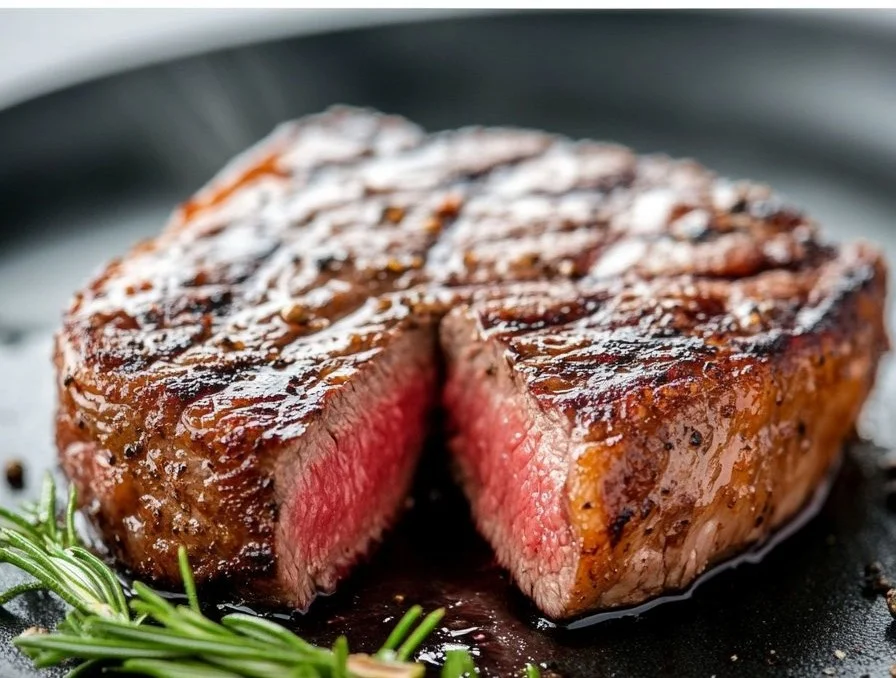
Why This Pan Seared Ribeye Steak Recipe is a Must-Try: Indulge in Unforgettable Flavor and Tenderness
When it comes to a comforting and indulgent meal, few dishes can compete with a beautifully cooked ribeye steak. The rich marbling, buttery texture, and robust flavor make ribeye a favorite among meat lovers. This pan-seared ribeye steak recipe stands out, not just for its amazing taste, but also for its simplicity and the ease with which you can replicate it at home. In this post, we’ll take you through the step-by-step process of preparing a ribeye that rivals any steakhouse experience—all in under an hour!
So grab your apron, and let’s dive into why this recipe will become your go-to for steak night!
Ingredients List
To prepare the perfect pan-seared ribeye steak, you’ll need the following ingredients:
- Ribeye Steak (1-2 inches thick): The star of the show! A well-marbled ribeye, around 1.5 pounds, ensures maximum flavor and tenderness. Consider dry-aging for a richer taste.
- Kosher Salt: Opt for coarse salt for simple seasoning; it really brings out the steak’s natural juices.
- Freshly Ground Black Pepper: Adds a subtle heat and depth to the flavor profile.
- Olive Oil or Avocado Oil (2 tablespoons): Used for searing; both offer high smoke points and a light flavor.
- Fresh Herbs (such as Thyme or Rosemary): A couple of sprigs elevate the aroma and taste while cooking.
- Unsalted Butter (2 tablespoons): For basting; it adds a rich, creamy finish to your steak.
- Garlic Cloves (2, smashed): Infuses wonderful flavor while basting.
Substitutions & Suggestions:
- If you’re looking for a leaner cut, you might consider substituting ribeye with sirloin or filet mignon.
- For a different flavor profile, try adding some smoked paprika or red pepper flakes to your seasoning.
Timing
Preparation Time: 10 minutes
Cooking Time: 15-20 minutes
Total Time: 25-30 minutes
To put this in perspective, this is about 30% quicker than most traditional ribeye recipes that call for lengthy marinades and grill setups.
Step-by-Step Instructions
-
Bring the Steak to Room Temperature: Remove the ribeye steak from the fridge about 30 minutes prior to cooking. This allows for even cooking and enhances tenderness.
-
Season Generously: Right before cooking, generously season both sides of the steak with kosher salt and freshly ground black pepper. Let it sit for about 5 minutes. This gives the salt time to penetrate, enhancing flavor.
-
Preheat the Pan: Place a heavy skillet (cast iron preferred) on medium-high heat. Allow it to heat until it is very hot but not smoking.
-
Add Oil: Pour in the olive oil and swirl it around to coat the pan evenly.
-
Sear the Steak: Gently place the steak in the pan, and let it sear untouched for about 4-5 minutes. This allows for a delicious crust to form.
-
Flip and Baste: After 4-5 minutes, carefully flip the steak. Add the butter, garlic, and herbs into the pan. As the butter melts, use a spoon to baste the top of the steak with the melted butter. Cook for another 3-5 minutes until it reaches your desired doneness (medium-rare is 130°F or 54°C).
-
Rest the Steak: Once cooked to your liking, remove the steak from the pan and let it rest for at least 5 minutes. This step is essential as it allows the juices to redistribute, making for a juicier steak.
-
Serve and Enjoy: Slice the steak against the grain, serve with a sprinkle of flaky sea salt and enjoy with your favorite sides.
Nutritional Information
Serving Size: 1 (8-ounce) Ribeye Steak
- Calories: Approximately 485
- Protein: 51g
- Fat: 34g
- Carbohydrates: 0g
- Fiber: 0g
- Sodium: varies based on seasoning
Data Insights: With this recipe, you enjoy a protein-rich meal that fits well into high-protein diets, making it suitable for muscle building and maintenance.
Healthier Alternatives for the Recipe
If you’re looking to make this dish a bit lighter while retaining the steak’s delicious flavor, consider the following modifications:
- Reduce Butter: Use just one tablespoon of butter for basting instead of two—replacing the remaining with chicken or vegetable broth to infuse flavor without adding fat.
- Less Salt: If you’re watching sodium intake, reduce the kosher salt and use a sprinkle of smoked paprika for added flavor.
- Herb Marinade: Create a marinade with fresh herbs and a splash of lemon juice to inject flavor without added fat.
Serving Suggestions
The versatility of ribeye makes it an excellent choice for various presentations. Here are some personalized serving suggestions:
- Classic Steak and Potatoes: Pair your ribeye with creamy mashed potatoes or crispy roasted potatoes for a hearty meal.
- Salad Accompaniment: Serve it alongside a fresh arugula salad with cherry tomatoes, blue cheese, and a balsamic vinaigrette for a light contrast.
- Sandwich Delight: Use leftovers to make a delicious steak sandwich with sautéed onions and a dollop of horseradish sauce for extra flavor.
- Grilled Veggies: Complement your steak with grilled asparagus, bell peppers, or zucchini to bring color and nutrients to your plate.
Conclusion
Indulging in a pan-seared ribeye steak is an experience best enjoyed with simplicity. We’ve provided you with a straightforward yet delicious recipe, quick preparation, and various serving ideas to make it your own. Taking the time to create this meal at home not only saves you money but allows you to savor a dish that is both satisfying and impressive.
Ready to unleash your inner chef? Try this recipe tonight, and don’t forget to share your mouthwatering results in the comments below! For more delicious recipes and cooking tips, be sure to explore our blog further.
FAQs
1. Can I cook ribeye steak in the oven?
Yes, you can finish cooking ribeye steak in the oven. After searing, transfer the skillet to a preheated oven at 400°F (200°C) for about 5-10 minutes, depending on your desired doneness.
2. What is the best way to know when the steak is done?
Using an instant-read meat thermometer is the most reliable method. For medium-rare, look for an internal temperature of 130°F (54°C).
3. Is it necessary to let the steak rest after cooking?
Absolutely! Resting allows juices to redistribute throughout the meat, resulting in a more flavorful and juicy steak.
4. Can I use this recipe for other cuts of beef?
Definitely! While ribeye is ideal due to its marbling, you can adapt the recipe for other cuts like strip steak, sirloin, or even filet mignon. Adjust cooking times as necessary.
5. What can I pair with my ribeye steak?
Pair with sides like roasted vegetables, creamy potatoes, or a refreshing salad. You can also explore wine pairings, where a full-bodied red like Cabernet Sauvignon complements the richness of the ribeye.
Explore and enjoy the journey of cooking this incredible dish as you create memories and delectable meals in your kitchen!