
Introduction
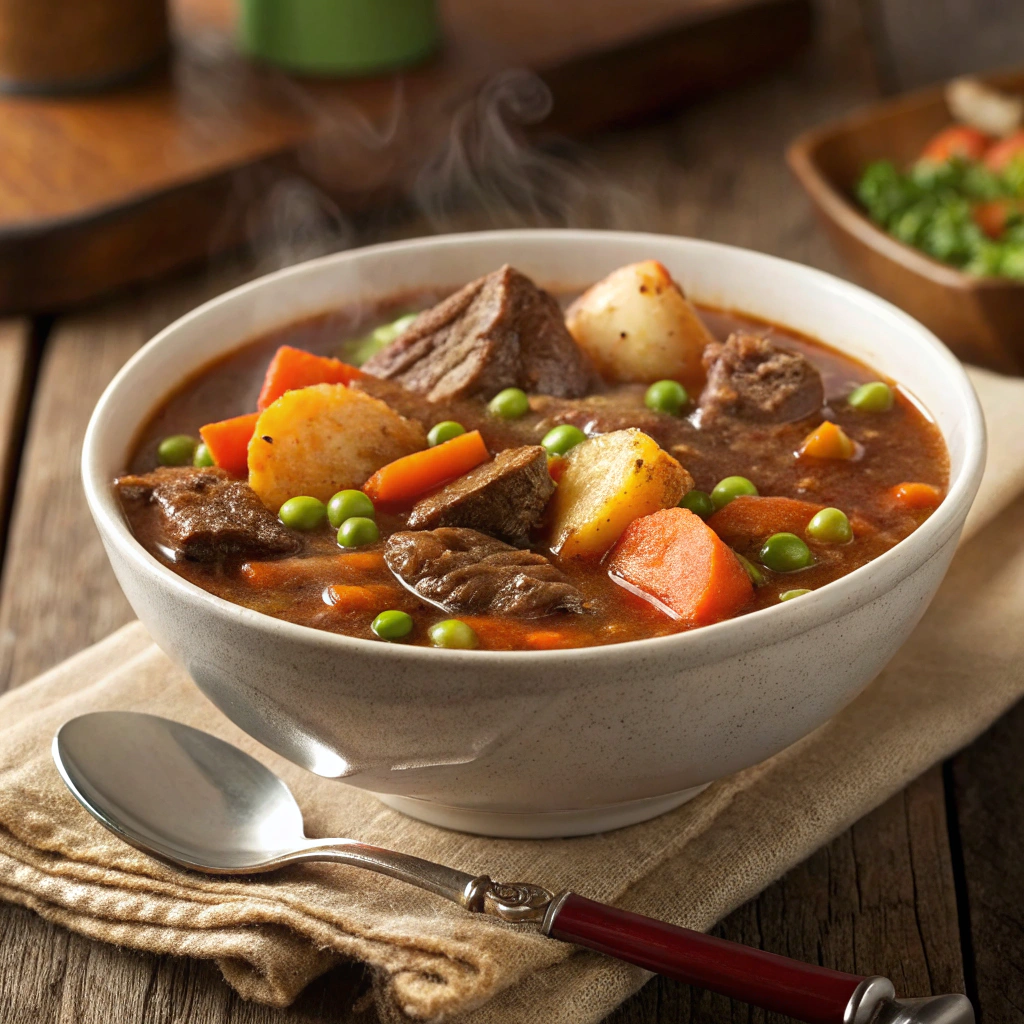
Is the most comforting soup really the one that simmers all day—or the one that layers flavor in smart, efficient steps? This Old Fashioned Vegetable Beef Soup proves that you don’t need a restaurant kitchen or an all-day simmer to make a deeply savory, homestyle bowl that tastes like childhood Sundays. In our Feast of Savory kitchen, we take the spirit of the classic—tender beef, rustic vegetables, and a savory broth—and build it with easy techniques so you get big flavor and reliable results every time. Expect a hearty, homemade, and delicious finish that’s weeknight-friendly, freezer-ready, and generously packed with veggies.
Ingredients List
Old-fashioned doesn’t mean fussy. Think everyday pantry staples, bright vegetables, and a few high-impact flavor boosters.
- Beef: 1.5 pounds beef chuck roast or stew meat, trimmed and cut into 1/2-inch cubes
- Swap ideas: Use 93% lean ground beef (brown and drain), or eye of round for an even leaner cut. For a budget stretch, combine 1 pound beef with 1 cup cooked barley.
- Oil: 2 tablespoons olive oil or avocado oil
- Aromatics: 1 large yellow onion (diced), 3 celery ribs (diced), 3 medium carrots (sliced)
- Garlic: 3 cloves (minced) for warmth and depth
- Tomato paste: 2 tablespoons, to caramelize for umami richness
- Tomatoes: 1 can (14.5 ounces) diced tomatoes with juice
- Broth: 8 cups low-sodium beef broth (plus up to 1 cup water if you prefer a lighter body)
- Seasoning base:
- 2 bay leaves
- 1 teaspoon dried thyme
- 1 teaspoon dried oregano
- 1/2 teaspoon smoked paprika (adds a subtle campfire note)
- 1 tablespoon Worcestershire sauce (umami accelerator)
- 1 teaspoon kosher salt (plus more to taste), 1/2 teaspoon black pepper
- Starchy veg: 2 cups Yukon Gold potatoes, 1/2-inch dice (skin on for nutrients)
- Swap ideas: Sweet potatoes for a lightly sweet finish; or cauliflower florets for a lower-carb take.
- Green veg: 1 cup green beans (1-inch pieces), 1 cup corn kernels, 1 cup peas
- Use frozen veggies directly from the freezer; no need to thaw.
- Finishing: 1 tablespoon red wine vinegar or apple cider vinegar (acidity lifts the broth), 1/4 cup chopped fresh parsley
- Optional depth boosts:
- 1/4 cup dry red wine for deglazing
- Pinch of sugar to gently balance acidity if your tomatoes are very tangy
Ingredient notes and sensory cues:
- Beef chuck becomes spoon-tender with a gentle simmer. When seared properly, it adds a browned, toasty aroma to every spoonful.
- Tomato paste should go from brick red to rusty brown as it caramelizes—this is where old-fashioned flavor is born.
- A splash of vinegar at the end brightens and “finishes” the soup so it never tastes flat.
Timing
– Prep time: 20 minutes (chopping vegetables, trimming beef)
– Cook time: 70 minutes (searing plus simmering in stages)
– Total time: About 90 minutes
Data context: Many traditional vegetable beef soup recipes average around 110–120 minutes on the stovetop. This streamlined version clocks in near 90 minutes—about 20% faster—while preserving that classic, layered flavor.
Step 1 — Brown the Beef for Deep Flavor
Pat the beef cubes very dry with paper towels. Season with 1 teaspoon salt and 1/2 teaspoon pepper. Heat 1 tablespoon oil in a heavy Dutch oven over medium-high until shimmering. Sear half the beef without crowding, 2–3 minutes per side, until well browned; remove to a plate. Add the remaining oil and repeat. Browning equals flavor: those caramelized bits (fond) are a flavor goldmine.
Tip: If the pan smokes heavily, reduce heat slightly. Moisture is the enemy of browning; keep those cubes dry.
Step 2 — Build the Aromatics
Lower heat to medium. Add onion, celery, and carrots with a pinch of salt. Cook 5–6 minutes, stirring, until softened and lightly golden at the edges. Add garlic and cook 30 seconds until fragrant. Push vegetables aside; add tomato paste and cook, pressing it into the pot for 1–2 minutes until it darkens. This concentrated tomato caramelization delivers a savory backbone to the broth.
Step 3 — Deglaze and Unlock the Fond
Splash in 1/4 cup red wine (optional) or a bit of broth. Scrape the bottom to dissolve browned bits. This step transforms the fond into flavor dissolved in your soup rather than stuck to the pot.
Pro tip: If skipping wine, a teaspoon of Worcestershire here also helps dissolve and enrich the base.
Step 4 — Build the Broth and Simmer the Beef
Return the seared beef and any accumulated juices to the pot. Stir in diced tomatoes, remaining broth, bay leaves, thyme, oregano, smoked paprika, and Worcestershire. Bring to a gentle simmer. Cover and cook 45 minutes, stirring once or twice, until beef is approaching tender. Keep the simmer gentle—vigorous boiling toughens beef and clouds the broth.
Flavor note: At 30 minutes, taste and adjust salt; seasoning in layers prevents an under-seasoned finish.
Step 5 — Add Sturdy Vegetables
Stir in potatoes and simmer uncovered 12–15 minutes. Potatoes release a bit of starch, naturally enriching the broth. If you prefer a brothier soup, add up to 1 cup water here.
Texture tip: Dice potatoes uniformly for even doneness.
Step 6 — Add Tender Vegetables
Add green beans and simmer 8 minutes. Then stir in corn and peas and cook 3–5 minutes more. This sequencing keeps veggies bright and tender-crisp instead of mushy.
Pantry tip: If using all frozen vegetables, add green beans first, then add corn and peas in the last few minutes.
Step 7 — Finish and Balance
Remove bay leaves. Stir in vinegar and parsley. Taste and adjust: salt, pepper, a pinch of sugar if the tomatoes are very acidic, or another splash of vinegar if you want more brightness. For a thicker soup, mash a few potato pieces against the pot wall and stir back in.
Chef’s trick: A 1/2 teaspoon of soy sauce (or tamari) can add stealth umami instead of more salt.
Step 8 — Rest and Serve
Turn off the heat and let the soup rest 5–10 minutes. This short pause allows flavors to marry and the beef to relax. Ladle into warm bowls. Serve with crusty bread or a simple side salad.
Nutritional Information
Approximate per 1.5-cup serving (8 servings total):
– Calories: ~310
– Protein: ~24 g
– Carbohydrates: ~30 g
– Dietary fiber: ~5 g
– Total fat: ~10 g (Saturated fat ~3 g)
– Sodium: ~700–800 mg (varies by broth brand)
– Potassium: ~1,000 mg
– Vitamin A: ~100% DV (carrots + parsley)
– Vitamin C: ~30–40% DV
– Iron: ~15–18% DV
Data insights:
- Protein density: ~7.7 g protein per 100 calories—a solid macro profile for a comfort soup.
- Fiber-forward: 5 g per bowl supports fullness and digestive health.
- Sodium-smart: Using low-sodium broth typically reduces sodium by 30–40% versus standard broth.
Note: Nutrition will vary with brands, substitutions, and exact portion size.
Healthier Alternatives for the Recipe
– Leaner protein: Use 93% lean ground beef (brown and drain), or cube eye of round. You’ll cut saturated fat while keeping that beefy flavor.
– Lower carb: Swap potatoes for cauliflower or rutabaga. You’ll trim carbs by about 10–12 g per serving.
– Whole-grain boost: Add 1/2 cup pearl barley or 3/4 cup cooked brown rice near the end for added fiber and a pleasantly chewy texture.
– Extra veggies: Stir in shredded cabbage or chopped kale during the last 10 minutes for more micronutrients and volume with minimal calories.
– Gluten-free: This soup is naturally gluten-free if you choose a GF-certified Worcestershire and broth. Always check labels.
– Mediterranean-leaning: Finish with extra-virgin olive oil, lemon zest, and fresh dill instead of parsley.
– Balanced meal planning: Pair this soup with a veggie-forward main like our healthy beef and broccoli with brown rice and you’ll have a week’s worth of high-fiber, high-protein meals.
Serving Suggestions
– Rustic bread board: Serve with warm sourdough or whole-grain rolls for dunking. Brush slices with olive oil and a sprinkle of garlic powder, then toast until golden.
– Herb swirl: Stir in a spoonful of pesto or chimichurri at the table to add a fresh, green note.
– Dairy finish: A dollop of Greek yogurt or a sprinkle of Parmesan adds creaminess without heavy cream.
– Spice it your way: Offer crushed red pepper, cracked black pepper, or a dash of hot sauce for those who like a gentle kick.
– Make it a soup-and-salad night: Pair with a simple lemony arugula salad or chopped romaine with cucumbers and red onion for crunch.
Budget note: With pantry vegetables and a value cut of beef, this soup often comes in under $2.50 per generous bowl in many regions.
Common Mistakes to Avoid
– Skipping the sear: Browning the beef is step one for a deep, old-fashioned flavor. If it looks pale in the pot, your soup will taste flat.
– Overcrowding the pan: Sear in batches. Crowding steams the beef instead of browning it.
– Boiling hard: A roaring boil toughens beef and makes the broth cloudy. Keep it to a gentle simmer.
– Adding tender veggies too early: Green beans, corn, and peas should go in last so they stay vibrant and keep their bite.
– Under-seasoning: Season in layers—after searing, mid-simmer, and at the end—to avoid a bland finish.
– Skipping acidity: Vinegar or lemon brightens the broth and balances tomato sweetness; without it, flavors can seem dull.
– Rushing resting time: A brief rest helps textures settle and flavors meld.
– Not tasting your broth: Broth quality varies widely. Low-sodium gives you control; always taste and adjust salt, acidity, and herbs.
Storing Tips for the Recipe
– Cool quickly: Transfer the soup to shallow containers and cool to room temp within 2 hours. Rapid cooling preserves texture and food safety.
– Refrigerate: Store up to 4 days. The flavor often improves by day two as ingredients marry.
– Freeze: Portion into freezer-safe containers or zip bags (leave headspace) and freeze up to 3 months. Label with date and portion size.
– Reheat: Thaw overnight in the fridge when possible. Reheat gently on the stovetop over medium-low, adding a splash of broth or water if needed. Avoid vigorous boiling to keep the beef tender.
– Meal-prep tip: Freeze in single-serve portions for grab-and-go lunches. Add a handful of fresh greens when reheating for a just-cooked pop.
Conclusion
Old Fashioned Vegetable Beef Soup is proof that timeless recipes thrive on simple technique: brown your beef, layer your aromatics, pace your veggies, and finish with brightness. The result is a deeply savory, hearty, homemade bowl that’s as nourishing as it is nostalgic. Try it tonight, then tell us how you personalized it—did you go low-carb, add barley, or sneak in kale? Share your spin and what your family loved most. Craving more comfort with balance? Explore our other wholesome, weeknight-friendly recipes next.
FAQs
– Can I make this in a slow cooker?
Yes. Sear the beef and sauté aromatics and tomato paste on the stovetop first (for best flavor). Transfer to a slow cooker with broth, tomatoes, herbs, and spices. Cook on Low 7–8 hours or High 4–5 hours. Add potatoes for the last 2 hours and green beans/corn/peas for the last 30–45 minutes.
-
Instant Pot directions?
Use Sauté to brown beef in batches and cook aromatics with tomato paste. Add broth, tomatoes, herbs, and potatoes. Pressure cook on High for 20–25 minutes; natural release 10 minutes. Stir in green beans, corn, and peas on Sauté for 5–8 minutes to finish. Adjust seasoning and add vinegar and parsley to serve. -
Can I use only frozen vegetables?
Absolutely. Add sturdier vegetables first (like green beans), then finish with quicker-cooking veggies (corn, peas) in the last few minutes to maintain color and texture. -
How do I thicken the soup without flour?
Mash some potatoes against the pot and stir back in, or simmer uncovered for a few extra minutes. You can also use a small cornstarch slurry (1 tablespoon cornstarch + 1 tablespoon cold water), adding gradually until it reaches your desired body. -
What if my broth tastes bland?
Add salt incrementally, a splash of vinegar or lemon for brightness, and consider an umami boost like Worcestershire or a 1/2 teaspoon soy sauce. If it’s still flat, simmer 10 more minutes uncovered to concentrate flavor. -
Can I make this gluten-free and dairy-free?
Yes. Use gluten-free Worcestershire and certified GF broth. The base is dairy-free—just avoid cheese garnishes or swap with a dairy-free alternative. -
Can I use bone broth?
Yes; it adds body and protein. Use low-sodium bone broth to avoid oversalting. You may need a bit more acidity (vinegar or lemon) to balance the richer base. -
Ground beef versus chunks?
Both work. Ground beef is faster: brown thoroughly and drain, then proceed. Beef chunks give that classic, tender bite and a richer mouthfeel after simmering. -
What’s a good herb swap if I don’t have thyme or oregano?
Italian seasoning works well; start with 1.5 teaspoons. Fresh rosemary (use sparingly) also complements beef beautifully. -
Where can I compare this to another classic style?
For a different take on a classic vegetable-beef profile, you can explore this vegetable beef soup to see how techniques and vegetable timing can vary while still delivering that cozy, old-fashioned result. -
How can I stretch this for a crowd?
Add an extra cup or two of broth, another potato, and a handful of barley or brown rice. Taste and re-season at the end. Bread on the side turns it into a satisfying, economical meal for many. -
Can I prep ingredients ahead?
Yes. Dice aromatics and potatoes up to 24 hours ahead; store potatoes submerged in cold water in the fridge to prevent browning. Trim and cube beef the day before and refrigerate tightly covered.
Make it yours: Whether you prefer a lighter broth or a heartier, stew-like finish, this Old Fashioned Vegetable Beef Soup is endlessly adaptable. Use what you have, season as you go, and trust your taste buds—the old-fashioned way.