
Introduction
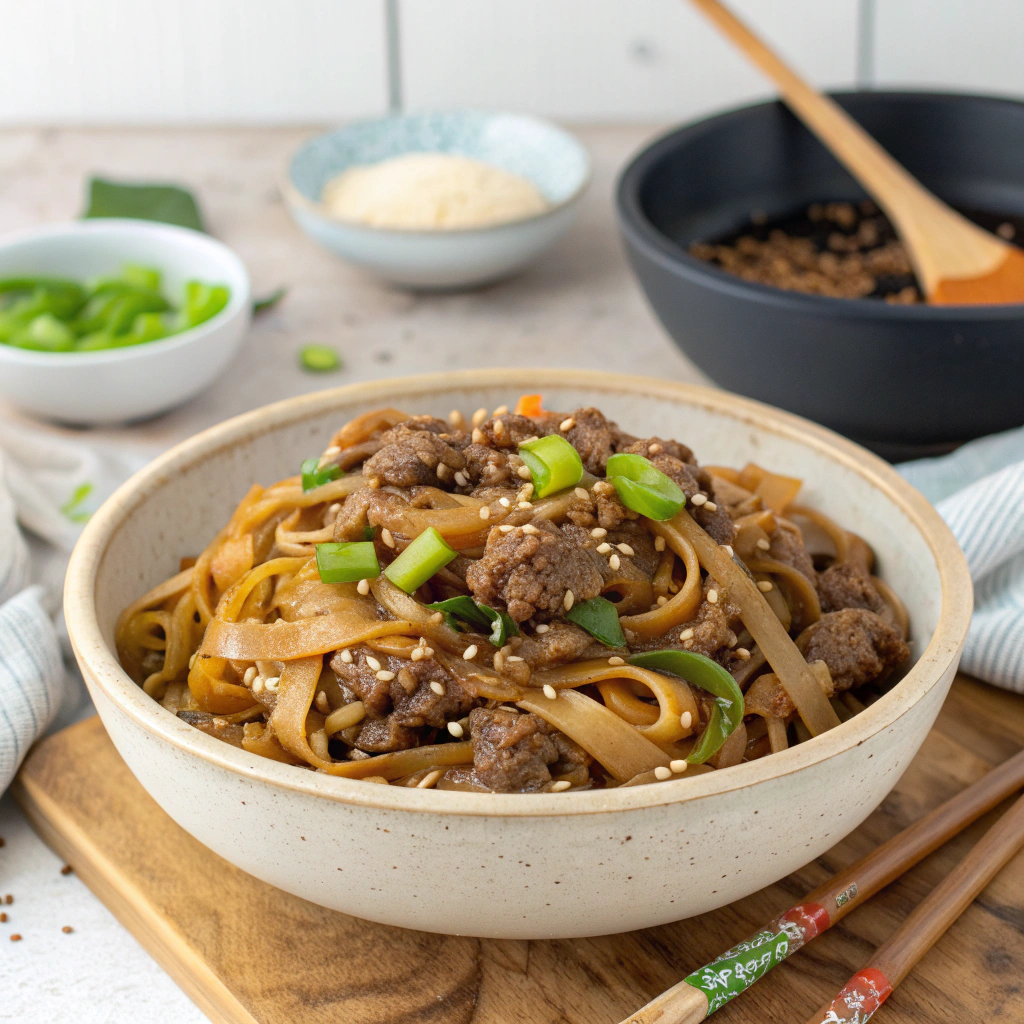
What if your go-to takeout flavor could be ready faster than delivery, in one skillet, and with pantry staples you already have? That’s the promise of Mongolian Ground Beef Noodles (30-Minute Dinner), a glossy, garlicky, sweet-savory weeknight meal that hits every craving without the wait. In our Feast of Savory test kitchen, I lean on this Asian-inspired skillet dinner when the clock’s ticking and everyone’s hungry. It’s deeply caramelized, noodle-slurpy, and flexible enough to fit your family’s preferences—light heat or spicy, veggies packed-in or minimalist. Below, you’ll find a data-backed, step-by-step game plan that gets dinner on the table in 30 minutes flat—no shortcuts in flavor, only in time.
Ingredients List
Here’s everything you need for a fast, high-flavor skillet meal with tender noodles and savory Mongolian sauce. Sensory note: think garlicky steam, a whisper of ginger heat, and that glossy, umami-clinging sauce.
- Noodles (12 ounces): Lo mein, thick spaghetti, udon, or ramen bricks. Tip: Regular spaghetti holds up beautifully if Asian noodles aren’t available. For gluten-free, use rice noodles or GF spaghetti.
- Ground beef (1 pound, 85–90% lean): 93% lean works too—just add 1 teaspoon more oil. For lighter variations, see “Healthier Alternatives.”
- Neutral oil (1 tablespoon): Avocado, canola, or light olive oil for high-heat browning.
- Garlic (4 cloves, minced): The aromatic backbone.
- Fresh ginger (1 tablespoon, grated): Brings warmth and brightness.
- Green onions (4, sliced): Whites for the pan; greens for garnish and fresh bite.
- Shredded carrots (1 cup, optional): Slight sweetness and color.
- Broccoli florets or snap peas (1 cup, optional): For a crunchy, fresh counterpoint.
- Toasted sesame seeds (1 tablespoon, optional garnish): Nutty finish.
- Lime wedges (optional): A squeeze over the top brightens the sauce.
Mongolian sauce (mix together; see Step 2):
- Low-sodium soy sauce (1/2 cup): Classic savory base; tamari or coconut aminos work too.
- Beef broth or water (1/3 cup): Adds body and deglazing power.
- Brown sugar (3 tablespoons): Signature Mongolian sweetness; reduce to 2 tablespoons if you like it less sweet.
- Hoisin or oyster sauce (2 tablespoons): Adds depth and gentle molasses-like notes.
- Rice vinegar (1 tablespoon): Balances the sweetness.
- Cornstarch (1 tablespoon): Silky thickening for that takeout-style gloss.
- Toasted sesame oil (1 teaspoon): Finishing richness and aroma.
- Red pepper flakes (1/2 teaspoon) or sriracha (1 teaspoon): For controlled heat.
Substitution highlights:
- No hoisin? Add 1 teaspoon extra brown sugar and 1 teaspoon extra soy sauce plus a pinch of five-spice if you have it.
- No rice vinegar? Use apple cider vinegar plus a pinch of sugar.
- Want extra umami? Add 1 teaspoon fish sauce or 1 tablespoon finely minced mushrooms to the beef.
Timing
– Prep time: 10 minutes (chop aromatics, mix sauce)
– Cook time: 18–20 minutes (brown beef, boil noodles, finish sauce)
– Total time: 28–30 minutes
Why this is fast: Typical from-scratch noodle dinners average 40–45 minutes; this recipe trims roughly 30–35% by cooking the sauce right in the skillet while the noodles boil. One-pan finishing keeps dishes to a minimum, too.
Yield: 4 hearty servings (or 5 lighter bowls)
Step 1: Boil the noodles al dente
Bring a large pot of salted water to a boil. Cook noodles until just shy of tender (al dente), 1 minute less than package directions. Reserve 1/2 cup starchy cooking water, then drain. Tip: Al dente noodles stand up to tossing and won’t get mushy when coated in sauce.
Step 2: Whisk the Mongolian sauce
In a measuring cup or bowl, whisk soy sauce, broth, brown sugar, hoisin, rice vinegar, cornstarch, sesame oil, and red pepper flakes. Tip: Dissolve cornstarch fully to avoid lumps and ensure a sleek, glossy sauce.
Step 3: Sear the beef for maximum flavor
Heat a large skillet over medium-high and add oil. Add ground beef, break into big chunks, and let it sear undisturbed for 2 minutes to develop a rich crust (Maillard reaction kicks in around 300–350°F). Then crumble and cook until browned with some crispy bits, 5–6 minutes. If there’s more than 1 tablespoon fat, spoon off the excess.
Step 4: Build aromatics
Push beef to one side. Add garlic, ginger, and the whites of the green onions to the open side of the pan. Sauté 30–45 seconds until fragrant. Tip: Keep heat at medium to avoid scorching garlic, which turns bitter.
Step 5: Add quick-cook veggies (optional but recommended)
Stir in shredded carrots and broccoli/snap peas. Cook 2–3 minutes until bright and crisp-tender. If you want softer veggies, splash in 1–2 tablespoons water and cover for 1 minute to steam.
Step 6: Deglaze and thicken
Pour in the Mongolian sauce. Stir, scraping up browned bits from the skillet—that’s concentrated flavor. Simmer 1–2 minutes until the sauce thickens to a syrupy glaze.
Step 7: Toss in the noodles
Add drained noodles to the skillet. Tongs are your friend here—toss to coat every strand. If the sauce looks too thick, splash in reserved pasta water 1–2 tablespoons at a time until it’s glossy and clings.
Step 8: Taste and calibrate
Adjust to your preference:
– Sweeter? Add 1 teaspoon brown sugar.
– Saltier? Add 1–2 teaspoons soy sauce.
– Spicier? Stir in more red pepper flakes or sriracha.
Personalization tip: For kids, keep it mild and serve chili crisp or extra flakes at the table.
Step 9: Finish and garnish
Fold in half of the green onion greens. Plate, then shower with remaining green onion greens and sesame seeds. Add a quick squeeze of lime if you like a bright finish.
Step 10: Serve hot
Mongolian Ground Beef Noodles shine right off the stove: steamy, glossy, and savory-sweet.
Nutritional Information
Approximate per serving (4 servings), prepared as written with 85% lean beef and spaghetti:
– Calories: ~590
– Protein: ~30 g
– Carbohydrates: ~66 g
– Total fat: ~20 g
– Saturated fat: ~7 g
– Fiber: ~3–4 g
– Total sugar: ~12 g (from brown sugar and hoisin)
– Sodium: ~1,050–1,200 mg (use low-sodium soy and add by taste to reduce)
– Iron: ~3 mg
– Potassium: ~500 mg
Data insights:
- Swapping to 93% lean beef typically reduces total calories by ~40–60 per serving.
- Using whole-wheat noodles can add ~3–5 g fiber per serving.
- Switching to reduced-sodium soy (≈590 mg/tbsp) can cut 200–300 mg sodium per serving versus regular soy (≈900 mg/tbsp).
Healthier Alternatives for the Recipe
– Leaner protein: Use 93% lean ground beef or ground turkey/chicken. Add 1 teaspoon oil if the pan looks dry to keep browning robust.
– More veggies, same sauce: Double carrots and broccoli, or add bell peppers, mushrooms, baby spinach, or bok choy. You’ll stretch portions while keeping calories controlled.
– Whole-grain or alternative noodles: Whole-wheat spaghetti, brown rice noodles, or edamame spaghetti increase fiber and protein.
– Lower sodium: Choose low-sodium soy sauce or tamari; dilute with unsalted broth. Add umami via mushrooms or a splash of fish sauce so you don’t feel the need to oversalt.
– Less sugar: Reduce brown sugar to 1–2 tablespoons or use a monk fruit erythritol blend (start with 1 tablespoon and adjust).
– Gluten-free: Tamari + rice noodles + GF-certified hoisin. Always double-check labels.
– Dairy-free: Naturally dairy-free as written.
– Low FODMAP-friendly tweaks: Use garlic-infused oil and ginger; swap green onion whites for only the green tops; choose a FODMAP-friendly hoisin or omit.
– Corn-free thickener: Substitute arrowroot (1:1) for cornstarch; add at a gentle simmer and avoid overboiling for the silkiest finish.
– Vegetarian/vegan: Swap beef for crumbled firm tofu or plant-based ground; add 1 teaspoon soy + 1 teaspoon mushroom powder for umami depth.
Serving Suggestions
– Texture boosters: Top with crushed roasted peanuts or cashews, or a drizzle of chili crisp for heat and crunch.
– Fresh contrast: Serve alongside a quick cucumber-rice vinegar salad or lightly pickled carrots for a cooling bite.
– Greens on the side: Steamed broccoli or garlicky sautéed green beans balance the sweet-savory profile.
– Lunch boxes: This reheats well—pack with extra scallions and a lime wedge.
– Crowd-pleaser platter: Pile noodles onto a warmed platter, garnish generously, and let everyone twirl their own.
– Beverage pairings: Light lager, dry Riesling, or unsweetened iced green tea complement the sauce’s sweetness.
– Flavor toggles at the table: Soy sauce, chili oil, extra sesame seeds, and lime wedges give diners control.
For a different weeknight comfort classic with the same “family-pleasing, pantry-friendly” energy, try our Cheesy Hamburger Rice Casserole.
Common Mistakes to Avoid
– Overcooking noodles: Go al dente. Overcooked noodles soak up sauce and turn mushy.
– Skipping the undisturbed sear: Letting beef sear 2 minutes before stirring creates crispy, flavorful bits that make the sauce taste richer.
– Too much fat in the pan: If the beef renders a lot, spoon off excess so the sauce clings instead of feeling greasy.
– Adding garlic too early: It can burn and taste bitter. Sauté after browning the beef.
– Not mixing the cornstarch fully: Lumps = uneven thickening. Whisk the sauce until smooth before adding to the pan.
– Sauce too thick or too thin: Use reserved pasta water to loosen; simmer 30–60 seconds more to thicken.
– Overcrowding with vegetables: If you add a lot of veg, cook them briefly and don’t steam them to mush—crisp-tender is your friend.
– Salting noodles aggressively: Soy sauce adds plenty of salt. Lightly salt cooking water or not at all if you’re sodium-sensitive.
Storing Tips for the Recipe
– Refrigerate: Store in an airtight container up to 4 days. For best texture, keep noodles and sauce separate if meal prepping; combine just before reheating.
– Freeze: Up to 2 months. Freeze sauce + beef separately from cooked noodles for optimal texture. If freezing fully assembled, expect slightly softer noodles upon thawing.
– Reheat: Add a splash of water or broth to loosen and warm gently on the stove over medium heat or in the microwave in 45-second bursts, tossing between bursts.
– Prep-ahead shortcuts:
– Chop garlic, ginger, and green onions 1–2 days ahead; store separately.
– Whisk the sauce up to 3 days ahead; refrigerate and re-whisk before cooking.
– Par-cook noodles 1 minute shy, toss with a teaspoon oil, and refrigerate. Finish in the sauce for 1–2 minutes when ready to serve.
Conclusion
Mongolian Ground Beef Noodles (30-Minute Dinner) deliver the takeout flavor you love in a fast, one-skillet format. With tender noodles, caramelized beef, and a glossy, garlicky sauce, it’s the weeknight ace you can customize to fit any taste or diet. Ready to cook? Save this page, print the recipe, and tell me in the comments which noodles you used—lo mein, spaghetti, or rice noodles. Craving more speedy, family-approved comfort? Don’t miss our Cheesy Hamburger Rice Casserole next.
For a different perspective on this craveable combo, check out another take on Mongolian ground beef noodles to compare techniques and tweak your perfect bowl.
FAQs
– What noodles work best?
– Lo mein or thick spaghetti are sturdy and hold sauce well. Udon gives a chewier bite; rice noodles are great for gluten-free. Cook to al dente so they don’t get soggy.
-
Can I use ground turkey or chicken?
- Yes. Brown it well and add 1 teaspoon extra oil if needed. Consider a dash of fish sauce or extra hoisin for added richness since poultry is leaner.
-
How do I keep the dish from being too salty?
- Use low-sodium soy, lightly salt the noodle water (or not at all), and taste the sauce before adding to the skillet. Splash in water or broth to balance if needed.
-
I don’t have hoisin. What can I sub?
- Use 1 teaspoon extra brown sugar, 1 teaspoon extra soy sauce, and a pinch of five-spice or a spoon of oyster sauce if you have it.
-
Can I make it gluten-free?
- Yes. Use rice noodles or certified GF spaghetti, tamari instead of soy sauce, and a GF-labeled hoisin/oyster sauce.
-
How do I get that restaurant-style glossy sauce?
- Fully dissolve cornstarch in the sauce mixture, simmer briefly to activate, and use a bit of starchy noodle water to reach silky, clingy consistency.
-
Is it spicy?
- Mild by default. Add red pepper flakes or sriracha to taste, or keep it kid-friendly and pass a spicy condiment at the table.
-
Can I double the recipe?
- Absolutely. Brown beef in batches so you don’t crowd the pan. Toss noodles with sauce in a large Dutch oven or mixing bowl if your skillet is small.
-
What vegetables fit the flavor best?
- Carrots, broccoli, snap peas, bell peppers, mushrooms, baby bok choy, or spinach. Keep them crisp-tender for the best texture contrast.
-
Can I make it ahead?
- Yes. Store components separately: cooked beef + sauce and cooked noodles. Combine and heat with a splash of water or broth just before serving to restore silkiness.
-
What if I’m out of cornstarch?
- Use arrowroot (1:1) or a quick slurry of all-purpose flour (2 teaspoons flour whisked with 2 tablespoons water). Arrowroot yields the most similar shine.
-
How can I personalize flavors?
- For deeper umami, add 1 teaspoon fish sauce or 1 tablespoon minced mushrooms. For brighter balance, finish with lime juice. For nutty richness, sprinkle toasted sesame seeds or chopped peanuts on top.
Cook it your way tonight—sweet-leaning, extra-umami, veggie-packed, or minimalist—and enjoy that satisfying first slurp of glossy, Mongolian-style noodles in just 30 minutes.