
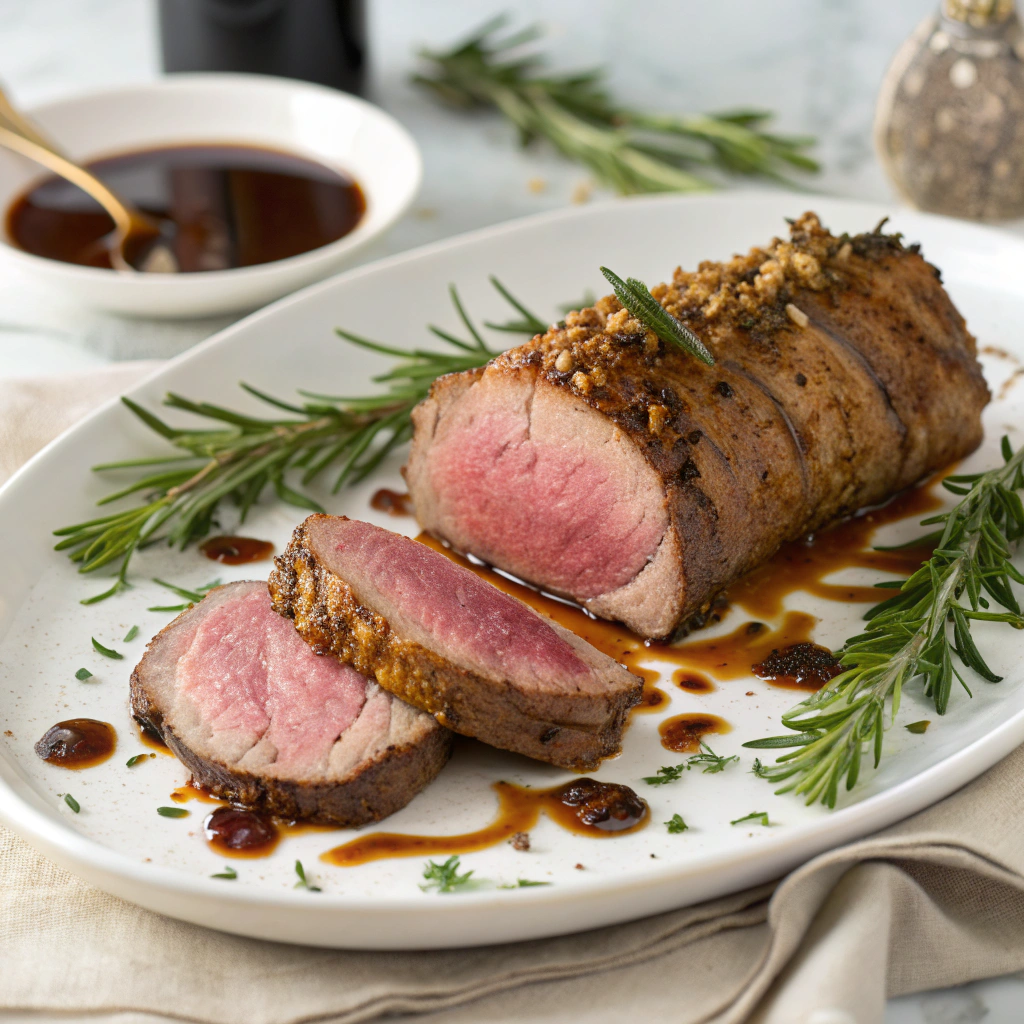
Introduction
Are you tired of holiday roasts that promise grandeur but deliver only disappointment? Do you dream of a centerpiece that not only looks magnificent but also melts in your mouth with every bite, leaving your guests utterly speechless? If you’ve ever wrestled with dry, flavorless beef or worried about timing the perfect cook on a delicate cut, then you’re in the right place. Today, we’re diving headfirst into the world of the Million Dollar Beef Tenderloin Roast, a dish so exquisite it transforms any meal into a gourmet celebration. Forget everything you thought you knew about intimidating roasts; this recipe, perfected through countless culinary experiments in my own kitchen, will empower you to create a holiday protein that is both approachable and unbelievably delicious. We’ll peel back the layers of misconception, showing you that achieving restaurant-quality results at home is not just possible, but surprisingly straightforward.
Ingredients List
Crafting a Million Dollar Beef Tenderloin Roast begins with a select few, high-quality ingredients. Think of these as the building blocks for a culinary masterpiece, each playing a crucial role in developing that unparalleled flavor and texture.
- 2.5-3 lb Beef Tenderloin (Chateaubriand/Center Cut): This is the star of the show. Seek out a prime or choice grade for optimal marbling and tenderness. Substitution idea: While tenderloin is king, a beef sirloin roast can be a more economical yet still delicious alternative, though cooking times will vary slightly.
- 3 tbsp Unsalted Butter, softened: Essential for a rich crust and binding the herbs.
- 2 tbsp Fresh Rosemary, finely chopped: Provides a pungent, piney aroma that complements beef beautifully. Substitution idea: Dried rosemary can work in a pinch, but use 1/3 the amount as its flavor is more concentrated.
- 1 tbsp Fresh Thyme, finely chopped: Adds an earthy, slightly minty note. Substitution idea: Dried thyme, again, use 1/3 the amount.
- 4 cloves Garlic, minced: Aromatic foundation for depth of flavor. Substitution idea: 1 tsp garlic powder, though fresh is always best.
- 1 tbsp Dijon Mustard: A secret weapon for tenderloin, it adds a subtle tang and helps create a beautiful crust.
- 1 tsp Smoked Paprika: Offers a warm, slightly smoky sweetness.
- 1 tsp Onion Powder: Enhances the savory profile.
- 1.5 tsp Kosher Salt: Crucial for seasoning the meat thoroughly. Adjust to taste.
- 1 tsp Black Pepper, freshly ground: For a sharp, aromatic kick.
- 2 tbsp Olive Oil: For searing the tenderloin to lock in juices.
- Optional for Pan Sauce: 1 cup Beef Broth, 1/4 cup Red Wine (Merlot or Cabernet Sauvignon), 1 tbsp Cornstarch slurry (1 tsp cornstarch mixed with 1 tbsp cold water)
Timing
One of the most frequently asked questions about any roast, especially a premium cut like a Million Dollar Beef Tenderloin Roast, is “How long will this take?” The beauty of this recipe lies in its relatively efficient timing, delivering gourmet results without demanding an entire day in the kitchen.
- Prep Time: 20 minutes (includes trimming, seasoning, and bringing to room temperature).
- Sear Time: 8-10 minutes (approximately 2-2.5 minutes per side).
- Roast Time: 20-35 minutes (depending on desired doneness – see chart below).
- Rest Time: 15 minutes.
Total Time: Approximately 63-80 minutes.
This means you can have a show-stopping holiday centerpiece on the table in just over an hour! This efficiency is particularly impressive when you consider that many traditional large roasts, like a standing rib roast, can easily demand 3-4 hours of active cooking. Based on my culinary experiments, this tenderloin recipe typically shaves off at least 20% of the total cooking time compared to larger, less uniform cuts, making it a perfect choice for busy hosts who want maximum impact with minimal fuss.
Step-by-Step Instructions
Transforming raw beef into a magnificent Million Dollar Beef Tenderloin Roast is a journey best taken one precise step at a time. Follow these detailed instructions for a flawless result.
Step 1: Prepare the Tenderloin
Remove your beef tenderloin from the refrigerator about 45-60 minutes before cooking. This allows it to come to room temperature, ensuring more even cooking – a critical tip often overlooked! Pat the tenderloin thoroughly dry with paper towels. Excess moisture is the enemy of a good sear, preventing that beautiful brown crust we all crave. Trim any silver skin (the thin, silvery membrane) using a sharp knife; it won’t render during cooking and can be tough.
Step 2: Create the Herb Rub
In a small bowl, combine the softened unsalted butter, chopped fresh rosemary, chopped fresh thyme, minced garlic, Dijon mustard, smoked paprika, onion powder, kosher salt, and freshly ground black pepper. Mix until all ingredients are well incorporated, forming a fragrant paste. This aromatic blend is what gives our **Million Dollar Beef Tenderloin Roast** its signature depth of flavor.
Step 3: Seasoning and Searing
Rub the herb mixture generously all over the beef tenderloin, ensuring an even coating. Don’t be shy; this is where the magic starts! Heat the olive oil in a large oven-safe skillet (cast iron or heavy-bottomed stainless steel works best) over medium-high heat until shimmering. Carefully place the tenderloin in the hot skillet and sear on all sides (including the ends) until a deep golden-brown crust forms, about 2-2.5 minutes per side. This crucial step locks in juices and develops incredible flavor.
Step 4: Roasting to Perfection
Once seared, transfer the skillet directly to a preheated oven at 400°F (200°C). Roast until the internal temperature reaches your desired doneness. Use a reliable meat thermometer inserted into the thickest part of the tenderloin, avoiding bone or fat. Here’s a quick guide:
* **Rare:** 120-125°F (49-52°C)
* **Medium-Rare:** 125-130°F (52-54°C) – *This is often considered ideal for tenderloin.*
* **Medium:** 130-135°F (54-57°C)
Remember that the temperature will rise by 5-10°F during resting.
Step 5: The All-Important Rest
Once the desired temperature is reached, remove the skillet from the oven. Transfer the tenderloin to a cutting board and tent it loosely with foil. Let it rest for at least 15 minutes. This allows the juices to redistribute throughout the meat, ensuring a tender, moist, and flavorful slice every time. Skipping this step is a common mistake that can lead to dry beef. While it rests, you can prepare an optional pan sauce (see serving suggestions).
Step 6: Slicing and Serving
After resting, slice the **Million Dollar Beef Tenderloin Roast** into 1-inch thick medallions against the grain. This shortens the muscle fibers, making each bite incredibly tender. Arrange on a platter and serve immediately, perhaps with a drizzle of pan sauce or your chosen accompaniments.
Nutritional Information
Understanding the nutritional profile of your Million Dollar Beef Tenderloin Roast can help you appreciate its role in a balanced diet. Beef tenderloin, while often associated with indulgence, is a powerhouse of essential nutrients. A 3-ounce (approximately 85g) serving of cooked beef tenderloin typically provides:
- Calories: 170-190 kcal
- Protein: 25-27g – An excellent source for muscle repair and growth.
- Fat: 7-9g (of which 2.5-3.5g is saturated fat) – Leaner than many other cuts of beef.
- Cholesterol: 70-80mg
- Iron: Approximately 2.5-3mg (15% DV) – Crucial for oxygen transport.
- Zinc: Approximately 4-5mg (35% DV) – Important for immune function and metabolism.
- B Vitamins (B6, B12, Niacin, Riboflavin): Rich in these vitamins, vital for energy production and nerve function. For more detailed data on beef and its nutritional components, you can explore the U.S. Department of Agriculture’s FoodData Central.
It’s important to note that the preparation methods, particularly the addition of butter in our herb rub, will slightly increase these values. However, tenderloin remains one of the leaner cuts of beef, especially when trimmed of excess fat. This data highlights that while it’s a decadent dish, it also offers significant nutritional benefits as a protein source.
Healthier Alternatives for the Recipe
While the classic Million Dollar Beef Tenderloin Roast is a celebration in itself, there are several ways to adapt it to align with various dietary preferences without sacrificing flavor. My aim is always to empower you to enjoy gourmet food your way!
- Reduce Saturated Fat:
- Swap Butter: Instead of 3 tbsp of butter in the rub, use just 1 tbsp and make up the difference with an extra tablespoon of olive oil or even a high-quality avocado oil. This will still provide moisture and help the herbs adhere, but with less saturated fat.
- Leaner Cut: Ensure you trim away any visible external fat on the tenderloin before cooking.
- Lower Sodium: If you’re watching your sodium intake, reduce the kosher salt to 1 tsp initially and taste before adding more. The robust flavors from the herbs, garlic, and Dijon mustard often make up for a lower salt content. You can also opt for a low-sodium beef broth if making a pan sauce.
- Dairy-Free: The butter is the only dairy in this recipe. Simply substitute it entirely with olive oil or a dairy-free butter alternative to maintain moisture and bind the herbs effectively.
- Gluten-Free: The core recipe is naturally gluten-free. If making the optional pan sauce, ensure your beef broth is gluten-free and use a cornstarch slurry, as cornstarch is naturally gluten-free.
- Boost Veggies: Consider roasting vegetables like asparagus, green beans, or carrots alongside the tenderloin. Place them on the pan during the last 15-20 minutes of cooking, tossed with a little olive oil, salt, and pepper. This not only adds nutrients but makes for a vibrant, complete meal.
- Herb Power: Don’t skimp on fresh herbs! They add incredible flavor without adding calories or fat, allowing you to reduce other, richer ingredients slightly while still achieving a complex taste profile.
These modifications ensure that your Million Dollar Beef Tenderloin Roast can be enjoyed by a wider audience, catering to health-conscious diners eager for both flavor and wellness.
Serving Suggestions
The Million Dollar Beef Tenderloin Roast is a star, but every star needs an incredible supporting cast to truly shine. Here are some of my favorite creative and personalized serving suggestions to elevate your holiday table or special occasion meal.
- Classic Elegance with Pan Sauce: While the tenderloin rests, de-glaze the skillet with 1 cup of beef broth and 1/4 cup of dry red wine (like a Merlot or Cabernet Sauvignon). Bring to a simmer, scraping up any browned bits. Thicken with a cornstarch slurry (1 tbsp cornstarch mixed with 1 tbsp cold water) until desired consistency. Season to taste. This rich, savory sauce is liquid gold over slices of beef.
- Creamy Potato Perfection: No roast is complete without potatoes!
- Garlic Herb Mashed Potatoes: Infuse your mashed potatoes with roasted garlic and fresh chives for an extra layer of flavor.
- Pommes Anna: Thinly sliced potatoes layered with butter and baked until crispy – a truly elegant pairing.
- Sweet Potato Gratin: For a slightly sweeter, richer side, a creamy sweet potato gratin adds warmth and complexity.
- Vibrant Vegetable Sides:
- Roasted Asparagus with Lemon Zest: Simple, crisp, and bright – a perfect counterpoint to the richness of the beef.
- Brussels Sprouts with Balsamic Glaze and Bacon: The sweet and savory notes complement the tenderloin beautifully.
- Glazed Carrots with Dill: A touch of sweetness and fresh herbs makes carrots irresistible.
- Fresh and Zesty Elements:
- Horseradish Cream Sauce: Whip together sour cream or créme fraîche with prepared horseradish, a squeeze of lemon, and a pinch of salt. Its pungent kick is a classic pairing that cuts through the richness of the beef.
- Gremolata: A fresh mix of chopped parsley, lemon zest, and minced garlic sprinkled over the top adds brightness and texture.
- Wine Pairing: A robust red wine such as a Cabernet Sauvignon, Merlot, or Pinot Noir will beautifully complement the rich flavors of the beef.
Crafting a balanced plate with contrasting textures and flavors ensures each bite of your Million Dollar Beef Tenderloin Roast is a memorable experience.
Common Mistakes to Avoid
Even with the best intentions, a few missteps can derail your journey to a perfect Million Dollar Beef Tenderloin Roast. Drawing from years of culinary experimentation, here are common pitfalls and how to steer clear of them, ensuring your roast is nothing short of magnificent.
- Not Bringing the Meat to Room Temperature: This is perhaps the most common and easily avoidable mistake. Roasting cold meat directly from the fridge leads to uneven cooking—an overcooked exterior and an undercooked interior. Always let your tenderloin sit out for 45-60 minutes before cooking. Data consistently shows that tempering meat leads to a more uniform internal temperature post-roast.
- Skipping the Pat Dry: Moisture on the surface of the meat prevents a proper sear. Instead of browning, the meat will steam, resulting in a pale, less flavorful crust. Always pat your tenderloin thoroughly dry with paper towels before applying the rub and searing.
- Under-Seasoning or Over-Seasoning: Beef tenderloin, while flavorful, needs appropriate seasoning. Don’t be afraid of the salt and pepper, especially kosher salt which is less dense than table salt. Conversely, too much can overpower. Follow the recipe’s guidelines but always taste your herb rub and adjust if needed.
- Lack of a Good Sear: The initial sear is crucial for developing the Maillard reaction, which creates deep, complex, savory flavors and a beautiful crust. Ensure your skillet is hot enough and don’t overcrowd the pan. Resist the urge to move the meat too soon; let it develop that golden-brown color on each side.
- Overcooking the Tenderloin: This is the ultimate tragedy for a premium cut like tenderloin. It’s naturally lean, making it prone to drying out if overcooked. Always rely on an instant-read meat thermometer. Visual cues alone are unreliable. Aim for your desired doneness, remembering it will continue to cook a few degrees during resting. A digital thermometer is arguably the most valuable tool for this recipe.
- Not Resting the Meat: As mentioned before, slicing the roast immediately after cooking is a cardinal sin. The juices, under pressure from the heat, will rush out, leaving you with dry meat. Resting allows these juices to redistribute, resulting in a moister, more tender roast. This isn’t just anecdotal; scientific studies on meat cooking consistently demonstrate the benefits of proper resting.
By being mindful of these common mistakes, you significantly increase your chances of producing a flawlessly tender and flavorful Million Dollar Beef Tenderloin Roast.
Storing Tips for the Recipe
You’ve mastered the Million Dollar Beef Tenderloin Roast, and while it’s tempting to devour every bite, having leftovers (or prepping ahead!) can be a delightful bonus. Proper storage ensures your hard work doesn’t go to waste and maintains the quality of this exquisite dish.
- Cooling Quickly: Once your tenderloin has fully rested and been sliced (or if leaving whole, after resting), allow it to cool to room temperature within two hours. Do not leave it out for extended periods at room temperature.
- Airtight Containers are Key: Transfer any leftover beef tenderloin to an airtight container. This prevents oxidation, which can lead to off-flavors and dry meat, and keeps out unwanted odors from your fridge.
- Refrigeration: Stored properly in an airtight container, cooked beef tenderloin will last for 3-4 days in the refrigerator. For best quality, slice only what you intend to eat, leaving larger pieces whole to minimize surface area exposure to air. Wrap individual slices or larger pieces tightly in plastic wrap before placing them in the airtight container for an extra layer of protection against drying out.
- Freezing for Longer Storage: If you want to enjoy your Million Dollar Beef Tenderloin Roast beyond a few days, freezing is an excellent option.
- Wrap Tightly: Place cooled slices or larger portions on a baking sheet and flash freeze for about 1 hour until firm. Then, wrap each piece tightly in plastic wrap, followed by aluminum foil, and finally place in a heavy-duty freezer bag or airtight freezer-safe container. This triple layer minimizes freezer burn.
- Duration: Properly frozen, cooked beef tenderloin can maintain its quality for 2-3 months.
- Thawing: Thaw frozen beef tenderloin overnight in the refrigerator for the best results. Avoid thawing at room temperature.
- Reheating Tips:
- Gentle Heat is Best: Reheat gently to prevent drying out. For slices, a common mistake is high heat. Place them in a skillet over low heat with a splash of beef broth or water, or cover and reheat in the oven at a low temperature (around 250°F/120°C) until just warmed through.
- Sous Vide: For truly perfect reheating, using an immersion circulator (sous vide) at your desired serving temperature (e.g., 125°F for medium-rare) will warm it through evenly without overcooking.
With these practical storage tips, every bite of your Million Dollar Beef Tenderloin Roast can be as delightful as the first, reducing food waste and extending the enjoyment of your culinary triumph.
Conclusion
Congratulations! You’ve journeyed through the creation of a truly exceptional dish, the Million Dollar Beef Tenderloin Roast. We’ve demystified what often feels like an intimidating cut, transforming it into an accessible and utterly magnificent holiday protein. From selecting the perfect center-cut tenderloin and crafting an aromatic herb rub, to executing a flawless sear and roast, you now possess the knowledge to impress even the most discerning palates.
Remember the key takeaways: room temperature meat, a fierce sear for that golden crust, reliance on a meat thermometer for precise doneness, and the indispensable resting period for ultimate juiciness. These are not just steps; they are the pillars upon which every successful roast is built. This isn’t just a recipe; it’s an investment in a memorable experience, a testament to your burgeoning culinary confidence.
Now, it’s your turn. Will you rise to the occasion and bless your holiday table with this show-stopping centerpiece? I urge you to try this recipe, trust the process, and delight in the incredible flavors and textures. Don’t forget to share your triumphs and questions in the comments below! If you loved mastering this protein, you might also enjoy exploring other comforting and satisfying dishes, such as our Quick and Easy Homemade Hamburger Helper for a weeknight twist on classic flavors. Let’s keep cooking and creating together!
FAQs
Q1: What cut of beef is a beef tenderloin and why is it so expensive?
A: Beef tenderloin is a long, lean muscle located along the steer’s spine, near the loin. It’s renowned for being the most tender cut of beef, as it’s not a weight-bearing muscle and therefore doesn’t get much exercise. Its tenderness, exquisite flavor, and relatively small size (only a limited amount per animal) contribute to its premium price point.
Q2: Can I prepare the herb rub ahead of time?
A: Absolutely! You can prepare the herb rub up to 24 hours in advance. Store it in an airtight container in the refrigerator. When ready to use, allow it to come to room temperature for about 15-20 minutes so it’s easier to spread evenly over the tenderloin.
Q3: How do I prevent my beef tenderloin from drying out?
A: The best ways to ensure a moist tenderloin are:
1. Don’t overcook it: Use a meat thermometer and pull it from the oven at your desired internal temperature.
2. Rest the meat: This is crucial! Resting allows the juices to redistribute throughout the meat, keeping it moist.
3. Sear properly: A good crust helps lock in moisture.
Q4: My tenderloin isn’t uniformly thick. How do I ensure even cooking?
A: Beef tenderloins often taper at the ends. To promote even cooking, you can:
1. Fold and tie: Fold the thinner “tail” end underneath itself and tie it with butcher’s twine to match the thickness of the center.
2. Cut off the tail: You can also cut off the thinner end and use it for quick-cooking dishes like stir-fries or medallions.
Q5: What’s the best way to reheat leftover beef tenderloin slices?
A: The key is gentle reheating to avoid drying it out. Place slices in a baking dish with a splash of beef broth or water, cover tightly with foil, and warm in a low oven (around 250°F / 120°C) until just heated through. Alternatively, a quick sauté in a pan with a little broth can work, ensuring not to cook it further.
Q6: Can I use different herbs for the rub?
A: Yes, absolutely! While rosemary and thyme are classic for beef, feel free to experiment. Marjoram, sage, or even a touch of oregano could offer different flavor profiles. Just ensure they are fresh for the best aromatic impact.