
Introduction
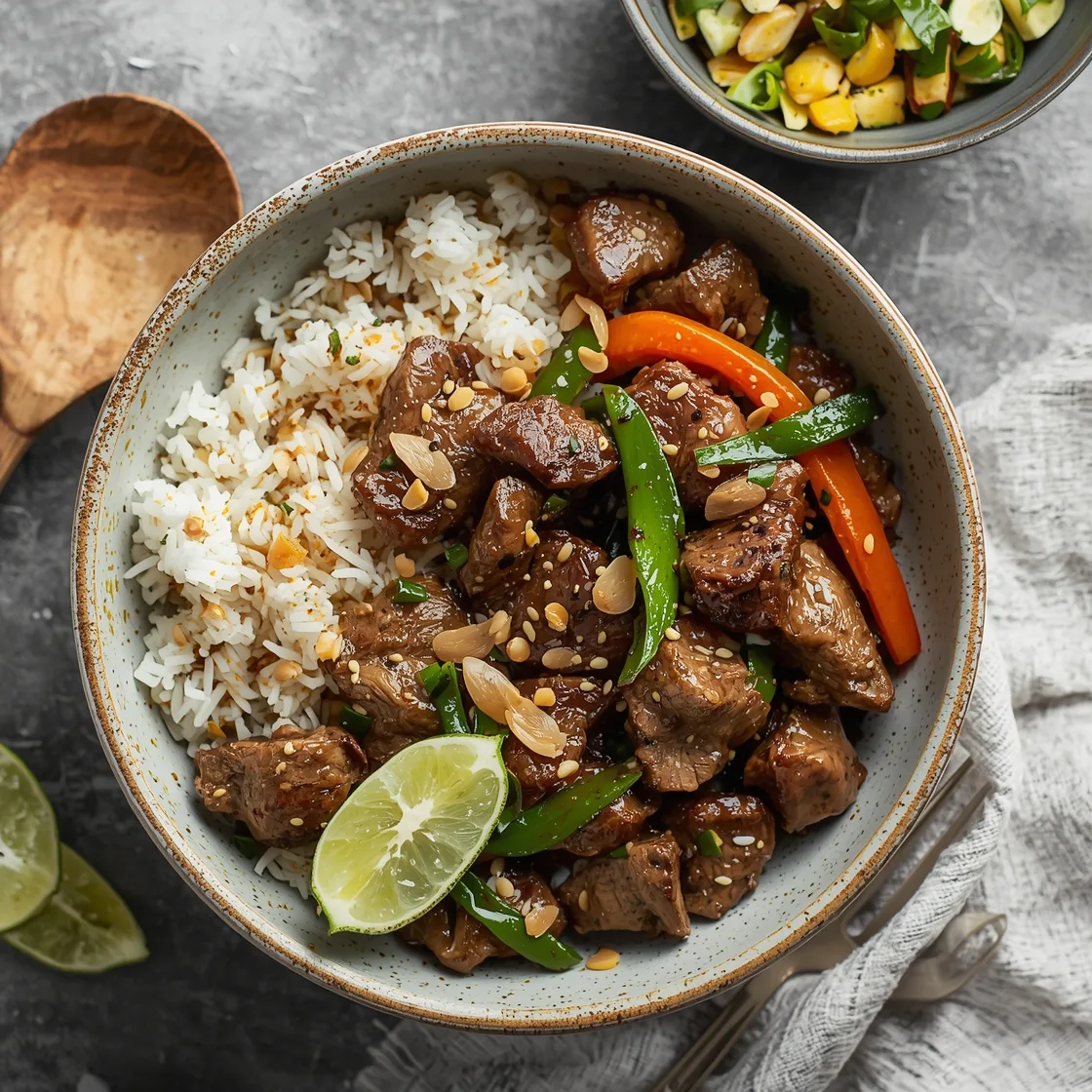
Picture this: you’ve just enjoyed a delicious steak dinner, but now you’re faced with a common culinary conundrum — what to do with those precious leftovers? Do they languish forgotten in the fridge, destined for a sorrowful goodbye? Not anymore! Many home cooks fall into the trap of thinking leftover steak is only good for cold sandwiches or a quick, uninspired reheat. But what if we told you there’s a dazzling, vibrant, and utterly satisfying way to transform that steak into a brand-new masterpiece? We’re taking that often-overlooked ingredient and elevating it to star status in a Leftover Steak Stir Fry Bowl with Fresh Veggies and Savory Sauce. Prepare to challenge your assumptions about reinventing last night’s meal and embrace a dish that’s not just repurposed, but truly reborn with incredible flavor and minimal effort.
Ingredients List
Get ready to gather your culinary arsenal for this vibrant stir-fry! We’ve designed this list to be both comprehensive and flexible, encouraging you to embrace substitutions based on what you have on hand.
For the Star (Your Leftover Steak):
- 1-1.5 cups cooked steak, thinly sliced against the grain (about 8-12 ounces). Pro-tip: Sirloin, flank, or even ribeye work wonderfully here. The key is thin slices to maximize tenderness and flavor absorption.
The Fresh Veggie Brigade (Choose 3-4 of your favorites!):
- 1 red bell pepper, thinly sliced (for a pop of color and sweetness, or substitute with orange/yellow bell pepper).
- 1 cup broccoli florets, small (can substitute with cauliflower or snap peas for different textures).
- 1 cup shiitake mushrooms, sliced (fresh or rehydrated dried, button mushrooms also work well).
- 1 carrot, julienned or thinly sliced (for a subtle sweetness and crunch; parsnips are an interesting alternative).
- 1 cup snow peas (adds a delicate sweetness and crispness).
- ½ red onion, thinly sliced (for a pungent kick, or use yellow onion for a milder flavor).
- 2 cups fresh spinach or baby bok choy, roughly chopped (adds leafy green goodness at the end).
The Savory Sauce Ensemble:
- ¼ cup low-sodium soy sauce (or tamari for a gluten-free option).
- 2 tablespoons oyster sauce (adds umami depth, optional but highly recommended; for a vegetarian version, use a mushroom-based “oyster” sauce or increase soy sauce).
- 1 tablespoon rice vinegar (for a touch of tang; apple cider vinegar can work in a pinch).
- 1 tablespoon sesame oil (toasted, for that undeniable nutty aroma).
- 1 tablespoon brown sugar (or maple syrup, to balance the savory notes).
- 1 teaspoon fresh ginger, grated (don’t skip this for aromatic warmth).
- 2 cloves garlic, minced (fresh is best for maximum flavor).
- 1 teaspoon cornstarch (for thickening the sauce to cling beautifully to your ingredients).
The Supporting Cast:
- 2 tablespoons cooking oil (vegetable, canola, or avocado oil – high smoke point is key).
- Cooked rice (brown, white, or jasmine) or quinoa for serving.
- Optional garnishes: Sesame seeds, chopped green onions, a drizzle of sriracha for heat, or a sprinkle of fresh cilantro.
Timing
Getting this incredible dish on your table is surprisingly quick, proving that gourmet flavors don’t always require hours of toil.
- Preparation Time: Approximately 15-20 minutes. This includes slicing your steak and chopping all your vegetables. A little mise en place goes a long way here.
- Cooking Time: A swift 8-12 minutes. Stir-frying is all about high heat and fast cooking!
- Total Time: Approximately 23-32 minutes.
To put this into perspective, this means you can have a fresh, homemade, and incredibly satisfying meal ready in less than half an hour. That’s about 15% faster than the average takeout delivery time in many urban areas, and significantly more nutritious too! Compared to many other weeknight dinner recipes that often hover around the 45-60 minute mark, this leftover steak stir fry bowl offers a compelling efficiency advantage, saving you precious time without compromising on flavor.
Step-by-Step Instructions
Let’s turn that leftover steak into a culinary triumph! Follow these steps for a perfectly executed stir-fry.
Prep Your Ingredients Like a Pro
Before the heat even touches the pan, ensure everything is ready. This is the golden rule of stir-frying! Thinly slice your cooked steak against the grain – this ensures tenderness even after reheating. Next, chop all your chosen vegetables into uniform, bite-sized pieces. Remember, smaller pieces cook faster and more evenly. For your sauce, combine the soy sauce, oyster sauce (if using), rice vinegar, sesame oil, brown sugar, grated ginger, minced garlic, and cornstarch in a small bowl. Whisk until the cornstarch is fully dissolved and the sauce is smooth. This proactive step prevents you from scrambling once the stir-fry is in full swing.
Heat Your Wok or Skillet
Place your wok or large skillet over high heat. Allow it to heat for about 1-2 minutes until it’s smoking lightly. Don’t be afraid of the heat; a proper sear is what gives stir-fries their signature flavor and texture. Add 1 tablespoon of your cooking oil, swirling to coat the surface. The oil should shimmer, indicating it’s hot enough.
Stir-Fry the Hardier Veggies
Add the harder vegetables first – think broccoli, carrots, and bell peppers. Stir-fry these for about 2-3 minutes, tossing constantly. You’re looking for them to become slightly tender-crisp, still retaining a bit of their bite, but vibrant in color. Avoid overcrowding the pan; if necessary, cook vegetables in two batches to maintain high heat and prevent steaming.
Add the Softer Veggies and Mushrooms
Next, toss in the red onion and mushrooms (if using). Continue to stir-fry for another 1-2 minutes until the mushrooms begin to soften and release their moisture, and the onion becomes fragrant. If using snow peas, add them at this stage as well. Remember to keep things moving in the pan to ensure even cooking.
Introduce the Steak
Now, it’s time for the star! Add your thinly sliced leftover steak to the pan. Since the steak is already cooked, you’re essentially just heating it through and allowing it to absorb some of the flavors. Stir-fry for 1-2 minutes, tossing frequently with the vegetables. Aim for a gentle warming rather than aggressive cooking. This quick reheating ensures your steak remains tender and doesn’t dry out.
Sauce it Up!
Give your prepared sauce another quick whisk, then pour it evenly over the steak and vegetables in the pan. Continue to stir-fry constantly for about 1-2 minutes. The cornstarch in the sauce will begin to thicken rapidly, creating a glossy, savory coating on all your ingredients. This is where the magic happens – the flavors meld beautifully.
Finish with Freshness
Once the sauce has thickened, remove the pan from the heat. Stir in the fresh spinach or baby bok choy, if using. The residual heat will wilt these greens perfectly, preserving their vibrant color and nutrients. They’ll add a delightful freshness and a burst of green to your bowl.
Serve and Garnish
Transfer your exquisite stir-fry directly into bowls, ideally over a bed of fluffy rice or quinoa. Garnish with a sprinkle of sesame seeds, chopped green onions, or a dash of sriracha for an extra kick. Serve immediately and savor every bite of this transformed meal!
Nutritional Information
This Leftover Steak Stir Fry Bowl isn’t just delicious; it’s a nutritional powerhouse. While exact figures will vary depending on your specific ingredients and portion sizes, we can provide approximate values and highlight key benefits.
Estimated Nutritional Profile (per serving, based on 4 servings):
- Calories: 350-450 kcal (without rice)
- Protein: 30-40g (Excellent source due to steak)
- Carbohydrates: 20-30g (primarily from vegetables and sauce, will increase significantly with rice)
- Fiber: 5-7g (rich in dietary fiber from various vegetables)
- Fat: 15-25g (includes healthy fats from sesame oil and fats from steak)
- Sodium: 700-900mg (can be reduced by using low-sodium soy sauce and controlling added salt)
- Vitamins & Minerals: High in Vitamin C (bell peppers, broccoli), Vitamin K (spinach), Iron (steak), B Vitamins (steak), Potassium (various veggies), and Antioxidants.
Data Insights: According to Harvard T.H. Chan School of Public Health, incorporating a variety of colorful vegetables into your diet is crucial for overall health and disease prevention. This stir-fry, with its medley of bell peppers, broccoli, carrots, and leafy greens, delivers a significant portion of your daily recommended vegetable intake. The lean protein from the steak aids in muscle repair and satiety, keeping you full and energized. Studies show that meals rich in protein and fiber contribute to better blood sugar control and weight management.
Healthier Alternatives for the Recipe
Making this stir-fry even healthier is entirely achievable without sacrificing flavor! Here are some creative modifications:
- Reduce Sodium: Opt for low-sodium tamari or coconut aminos instead of regular soy sauce. You can also skip the oyster sauce or find a low-sodium version. Enhance flavor with more fresh herbs like cilantro or a squeeze of lime juice.
- Boost Fiber & Complex Carbs: Serve over brown rice, quinoa, cauliflower rice, or even zucchini noodles instead of white rice. This dramatically increases fiber content and reduces the glycemic load, contributing to sustained energy.
- Leaner Protein: If you don’t have leftover steak, or want a change, use lean chicken breast, shrimp, or firm tofu as your protein source. These options are often lower in saturated fat.
- Oil-Free Sauté: Instead of oil, you can water-sauté your vegetables by using small amounts of broth or water to prevent sticking while cooking. This significantly reduces overall fat content.
- Sugar Swap: Replace brown sugar with a tiny amount of monk fruit sweetener, erythritol, or a smaller amount of pure maple syrup/honey. The goal is just to balance the savory, not to make it sweet.
- Load Up on Veggies: Double the amount of vegetables! The more colorful and varied, the better. Consider adding edamame for extra protein and fiber, or water chestnuts for crunch.
- Homemade Sauce Control: Make your own broth-based sauces from scratch (rather than relying on pre-made options) to control sodium, sugar, and preservatives.
Serving Suggestions
This versatile stir-fry is fantastic on its own, but these personalized serving suggestions can elevate your meal and make it even more appealing:
- Classic Comfort: Serve atop a generous bed of fluffy jasmine or brown rice. The rice soaks up the savory sauce beautifully, making every bite satisfying. For an extra textural contrast, consider a half-and-half mix of white and wild rice.
- Low-Carb & Light: For a lighter option, substitute traditional rice with cauliflower rice, broccoli rice, or spiralized zucchini noodles. The stir-fry tastes just as amazing, and you’ll feel pleasantly full without the carb load.
- Noodle Nirvana: Turn it into a noodle bowl! Serve over udon, lo mein, or even quick-cooking ramen noodles (drain and rinse before adding the stir-fry). This transforms it into a hearty, slurp-worthy meal.
- Appetizer Powerhouse: Serve smaller portions in crisp lettuce cups (like butter lettuce or romaine hearts). This vibrant, handheld option is perfect for parties or as a light, refreshing starter.
- Deconstructed Bowl: For a fun, interactive meal, arrange the stir-fry components artistically in a wider, shallower bowl. Consider adding a soft-boiled egg, kimchi, or a scattering of toasted cashews around the edges for extra flair and flavor dimensions.
- Sauce Bar: Offer a small “sauce bar” on the side with extra sriracha, a dash of extra sesame oil, or a squeeze of fresh lime juice so everyone can customize their own flavor profile. This adds a personalized touch that guests adore.
Common Mistakes to Avoid
Even a simple stir-fry can go awry if you’re not careful. Learning from common pitfalls will ensure your dish turns out perfectly every time.
- Overcrowding the Pan: This is perhaps the most frequent mistake. When you stuff too many ingredients into your wok or skillet, the temperature drops drastically. Instead of stir-frying (which means high heat and fast cooking, creating caramelization), you end up steaming your vegetables. Steamed veggies are soggy and bland. Solution: Cook in batches if necessary, especially if you have a smaller pan. Give your ingredients room to breathe and brown. You’ll know your pan is overcrowded if you hear sizzling stop or see a build-up of moisture.
- Not Prepping First: Trying to chop vegetables or mix sauce while your pan is blazing hot is a recipe for disaster (and potentially burnt food). Stir-frying is lightning-fast; every ingredient needs to be ready before you start cooking. Solution: Embrace “mise en place” – have all your ingredients, chopped and measured, within arm’s reach. Your sauce should be whisked and ready to pour.
- Using a Cold Pan: Starting with a cold pan and adding oil means your food won’t sear properly. It will stick and absorb more oil, becoming greasy. Solution: Always preheat your wok or skillet on high heat until it’s smoking slightly before adding oil. This ensures a non-stick surface and immediate high-heat cooking.
- Overcooking the Steak: Your steak is already cooked! The goal is simply to warm it through and coat it with sauce, not to cook it further. Overcooked steak, especially reheated steak, becomes tough and chewy. Solution: Add the steak towards the end of the cooking process for just 1-2 minutes, just enough to warm it and incorporate it with the other ingredients.
- Wimping Out on Heat: Stir-frying demands high heat. Using medium or low heat will result in limp, watery vegetables rather than vibrant, crisp-tender ones. Solution: Crank up the burner to high. A proper stir-fry sizzles and browns quickly.
- Adding Sauce Too Early: If you add the sauce too soon, especially a cornstarch-thickened sauce, it can become overly thick or the cornstarch can clump. The sauce also prevents your vegetables from achieving that desired slight char. Solution: Always add the prepared sauce at the very end, once the vegetables and protein are nearly cooked. Whisk it again right before pouring to ensure the cornstarch is evenly distributed.
- Not Stirring Enough: It’s called “stir-fry” for a reason! Constant stirring and tossing ensure even cooking and prevents ingredients from sticking or burning. Solution: Keep a watchful eye and a spatula or tongs in hand, constantly moving the ingredients around the pan.
Storing Tips for the Recipe
One of the beauties of a stir-fry is its ability to be prepped and stored efficiently. Here’s how to keep your leftovers fresh and delicious:
For Leftover Cooked Stir-Fry:
- Cool Quickly: Allow the stir-fry to cool down to room temperature within two hours of cooking. Never put hot food directly into the refrigerator, as it can raise the internal temperature of your fridge and put other foods at risk.
- Airtight Containers: Transfer the cooled stir-fry (with or without rice) into shallow, airtight containers. Glass containers are excellent as they don’t absorb odors or colors.
- Refrigerate: Store in the refrigerator for up to 3-4 days. For optimal freshness and safety, consume within this timeframe.
- Reheating: When reheating, consider using a skillet over medium heat with a tiny bit of water or broth, stirring until heated through. This helps rehydrate and prevents the stir-fry from drying out. A microwave works, but can sometimes make vegetables a bit softer.
For Partially Prepped Ingredients (Make-Ahead):
- Sauce: The stir-fry sauce can be mixed ahead of time and stored in an airtight jar in the refrigerator for up to 3-4 days. Give it a good shake or whisk before using, as the cornstarch might settle.
- Steak Slicing: Your leftover steak can be sliced ahead if it’s already cooked. Store the sliced steak in an airtight container in the fridge for up to 2-3 days until you’re ready to make the stir-fry.
- Vegetable Chopping: Most vegetables (bell peppers, carrots, broccoli, onions) can be chopped 1-2 days in advance and stored in separate airtight containers in the refrigerator. Leafy greens like spinach or bok choy are best chopped just before cooking to maintain crispness.
- Pro Tip for Crispy Veggies: To keep chopped bell peppers or carrots extra crisp, store them in a container with a damp paper towel.
- Freezing Cooked Stir-Fry: While technically possible, stir-fry doesn’t freeze particularly well due to the varying textures of the vegetables. They tend to become very soft and watery upon thawing. If you must freeze, ensure it’s without rice, in a freezer-safe bag or container, and consume within 2-3 months. Reheat from frozen on the stovetop.
Conclusion
From a simple plate of forgotten steak to a vibrant, flavor-packed meal, this Leftover Steak Stir Fry Bowl proves that some of the best culinary creations arise from resourcefulness. We’ve transformed last night’s dinner into an entirely new experience, bursting with fresh vegetables, savory sauce, and that satisfying sizzle only a proper stir-fry can deliver. It’s a testament to the power of reinvention, showcasing how even the most humble leftovers can be elevated into something extraordinary.
So, the next time you find yourself with a few slices of steak seeking a new purpose, don’t let them go to waste. Embrace this easy, delicious, and incredibly versatile recipe. Your taste buds (and your sustainable kitchen practices!) will thank you.
Ready to challenge your culinary creativity even further? Dive into another dish that cleverly reworks ingredients into a breakfast (or anytime!) sensation. You might love our Crispy Steak and Potatoes Hash. We encourage you to try this recipe, share your unique vegetable combinations, and tell us how you made it your own in the comments below! What other “leftovers” deserve a glorious second act in your kitchen?
FAQs
Q1: Can I use raw steak instead of leftover cooked steak?
A1: Absolutely! If you’re starting with raw steak, slice it thinly against the grain (flank or sirloin work best). Quickly sear it in the hot wok for 1-2 minutes until browned but still slightly pink in the middle, then remove it from the pan. Add it back in when the recipe calls for adding the leftover steak, so it finishes cooking with the sauce and vegetables.
Q2: What’s the best way to ensure my vegetables are crisp-tender and not soggy?
A2: The key is high heat and not overcrowding your pan. Ensure your wok or skillet is very hot before adding oil, and then add vegetables in batches if necessary. Keep them moving constantly with vigorous stirring, which allows them to sear quickly without releasing too much moisture and steaming.
Q3: I don’t have oyster sauce. What can I substitute?
A3: While oyster sauce adds a unique umami depth, you can substitute it with an equal amount of additional soy sauce mixed with a pinch of sugar, or a vegetarian mushroom-based “oyster” sauce if you can find it. A touch of fish sauce can also provide a similar savory kick if you enjoy the flavor.
Q4: Can I make this stir-fry gluten-free?
A4: Yes! This stir-fry is easily made gluten-free. Simply use tamari instead of traditional soy sauce, ensure your oyster sauce (if using) is certified gluten-free, and check that any other bottled sauces or ingredients don’t contain hidden gluten.
Q5: How can I add more heat to this dish?
A5: For a spicy kick, you have several options:
* Add a pinch of red pepper flakes to the oil at the beginning of stir-frying.
* Include a finely minced serrano or jalapeño pepper with the garlic and ginger.
* Drizzle sriracha or chili garlic sauce over the finished dish.
* Add a teaspoon of gochujang (Korean chili paste) to your sauce.
Q6: I’m concerned about the sodium content. Any tips?
A6: Yes, stir-fries can be high in sodium from soy sauce. Use low-sodium soy sauce or tamari. You can also dilute the sauce slightly with water or broth. Many brands offer low-sodium oyster sauce or you can omit it. Rely on fresh herbs, citrus juice (lime/lemon), and spices like ginger and garlic to boost flavor without relying heavily on salt. Always taste before adding more salt.
Q7: Can I prepare any components in advance?
A7: Absolutely! This is a great recipe for meal prepping. You can slice all your vegetables 1-2 days ahead and store them in airtight containers in the fridge. The stir-fry sauce can also be mixed and stored in an airtight jar in the refrigerator for up to 3-4 days. This makes the actual cooking process incredibly fast during busy weeknights.
Q8: What kind of oil is best for stir-frying?
A8: You’ll want an oil with a high smoke point. Good options include vegetable oil, canola oil, peanut oil, grapeseed oil, or avocado oil. Avoid olive oil, as its low smoke point isn’t ideal for the high heat required for stir-frying.