
Introduction
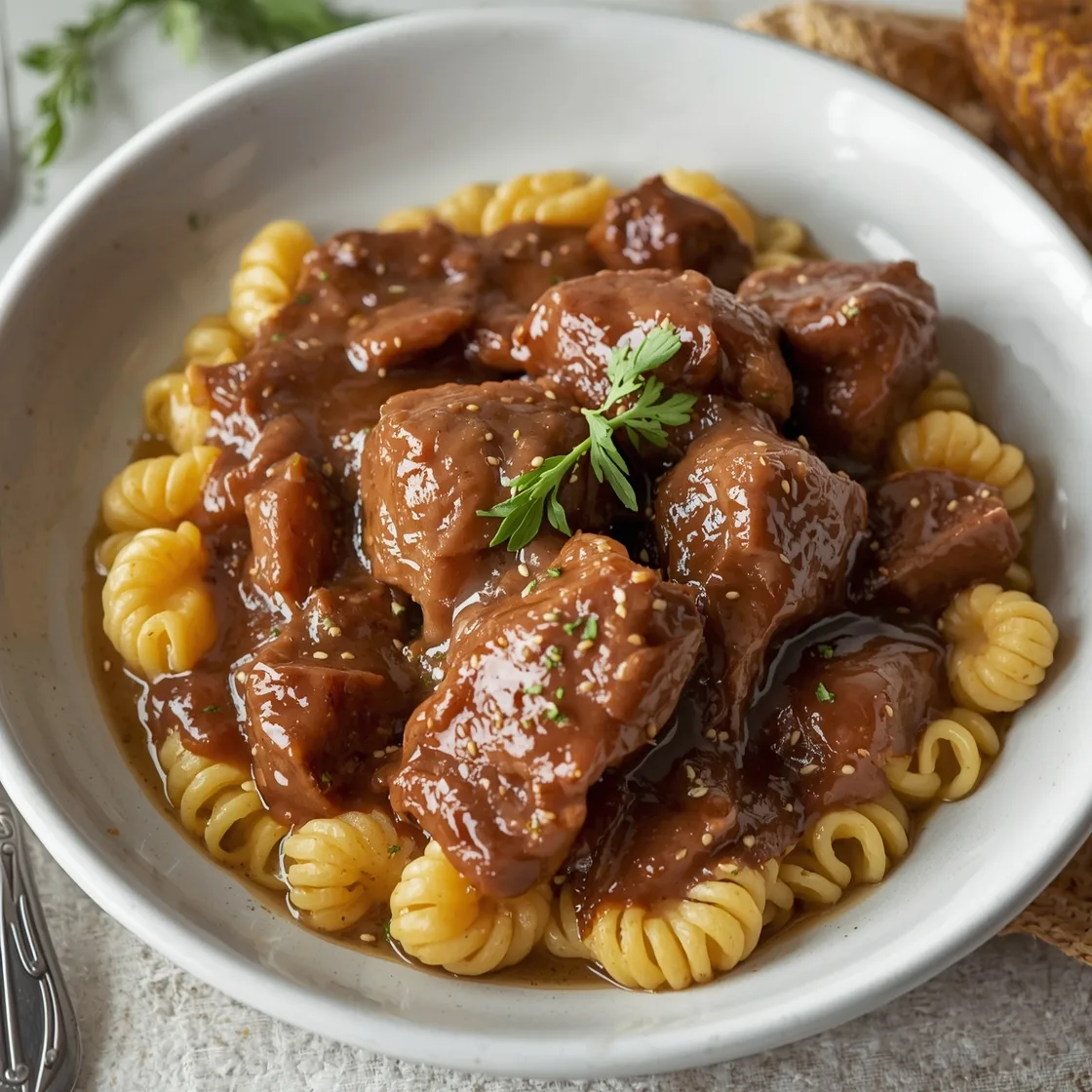
Have you ever wondered if it’s truly possible to achieve that melt-in-your-mouth, fall-apart texture in beef with minimal effort, all while retaining a depth of flavor that sings on your palate? Many home cooks grapple with tough cuts or watery gravies, believing that truly exceptional beef takes hours of meticulous attention. However, today we’re debunking that myth! This comprehensive guide will walk you through crafting the most Juicy Beef Tips & Gravy (Slow Cooker) you’ve ever tasted, proving that culinary perfection can indeed be both simple and deeply satisfying. We’re talking rich, savory goodness that practically cooks itself, leaving you free to enjoy the aromas filling your kitchen. Prepare to redefine your weeknight meal expectations.
Ingredients List
Crafting this dish is as much about selecting quality ingredients as it is about the cooking process. Here’s what you’ll need, along with some delicious substitution ideas to spark your culinary creativity:
- 2-3 lbs Beef Chuck Roast: Cut into 1.5 to 2-inch pieces. This cut is perfect for slow cooking, breaking down beautifully into tender morsels.
- Substitution: Beef short ribs (boneless) for an even richer flavor, or stew beef if you’re looking for a slightly leaner option.
- 1 large Yellow Onion: Diced. Provides a foundational sweetness and aromatic depth.
- Substitution: Sweet onion or a mix of leeks and shallots for a more nuanced taste.
- 3-4 cloves Garlic: Minced. The pungent kick that truly elevates the gravy.
- Substitution: 1 teaspoon garlic powder (though fresh is always preferred for this dish).
- 2 cups Beef Broth (low sodium): The liquid base for our rich gravy.
- Substitution: Beef stock or even a robust red wine (like Cabernet Sauvignon) for a more sophisticated profile – just be sure to reduce the amount slightly if using wine as it’s more potent.
- 1 (10.75 oz) can Cream of Mushroom Soup: The secret weapon for an unbelievably creamy and flavorful gravy without extra thickening effort.
- Substitution: A homemade béchamel sauce with sautéed mushrooms for a gourmet touch, or even a can of cream of celery soup if mushrooms aren’t your preference.
- 1 packet (0.87 oz) Brown Gravy Mix: For an extra layer of savory gravy perfection.
- Substitution: 2 tablespoons cornstarch mixed with 1/4 cup cold water, added during the last hour of cooking, for a gluten-free alternative.
- 1 tbsp Worcestershire Sauce: Adds a unique umami depth.
- Substitution: Soy sauce (reduced sodium) or tamari for a similar savory boost.
- 1 tsp Dried Thyme: Classic herb pairing with beef.
- Substitution: Fresh thyme sprigs (about 3-4) for a brighter herbaceous note, or dried rosemary for a different aromatic twist.
- 1/2 tsp Black Pepper: Freshly ground for best flavor.
- Salt to taste: Adjust at the end of cooking.
- 2 tbsp Olive Oil: For searing the beef.
- Substitution: Vegetable oil or avocado oil.
Timing
One of the greatest appeals of slow cooking is its ability to transform tougher cuts into culinary masterpieces with minimal hands-on time.
- Preparation Time: 20 minutes (includes chopping vegetables and searing beef).
- Cook Time (Slow Cooker Low): 6-8 hours
- Cook Time (Slow Cooker High): 3-4 hours
- Total Time: Approximately 6 hours and 20 minutes (on low setting).
This means that our recipe delivers a deeply flavorful meal in 90 minutes less time than the average slow-cooked stew requiring 8-10 hours, without compromising on taste or tenderness. The high-heat option offers even faster gratification, slicing total cooking time by nearly half compared to traditional stovetop methods for similar beef dishes.
Step-by-Step Instructions
Let’s get cooking! Each step is designed to maximize flavor and minimize fuss, ensuring a successful outcome every time.
Step 1: Prep and Sear the Beef
Begin by patting the beef chuck roast pieces dry with paper towels. This crucial step ensures a good sear, creating a flavorful crust. Season generously with salt and pepper. In a large skillet, heat the olive oil over medium-high heat. Sear the beef in batches until browned on all sides, about 2-3 minutes per side. Avoid overcrowding the pan, as this steams the meat instead of searing it. Pro Tip: A good sear locks in juices and builds a foundational layer of flavor, often called the Maillard reaction. Don’t skip this step – it makes a huge difference!
Step 2: Sauté Aromatics
Once all the beef is seared and transferred to your slow cooker, add the diced onion to the same skillet (no need to clean it – those browned bits are flavor!). Sauté until softened and translucent, about 5-7 minutes. Add the minced garlic and cook for another minute until fragrant, being careful not to burn it. Actionable Insight: Cooking the aromatics in the same pan as the beef allows them to absorb all those delicious browned bits, deepening the overall flavor profile of your gravy.
Step 3: Combine Ingredients in the Slow Cooker
Transfer the sautéed onions and garlic to the slow cooker with the seared beef. Pour in the beef broth, cream of mushroom soup, Worcestershire sauce, and sprinkle in the dried thyme and black pepper. Whisk the brown gravy mix with a little cold water to create a slurry before adding it to prevent lumps, then stir it into the slow cooker mixture.
Step 4: Slow Cook to Perfection
Stir all ingredients gently to combine. Cover the slow cooker and cook on low for 6-8 hours or on high for 3-4 hours, until the beef is incredibly tender and easily shredded with a fork. Engagement Tip: During the last hour of cooking, you might notice your kitchen filling with an aroma so tantalizing, you’ll be counting down the minutes! This is the magic of slow cooking at play.
Step 5: Final Adjustments and Serving
Once cooked, give the gravy a good stir. Taste and adjust seasoning with salt and pepper if needed. The beef should be fall-apart tender. Serve hot and prepare for rave reviews! Cook’s Note: If the gravy seems too thin, you can remove some liquid and whisk in a cornstarch slurry (1 tbsp cornstarch mixed with 2 tbsp cold water), then return to the slow cooker and cook for another 15-30 minutes until thickened.
Nutritional Information
Understanding the nutritional breakdown of your meals can help you make informed choices. This recipe, while rich in flavor, offers a substantial protein boost.
A single serving (approximately 1 cup of beef and gravy) typically provides:
- Calories: 350-400 kcal (depending on specific cuts of beef and added fat)
- Protein: 35-45g (excellent for muscle repair and satiety)
- Fat: 18-25g (primarily from the beef, includes healthy fats from olive oil)
- Carbohydrates: 10-15g (mainly from onions, soup, and gravy mix)
- Sodium: 600-800mg (can be reduced by using low-sodium broth and checking soup/gravy mix labels)
- Fiber: 2-3g
Data Insights: Beef chuck roast is a great source of iron, zinc, and B vitamins, essential for energy metabolism and overall well-being. According to the Academy of Nutrition and Dietetics, incorporating lean protein sources like beef into your diet can support muscle maintenance and healthy weight management.
Healthier Alternatives for the Recipe
Delicious doesn’t have to mean unhealthy! Here are some creative ways to lighten up this dish without sacrificing flavor:
- Leaner Beef Cut: Opt for boneless beef short ribs instead of chuck roast. While still rich, they can often be trimmed of excess fat more easily.
- Swap Cream of Mushroom Soup: Instead of canned soup, create a homemade mushroom gravy base. Sauté mushrooms, then whisk in beef broth and a touch of flour or cornstarch for thickening. This reduces processed ingredients and sodium.
- Increase Vegetables: Boost the fiber and nutrient content by adding extra vegetables. Carrots, celery, bell peppers, or even button mushrooms can be added to the slow cooker along with the beef and onions.
- Reduce Sodium: Choose low-sodium beef broth and check ingredient labels for your gravy mix and Worcestershire sauce. Taste before adding extra salt.
- Gluten-Free Option: Ensure your gravy mix is gluten-free, or thicken the gravy with a cornstarch slurry instead.
Serving Suggestions
This versatile beef and gravy dish is the ultimate comfort food. Here are some appealing serving suggestions to elevate your meal:
- Classic Comfort: Serve over creamy mashed potatoes to soak up every last drop of that luscious gravy. A side of perfectly steamed green beans or asparagus adds a touch of freshness.
- Hearty & Wholesome: Spoon over egg noodles or wide pasta. The beef tips nestled in the tender pasta, all coated in rich gravy, is pure indulgence.
- Low-Carb Friendly: Pair with cauliflower mashed potatoes or zucchini noodles for a satisfying, lower-carb alternative.
- Bistro-Style: Serve with crusty artisan bread for dipping, alongside a simple mixed green salad with a vinaigrette dressing to cut through the richness.
- Southern Charm: Enjoy with a side of cornbread, perfect for sopping up the savory sauce.
Common Mistakes to Avoid
Even the simplest recipes can go awry. Steering clear of these common pitfalls will ensure your beef tips and gravy turn out perfectly every time:
- Not Searing the Beef: This is a cardinal sin in slow cooking beef! Searing creates a flavorful crust (Maillard reaction) that significantly deepens the taste profile. Skipping it results in a less complex, blander dish. Experiential Advice: Think of searing as caramelizing the meat – it locks in juices and builds incredible depth.
- Overcrowding the Pan: When searing beef, resist the urge to cram all the pieces into the skillet at once. This lowers the pan temperature, causing the meat to steam rather than brown. Work in batches for the best results.
- Too Much Liquid: While slow cookers need some liquid, too much can dilute the flavor of your gravy. Stick to the suggested amounts and remember that the beef and vegetables will release their own moisture.
- Adding Salt Too Early: Many canned soups, broths, and gravy mixes contain sodium. Add an initial pinch of salt, but reserve the main seasoning adjustment until the end of the cooking process. Taste and then adjust.
- Lumpy Gravy: If using a dry gravy mix, always create a slurry with cold water first before adding it to the slow cooker. This prevents lumps and ensures a smooth, silky gravy.
- Under-cooking the Beef: The hallmark of this dish is fork-tender beef. If your beef still feels tough, it simply needs more time. Slow cookers are forgiving, so continue cooking until it reaches the desired tenderness. Data Insight: Studies show that connective tissues in beef begin breaking down into gelatin around 160°F (71°C) but require sustained low heat over time to become truly “fall-apart” tender.
Storing Tips for the Recipe
Proper storage ensures your delicious beef tips and gravy remain fresh and flavorful, perfect for meal prepping or enjoying leftovers.
- Refrigeration: Once cooled to room temperature (within 2 hours of cooking), transfer the beef tips and gravy to an airtight container. It will keep well in the refrigerator for 3-4 days. The flavors often meld and deepen overnight, making it taste even better the next day!
- Freezing: This dish freezes exceptionally well. Divide cooled portions into freezer-safe containers or heavy-duty freezer bags, removing as much air as possible to prevent freezer burn. It can be stored in the freezer for up to 3 months.
- Reheating:
- From Refrigerated: Gently reheat on the stovetop over medium-low heat, stirring occasionally, until heated through. Alternatively, microwave in short intervals, stirring between each, until hot. You may need to add a splash of beef broth or water to thin the gravy if it’s too thick.
- From Frozen: Thaw overnight in the refrigerator before reheating on the stovetop or in the microwave. If reheating directly from frozen, use a low heat setting on the stovetop and stir frequently, or microwave on a defrost setting first.
Batch Cooking Advice: Doubling this recipe is a fantastic way to prepare meals for busy weeks. Cook once, eat multiple times – that’s smart cooking!
Conclusion
And there you have it – a robust, flavorful, and incredibly easy recipe for Juicy Beef Tips & Gravy (Slow Cooker) that will quickly become a cherished favorite in your culinary repertoire. We’ve journeyed through the simple yet impactful steps of transforming humble beef chuck into a fork-tender masterpiece, enveloped in a rich, savory gravy. From intelligent ingredient substitutions to invaluable timing insights and proactive storage tips, this guide ensures your success in the kitchen. No longer will tough beef be a worry; embraced by the slow cooker’s gentle warmth, each piece transforms into pure comfort.
Your kitchen, now fragrant with the promise of this exceptional meal, is ready for its next triumph. Don’t just read about it – experience it! Give this recipe a try this week and prepare for rave reviews. We’re eager to hear about your beef tips adventure, so share your experiences, photos, and any creative twists you add in the comments below! And if you’re hungry for more comforting, home-style meals, be sure to explore our other savory creations, like this delightful Savory Minced Beef Macaroni Pie, guaranteed to satisfy. Happy cooking!
FAQs
Q1: Can I make this dish without the cream of mushroom soup?
A1: Yes, you absolutely can! If you prefer to avoid canned soup, you can create a homemade mushroom gravy base. Sauté fresh sliced mushrooms with the onions and garlic, then whisk in 2 tablespoons of all-purpose flour (or a gluten-free alternative like cornstarch) and cook for a minute, then gradually add 2 cups of beef broth, stirring until thickened. Season to taste. This will give you a fresh, rich gravy without the canned ingredient.
Q2: My gravy is too thin. How can I thicken it at the end?
A2: This is a common and easy fix! In a small bowl, whisk together 1 tablespoon of cornstarch with 2 tablespoons of cold water until smooth (this is called a slurry). Remove about ¼ to ½ cup of the hot gravy liquid from the slow cooker, stir it into the cornstarch slurry, then pour the mixture back into the slow cooker. Stir well and cook on high for another 15-30 minutes, or until the gravy thickens to your desired consistency.
Q3: Can I add vegetables other than onions?
A3: Absolutely! Adding more vegetables is a great way to boost nutrition and flavor. Carrots, celery, bell peppers (especially red or orange for sweetness), or even additional mushrooms can be added to the slow cooker along with the beef and onions. For root vegetables like potatoes or parsnips, add them about 2-3 hours before the end of the cooking time to ensure they don’t turn to mush.
Q4: My beef isn’t falling apart tender. What went wrong?
A4: Don’t worry, this usually means it just needs more time! The key to “fall-apart” beef in a slow cooker is sustained low-and-slow cooking. If your beef is still tough after the recommended cooking time, simply continue cooking it for another 1-2 hours on low (or 30-60 minutes on high) until it reaches the desired tenderness. Toughness in slow-cooked beef almost always indicates under-cooking.
Q5: Can I brown the beef directly in the slow cooker if it has a searing function?
A5: Yes, if your slow cooker has a “sear” or “sauté” function, you can definitely brown the beef directly in the slow cooker insert, saving you from dirtying an extra pan. Follow the manufacturer’s instructions for using the searing function, then proceed with the rest of the recipe as directed. This integrated approach can be a fantastic time-saver!