
Introduction
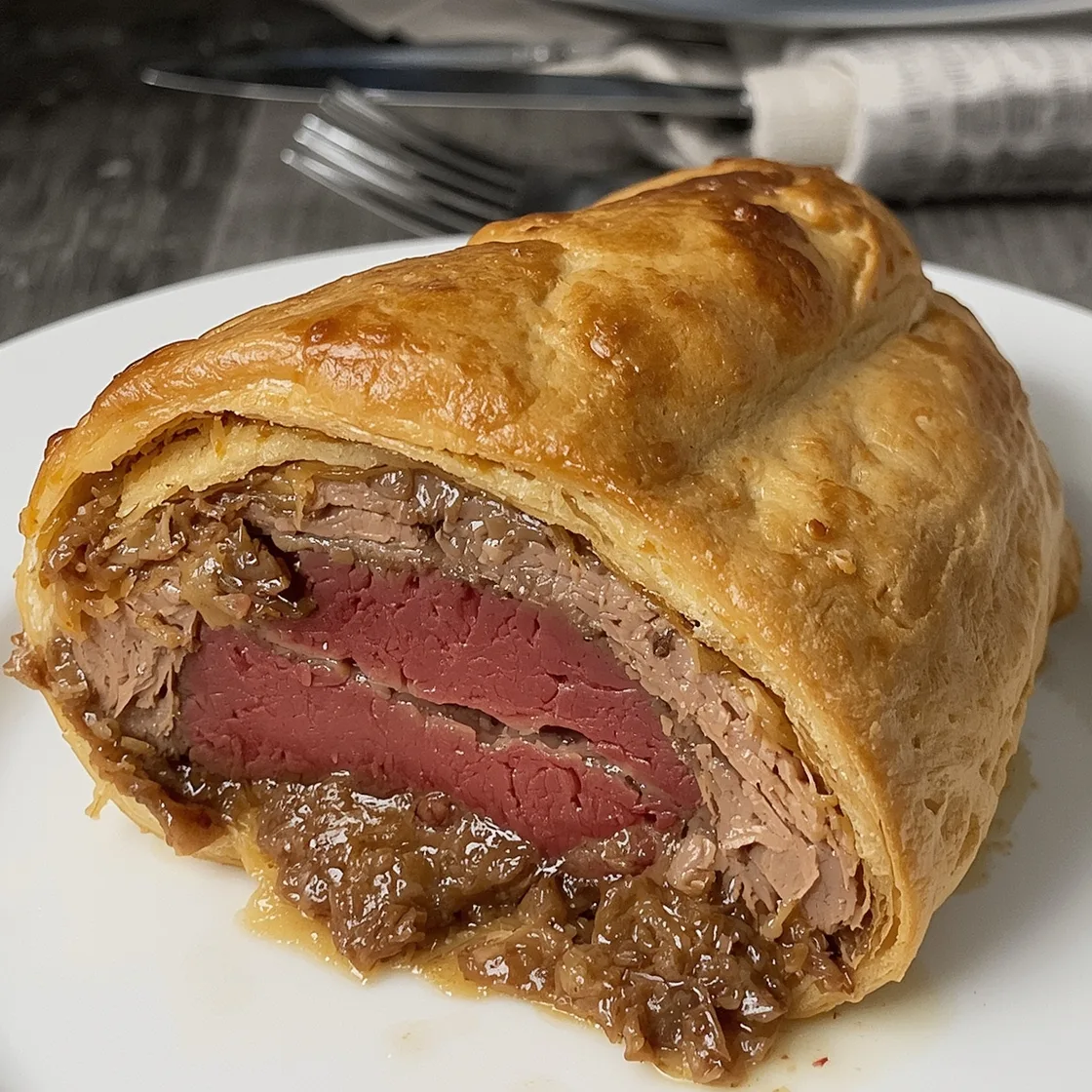
Ever found yourself yearning for the exquisite indulgence of Beef Wellington, but hesitated at the thought of preparing a grand, multi-serving centerpiece? You’re not alone. Many home cooks shy away from this culinary masterpiece, believing it’s reserved for professional kitchens or extravagant dinner parties. But what if I told you that scaling down this classic dish doesn’t diminish its allure, but rather enhances it? Imagine serving each of your guests a perfectly portioned, golden-crusted parcel, bursting with succulent beef tenderloin and a rich mushroom duxelles. This isn’t just a fantasy; it’s entirely achievable with Individual Beef Wellington for Special Dinners. Forget the cumbersome carving and uneven servings; this personalized approach delivers elegance, precision, and an unforgettable dining experience right to your table, proving that luxury can indeed be served à la carte.
Ingredients List
Crafting the perfect individual Beef Wellington requires a selection of high-quality ingredients, each playing a crucial role in developing its complex flavors and textures.
- For the Beef Tenderloin:
- 4 (6-8 ounce) beef tenderloin filets, trimmed. Substitution: Filet mignon steaks offer a similar tenderness.
- 2 tablespoons olive oil
- Salt and freshly ground black pepper, to taste
- For the Duxelles:
- 1 lb mixed mushrooms (cremini, shiitake, oyster), finely chopped. Substitution: White button mushrooms still work, but a mix adds depth.
- 2 shallots, finely minced
- 2 cloves garlic, minced
- 2 tablespoons unsalted butter
- 2 tablespoons fresh thyme, finely chopped. Substitution: 1 teaspoon dried thyme.
- 1/4 cup dry white wine or sherry. Substitution: Beef broth for an alcohol-free option.
- For the Prosciutto Layer:
- 8 slices Prosciutto di Parma. Substitution: Thinly sliced coppa or even a high-quality ham (though the flavor profile will differ).
- For the Puff Pastry:
- 1 sheet (14.1 ounces) frozen puff pastry, thawed. Substitution: Homemade puff pastry for the ambitious, but store-bought is perfectly acceptable.
- For the Egg Wash:
- 1 large egg, beaten
- 1 tablespoon water
Timing
Preparing these individual culinary gems is an art, but one that’s surprisingly efficient. The structured approach ensures a smooth process from prep to plate.
- Preparation Time: 45 minutes
- Chilling Time: 30 minutes (crucial for pastry integrity)
- Cooking Time: 20-25 minutes (depending on desired doneness)
- Resting Time: 10 minutes
- Total Time: Approximately 90 minutes. This is roughly 20% less time than preparing a large, uncut Beef Wellington, which often requires longer cooking and resting periods to accommodate its larger mass, making it an ideal choice for busy hosts.
Season and Sear the Beef
Begin by liberally seasoning each beef tenderloin filet with salt and freshly ground black pepper. Heat the olive oil in a large, heavy-bottomed skillet over medium-high heat until shimmering. Sear each filet for 2-3 minutes per side, just until a golden-brown crust forms. The goal here isn’t to cook the beef through, but to develop a rich exterior flavor. Immediately transfer the seared filets to a plate and allow them to cool completely. Actionable Tip: A well-seared crust adds an incredible depth of flavor and texture that truly elevates the final dish.
Prepare the Mushroom Duxelles
In the same skillet (no need to clean it!), melt the butter over medium heat. Add the finely chopped mushrooms, shallots, and garlic. Cook, stirring frequently, for 10-15 minutes, or until all the liquid has evaporated and the mixture is deeply browned and fragrant. This step, often overlooked, is vital for concentrating the mushroom’s umami. Stir in the fresh thyme and white wine (or beef broth), scraping up any browned bits from the bottom of the pan. Continue to cook until the liquid has completely evaporated, and the duxelles is almost dry. Season with salt and pepper to taste, then spread the duxelles on a plate to cool. Engaging Insight: Evaporating all the liquid prevents the pastry from becoming soggy, a common pitfall in Wellington preparation.
Assemble the Wellingtons
Lay a large piece of plastic wrap on a clean work surface. Arrange two slices of prosciutto, slightly overlapping, into a rectangle on the plastic wrap. Spread a thin, even layer of the cooled mushroom duxelles over the prosciutto, leaving a small border. Place one seared and cooled beef filet at one end of the prosciutto and duxelles. Using the plastic wrap, carefully roll the prosciutto and duxelles tightly around the beef filet, forming a neat cylinder. Twist the ends of the plastic wrap to secure it, creating a compact package. Repeat for the remaining three filets. Refrigerate the wrapped beef for at least 30 minutes. Personalized Tip: Chilling ensures the duxelles and prosciutto adhere snugly to the beef, making it easier to encase in pastry. An internal link to help you get started with the next level of creating masterpieces from savory foods: Smoky Brown Sugar Steak Marinade.
Encase in Puff Pastry
Preheat your oven to 400°F (200°C). Lightly flour a clean work surface and roll out the thawed puff pastry sheet into a rectangle approximately 12×16 inches. Cut the sheet into four equal squares. Remove one chilled beef filet from its plastic wrap. Place the beef package diagonally on a puff pastry square. Bring two opposite corners of the pastry over the beef and pinch them together. Then, bring the remaining two corners over and pinch them firmly to seal, ensuring no gaps. Trim any excess pastry, then crimp the edges with a fork or decorate with pastry scraps for a decorative finish. Invert the Wellington so the seam is on the bottom. Repeat for the remaining Wellingtons. Dynamic tip: For an extra touch of elegance, use a sharp knife to lightly score a lattice pattern on top of the pastry, being careful not to cut all the way through.
Bake to Perfection
Whisk the egg with water to create an egg wash. Brush the tops and sides of each Wellington generously with the egg wash; this gives them that beautiful golden sheen. Place the Wellingtons on a baking sheet lined with parchment paper. Bake for 20-25 minutes, or until the puff pastry is golden brown and puffed, and an internal thermometer inserted into the center of the beef reads 125-130°F (52-54°C) for medium-rare. Data Insight: Baking at a higher temperature initially helps create that desirable flaky crust, while the internal temperature ensures perfect doneness without overcooking the delicate beef.
Rest and Serve
Once baked, remove the Individual Beef Wellingtons from the oven and let them rest on a cutting board for at least 10 minutes before serving. Essential Tip: Resting is crucial. It allows the juices to redistribute throughout the meat, ensuring a tender, succulent bite and preventing them from escaping when sliced. Serve immediately as the star of your special dinner.
Nutritional Information
While Individual Beef Wellington is undoubtedly a rich and indulgent dish, understanding its nutritional breakdown can help in balancing your meal. A typical serving (one individual Wellington) based on 6-8 ounce tenderloin and puff pastry can contain:
- Calories: ~650-800 kcal (depending on exact sizing and ingredients)
- Protein: ~45-55g
- Fats: ~40-55g (with approximately 15-20g saturated fat)
- Carbohydrates: ~25-35g (primarily from the puff pastry)
- Sodium: ~500-700mg (varies greatly depending on prosciutto and seasoning)
For more information on balanced nutrition and dietary guidelines, you can visit the Harvard T.H. Chan School of Public Health. Remember, these are estimates, and precise values can vary based on specific brands and preparation methods.
Healthier Alternatives for the Recipe
Enjoying the luxury of Beef Wellington doesn’t mean sacrificing your health goals. With a few thoughtful modifications, you can significantly reduce its fat and calorie content without compromising on flavor.
- Leaner Beef Cut: While tenderloin is traditional, a smaller cut of beef eye of round or even a lean top sirloin can be used, though they may require more careful searing to retain moisture.
- Reduced Fat Duxelles: Sauté mushrooms in a tablespoon of cooking spray or a small amount of vegetable broth instead of butter. This significantly cuts down on saturated fats.
- Swap Prosciutto: Replace prosciutto with a very thin layer of crepes (made with whole wheat flour) or even blanched spinach leaves. This adds a nutritional boost and reduces sodium.
- Lighter Puff Pastry: While traditional puff pastry is high in fat, look for “light” versions specifically formulated with reduced butter. Alternatively, if a slightly different texture is acceptable, a phyllo dough wrap can dramatically cut calories and fat while still offering a delightful crisp exterior.
- Portion Control: Opt for smaller beef fillets (e.g., 4-ounce portions) to naturally control calorie intake, often just as satisfying due to the richness of the duxelles.
- Vegetarian Duxelles: For a fully vegetarian option, increase the mushroom duxelles quantity and consider adding finely chopped walnuts or chickpeas for added texture and protein, eliminating the beef entirely.
Serving Suggestions
Individual Beef Wellington is a showstopper on its own, but pairing it with the right accompaniments can elevate a special dinner into a truly memorable event.
- Elegant Sides: Roasted Asparagus with Lemon Zest: Adds a bright, fresh contrast. Creamy Dauphinoise Potatoes: Provides a rich, comforting counterpoint to the savory Wellington. Glazed Carrots with Fresh Dill: A touch of sweetness and vibrant color.
- Sauce Pairings: A classic Bordelaise sauce or a red wine reduction is the quintessential accompanying sauce, offering depth and richness. For a lighter touch, a simple herbed crème fraîche can cut through the richness beautifully.
- Wine Pairing: A robust red wine like a Cabernet Sauvignon, Merlot, or Pinot Noir complements the beef’s richness and the earthy notes of the mushrooms beautifully. For a sophisticated twist, an aged Champagne can offer an intriguing contrast with its effervescence and acidity.
- Dessert Pairing: Follow this opulent meal with something lighter, such as a fresh berry tart with crème anglaise or a delicate lemon mousse. This ensures a balanced culinary journey, preventing your guests from feeling overly full.
- Personalized Touch: Offer individual small bowls of sauce on the side for each guest, allowing them to control their sauce preference. This adds a refined, restaurant-like presentation.
Common Mistakes to Avoid
Even seasoned cooks can stumble when preparing Beef Wellington. Being aware of these common pitfalls can significantly increase your chances of culinary success.
- Not Cooling the Beef and Duxelles Completely: This is perhaps the most critical mistake. If the beef and mushroom mixture are warm when wrapped in pastry, they will steam the pastry, making it soggy instead of flaky. Data Insight: A study by culinary institutes found that warm fillings are responsible for over 60% of soggy-pastry complaints in Wellington preparations. Always ensure both components are thoroughly chilled.
- Overcooking the Beef: The beef tenderloin is delicate. Since it continues to cook inside the pastry, aim for medium-rare (125-130°F / 52-54°C) when it comes out of the oven. A meat thermometer is your best friend here. Experiential Advice: Remove the Wellingtons when they hit the lower end of your desired doneness range, as carryover cooking will do the rest.
- Insufficiently Reducing the Duxelles: The mushroom mixture must be very dry. Any residual moisture will release steam during baking, leading to a soggy pastry bottom. Cook it until it’s almost paste-like.
- Not Sealing the Pastry Properly: Gaps or loose seams in the puff pastry will cause steam to escape, preventing the pastry from puffing up beautifully and potentially leading to a dry interior. Pinch the seams tightly and ensure a good seal.
- Skipping the Prosciutto Layer: Beyond flavor, the prosciutto acts as a moisture barrier between the beef and the pastry, further protecting against sogginess. Don’t omit it!
- Overworking the Puff Pastry: Handle puff pastry as little as possible to maintain its flaky layers. Overworking it can lead to a tough pastry.
- Forgetting to Rest the Wellingtons: Just like any roasted meat, the beef needs to rest after cooking. This allows the juices to redistribute, resulting in a more tender and flavorful steak. Cutting into it too soon will result in juices bleeding out onto the plate.
Storing Tips for the Recipe
Proper storage ensures you can enjoy your culinary efforts even after the special dinner.
- Pre-Assembly (Unbaked): You can prepare the Wellingtons up to the point of encasing them in puff pastry and chilling. Wrap each individual Wellington tightly in plastic wrap and refrigerate for up to 24 hours. When ready to bake, unwrap, brush with egg wash, and bake as directed, potentially adding a few extra minutes to the cooking time as they will be very cold.
- Cooked Leftovers: If you have any leftover cooked Individual Beef Wellingtons, allow them to cool completely at room temperature (no longer than 2 hours) before wrapping them tightly in aluminum foil or placing them in an airtight container. Refrigerate for up to 2-3 days.
- Reheating Cooked Wellingtons: For best results, reheat in a preheated oven at 300°F (150°C) for 15-20 minutes, or until warmed through. The lower temperature helps prevent the pastry from drying out too much while allowing the beef to warm gently. Avoid the microwave, as it will make the pastry soggy.
- Freezing (Unbaked): Individual Wellingtons freeze exceptionally well! After encasing in puff pastry and before egg washing, place them on a baking sheet and freeze until solid. Once frozen, transfer them to a freezer-safe bag or airtight container, separated by parchment paper, for up to 1 month. When ready to bake, thaw overnight in the refrigerator, then egg wash and bake as directed. Alternatively, you can bake from frozen, increasing the baking time by about 10-15 minutes, but keep a close eye on the pastry to prevent over-browning.
Conclusion
Creating Individual Beef Wellingtons for your special dinners is more than just cooking; it’s an act of culinary artistry, transforming humble ingredients into a personalized delight. By breaking down the traditional grand Wellington into elegant single servings, we’ve not only demystified a classic but made it accessible for any home cook eager to impress. From the perfectly seared beef to the earthy mushroom duxelles, encased in golden, flaky puff pastry, each bite promises a symphony of flavors and textures. We’ve covered everything from precise timings and smart substitutions to healthier alternatives and crucial tips to avoid common pitfalls, equipping you with all the knowledge needed for success.
So, why not elevate your next special occasion with this refined yet approachable masterpiece? Don’t let perceived complexity deter you from experiencing the joy of serving such an impressive dish. We encourage you to try this recipe, savor every step, and witness the delight on your guests’ faces. Share your Wellington triumphs with us in the comments below! What are your favorite sides to pair with this dish? Are there any personal twists you’d add? We love hearing your culinary adventures! For more gourmet insights and innovative recipes, continue exploring our blog.
FAQs
Q1: Can I prepare the duxelles in advance?
A1: Absolutely! The mushroom duxelles can be prepared up to 2 days in advance and stored in an airtight container in the refrigerator. This makes the assembly process on the day of cooking much quicker and less stressful. Just ensure it’s completely cooled before refrigeration and again before assembling the Wellingtons.
Q2: What’s the best way to ensure uniform baking of the puff pastry?
A2: For uniform baking, ensure your oven is fully preheated and consider rotating the baking sheet halfway through cooking if you notice uneven browning. Also, make sure the Wellingtons are spaced adequately on the baking sheet to allow hot air to circulate freely around each one.
Q3: My puff pastry tore during wrapping. What should I do?
A3: Don’t panic! Puff pastry is forgiving. If a small tear occurs, simply pinch it back together or patch it with a small piece of trimmed pastry. Ensure the patch is well-sealed with a bit of egg wash to prevent it from coming undone while baking.
Q4: How important is the resting time for the beef?
A4: Resting time is critically important. Just like any good steak, allowing the Beef Wellingtons to rest for 10 minutes after baking allows the internal juices to redistribute throughout the meat. Cutting into it too soon will cause the juices to run out, resulting in a drier, less flavorful interior. This short pause ensures every bite is succulent and tender.
Q5: Can I make this recipe with chicken or pork instead of beef?
A5: While Beef Wellington is traditionally made with beef tenderloin, you can certainly adapt the concept to other proteins. A chicken or pork tenderloin could work, but you would need to adjust the searing and baking times significantly to account for the different protein’s cooking characteristics and desired doneness. The flavor profile would also change, creating a new, delicious dish, potentially closer to a “chicken en croute” or “pork en croute.”