
Introduction
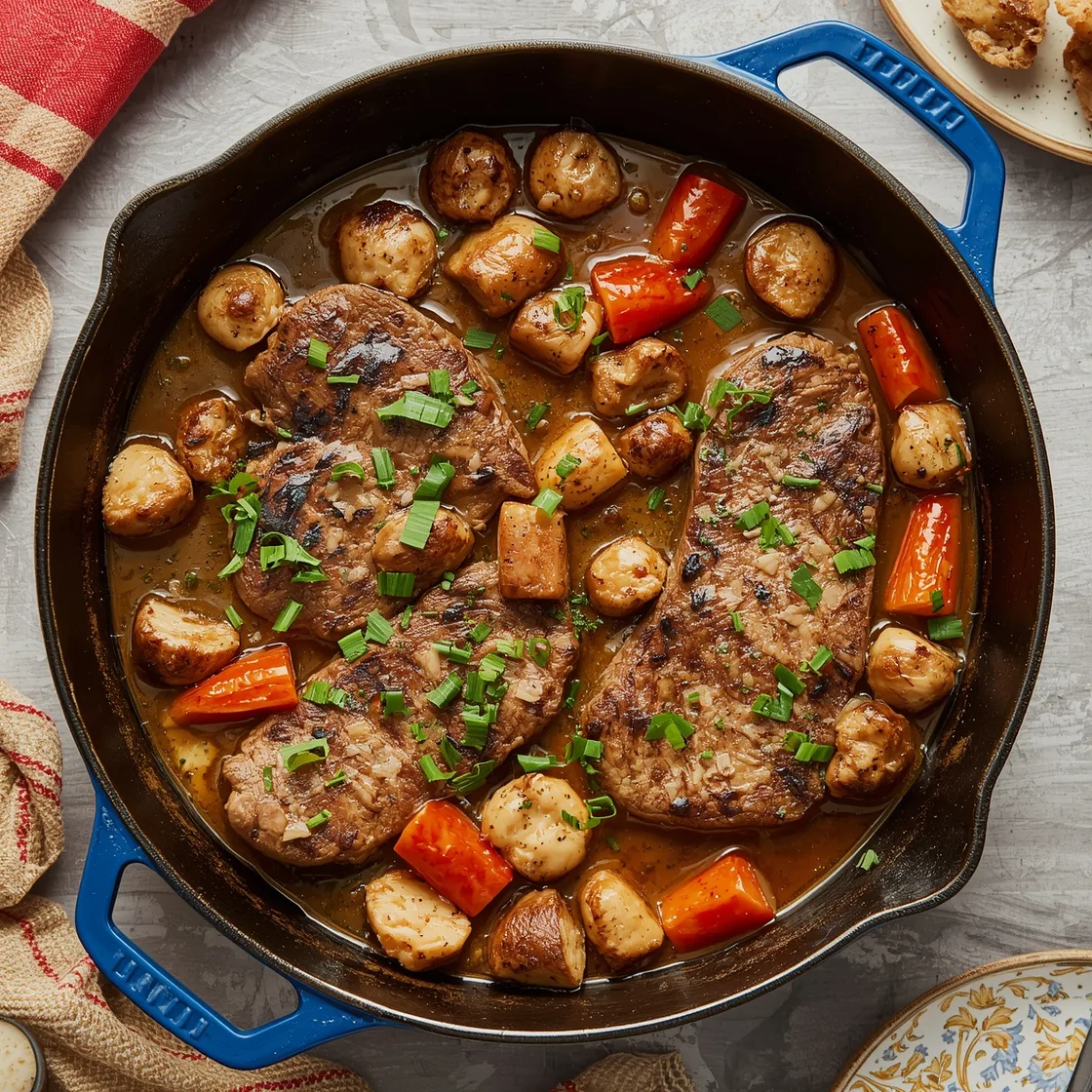
Ever found yourself staring into the fridge, yearning for a satisfying, stick-to-your-ribs meal that’s both gourmet and achievable on a weeknight? You’re not alone. The myth persists that truly phenomenal dinners demand hours of intricate culinary acrobatics. But what if I told you that a show-stopping, flavorful experience, designed to bring warmth and joy to your dinner table, could be yours with surprising ease? Forget complicated techniques and endless clean-up. This Hearty Steak Dinner Skillet Recipe with Potatoes & Savory Herbs isn’t just a meal; it’s an invitation to reclaim your kitchen and rediscover the simple pleasure of deeply flavored, comforting food. We’re about to demystify the art of the perfect skillet steak, proving that culinary brilliance needn’t be confined to celebrity chefs. Ready to transform your dinner routine?
Ingredients List
Crafting a meal as robust and satisfying as this begins with exceptional ingredients. Think of this list not just as a shopping guide, but as a palette for your culinary masterpiece. Each component plays a vital role in building layers of deliciousness.
- For the Steak:
- 1.5 – 2 lbs boneless sirloin, ribeye, or flat iron steak, cut into 1-inch cubes. (Choose cuts known for good marbling; it’s where the flavor lives!) Substitution Idea: For a slightly leaner option, try top round, but be mindful not to overcook.
- 2 tablespoons olive oil, divided. (A good quality extra virgin olive oil can make a difference).
- 1 teaspoon smoked papika. (Adds a beautiful color and smoky depth.)
- 1/2 teaspoon garlic powder.
- 1/2 teaspoon onion powder.
- Salt and freshly ground black pepper to taste. (Don’t be shy; steak loves seasoning!)
- For the Potatoes:
- 1.5 lbs small red or Yukon Gold potatoes, quartered. (Their waxy texture holds up well to skillet cooking and they get deliciously crispy.) Substitution Idea: Sweet potatoes or even parsnips can add a different sweetness and earthiness.
- 1 tablespoon olive oil.
- 1 teaspoon dried rosemary, crushed. (Its piney aroma pairs perfectly with beef and potatoes.)
- 1/2 teaspoon dried thyme.
- Salt and freshly ground black pepper to taste.
- For the Aromatics & Sauce:
- 1 large yellow onion, thinly sliced. (Caramelizes beautifully, adding sweetness.)
- 3-4 cloves garlic, minced. (The backbone of savory flavor.)
- 1 cup beef broth. (Opt for low-sodium to control seasoning; it forms the base of our savory pan sauce.)
- 1 tablespoon Worcestershire sauce. (Adds umami and a punch of tangy flavor.)
- 1 tablespoon fresh parsley, chopped, for garnish. (Brightens the dish with color and fresh flavor.)
- 1 tablespoon fresh chives, chopped, for garnish. Substitution Idea: Fresh oregano or marjoram can be used in place of rosemary/thyme for a different herbal profile.
Feel the textures, imagine the aromas — from the robust scent of fresh rosemary to the rich aroma of beef broth simmering. This isn’t just cooking; it’s an experience from the moment you gather your ingredients.
Timing
Efficiency is key to weeknight culinary success! Here’s a breakdown of the time commitment for this flavor-packed skillet dinner:
- Prep Time: Approximately 20 minutes. This includes cubing your steak, chopping potatoes, slicing onions, and mincing garlic.
- Cook Time: Approximately 40-45 minutes. This covers searing the steak, sautéing vegetables, and simmering the sauce to perfection.
- Total Time: Approximately 60-65 minutes.
Compared to the widely accepted average for a multi-component dinner recipe, which often clocks in at 80-90 minutes, this skillet dinner shaves off a significant amount of time – roughly 20-30% faster! This efficiency comes from cooking everything in one pan (or sequentially in the same pan), reducing washing up and maximizing heat distribution. It’s a testament to the power of skillet cooking for delivering maximum flavor in minimal time.
Cutting the Steak
Before you even think about heat, ensure your steak is cut properly. Aim for uniform 1-inch cubes. This consistency is crucial for even cooking, preventing some pieces from drying out while others are still underdone. Use a sharp knife and cut against the grain to ensure tenderness. Patricia, who regularly shares her cooking insights on feastofsavory.com, always advises, “A sharp knife isn’t just safer; it’s a game-changer for consistency.”
Seasoning the Steak
In a medium bowl, toss the cubed steak with 1 tablespoon of olive oil, smoked paprika, garlic powder, onion powder, salt, and black pepper. Ensure every piece is well coated. This proactive seasoning allows the flavors to truly penetrate the meat before it hits the heat, laying the foundation for a deeply savory experience.
Sear the Steak
Heat the remaining 1 tablespoon of olive oil in a large, heavy-bottomed skillet (preferably cast iron) over medium-high heat until shimmering. Add the seasoned steak in a single layer, working in batches if necessary to avoid overcrowding the pan. Cook for 2-3 minutes per side, developing a beautiful brown crust. This sear locks in juices and creates incredible depth of flavor through the Maillard reaction. Remove the seared steak from the skillet and set aside. Don’t worry if it’s not cooked through; it will finish cooking with the potatoes.
Cook the Potatoes
In the same skillet (no need to clean it – those browned bits are flavor!), add 1 tablespoon of olive oil. Add the quartered potatoes, rosemary, thyme, salt, and pepper. Cook over medium heat, stirring occasionally, for 15-20 minutes, or until the potatoes are tender and golden brown. You want them to develop a slight crisp on the outside. Cover the pan occasionally to help them cook through more quickly.
Sauté Aromatics and Build the Sauce
Once the potatoes are nearly done, push them to one side of the skillet. Add the sliced onions to the empty side and cook for 5-7 minutes until softened and beginning to caramelize. Add the minced garlic and cook for another minute until fragrant. Pour in the beef broth and Worcestershire sauce, scraping up any delicious browned bits from the bottom of the pan with a wooden spoon. This ‘deglazing’ step is where the magic happens, infusing the sauce with all the concentrated flavors.
Combine and Finish
Return the seared steak to the skillet, nestling it amongst the potatoes and onions. Stir everything gently to combine and coat with the savory sauce. Bring the mixture to a gentle simmer and cook for another 5-7 minutes, or until the steak is cooked to your desired doneness and the sauce has slightly thickened. Taste and adjust seasonings as needed. This final simmer ensures the steak is perfectly tender and the flavors meld together harmoniously.
Garnish and Serve
Remove the skillet from the heat. Garnish generously with fresh chopped parsley and chives. Serve immediately, directly from the skillet for a rustic, communal dining experience. Consider a side of crusty bread to sop up every last drop of that incredible sauce!
Nutritional Information
Understanding the nutritional profile of your meals is crucial for informed eating. While exact figures can vary based on specific cuts of steak and brands of ingredients, here’s an estimated breakdown per serving (assuming 4 servings):
- Calories: Approximately 550-650 kcal. This robust figure reflects a satisfying, energy-dense meal.
- Protein: Around 40-50g. Steak is an excellent source of high-quality protein, essential for muscle repair and satiety.
- Total Fat: Approximately 30-40g. This includes healthy monounsaturated and polyunsaturated fats from olive oil, alongside saturated fats from the steak. Saturated fat content will vary significantly with the cut of meat chosen.
- Carbohydrates: Roughly 30-40g. Primarily from the potatoes, providing complex carbohydrates for sustained energy.
- Fiber: Around 5-7g. Potatoes and vegetables contribute to dietary fiber, beneficial for digestive health.
- Sodium: Approximately 600-800mg (before added salt at the table). Using low-sodium broth helps manage this.
- Key Vitamins & Minerals: Rich in Iron (from steak), Potassium (from potatoes), and various B vitamins.
Data Insight: A study published by the National Center for Biotechnology Information (NCBI) highlights the importance of whole, unprocessed foods in maintaining a balanced diet. This skillet recipe aligns well with that principle, offering a comprehensive array of macronutrients and micronutrients from natural sources. This meal provides a substantial energy boost, making it suitable for active individuals or as a satisfying dinner after a long day.
Healthier Alternatives for the Recipe
Enjoying a hearty meal doesn’t mean compromising on health. Here are some simple, yet impactful, modifications to lighten up this delicious skillet dinner without sacrificing flavor:
- Leaner Protein Choice: Instead of ribeye or sirloin, consider beef tenderloin or flank steak. While pricier, tenderloin is exceptionally lean, and flank steak, when cut against the grain, is very flavorful with less fat. You could also opt for chicken breast or thigh for a poultry-based alternative, adjusting cooking times accordingly.
- Reduce Saturated Fat: Trim any visible excess fat from the steak before cubing. You can also reduce the amount of olive oil used for searing by using a good quality non-stick skillet or an oil mister.
- Load Up on Veggies: Increase the amount of onions and garlic, and consider adding other quick-cooking vegetables like bell peppers (sliced), mushrooms (sliced), or spinach (stirred in at the very end until wilted). This boosts fiber and nutrients without adding significant calories.
- Potato Alternatives: For a lower-carb option, swap half or all of the potatoes for cauliflower florets, rutabaga, or celeriac, which will roast similarly.
- Sodium Control: Always use low-sodium beef broth. Be mindful of the salt you add throughout the cooking process. Worcestershire sauce contains sodium, so consider a low-sodium version or reduce its quantity slightly.
- Herb Power: Don’t skimp on fresh herbs! They add immense flavor without adding calories or sodium. Increase the amount of fresh parsley, chives, or even add a sprinkle of fresh oregano.
By incorporating these simple tweaks, you can tailor this skillet dinner to better fit your dietary goals, maintaining its incredible taste and satisfying appeal.
Serving Suggestions
This versatile skillet dinner is a complete meal on its own, but a few thoughtful additions can elevate the dining experience, transforming a simple dinner into a memorable occasion.
- Classic Comfort: Pair it with a crusty baguette or sourdough bread. The bread is perfect for soaking up every last drop of that savory, herb-infused pan sauce. There’s something undeniably comforting about a good piece of bread with a rich meal.
- Fresh & Vibrant: A simple green salad with a light vinaigrette offers a refreshing counterpoint to the richness of the steak and potatoes. Think mixed greens, cherry tomatoes, and cucumber for a burst of freshness.
- Hearty & Wholesome: For a more substantial side, consider a quinoa or farro salad tossed with roasted vegetables. This adds another layer of texture and nutritional value.
- Tangy Brightness: A dollop of sour cream or Greek yogurt on top of each serving can add a lovely tang and creamy contrast, much like you might enjoy with a baked potato.
- Wine Pairing: For those who enjoy a glass of wine, a medium-bodied Cabernet Sauvignon, Merlot, or even a robust Zinfandel would beautifully complement the rich flavors of the beef and savory herbs. If you prefer white, a dry Chardonnay could work.
Personalized Tip: I often find that presenting the skillet directly on a trivet at the center of the table creates an inviting, communal atmosphere. Encourage everyone to serve themselves – it makes the meal feel more interactive and less formal. And don’t forget a sprinkle of extra fresh herbs right before serving for that vibrant pop of color and aroma!
Common Mistakes to Avoid
Even the most straightforward recipes can go awry if certain common pitfalls aren’t sidestepped. Being aware of these will ensure your skillet dinner turns out perfectly every time.
- Overcrowding the Pan: This is perhaps the most frequent culprit for a lack of proper sear. When you add too much food to a pan, it lowers the temperature drastically, causing the food to steam rather than sear. Steaming results in pale, less flavorful meat and potatoes.
- Solution: Cook the steak in batches if your skillet isn’t large enough to accommodate it in a single layer. Do the same for the potatoes if they seem too crowded.
- Not Seasoning Enough (or Unevenly): Bland steak is a sad steak. Salt is crucial for flavor, and pepper adds a lovely bite.
- Solution: Be generous with your salt and pepper, and ensure your meat and potatoes are thoroughly coated before cooking. Remember, a significant amount of seasoning gets left behind in the pan, so you need a good amount on the food itself.
- Underheating the Skillet: Starting with a cold or lukewarm pan will result in the steak sticking and failing to achieve that beautiful, caramelized crust.
- Solution: Always preheat your skillet over medium-high heat until the oil shimmers and just before it begins to smoke. A hot pan is your best friend for a good sear.
- Overcooking the Steak: Because the steak is cut into smaller pieces, it cooks relatively quickly. Overcooking leads to dry, tough meat.
- Solution: Sear the steak quickly on both sides to develop color, then remove it from the pan. It will finish cooking with the potatoes and sauce. Monitor its doneness carefully in the final steps. For 1-inch cubes, a medium-rare can be achieved in about 5-7 minutes of total cooking time after searing.
- Ignoring the Pan Drippings (Fond): Those browned bits at the bottom of the pan after searing are gold! They are packed with concentrated flavor.
- Solution: When you add the beef broth, scrape up all that ‘fond’ with a wooden spoon. This process, called deglazing, incorporates all that deliciousness into your sauce. Data consistently shows that robust flavor profiles are a key driver in recipe satisfaction.
Avoiding these common errors will guarantee a more flavorful and enjoyable cooking experience, leading to a truly stellar dinner.
Storing Tips for the Recipe
Preparing a meal from scratch is an investment of time and effort, and knowing how to store leftovers properly ensures you can enjoy your delicious creation for days to come.
- Cool Down Quickly: After serving, allow any remaining skillet dinner to cool to room temperature within two hours. Leaving food out for too long in the “danger zone” (between 40°F and 140°F or 4°C and 60°C) allows harmful bacteria to multiply rapidly.
- Airtight Containers are Key: Transfer the cooled steak, potatoes, and sauce into airtight containers. This prevents oxidation, slows bacterial growth, and keeps other fridge odors from permeating your food. Glass containers are excellent for this as they don’t absorb odors or colors.
- Refrigeration: The cooked skillet dinner will stay fresh in the refrigerator for 3-4 days. Ensure your fridge temperature is at or below 40°F (4°C).
- Freezing for Longer Term: For longer storage, this recipe freezes surprisingly well!
- Cool completely.
- Transfer portions into freezer-safe airtight containers or heavy-duty freezer bags. If using bags, lay them flat to freeze, then stack to save space.
- It can be stored in the freezer for up to 2-3 months. Label with the date to keep track.
- Reheating:
- From the Fridge: Reheat gently in a skillet over medium-low heat, stirring occasionally, until warmed through. You might want to add a splash of beef broth or water to prevent drying out. You can also microwave individual portions.
- From the Freezer: Thaw overnight in the refrigerator before reheating gently on the stovetop or in the microwave. Avoid reheating directly from frozen, as it can lead to uneven heating and potentially dry out the steak.
- Separation of Components (Optional): While it’s a “skillet dinner,” sometimes for optimal reheating, especially if you foresee leftovers, you might consider storing the steak and potatoes/sauce separately. This allows you to reheat the steak more quickly to avoid overcooking.
By following these simple storage tips, you ensure that every bite of your hearty steak dinner skillet recipe is as safe and delicious as the first.
Conclusion
You’ve embarked on a culinary journey, transforming simple ingredients into a truly unforgettable meal. This Hearty Steak Dinner Skillet, with its perfectly seared beef, tender herbs, and savory potatoes, isn’t just a recipe; it’s a testament to the power of impactful flavors created with efficiency. We’ve explored the nuanced art of seasoning, the science of searing, and the craft of developing a rich pan sauce, all within the confines of a single, versatile skillet.
Gone are the days of believing extraordinary dinners demand extraordinary effort. This recipe proves that with the right approach and a few practical tips, you can create a meal that evokes warmth, satisfaction, and admiration – all on a weeknight. Don’t let the simplicity fool you; the depth of flavor here is profound.
Now it’s your turn! Take this recipe, make it your own, and bring this comforting masterpiece to your table. Have you tried making a skillet dinner like this before? What are your favorite savory herbs to pair with beef and potatoes? Share your experiences in the comments below! And if you’re hungry for more easy, flavor-packed meals, be sure to check out our incredibly popular Easy Ground Beef Stroganoff recipe for another weeknight winner. Happy cooking!
FAQs
Here are some anticipated questions to ensure you feel fully confident in making this delicious skillet dinner:
Q1: Can I use a different cut of steak for this recipe?
A1: Absolutely! While sirloin, ribeye, or flat iron are highly recommended for their flavor and tenderness, you can experiment. Flank steak or skirt steak would also work well, just be mindful to cut them against the grain for tenderness and adjust cooking times as they are often thinner. For a leaner option, top round can be used but needs careful monitoring to avoid drying out.
Q2: My potatoes aren’t getting crispy, what am I doing wrong?
A2: There are a few common reasons. First, ensure your skillet is adequately hot when you add the potatoes. Second, don’t overcrowd the pan; this lowers the temperature and causes them to steam. Cook in batches if necessary. Third, avoid stirring them too frequently; let them sit and develop a crust before flipping. Finally, ensure they are relatively dry before adding them to the oil.
Q3: How can I make the sauce thicker?
A3: If you prefer a thicker sauce, you have a few options. After adding the beef broth and Worcestershire, you can let it simmer for a longer period to reduce naturally. Alternatively, whisk 1 tablespoon of cornstarch with 2 tablespoons of cold water to create a slurry, then gradually stir it into the simmering sauce until it reaches your desired consistency. Be cautious not to add too much at once.
Q4: Can I prepare any parts of this recipe ahead of time?
A4: Yes! You can cube and season the steak a few hours ahead of time (or even overnight) and keep it refrigerated. You can also wash and quarter the potatoes, storing them in cold water in the fridge to prevent browning. Slicing the onion and mincing the garlic can also be done in advance. This can significantly cut down on your active cooking time on the day you plan to serve.
Q5: What if I don’t have fresh herbs like parsley and chives?
A5: While fresh herbs add a vibrant finish, you can still make a delicious dish without them. For the initial cooking of the potatoes, dried rosemary and thyme are specified and work perfectly. If you don’t have fresh herbs for garnish, a small sprinkle of dried parsley or a dash of onion powder right at the end can provide a subtle aromatic touch, though it won’t replicate the fresh flavor. However, I highly recommend investing in fresh herbs when possible for this recipe!