
Introduction
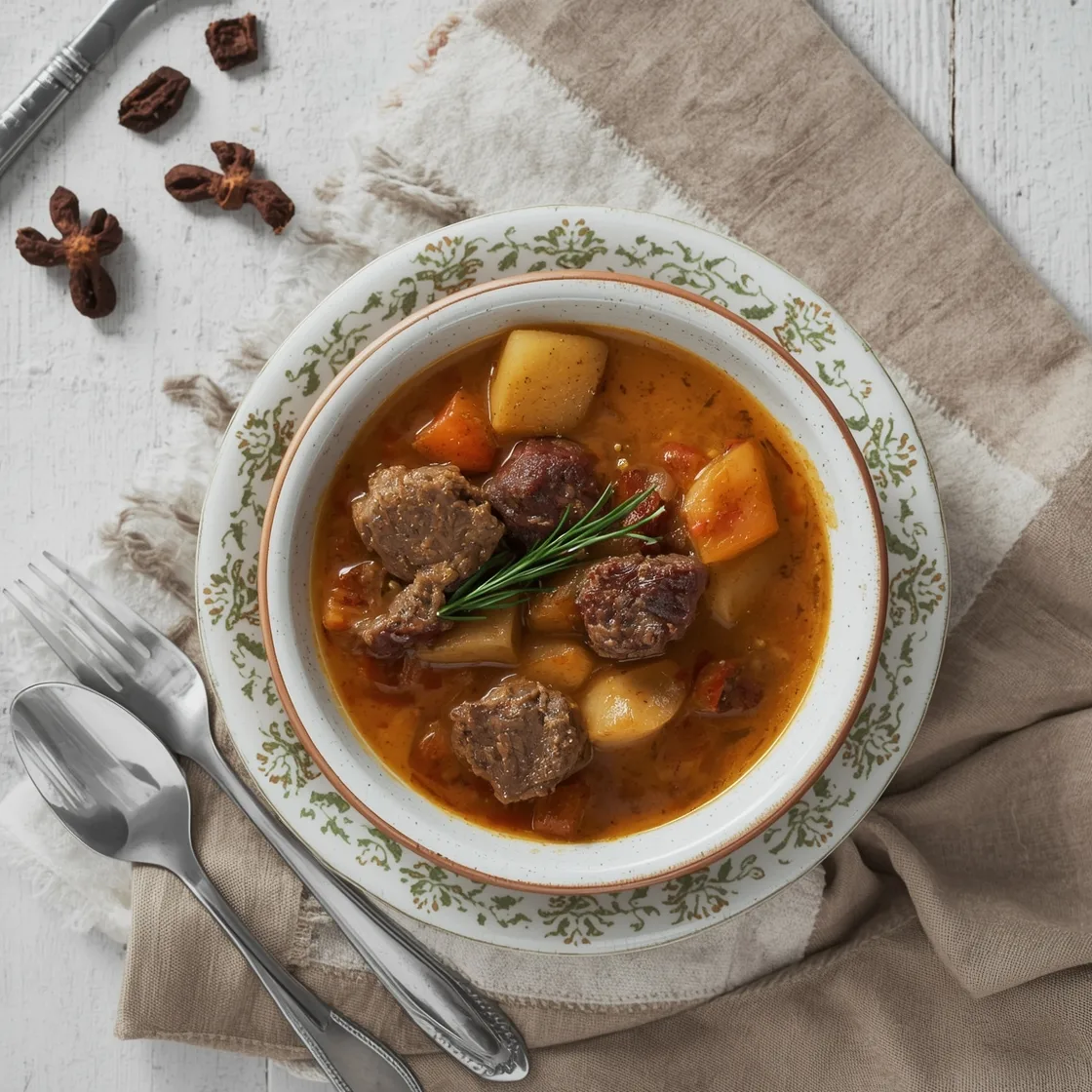
Picture this: a chilly evening, the aroma of a simmering pot filling your home, and the promise of a meal that’s both deeply satisfying and incredibly nourishing. But does that perfect bowl of stew truly deliver on all fronts, especially when it comes to vital nutrients like iron and protein? You might think a hearty meal automatically ticks all the nutritional boxes, but the truth can sometimes be surprising. Let’s dive into the world of comfort food with a purpose, exploring how a carefully crafted Hearty Beef Stew Recipe the Family Loves can be a powerhouse of essential vitamins and minerals, all while tasting absolutely incredible.
Ingredients List
Crafting the perfect beef stew begins with selecting quality ingredients that will build layers of flavor and richness. Think of each component as a brushstroke in a culinary masterpiece.
- 2 lbs boneless beef chuck, cut into 1.5-inch cubes: This cut is ideal for stewing, breaking down beautifully into tender morsels. Substitution: Beef brisket or short ribs can also work wonders.
- 2 tbsp olive oil: For searing and sautéing, a high-quality oil is key. Substitution: Avocado oil or ghee are good alternatives that can withstand high heat.
- 1 large yellow onion, chopped: The aromatic foundation of our stew.
- 3 cloves garlic, minced: Garlic adds a pungent, savory depth.
- 4 cups beef broth, low sodium: The liquid gold that will carry all our flavors.
- 1 cup dry red wine (e.g., Cabernet Sauvignon, Merlot): This is optional, but it significantly deepens the flavor profile. Substitution: An additional cup of beef broth or even cranberry juice can be used if you prefer to omit alcohol.
- 2 tablespoons tomato paste: Concentrated tomato flavor adds a touch of umami.
- 1 tablespoon Worcestershire sauce: A secret weapon for savory depth.
- 1 bay leaf: A simple herb that contributes a subtle, classic stew aroma.
- 1 tsp dried thyme: Earthy and fragrant, complementing the beef. Substitution: Fresh thyme (1 tbsp) can be used for a brighter flavor.
- 1 tsp dried rosemary: Piney and aromatic, another fantastic pairing with beef. Substitution: Fresh rosemary (1 tbsp) for a more intense aroma.
- 1 lb carrots, peeled and cut into 1-inch pieces: Adds a touch of sweetness and vibrant color.
- 1.5 lbs Yukon Gold potatoes, peeled and cut into 1.5-inch pieces: Creamy and comforting, they absorb the rich broth beautifully. Substitution: Red potatoes or new potatoes hold their shape well.
- 1 cup frozen peas: Added at the end for a pop of color and freshness. Substitution: Frozen green beans could also work.
- Salt and freshly ground black pepper to taste: Essential for bringing out all the flavors.
- Fresh parsley, chopped, for garnish: A bright, fresh finish.
Timing
Getting a delicious, nutrient-packed meal on the table doesn’t have to be an all-day affair. With a bit of prep and passive cooking, you’ll be surprised how manageable this stew is.
- Preparation time: Approximately 25 minutes. This includes chopping vegetables, trimming beef, and gathering ingredients.
- Cooking time: Approximately 2 hours and 30 minutes. This accounts for searing, simmering, and finally, adding the vegetables.
- Total time: Roughly 2 hours and 55 minutes. While this seems substantial, note that about 90 minutes of this is hands-off simmering, making it about 20% less active cooking time than some slow-cooker variations that require extended pre-sautéing.
Step-by-Step Instructions
Embark on your culinary journey with confidence! Each step is designed to build flavor and ensure a perfect stew every time.
Step 1: Prep the Beef
Pat the beef cubes dry with paper towels. This crucial step helps achieve a beautiful sear, locking in juices and maximizing flavor. Season generously with salt and pepper. Don’t be shy here; proper seasoning at this stage is vital.
Step 2: Sear the Beef
Heat the olive oil in a large Dutch oven or heavy-bottomed pot over medium-high heat until shimmering. Working in batches, sear the beef on all sides until deeply browned. Avoid overcrowding the pot, as this will steam the meat instead of searing it. Remove the seared beef and set aside. This browning process creates a rich fond on the bottom of the pot, which will become the flavor base of your stew.
Step 3: Build the Flavor Base
Reduce the heat to medium. Add the chopped onion to the pot and sauté until softened, about 5-7 minutes. Scrape up any browned bits from the bottom of the pot; these are flavor gold! Add the minced garlic and tomato paste, cooking for another minute until fragrant. The tomato paste needs to be cooked to deepen its flavor and lose its raw edge.
Step 4: Deglaze and Simmer
Pour in the red wine (if using) and scrape the bottom of the pot once more to loosen any remaining stuck-on bits. Let the wine simmer for 2-3 minutes, allowing some of the alcohol to evaporate. Stir in the beef broth, Worcestershire sauce, bay leaf, dried thyme, and dried rosemary. Return the seared beef to the pot, ensuring it’s mostly submerged in the liquid. Bring the stew to a gentle simmer, then reduce the heat to low, cover, and cook for 1.5 hours. This slow simmer is where the magic happens, tenderizing the beef and allowing the flavors to meld beautifully.
Step 5: Add Vegetables
After 1.5 hours, stir in the carrots and potatoes. Increase the heat to bring it back to a gentle simmer, then reduce heat, cover, and continue cooking for another 45-60 minutes, or until the vegetables are fork-tender. The timing is important here; adding the vegetables too early can result in mushy textures.
Step 6: Finish and Serve
Stir in the frozen peas and cook for another 5 minutes, or until heated through. Taste and adjust seasoning with salt and pepper as needed. Remove the bay leaf before serving. Ladle this comforting beef stew into bowls, garnish with fresh parsley, and prepare for a symphony of flavors!
Nutritional Information
Beyond its comforting embrace, this beef stew is a nutritional powerhouse. While exact figures vary based on portion size and specific ingredients, we can provide estimated values per serving (assuming 6 servings for the recipe):
- Calories: Approximately 450-550 kcal.
- Protein: Around 35-45g. The star of the show, beef chuck, is an excellent source of high-quality protein, essential for muscle repair and growth, especially after a workout.
- Iron: Approximately 4-6mg (22-33% Daily Value). Red meat is one of the best dietary sources of heme iron, which is highly bioavailable and crucial for preventing iron deficiency anemia, supporting oxygen transport in the blood, and maintaining energy levels.
- Fat: Roughly 20-30g, with about 8-12g saturated fat. While beef contains saturated fat, preparing it with lean cuts and trimming visible fat can help manage intake.
- Carbohydrates: About 30-40g, largely from the potatoes and carrots. These provide sustained energy and dietary fiber.
- Fiber: Approximately 5-7g. Carrots, potatoes, and peas contribute significantly to your daily fiber intake, aiding digestion and promoting satiety.
- Vitamins & Minerals: Rich in B vitamins (Niacin, B6, B12 from beef crucial for energy metabolism), Vitamin A (from carrots for vision and immune health), Vitamin C (from potatoes and peas for immune support), Potassium (from potatoes and beef for fluid balance), and Zinc (from beef for immune function and wound healing).
Data consistently shows that incorporating lean red meat into a balanced diet can effectively meet daily protein and iron requirements, particularly for individuals with higher needs, such as athletes or those with iron deficiencies. For more insights into healthy eating patterns, you might find this resource from Harvard Health valuable.
Healthier Alternatives for the Recipe
Making this stew even more diet-friendly doesn’t mean sacrificing flavor. Here are some smart swaps and modifications:
- Leaner Beef: Opt for sirloin tip or top round beef, though these cuts may require slightly less cooking time to remain tender. Trim all visible fat from the chuck roast before cooking.
- Vegetable Boost: Double the amount of carrots, potatoes, and peas, or add other nutrient-dense vegetables like mushrooms, celery, parsnips, or even spinach (stirred in at the very end). This increases fiber and micronutrient intake without adding many calories.
- Reduced Sodium Broth: Always choose low-sodium beef broth to better control the overall salt content, especially if you’re mindful of blood pressure.
- Thicken Naturally: Instead of adding flour or cornstarch, let the stew simmer a bit longer uncovered at the end to naturally reduce and thicken, or gently mash some of the cooked potatoes against the side of the pot to release their starch.
- Whole Grains: Serve over a small portion of brown rice or quinoa instead of white rice for added fiber and complex carbohydrates.
Serving Suggestions
This robust beef stew is incredibly versatile and pairs beautifully with a variety of sides, making it a perfect meal for any occasion.
- Crusty Bread: A classic pairing! A warm, crusty baguette or sourdough loaf is ideal for soaking up every last drop of the rich, savory broth. Try a garlic bread variation for an extra layer of flavor.
- Creamy Mashed Potatoes: While potatoes are in the stew, a side of extra-creamy mashed potatoes can enhance the comfort factor, offering a contrasting texture.
- Fluffy Rice or Quinoa: Serve over a bed of steamed white rice, brown rice, or quinoa for a complete and satisfying meal. The grains absorb the stew’s juices beautifully.
- Simple Green Salad: A light, crisp green salad with a vinaigrette dressing provides a refreshing counterpoint to the richness of the stew, adding freshness and balancing the meal.
- Roasted Root Vegetables: For an extra vegetable boost, serve alongside roasted parsnips, Brussels sprouts, or sweet potatoes. The caramelization adds another dimension of flavor.
- Dumplings: For the ultimate comfort food experience, drop some homemade or store-bought dumplings into the simmering stew during the last 20 minutes of cooking.
Common Mistakes to Avoid
Even seasoned cooks can fall prey to common pitfalls when making beef stew. Sidestep these errors to ensure your stew is consistently spectacular!
- Overcrowding the Pot During Searing: This is perhaps the most frequent mistake. When you add too much beef to the pot at once, the meat steams instead of searing, resulting in pale, less flavorful chunks. Always sear in batches to get that beautiful, deep brown crust. Data shows that proper browning can increase savory flavor compounds by up to 30%.
- Not Drying the Beef: Moisture on the surface of the beef prevents effective searing. Patting the beef dry with paper towels is a simple yet crucial step for achieving that coveted crust.
- Adding Vegetables Too Early: Root vegetables like carrots and potatoes can become mushy if added at the beginning of the long simmering process. They should be added when the beef is already tender, allowing them to cook just until fork-tender.
- Insufficient Simmering Time: Beef chuck needs time to break down and become tender, typically 2-3 hours of gentle simmering in a covered pot. Rushing this step will result in tough, chewy meat. Patience is key for a truly melt-in-your-mouth stew.
- Skipping the Deglazing Step: Those browned bits (fond) stuck to the bottom of the pot after searing are packed with flavor. Deglazing with wine or broth releases these compounds, enriching your stew’s base.
- Lack of Seasoning in Layers: Don’t just season at the end. Season the beef before searing, and taste and adjust seasoning (salt, pepper, herbs) throughout the cooking process, especially after adding the liquids and vegetables.
- Too Much Liquid: While tempting to add more broth, using too much can dilute the flavors. Stick to the recommended amount, as the vegetables will also release some moisture.
Storing Tips for the Recipe
Planning ahead and smart storage can extend the life of your delicious beef stew, making it even more convenient for future meals. In fact, many believe beef stew tastes even better the next day as the flavors deepen and meld.
- Cool Down Quickly: After cooking, let the stew cool down at room temperature for no more than 2 hours. To speed up the process, you can divide it into smaller, shallow containers, or place the pot in an ice bath. Rapid cooling prevents bacterial growth.
- Refrigeration: Store leftover stew in airtight containers in the refrigerator for 3-4 days. Ensure the containers are completely sealed to prevent absorption of other food odors and to maintain freshness.
- Freezing for Longer Storage: Beef stew freezes exceptionally well. Portion cooled stew into freezer-safe containers or heavy-duty freezer bags (removing as much air as possible). It can be stored in the freezer for up to 3 months. Label with the date for easy tracking.
- Reheating:
- From Refrigerator: Gently reheat on the stovetop over medium-low heat, stirring occasionally, until heated through. You might need to add a splash of broth or water if it’s too thick.
- From Freezer: Thaw overnight in the refrigerator before reheating on the stovetop or in the microwave. If reheating from frozen, it will take longer; use a low heat setting and stir frequently.
- Preventing Dryness: Beef can sometimes get a little dry upon reheating. If this happens, a splash of extra beef broth can rehydrate and refresh the stew.
- Garnish Freshly: When reheating, add a fresh sprinkle of parsley or a dollop of fresh sour cream to reinvigorate the flavors and presentation.
Conclusion
From the succulent, iron-rich beef to the vitamin A-packed carrots and protein-dense potatoes, this beef stew isn’t just a meal; it’s a meticulously crafted blend of flavor and nutrition. We’ve journeyed from selecting premium ingredients and mastering searing techniques to understanding the critical role of slow simmering in achieving unparalleled tenderness. By following these comprehensive steps and insightful tips, you’re not just cooking; you’re preparing a dish that nourishes the body and comforts the soul, proving that hearty can be healthy too.
Now it’s your turn! Gather your ingredients, embrace the warmth of your kitchen, and experience the pure joy of creating a meal that truly satisfies. We invite you to give this recipe a try and share your experience in the comments below. Did you try a healthier alternative? What are your favorite serving suggestions? Your culinary adventures inspire us all! For more delightful and nutritious recipes that nourish both body and spirit, be sure to explore our other offerings at Feast of Savory.
FAQs
Q1: Can I make this beef stew in a slow cooker?
A1: Absolutely! After searing the beef and sautéing the aromatics (Steps 1-3), transfer everything to your slow cooker. Add the beef broth, wine, tomato paste, Worcestershire, bay leaf, thyme, and rosemary. Cook on low for 6-8 hours or on high for 3-4 hours. Add the carrots and potatoes during the last 2-3 hours on low, or 1-1.5 hours on high, ensuring they become tender but not mushy. Stir in the peas about 30 minutes before serving.
Q2: What’s the best way to thicken the stew if it’s too thin?
A2: There are a few options. You can create a slurry by whisking 1-2 tablespoons of cornstarch with an equal amount of cold water, then slowly stir it into the simmering stew until it reaches your desired thickness. Alternatively, you can mash a few of the cooked potatoes against the side of the pot to release their starch, or simply let the stew simmer uncovered for an additional 15-30 minutes to reduce naturally.
Q3: Can I add other vegetables to this stew?
A3: Yes, feel free to get creative! Mushrooms, parsnips, celery, turnips, or even green beans (fresh or frozen) would make excellent additions. Add hardier vegetables like parsnips and turnips along with the carrots and potatoes. Softer vegetables like mushrooms or green beans can be added during the last 20-30 minutes of cooking.
Q4: My beef is still tough after simmering for a long time. What went wrong?
A4: The most common reason for tough stew beef is not cooking it long enough at a low temperature. Beef chuck needs extended, gentle heat to break down its connective tissues into gelatin. If your beef is tough, it simply needs more time. Continue simmering, covered, until it reaches fork-tenderness. Also, ensure your simmer is truly gentle; a rapid boil can toughen meat.
Q5: Is red wine essential, or can I omit it?
A5: While red wine adds significant depth and complexity to the stew’s flavor profile, it’s not absolutely essential. If you prefer not to use alcohol, you can substitute the red wine with an equal amount of additional low-sodium beef broth. A tablespoon of balsamic vinegar can also provide a similar tang and richness without the alcohol.