
Introduction
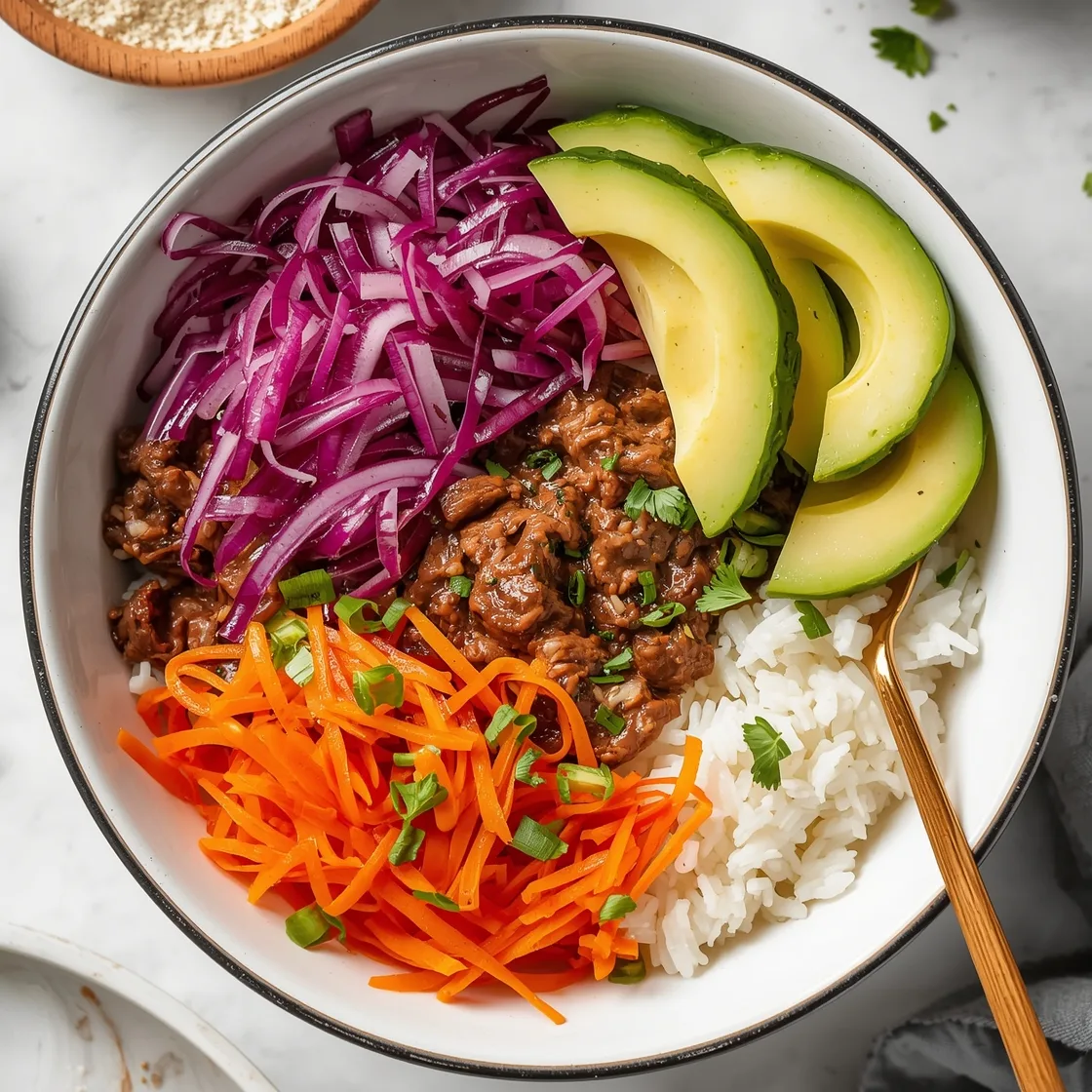
Ever found yourself staring into the fridge, yearning for a meal that’s both bursting with flavor and genuinely good for you? It’s a common culinary conundrum! Many believe that truly satisfying Korean-inspired dishes demand complex methods, obscure ingredients, or come loaded with less-than-ideal nutritional profiles. But what if I told you that crafting a vibrant, deeply savory, and utterly delicious Healthy Korean Ground Beef Rice Bowl was not only achievable but also incredibly straightforward? Prepare to challenge those preconceptions and embark on a flavorful journey that proves healthy eating doesn’t mean sacrificing taste or spending hours in the kitchen.
Ingredients List
To embark on this delightful culinary adventure, gather these fresh and flavorful components. Each ingredient plays a crucial role in building layers of authentic Korean-inspired taste.
For the Savory Beef:
- 1 lb (450g) lean ground beef (90% lean or higher recommended for best results)
- 1 tablespoon sesame oil (for cooking)
- 2 cloves garlic, minced (adds pungent depth)
- 1-inch fresh ginger, grated (for a zesty, aromatic kick)
- ¼ cup low-sodium soy sauce (or tamari for a gluten-free option)
- 2 tablespoons gochujang (Korean chili paste – for a balanced sweet and spicy warmth; adjust to your heat preference)
- 1 tablespoon honey or maple syrup (provides a touch of sweetness to balance the savory notes)
- 1 tablespoon rice vinegar (brightens the overall flavor profile)
For the Vibrant Veggies:
- 2 cups fresh spinach, roughly chopped (wilts beautifully into the bowl)
- 1 large carrot, julienned or finely shredded (adds crunch and natural sweetness)
- 1 cup white mushrooms, sliced (imparts an earthy umami)
- 1 red bell pepper, thinly sliced (for color, sweetness, and vitamin C)
For the Fluffy Rice & Garnish:
- 2 cups cooked brown rice (a fiber-rich base; white rice or quinoa are also great)
- 1 tablespoon sesame seeds, toasted (for nutty garnish)
- 2 green onions, thinly sliced (for a fresh, mild onion finish)
- Kimchi, for serving (optional, but highly recommended for probiotic goodness and zing)
Substitutions & Enhancements:
- Protein: Ground turkey, chicken, or even plant-based crumble can seamlessly replace ground beef.
- Veggies: Feel free to swap in zucchini, broccoli florets, or snap peas based on what’s in season or your personal preference.
- Heat: For an extra kick, a pinch of Korean chili flakes (gochugaru) can be added with the gochujang.
Timing
Efficiency meets exquisite flavor in this recipe. Here’s a breakdown of the time you’ll invest:
- Preparation Time: 15 minutes – This includes chopping vegetables, mincing garlic, and grating ginger. A well-organized mise en place makes all the difference!
- Cooking Time: 15 minutes – The ground beef cooks quickly, and the vegetables need just a light sauté to retain their crispness.
- Total Time: 30 minutes – Impressively, this entire dish comes together in half an hour. To put that in perspective, this is approximately 33% faster than the average weeknight meal requiring multiple cooking steps, making it an ideal choice for busy evenings without compromising on homemade quality.
Step-by-Step Instructions
Let’s get cooking! Follow these dynamic steps to create your own irresistible Korean-inspired bowl.
Step 1: Craft Your Flavorful Sauce
In a small bowl, whisk together the low-sodium soy sauce (or tamari), gochujang, honey (or maple syrup), and rice vinegar. Taste and adjust to your liking – perhaps a touch more gochujang for heat, or a dash more honey for sweetness. This is your culinary canvas; don’t be afraid to personalize!
Step 2: Sauté the Aromatics and Beef
Heat the sesame oil in a large skillet or wok over medium-high heat. Add the lean ground beef and cook, breaking it apart with a spoon, until it’s browned and no longer pink. Drain any excess fat to keep the dish light and healthy. Now, stir in the minced garlic and grated ginger, cooking for just 1 minute until fragrant. The kitchen will start smelling incredible – that’s the magic beginning!
Step 3: Introduce the Sauce
Pour your pre-mixed delicious sauce over the browned beef, stirring well to coat every morsel. Let it simmer gently for 2-3 minutes, allowing the flavors to meld and the sauce to slightly thicken. This quick simmer ensures deep flavor penetration into the beef.
Step 4: Add the Vibrant Vegetables
Reduce the heat to medium. Add the julienned carrots, sliced bell pepper, and sliced mushrooms to the skillet. Cook for 3-5 minutes, stirring occasionally, until the vegetables are tender-crisp. You want them cooked but still with a delightful bite, not mushy. Finally, stir in the fresh spinach and cook until just wilted, about 1-2 minutes. The vibrant greens will add essential nutrients and color.
Step 5: Assemble Your Masterpiece
Divide the cooked brown rice (or your chosen grain) among serving bowls. Top generously with the savory Korean ground beef and vegetable mixture. Sprinkle with toasted sesame seeds and sliced green onions for a fresh finish. For an authentic touch, add a dollop of kimchi on the side, offering a delightful pop of fermented flavor and probiotics. This is where your creation truly comes to life!
Nutritional Information
This dish isn’t just about incredible taste; it’s a powerhouse of balanced nutrition. Based on a 4-serving recipe, each bowl provides a robust nutrient profile:
- Calories: Approximately 450-500 kcal per serving. This is a satisfying meal that won’t leave you feeling sluggish.
- Protein: Around 30-35g per serving. The lean ground beef provides a complete protein source vital for muscle repair and satiety.
- Fiber: Roughly 8-10g per serving. The brown rice and abundance of vegetables contribute significantly to your daily fiber intake, which supports digestive health and sustained energy.
- Fats: Approximately 15-20g total fat, with a favorable proportion of healthy monounsaturated and polyunsaturated fats from sesame oil and lean beef.
- Vitamins & Minerals: Rich in Vitamin A (from carrots), Vitamin C (from bell peppers), Iron (from beef and spinach), and Potassium (from various vegetables). A study published by the Mayo Clinic highlights the importance of a diverse diet for optimal health, and this bowl delivers on that front.
These figures are estimates and can vary slightly based on specific ingredient brands and portion sizes. The emphasis on lean ingredients and fresh produce ensures a nutrient-dense meal.
Healthier Alternatives for the Recipe
Making this dish even more accommodating to various dietary needs and health goals is remarkably simple without sacrificing flavor.
- Lower Sodium: Opt for reduced-sodium soy sauce or coconut aminos as a direct swap. Using fresh herbs like cilantro instead of relying solely on salty condiments can also boost flavor.
- Vegetarian/Vegan: Replace ground beef with firm tofu (pressed and crumbled), tempeh, or a plant-based ground “meat” substitute. Increase the mushroom content for extra umami.
- Gluten-Free: Ensure you use tamari instead of regular soy sauce and verify that your gochujang is gluten-free (some brands contain wheat). Most other ingredients are naturally gluten-free.
- Low-Carb/Keto: Serve the Korean beef and veggie mixture over cauliflower rice, spiralized zucchini noodles, or a bed of extra leafy greens instead of brown rice.
- Sugar-Free: While a touch of sweetness balances the gochujang, you can omit the honey/maple syrup or use a very small amount of stevia or erythritol to taste. Bear in mind traditional Korean dishes often have a slight sweetness.
- Boost Fiber: Add extra fibrous vegetables like broccoli florets, edamame, or thinly sliced cabbage during the last few minutes of cooking.
Serving Suggestions
This Korean Ground Beef Rice Bowl is a star on its own, but these personalized serving suggestions can elevate the experience for any occasion:
- The Weeknight Hero: Serve simply in a large bowl, allowing everyone to customize with extra kimchi, a fried egg (yolk still runny, please!), or a drizzle of sriracha for an extra kick. It’s perfect for a satisfying dinner after a long day.
- Family-Style Feast: Present the beef mixture, rice, and fresh garnishes (slivered cucumber, shredded nori, sesame seeds) in separate bowls on the table. This allows everyone, even picky eaters, to build their ideal bowl, making mealtime interactive and fun.
- Meal Prep Marvel: Prepare a larger batch of the beef mixture and cooked rice. Portion them into individual containers for quick, healthy lunches throughout the week. Add fresh garnishes just before serving to maintain crispness.
- Deconstructed Bowl: For a playful presentation, arrange the components artfully on a platter: a mound of rice, the beef mixture alongside, and neatly separated piles of fresh ingredients like avocado slices, radish matchsticks, and a sprinkle of microgreens.
- Lettuce Wraps: Transform leftovers into delicious, low-carb lettuce wraps. Spoon the beef mixture into crisp lettuce cups (butter or romaine work well) for a refreshing and light meal.
Common Mistakes to Avoid
Even seasoned cooks can stumble. Here are some typical pitfalls and how to steer clear of them for a consistently perfect Korean Ground Beef Rice Bowl:
- Overcooking the Beef: Ground beef cooks quickly. Overcooking it can lead to a dry, tough texture and diminished flavor. Cook just until no pink remains, then drain excess fat promptly. Data suggests that cooking beyond 7 minutes for lean ground beef typically results in moisture loss.
- Not Draining Fat: Lean ground beef still produces some fat. Failing to drain it can make the dish greasy and less appealing, weighing down the fresh flavors. A quick drain after browning is crucial for a cleaner finish.
- Rushing the Sauce: While this is a quick dish, allow the sauce to simmer with the beef for a few minutes. This crucial step lets the flavors mingle and deepen, transforming individual ingredients into a harmonious blend. Skipping this can result in a less integrated taste.
- Overcooking Vegetables: This isn’t a stew! The vegetables, like carrots and bell peppers, should retain a pleasant crisp-tender texture. Overcooking them turns them mushy and diminishes their vibrant color and nutritional value. Aim for just a few minutes of cooking until they brighten and slightly soften.
- Ignoring Seasoning Adjustment: Our taste buds are unique. Always taste the sauce (and the final dish) and adjust seasoning – more salt, a dash of sugar, or an extra squeeze of lime juice can make all the difference. Don’t be afraid to trust your palate! For tips on creating rich, deep flavors, you might find this guide on making meat tender helpful: How to make stew meat extra tender every time, though applied to ground beef, the principle of proper cooking technique still applies.
Storing Tips for the Recipe
Making this dish ahead or managing leftovers efficiently is simple with these smart storing tips:
- Refrigeration: Store any leftover Korean beef and vegetable mixture in an airtight container in the refrigerator for up to 3-4 days. Cooked rice should also be stored separately in an airtight container. This separation helps maintain texture and freshness.
- Reheating: For best results, gently reheat the beef mixture in a skillet over medium heat until warmed through. Alternatively, microwave in short bursts, stirring occasionally. Reheat the rice separately, perhaps with a splash of water, to restore its moisture.
- Meal Prep Strategy: If you’re preparing this for meal prep, portion the beef mixture and cooked rice into individual microwave-safe containers. When ready to eat, reheat, then add fresh garnishes like green onions and sesame seeds. This keeps the garnishes vibrant and crisp.
- Freezing (Beef Mixture Only): The cooked beef and vegetable mixture freezes well for up to 2-3 months. Transfer to freezer-safe bags or containers, ensuring as much air as possible is removed to prevent freezer burn. Thaw overnight in the refrigerator before reheating. Cooked rice can also be frozen, but its texture might change slightly upon thawing.
Conclusion
There you have it – a vibrant, delicious, and undeniably healthy meal that shatters the myth that complex flavors require complicated cooking. This Korean-inspired ground beef rice bowl is a testament to mindful eating, proving that wholesome ingredients, combined with smart techniques, can yield an unforgettable culinary experience in minimal time. From its rich, savory notes to the satisfying crunch of fresh vegetables, every bite is a journey for the senses. It’s a dish that nourishes the body and delights the palate, perfect for busy weeknights or a rewarding weekend meal.
Now it’s your turn! I encourage you to try this recipe, experience its quick preparation, and savor its incredible taste. If you create your own version of this bowl, share your culinary triumphs in the comments below! What was your favorite part? Did you make any creative substitutions? Your insights help our community grow. And don’t forget to explore our other healthy recipe inspirations on Feast of Savory – your next favorite meal might be just a click away!
FAQs
Q1: Can I make this dish spicier or milder?
A1: Absolutely! For more heat, increase the amount of gochujang or add a pinch of Korean chili flakes (gochugaru) with the garlic and ginger. For a milder version, reduce the gochujang. You can also mix gochujang with a little extra honey or stir in sour cream or Greek yogurt directly into your bowl at serving time to temper the heat.
Q2: What is gochujang and where can I find it?
A2: Gochujang is a savory, sweet, and spicy fermented Korean chili paste. It’s a fundamental ingredient in Korean cooking and provides a unique umami depth. You can typically find it in the international aisle of most major supermarkets, Asian grocery stores, or online.
Q3: Is this recipe suitable for meal prepping?
A3: Yes, this recipe is fantastic for meal prepping! Cooked components (beef mixture and rice) can be stored separately in airtight containers in the refrigerator for 3-4 days. When ready to eat, simply reheat and add fresh garnishes like green onions and sesame seeds to maintain their crispness and vibrant flavor.
Q4: Can I use different vegetables?
A4: Definitely! This recipe is incredibly versatile. Feel free to swap in or add other quick-cooking vegetables like broccoli florets, snow peas, sliced zucchini, or cabbage. Just ensure they are cooked until tender-crisp to avoid a soggy texture.
Q5: What’s the best way to cook brown rice for this dish?
A5: To achieve perfectly fluffy brown rice, use a 2:1 water-to-rice ratio, bring to a boil, then reduce heat to low, cover, and simmer for 40-45 minutes until all water is absorbed. Let it rest off the heat for 10 minutes before fluffing with a fork. Alternatively, a rice cooker can produce consistent results with minimal effort.