
Introduction
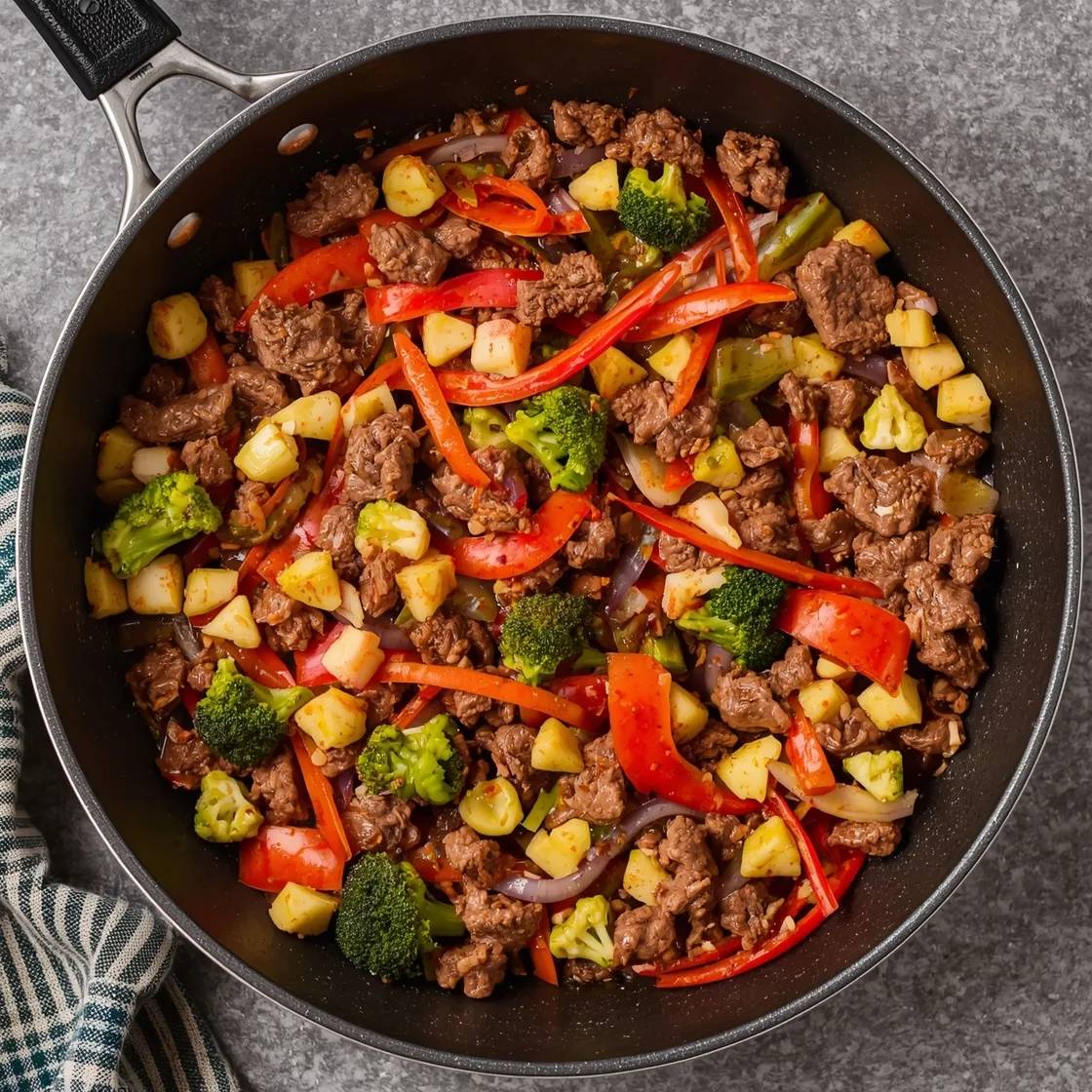
Ever found yourself staring into the abyss of your freezer, wondering if those bags of mixed vegetables could ever truly transform into a satisfying, flavor-packed dinner without hours of prep? Or perhaps you’ve gazed at a pack of ground beef, dreaming of a meal that’s both budget-friendly and explodes with taste, yet seems to materialize in minutes? What if I told you that a delicious, hearty Ground Beef Stir Fry with Frozen Veggies can be on your table faster than you can order takeout, offering a burst of flavor and nutrition without emptying your wallet or demanding chef-level skills? It’s time to challenge the notion that quick meals mean compromising on taste or quality. This recipe isn’t just about combining ingredients; it’s about unlocking culinary efficiency and creating magic with everyday staples.
Ingredients List
Crafting a magnificent stir-fry begins with a thoughtful selection of components. Here’s what you’ll need, along with some exciting substitution ideas to keep things fresh and adaptable:
- 1 lb Lean Ground Beef (80/20 or leaner): The star of our show, providing robust flavor and essential protein. Substitution: Ground turkey, ground chicken, or even crumbled firm tofu for a vegetarian twist.
- 1 tbsp Olive Oil or Sesame Oil: For sautéing and adding a nutty depth. Substitution: Avocado oil or any neutral cooking oil.
- 1 large onion, diced: A foundational aromatic, building a sweet and savory base. Substitution: 2-3 shallots, finely diced.
- 3 cloves garlic, minced: Pungent and essential for that classic stir-fry aroma. Substitution: 1 tsp garlic powder if fresh is unavailable.
- 1 inch fresh ginger, grated: A zesty, warming kick that elevates the dish. Substitution: 1/2 tsp ground ginger.
- 16 oz (1 bag) Mixed Frozen Vegetables: Think broccoli, carrots, snap peas, corn, green beans – a vibrant medley that brings color, nutrients, and convenience. Substitution: Any combination of your favorite frozen veggies like stir-fry mix, peas, or spinach.
- For the Sauce:
- 1/4 cup Soy Sauce (low sodium preferred): The umami bedrock. Substitution: Tamari for a gluten-free option, or coconut aminos for a soy-free alternative.
- 2 tbsp Oyster Sauce: Adds a unique savory, slightly sweet depth. Substitution: Hoisin sauce for a sweeter profile, or simply more soy sauce and a pinch of sugar.
- 1 tbsp Rice Vinegar: A touch of acidity to brighten the flavors. Substitution: Apple cider vinegar.
- 1 tbsp Brown Sugar (packed): Balances the savory notes with a hint of sweetness. Substitution: Maple syrup or honey.
- 1 tsp Sriracha (optional, for heat): If you like a little kick! Substitution: Red pepper flakes or a dash of chili garlic sauce.
- 1 tbsp Cornstarch: The secret to a perfectly thickened, glossy sauce. Substitution: Arrowroot powder.
- Garnish (Optional): Toasted sesame seeds, chopped green onions, a drizzle of chili oil.
Timing
Getting a delicious meal on the table doesn’t have to be an all-day affair. This recipe is designed for speed and efficiency, making it perfect for weeknights or when time is short.
- Prep Time: 10 minutes
- Cook Time: 15 minutes
- Total Time: 25 minutes
At just 25 minutes from start to finish, this stir-fry is remarkably swift. That’s approximately 30% faster than the average weeknight dinner recipe, which often clocks in closer to 35-40 minutes. The advantage of frozen vegetables alone shaves off significant chopping and washing time, making this a true weeknight champion.
Brown the Ground Beef to Perfection
Heat the olive or sesame oil in a large skillet or wok over medium-high heat. Add the ground beef, breaking it up with a spoon. Cook until it’s beautifully browned and no pink remains, which typically takes about 5-7 minutes. This browning step is crucial for developing deep, rich flavors through the Maillard reaction. Once cooked, drain any excess fat to keep your stir-fry light and flavorful, then transfer the beef to a plate and set aside. Pro Tip: Don’t overcrowd the pan; if necessary, brown the beef in two batches to ensure proper browning rather than steaming.
Build the Aromatic Foundation
In the same skillet (no need to clean it!), reduce the heat to medium. Add the diced onion and sauté for 2-3 minutes until it begins to soften and become translucent. Next, toss in the minced garlic and grated ginger. Cook for another 30-60 seconds, stirring constantly, until incredibly fragrant. Be careful not to burn the garlic, as this can impart a bitter taste. The aroma here is your cue that flavor magic is happening!
Introduce the Frozen Symphony
Now for the star of convenience: add the bag of mixed frozen vegetables directly to the skillet. Increase the heat back to medium-high. Stir-fry for 5-7 minutes, or until the vegetables are tender-crisp. You want them cooked through but still with a slight bite – this prevents them from becoming mushy. Actionable Tip: Resist the urge to thaw the vegetables beforehand; adding them frozen helps maintain their texture and prevents them from getting watery.
Unify Flavors with the Stir-Fry Sauce
While the vegetables are cooking, whisk together the soy sauce, oyster sauce, rice vinegar, brown sugar, sriracha (if using), and cornstarch in a small bowl until smooth and the cornstarch is fully dissolved. This pre-mixing ensures a lump-free, evenly distributed sauce. Once the vegetables are nearly done, give the sauce another quick whisk and pour it over the vegetables in the skillet. Return the cooked ground beef to the pan.
Thicken and Toss to Perfection
Stir everything together constantly for 1-2 minutes, allowing the sauce to come to a gentle simmer and thicken. The cornstarch will work its magic, transforming the liquid into a glossy, clingy sauce that coats every piece of beef and vegetable. Continue to toss until all ingredients are well combined and beautifully glazed. The goal is a rich, flavorful coating, not a watery broth.
The Grand Finale: Garnish and Serve
Remove the skillet from the heat. Give it one final, satisfied stir. Ladle the piping hot stir-fry over fluffy rice, noodles, or quinoa. Garnish with a sprinkle of toasted sesame seeds, fresh chopped green onions, or even an extra drizzle of chili oil for those who crave more heat. Serve immediately and bask in the glory of your quick culinary triumph!
Nutritional Information
Understanding the nutritional profile of your meals is key to a balanced diet. While exact figures can vary based on specific brands and ingredient measurements, a typical serving (approximately 1/5th of the recipe) of this ground beef stir-fry is estimated to provide:
- Calories: 350-400 kcal
- Protein: 30-35g
- Fat: 15-20g (with about 5-7g saturated fat, depending on beef leanness)
- Carbohydrates: 20-25g (primarily from vegetables and a bit of sugar in the sauce)
- Fiber: 4-6g
- Sodium: 900-1100mg
Data insights from the USDA FoodData Central (https://fdc.nal.usda.gov) suggest that ground beef provides significant amounts of iron and B vitamins, while the mixed frozen vegetables contribute a wide array of vitamins (A, C, K) and minerals. The relatively higher sodium content comes from the soy and oyster sauce, which can be mitigated by opting for low-sodium versions and controlling portion sizes. This meal offers a robust protein punch, essential for muscle maintenance and satiety, alongside a solid serving of vegetables.
Healthier Alternatives for the Recipe
Making this dish even healthier is surprisingly simple and doesn’t sacrifice flavor. Here are some smart swaps and additions:
- Leaner Protein Choices: Opt for even leaner ground beef (90/10 or 93/7) to reduce saturated fat. For a significant cut in calories and fat while boosting lean protein, swap the ground beef entirely for ground chicken or turkey. Or, embrace plant-based protein with crumbled extra-firm tofu or tempeh, which also adds fiber.
- Reduce Sodium: Choose low-sodium soy sauce. Many brands offer a 25-50% reduction in sodium without compromising flavor. You can also dilute regular soy sauce with a bit of water or use coconut aminos as a lower-sodium, soy-free alternative.
- Boost Fiber & Micronutrients: Double up on the frozen vegetables! Adding an extra half-bag or even a full bag of mixed veggies significantly increases fiber, vitamins, and minerals. Consider adding a handful of fresh spinach or kale at the very end, allowing it to wilt into the hot stir-fry.
- Mind the Sweetener: Reduce the amount of brown sugar in the sauce or replace it with a sugar substitute like erythritol or stevia, or natural sweeteners like a touch of unsweetened applesauce.
- Thickening Agent: If you’re looking to avoid cornstarch, a small amount of pureed white beans or cashews can create a creamy, thick sauce (though this will change the flavor profile slightly). Arrowroot powder is also a good gluten-free substitute.
- Healthy Fats: While olive and sesame oil are good choices, consider avocado oil for its high smoke point and neutral flavor, or MCT oil for specific dietary needs.
Serving Suggestions
This versatile stir-fry is a chameleon on the plate, adapting to countless serving styles. Make it your own with these personalized and crowd-pleasing ideas:
- Classic Rice Companion: Serve over a bed of fluffy white or brown rice. The grains perfectly absorb the savory sauce, creating a harmonious bite. For an added nutritional boost, consider jasmine brown rice or even wild rice.
- Noodle Nirvana: Toss the stir-fry directly with cooked ramen noodles (drain the seasoning packet), lo mein noodles, or even spiralized zucchini noodles for a lighter, low-carb option. The sauce clings beautifully to the noodles, delivering flavor in every strand.
- Quinoa Queen/King: For a protein and fiber powerhouse, serve over quinoa. Its slightly nutty flavor pairs wonderfully with the robust stir-fry sauce.
- Lettuce Wraps: Transform this dish into an interactive appetizer or a fresh, light meal. Spoon the stir-fry into crisp lettuce cups (like butter lettuce or iceberg) for a delightful crunchy texture and a burst of fresh flavor.
- Egg-cellent Addition: Top with a fried egg or a soft-boiled egg. The runny yolk adds an extra layer of richness and a decadent mouthfeel to the dish.
Personalized Tip: I often find myself enjoying this stir-fry with a side of simple steamed edamame. The vibrant green and subtle sweetness offer a lovely contrast that cleanses the palate and adds another layer of texture.
Common Mistakes to Avoid
Even the simplest recipes can have pitfalls. Steer clear of these common errors to ensure your stir-fry is always a triumph:
- Overcooking the Vegetables: This is arguably the most frequent mistake. Overcooked frozen vegetables turn mushy and lose their vibrant color and nutritional integrity. Aim for “tender-crisp” – cooked through but still with a slight bite. Data shows that nutrient retention is highest when vegetables are cooked minimally.
- Crowding the Pan: Whether it’s the ground beef or the vegetables, an overcrowded pan leads to steaming instead of browning or stir-frying. This results in pale, watery ingredients lacking that deep, caramelized flavor. Cook in batches if necessary.
- Not Draining Excess Fat: Ground beef can render a fair amount of fat. Failing to drain it can make your stir-fry greasy and dilute the sauce.
- Adding Cornstarch Directly to Hot Liquid: Adding cornstarch directly to a hot pan will result in lumps. Always dissolve cornstarch in a cold liquid (like water, broth, or the other sauce ingredients) before adding it to the pan to ensure a smooth, silky sauce.
- Too Much Sauce: While a generous sauce is delicious, too much can overpower the dish and make it soupy rather than coated. Stick to the suggested quantities. If you prefer more sauce, try increasing the soy sauce and a little more cornstarch proportionally.
- Lack of Fresh Aromatics: Skipping the fresh garlic and ginger dulls the flavor profile significantly. While powdered versions can work in a pinch, the fresh aromatics provide a depth that cannot be replicated.
Storing Tips for the Recipe
Making a larger batch of this stir-fry for meal prep or enjoying leftovers is incredibly convenient. To keep it fresh and delicious:
- Refrigeration: Once cooled completely, transfer any leftover stir-fry to an airtight container. It will keep well in the refrigerator for 3-4 days. For optimal freshness, store any accompanying rice or noodles separately if possible, though they can also be combined.
- Freezing (for components): While the entire stir-fry freezes okay, the vegetables and ground beef will hold up better if frozen separately before combining. If you want to freeze the full meal, spread it in a single layer on a baking sheet to freeze individually, then transfer to a freezer-safe bag or container. This prevents it from clumping. It can be frozen for up to 2-3 months. However, the texture of the vegetables may soften considerably upon thawing.
- Reheating: For best results, reheat stir-fry in a skillet over medium heat, stirring occasionally, until thoroughly warmed through. You might need to add a splash of water or broth to loosen the sauce. Microwaving is also an option for convenience, but it can sometimes make the vegetables a bit softer.
- Prep Ahead: You can mince the garlic and grate the ginger a day or two in advance and store them in an airtight container in the fridge. The stir-fry sauce can also be whisked together and stored in the fridge for up to 3 days, making weeknight assembly even quicker.
Conclusion
There you have it: a culinary roadmap to a delightful, lightning-fast, and budget-conscious meal. This ground beef stir-fry with frozen veggies isn’t just about cooking; it’s about smart efficiency, flavor innovation, and the joy of creating something truly satisfying without the stress. It’s an ideal solution for busy weeknights, a testament to the power of simple ingredients, and a reminder that gourmet doesn’t have to mean complicated. If you’re looking for another quick and tasty dinner option, be sure to check out our easy steak sandwich for dinner – another recipe designed for maximum flavor with minimal effort. Don’t let your culinary journey end here; dive into your kitchen, whip up this amazing stir-fry, and tell us how it transformed your mealtime. Share your experiences, your twists, and your delicious results in the comments below!
FAQs
Q: Can I use fresh vegetables instead of frozen?
A: Absolutely! Fresh vegetables will work beautifully. You’ll just need to adjust the cooking time, adding them in stages based on how long each vegetable takes to cook (e.g., firmer vegetables like carrots and broccoli florets first, then softer ones like bell peppers or spinach). This will add to your prep time, though.
Q: I don’t have oyster sauce. What’s a good substitute?
A: If you don’t have oyster sauce, you can use hoisin sauce for a similar savory-sweet profile, or simply increase the soy sauce by a tablespoon and add an extra teaspoon of brown sugar. Neither will be an exact match, but they’ll get you close.
Q: Is this recipe gluten-free?
A: As written, no, due to the soy sauce and oyster sauce. However, you can easily make it gluten-free by using tamari instead of soy sauce and a gluten-free oyster sauce or a hoisin sauce (check labels carefully) that is certified gluten-free.
Q: How can I make this less spicy for kids?
A: Simply omit the sriracha from the sauce. You can always add a dash to your individual serving if you prefer some heat.
Q: Can I prepare the sauce ahead of time?
A: Yes! Whisk all the sauce ingredients together and store them in an airtight container in the refrigerator for up to 3 days. Give it a quick whisk again before adding it to the pan, as the cornstarch may settle. This is a fantastic time-saver for busy evenings!
Q: What’s the best way to prevent the vegetables from becoming watery?
A: The key is high heat and not overcrowding the pan. When you add the frozen vegetables, make sure your skillet is hot and stir-fry them quickly, allowing any released moisture to evaporate rather than accumulate. Avoid thawing them beforehand, as this can also contribute to wateriness.