
Introduction
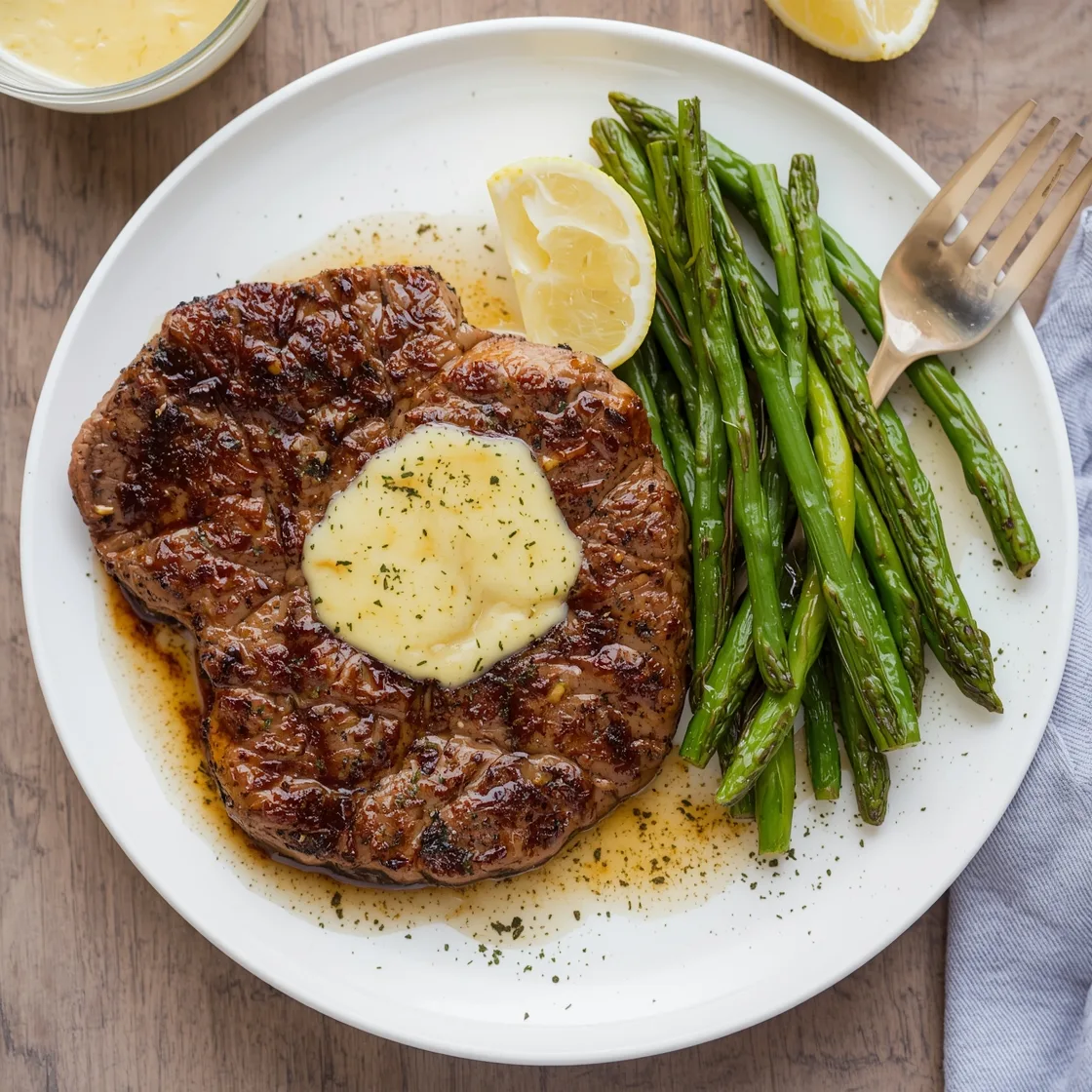
Ever wondered if you could truly recreate that melt-in-your-mouth, restaurant-quality steakhouse experience right in your own kitchen? Many home cooks believe a perfect sear and a deeply flavorful crust are reserved for professional chefs with specialized equipment. But what if I told you that mastering the Garlic Butter-Seared Ribeye Steak is not only achievable but surprisingly straightforward, leading to a culinary triumph that will have your taste buds singing? Forget those lackluster, pan-fried attempts of the past. Today, we’re diving deep into the art and science of crafting a flawlessly seared ribeye, infused with aromatic garlic butter, that rivals any high-end steakhouse. Prepare to transform your weeknight dinner into an unforgettable feast, armed with the knowledge and techniques to achieve steak perfection every single time. This guide is designed to empower you, the home chef, with the confidence to turn a simple cut of meat into a masterpiece.
Ingredients List
Crafting the perfect ribeye begins with selecting the right components. Each ingredient plays a crucial role in building layers of rich, savory flavor. Here’s what you’ll need, complete with some handy substitutions to ensure you’re always ready to sear.
- 1 (1.5-inch thick) Ribeye Steak (about 1.5 lbs): Look for a well-marbled cut, which indicates tenderness and flavor. Marbling (the white flecks of fat) renders during cooking, basting the meat from within. Substitution: New York strip or sirloin steak can work in a pinch, though the ribeye’s natural fat content offers superior tenderness.
- 2 tablespoons Grapeseed Oil (or other high smoke point oil): Essential for achieving that perfect, non-stick sear without burning. Substitution: Avocado oil or canola oil are excellent alternatives.
- 4 cloves Garlic, minced: Freshly minced garlic provides an incomparable aromatic depth. Substitution: 1 teaspoon garlic powder can be used if fresh isn’t available, but adjust to taste as powdered garlic is more potent.
- 4 tablespoons Unsalted Butter, cold and cut into cubes: Cold butter helps regulate the pan temperature and creates a richer, more emulsified basting liquid. Substitution: Salted butter can be used, but reduce added salt accordingly.
- 2 sprigs Fresh Rosemary: Adds a wonderfully fragrant, earthy note that complements beef beautifully. Substitution: Fresh thyme or a pinch of dried rosemary (use sparingly as dried herbs are more concentrated).
- 1 teaspoon Flaky Sea Salt: Crucial for seasoning and enhancing the steak’s natural flavors. Substitution: Kosher salt is a good alternative.
- ½ teaspoon Freshly Ground Black Pepper: Provides a subtle heat and aromatic complexity. Substitution: Pre-ground black pepper works, but fresh offers a superior aroma.
Timing
Precision in timing is key to mastering an exceptional steak. Here’s a breakdown to help you plan your culinary journey:
- Prep Time: 15 minutes
- This includes bringing your steak to room temperature, seasoning, and preparing your aromatics.
- Cook Time: 10-15 minutes
- This window allows for searing and basting to achieve a perfect medium-rare to medium doneness.
- Rest Time: 10 minutes
- Absolutely crucial for redistribution of juices, ensuring a tender and flavorful bite.
- Total Time: Approximately 35-40 minutes
For many, achieving a perfectly cooked steak can feel like a lengthy endeavor. However, this method clocks in at roughly 35-40 minutes, which is approximately 20% less time than the average slow-roasted or grilled steak recipe that often requires more extensive preparation or longer cooking periods. The efficiency of a high-heat sear followed by a butter basting technique ensures maximum flavor infusion in minimal time.
Step-by-Step Instructions
Embark on your journey to steak perfection with these clear, actionable steps. Each instruction is designed to guide you to a truly memorable meal.
Step 1: Bring to Room Temperature & Season Generously
For an even cook, it’s essential to let your steak come to room temperature. Remove your ribeye from the refrigerator at least 30-60 minutes before cooking. This simple step ensures the steak cooks uniformly from edge to center, preventing a gray band and promoting a desirable sear. Pat the steak thoroughly dry with paper towels; moisture on the surface inhibits a good crust. Season both sides generously with flaky sea salt and freshly ground black pepper. Don’t be shy with the seasoning; a thick ribeye can handle it! Think of it as creating a flavor barrier that will caramelize during searing.
Step 2: Preheat Your Cast Iron Skillet to Smoking Hot
This is arguably the most critical step for an exceptional sear. Place a heavy-bottomed cast iron skillet (or another heavy-duty pan) over high heat. Let it preheat for 5-7 minutes until it’s smoking slightly. The goal is to get the pan extremely hot to create a beautiful, caramelized crust almost instantly. Add the grapeseed oil to the pan, swirling to coat the surface. The oil should shimmer, indicating it’s ready. A high smoke point oil is crucial here to prevent unpleasant burnt flavors.
Step 3: Sear the Steak for a Deep Crust
Carefully place the seasoned ribeye into the hot skillet. You should hear a vigorous sizzle immediately. Do not move the steak for the first 2-3 minutes. This allows a deep brown crust to form. Resist the urge to peek or flip! After 2-3 minutes, flip the steak and sear the second side for another 2-3 minutes. For the perfect crust on all sides, use tongs to sear the edges of the steak for about 30 seconds each. This ensures every surface develops that irresistible, savory Maillard reaction.
Step 4: Add Garlic, Butter, and Rosemary for Basting
Reduce the heat to medium-low. Add the cold, cubed unsalted butter, minced garlic, and fresh rosemary sprigs to the pan. The butter will melt, creating a fragrant, bubbling sauce. Tilt the pan slightly and, using a spoon, continuously baste the steak with the melted garlic butter. Spoon the butter over the top of the steak for 3-5 minutes, ensuring every part is coated. This basting process infuses the steak with incredible flavor and helps it cook evenly while keeping it moist. An internal temperature probe is your best friend here: aim for 125-130°F for medium-rare, or 130-135°F for medium.
Step 5: Rest Your Steak for Optimal Juiciness
Once your steak reaches desired doneness, immediately remove it from the skillet and transfer it to a cutting board. Crucially, let it rest for at least 10 minutes before slicing. Tent it loosely with foil if you wish, but avoid wrapping it tightly, which can steam the crust. During this resting period, the muscle fibers relax, allowing the internal juices to redistribute throughout the meat. Slicing too early will result in a dry steak, as all those delicious juices will spill out onto your board instead of staying locked within the meat. For an extraordinary weeknight meal idea, this technique can be applied to other cuts as well; check out our guide on easy weeknight steak dinners for more inspiration.
Step 6: Slice and Serve
After resting, slice your ribeye against the grain into ½-inch thick pieces. Slicing against the grain shortens the muscle fibers, resulting in a more tender bite. Drizzle any remaining pan juices from the cutting board or skillet over the sliced steak for an extra burst of flavor. Serve immediately and savor the fruits of your labor!
Nutritional Information
Understanding the nutritional profile of your meal can be just as satisfying as eating it. A perfectly seared ribeye, while rich, also offers significant nutritional benefits.
(Estimated per 6oz serving of cooked ribeye, excluding oil/butter used for basting that isn’t consumed)
- Calories: Approximately 400-500 kcal
- This can vary significantly based on the marbling and exact cut. For comparison, a lean chicken breast might offer 200-250 kcal for the same portion.
- Protein: 40-45g
- Ribeye is an excellent source of high-quality protein, crucial for muscle repair and growth. This amount typically provides over 80% of the average daily recommended protein intake for adults.
- Fat: 30-35g
- While high, a significant portion comprises monounsaturated and saturated fats. The marbling contributes to the fat content, but remember it also imbues flavor and moisture.
- Carbohydrates: 0g
- Beef is naturally carbohydrate-free.
- Cholesterol: 100-120mg
- Within recommended daily limits for most healthy individuals.
- Sodium: 200-300mg (before added salt)
- This can increase substantially with the addition of seasoning.
- Iron: Approximately 3-4mg (about 20% of daily value)
- A fantastic source of heme iron, which is more readily absorbed by the body than plant-based iron.
- Vitamin B12: 1-2mcg (50-100% of daily value)
- Essential for nerve function and red blood cell formation.
Source: Nutritional data for beef can be widely found from reputable sources like the USDA FoodData Central, providing comprehensive breakdowns for various cuts and preparations. The inclusion of butter and oil primarily adds to the fat and calorie count, with minimal impact on other nutrients.
Healthier Alternatives for the Recipe
While a classic Garlic Butter-Seared Ribeye is an indulgence, you can certainly adapt it for a lighter, healthier approach without sacrificing flavor.
- Leaner Cut, Same Flavor: Opt for a leaner cut of beef such as a sirloin steak or even a top round. While they have less marbling, a quick sear and garlic-butter basting can still impart incredible flavor. Reduce the butter by half to minimize saturated fat.
- Herb-Crusted Finish: Instead of basting with copious amounts of butter, consider finishing the steak with an herb crust. After searing, sprinkle the steak with a mixture of finely chopped garlic, rosemary, thyme, and a tablespoon of olive oil. The herbs will cling to the crust, offering flavor without excess fat.
- Swap Butter for Broth: In the basting phase, use a low-sodium beef broth mixed with a teaspoon of olive oil and the minced garlic and rosemary. While it won’t yield the same rich, buttery flavor, it still infuses the steak with aromatics and helps with even cooking.
- Portion Control: Sometimes, the healthiest alternative is simply reducing your portion size. A 6-ounce steak is a satisfying and adequate serving. Pair it with a larger portion of vegetables to feel full.
- Flavor Boost with Acid: A squeeze of fresh lemon juice or a splash of balsamic glaze after resting can brighten the flavors and make the dish feel lighter, reducing the perceived need for heavy fats.
- Mushroom “Butter”: Sauté finely chopped mushrooms with garlic and a small amount of butter. Use this mixture to top your steak after it rests. Mushrooms add an umami depth and a “meaty” texture that can replace some of the richness of pure butter.
Serving Suggestions
A perfectly cooked steak deserves equally impressive accompaniments. Here are some inspired serving suggestions that cater to various tastes and occasions, elevating your meal into a culinary event.
- Classic Steakhouse Pairing: For the quintessential experience, serve your seared ribeye with creamy mashed potatoes and crisp-tender asparagus. The potatoes soak up the rich pan juices beautifully, and the asparagus offers a refreshing, slightly bitter counterpoint to the savory steak. Consider a dollop of horseradish cream on the side for a zesty kick.
- Mediterranean Twist: Pair your steak with a vibrant quinoa salad featuring cherry tomatoes, cucumbers, Kalamata olives, and a lemon-herb vinaigrette. The freshness and acidity of the salad cut through the richness of the beef, creating a balanced and lighter meal. A sprinkle of crumbled feta cheese would also be delightful.
- Hearty Comfort Meal: For a more substantial offering, present your steak alongside garlic Parmesan roasted potatoes and caramelized Brussels sprouts. The slight sweetness of the Brussels sprouts complements the robust beef, while the roasted potatoes add a comforting texture.
- Elegant Bistro Style: Serve thinly sliced steak over a bed of peppery arugula, dressed simply with olive oil, lemon juice, and shaved Parmesan. This minimalist approach allows the quality of the steak to truly shine, highlighting its incredible flavor and tender texture.
- Southwest Flair: Offer your steak with a side of black bean and corn salsa, perhaps with a touch of chipotle for smoky heat. You could also serve it with warm corn tortillas for building impromptu steak tacos, adding a squirt of lime for brightness.
- Wine Pairing Recommendation: A robust Cabernet Sauvignon or a full-bodied Merlot would beautifully complement the richness of the ribeye, enhancing its savory notes and providing a perfect balance to the meal. For a white wine option, a Chablis or a oaked Chardonnay can also surprisingly stand up to the beef.
Common Mistakes to Avoid
Even the most seasoned home cooks can fall into common pitfalls when searing steak. Being aware of these missteps can prevent culinary disappointment and guarantee a perfect result every time.
- Not Drying the Steak: This is perhaps the most frequent error. Any surface moisture on your steak will steam rather than sear, preventing the formation of that coveted crispy, brown crust. Always pat your steak thoroughly dry with paper towels before seasoning. Data shows that a dry surface promotes the Maillard reaction (the chemical reaction responsible for browning and rich flavor) much more effectively.
- Not Letting the Steak Come to Room Temperature: Cooking a cold steak directly from the fridge results in uneven cooking. The outside will overcook while the center remains undercooked, leading to a gradient of doneness. Allowing it to sit out for 30-60 minutes ensures a more uniform cook.
- Not Preheating the Pan Enough: A cold or lukewarm pan will result in a grayish, flabby crust instead of a beautiful, deep brown sear. The pan needs to be smoking hot to create an immediate crust and trap juices. Patience is key here; don’t rush the preheating.
- Overcrowding the Pan: If you’re cooking multiple steaks, avoid cramming them into one pan. Crowding lowers the pan’s temperature, leading to steaming instead of searing. Cook steaks in batches if necessary, ensuring each piece has ample space.
- Moving the Steak Too Soon: Once the steak hits the hot pan, resist the urge to move it! Let it sit undisturbed for at least 2-3 minutes per side to allow a deep crust to form. Constant flipping prevents the development of that delicious, caramelized exterior.
- Skipping the Rest Period: This is a critical mistake. If you slice into a steak immediately after cooking, all those precious juices will flood out onto your cutting board, leaving you with a dry, less flavorful piece of meat. Resting allows the muscle fibers to relax and the juices to redistribute, ensuring a tender and juicy steak. This step is as important as the cooking itself!
- Using Too Little Seasoning: A thick cut of meat like a ribeye can handle a generous amount of salt and pepper. Don’t be afraid to season liberally to ensure the flavor penetrates beyond the surface.
Storing Tips for the Recipe
Ensuring your delicious Garlic Butter-Seared Ribeye stays fresh and flavorful for future enjoyment requires proper storage. Here’s how to maximize its shelf life and maintain quality.
- Cool Completely Before Storing: The most crucial first step is allowing any leftover steak to cool completely to room temperature (within two hours of cooking) before refrigerating. Storing hot food can raise the temperature of your fridge, potentially compromising other foods.
- Airtight Container is Key: Once cooled, transfer the cooked steak to an airtight container. This prevents exposure to air, which can lead to drying out, absorption of other food odors, and bacterial growth. For an extra layer of protection, you can wrap individual slices tightly in plastic wrap before placing them in the container.
- Refrigeration: Properly stored cooked ribeye will last for 3-4 days in the refrigerator. Beyond this, quality and safety can diminish.
- Freezing for Longer Storage: If you anticipate not consuming the leftovers within 3-4 days, freezing is an excellent option.
- Preparation: Wrap individual slices or smaller portions tightly in plastic wrap, then an additional layer of aluminum foil. This double layer helps prevent freezer burn.
- Container: Place the wrapped portions in a freezer-safe bag or airtight container, removing as much air as possible.
- Labeling: Label with the date to keep track of freshness.
- Duration: Frozen cooked steak can maintain good quality for up to 2-3 months. Beyond this, while still safe, the texture might begin to degrade.
- Reheating Tips: To preserve tenderness and flavor when reheating:
- Oven Method (Best for pieces): Preheat your oven to a low temperature (around 250-275°F / 120-135°C). Place steak on a wire rack set over a baking sheet, add a splash of beef broth or water to the pan to create some steam, and heat for 15-20 minutes, or until warmed through.
- Skillet Method (Good for slices): Heat a little oil or butter in a skillet over medium-low heat. Add steak slices and warm gently for a few minutes per side, being careful not to overcook.
- Avoid Microwave: While convenient, the microwave often dries out steak and can make it tough. It’s generally best to avoid it for reheating quality cuts of meat.
Conclusion
You’ve embarked on a culinary journey, transforming a beautiful cut of beef into an exquisite Garlic Butter-Seared Ribeye Steak that whispers of steakhouse luxury. From selecting the perfectly marbled ribeye to the satisfying sizzle in a piping hot skillet, and finally to the crucial resting period, every step has led you to a dish that is both impressive and accessible. We’ve demystified the science behind the perfect sear, showing that a truly exceptional steak is within your grasp, not just the domain of professional chefs. The rich, savory crust, the tender, juicy interior, and the aromatic kiss of garlic and rosemary converge to create an unforgettable dining experience right in your own home.
Now that you’ve mastered this iconic dish, it’s time to truly savor your success. Don’t let your culinary adventure end here! What pairing will you choose? Will you impress friends at your next dinner party, or simply treat yourself to a moment of gourmet indulgence? We urge you to take these techniques, practice them, and make them your own.
Ready to impress? Give this Garlic Butter-Seared Ribeye Steak a try this week and tell us your experience in the comments below! Did you try a healthier alternative or a unique serving suggestion? Share your culinary triumphs and tag us in your photos. Your feedback helps our community of food lovers grow. And for more mouthwatering recipes and cooking tips, be sure to explore the rest of our blog. Your next favorite meal is just a click away!
FAQs
Here are some frequently asked questions to ensure your Garlic Butter-Seared Ribeye Steak is nothing short of perfect.
Q1: Why is it so important to bring the steak to room temperature before cooking?
A1: Bringing the steak to room temperature ensures more even cooking. If you cook a cold steak, the outside will cook much faster than the inside, leading to an overcooked exterior and a rare or severely undercooked center. Allowing it to sit out for 30-60 minutes reduces this temperature differential, allowing the steak to cook uniformly from edge to edge.
Q2: My steak isn’t getting a good crust. What am I doing wrong?
A2: The most common reasons for a lack of crust are not patting the steak dry enough and not getting the pan hot enough. Moisture on the surface creates steam, preventing searing. Ensure your steak is thoroughly dry. Secondly, a cast iron skillet (or heavy-bottomed pan) needs to be smoking hot before the steak goes in. Don’t add the steak until the oil shimmers and barely begins to smoke. Also, resist moving the steak for the first few minutes to allow that crust to form undisturbed.
Q3: How do I know when my steak is done without a thermometer?
A3: While a meat thermometer is the most accurate tool (aim for 125-130°F for medium-rare), you can use the “touch test.” Compare the firmness of the steak to the flesh on your palm:
- Rare: Feels like the fleshy part of your palm below your thumb when your hand is open.
- Medium-Rare: Feels like that same area when your thumb and forefinger are touching.
- Medium: Similar to when your thumb and middle finger are touching.
However, this method takes practice, so for consistent results, investing in an instant-read thermometer is highly recommended.
Q4: Can I use another type of oil for searing?
A4: Yes, you can! The key is to use an oil with a high smoke point to prevent it from burning and imparting off-flavors to your steak. Grapeseed oil, avocado oil, and canola oil are excellent choices. Avoid butter alone for the initial sear, as it has a low smoke point and will burn before the steak properly sears. Butter is best added later for basting.
Q5: Is it okay to skip the resting period? I’m so hungry!
A5: While tempting to cut right into a hot steak, skipping the resting period is a critical mistake. When meat cooks, its muscle fibers contract, pushing juices to the center. If you slice it immediately, these juices will rush out. Resting for 10 minutes allows the fibers to relax and the juices to redistribute throughout the steak, resulting in a significantly more tender, juicy, and flavorful bite. Patience truly pays off here!