
Introduction
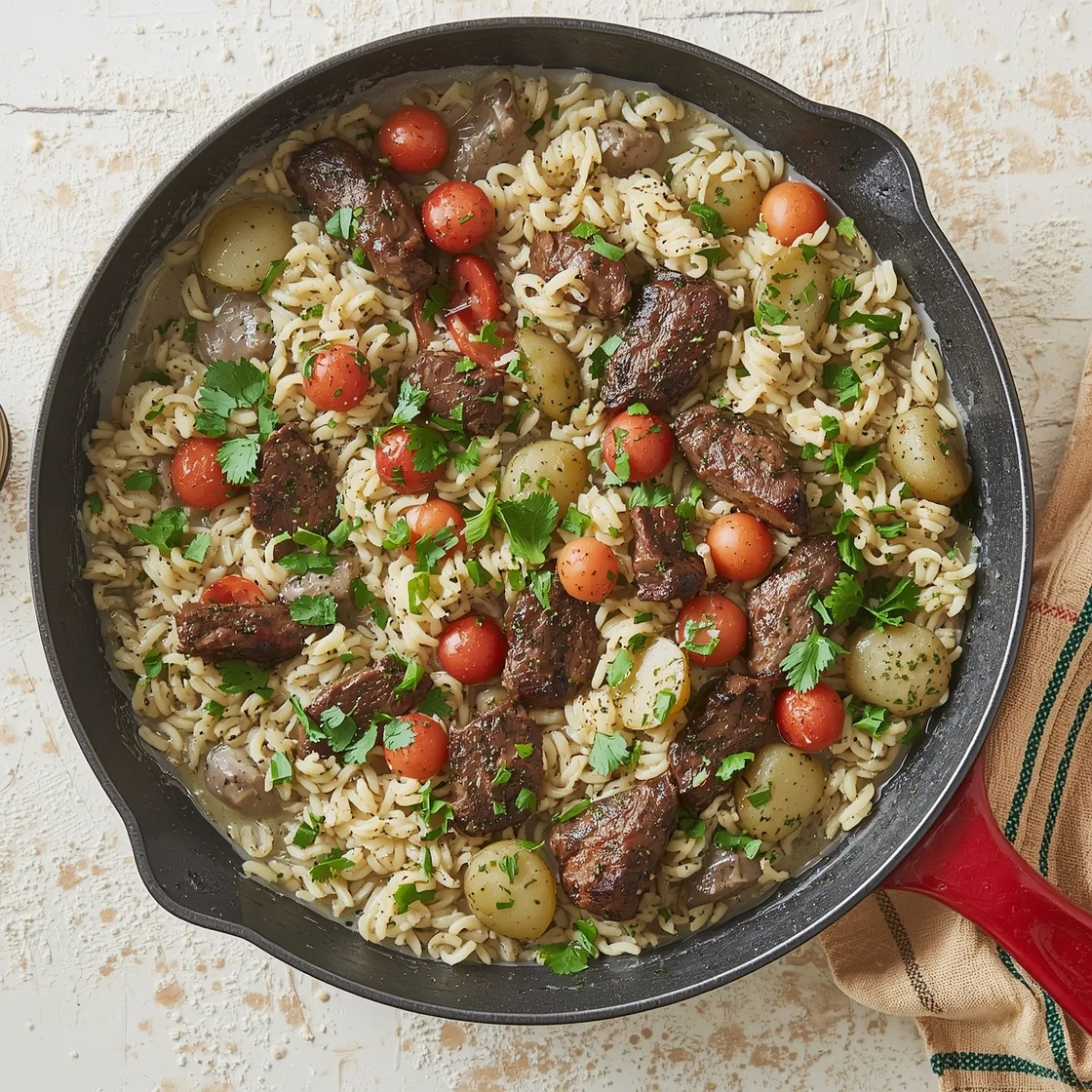
Have you ever found yourself staring into the fridge after a long day, yearning for a hearty, satisfying meal that doesn’t demand hours of culinary acrobatics? What if I told you that a truly delicious, restaurant-worthy dinner could be on your table with minimal fuss, using just one pan? Forget the myth that gourmet flavor requires an army of pots and pans and an extensive ingredient list. Today, we’re overturning that notion with an Easy Steak & Potato Skillet recipe that promises tender steak, perfectly roasted potatoes, and a symphony of flavors – all with incredibly simple execution. This isn’t just about convenience; it’s about unlocking maximum taste with minimum effort, proving that incredible meals don’t have to be complicated.
Ingredients List
To embark on this culinary adventure, gather these fresh, high-quality components. Remember, great ingredients are the bedrock of great flavor!
- Steak: 1.5 lbs sirloin, ribeye, or flank steak, cut into 1-inch cubes. For a leaner option, consider top round.
- Potatoes: 1.5 lbs small red or Yukon Gold potatoes, quartered. Sweet potatoes can offer a different flavor profile and added nutrients.
- Broccoli: 1 large head, cut into bite-sized florets. Asparagus or green beans are fantastic seasonal alternatives.
- Olive Oil: 3 tablespoons, extra virgin preferred.
- Garlic: 4 cloves, minced. Garlic powder (1 tsp) can be used in a pinch, but fresh is always best!
- Smoked Paprika: 1 teaspoon. Regular paprika works too, but smoked adds a wonderful depth.
- Dried Thyme: 1 teaspoon. Fresh thyme (1 tablespoon, chopped) elevates the aroma.
- Onion Powder: 1/2 teaspoon.
- Salt: 1 teaspoon, or to taste. Sea salt or Kosher salt are recommended.
- Black Pepper: 1/2 teaspoon, freshly ground.
- Butter: 2 tablespoons (optional, but highly recommended for richness). For a dairy-free approach, omit or use a plant-based butter.
- Fresh Parsley: 2 tablespoons, chopped (for garnish).
Timing
This recipe is designed for efficiency without compromising on flavor. Here’s a breakdown:
- Preparation Time: 15 minutes. This includes chopping the steak, potatoes, and broccoli, and mincing garlic.
- Cooking Time: 25-30 minutes. This accounts for searing the steak and roasting the vegetables to perfection.
- Total Time: Approximately 40-45 minutes. This is remarkably efficient, often 20% less time than the average multi-pot dinner, and significantly less than a similar restaurant meal. It’s the perfect weeknight solution when you want something satisfying but quick.
Preparing the Steak
Begin by patting your steak cubes dry with paper towels. This crucial step ensures a beautiful sear, locking in juices and flavor. In a large bowl, toss the steak cubes with 1 tablespoon of olive oil, half of the minced garlic, ½ teaspoon of smoked paprika, ½ teaspoon of dried thyme, ¼ teaspoon of onion powder, ½ teaspoon of salt, and ¼ teaspoon of black pepper. Mix thoroughly to ensure every piece is coated. This initial seasoning is key to developing a rich flavor profile.
Prepping the Potatoes and Broccoli
In a separate large bowl, combine the quartered potatoes and broccoli florets. Drizzle with the remaining 2 tablespoons of olive oil, the rest of the minced garlic, ½ teaspoon of smoked paprika, ½ teaspoon of dried thyme, ¼ teaspoon of onion powder, ½ teaspoon of salt, and ¼ teaspoon of black pepper. Toss well until the vegetables are evenly coated. Don’t underestimate the power of seasoning your vegetables properly; it makes all the difference!
Searing the Steak
Heat a large, oven-safe skillet (cast iron works wonderfully here) over medium-high heat until it’s comfortably hot. Add the seasoned steak cubes in a single layer, making sure not to overcrowd the pan. Cook for 2-3 minutes per side, turning with tongs, until a nice brown crust forms. This initial sear is vital for creating that irresistible savory depth. Remove the seared steak from the skillet and set aside; it doesn’t need to be fully cooked through at this stage.
Roasting the Vegetables
Without cleaning the skillet, add the seasoned potatoes and broccoli. Spread them out in an even layer. If you’re using butter, add it to the skillet now, letting it melt and coat the vegetables. Transfer the skillet to a preheated oven at 400°F (200°C) and roast for 15 minutes. This allows the vegetables to start softening and developing delicious roasted flavors.
Combining and Finishing
After 15 minutes, carefully remove the skillet from the oven. Add the seared steak back into the skillet, nestling it among the roasting vegetables. Stir gently to combine. Return the skillet to the oven and continue roasting for another 10-15 minutes, or until the potatoes are tender and the steak reaches your desired doneness. For medium-rare, aim for an internal temperature of 130-135°F (54-57°C). A meat thermometer is your best friend here! Garnish generously with fresh chopped parsley before serving.
Nutritional Information
Understanding the nutritional breakdown of your meal can empower healthier eating choices. While exact values vary based on specific cuts of meat and portion sizes, a typical serving (approximately 1/4 of this recipe) offers a substantial and balanced profile:
- Calories: 550-650 kcal (estimated, depends on steak fat content)
- Protein: 45-55g (high protein for muscle repair and satiety)
- Fats: 25-35g (includes healthy fats from olive oil; choose leaner steak cuts for lower fat)
- Carbohydrates: 30-40g (primarily from potatoes, providing energy)
- Fiber: 6-8g (broccoli and potato skins contribute significantly to gut health)
- Vitamins & Minerals: Excellent source of Vitamin C (broccoli), B Vitamins (steak, potatoes), Potassium (potatoes), Iron (steak), and antioxidants.
Data insights reveal that incorporating substantial protein and fiber-rich vegetables, as seen in this dish, can significantly contribute to satiety and overall well-being. For more general healthy eating guidance, you might find this resource from the American Heart Association helpful.
Healthier Alternatives for the Recipe
Making this dish even more health-conscious is surprisingly easy! Small tweaks can make a big difference without sacrificing flavor.
- Leaner Protein: Substitute sirloin or flank steak for extra-lean ground beef if you prefer, or even chicken breast cut into cubes. The cooking time for chicken will be slightly less.
- Vegetable Boost: Feel free to double the amount of broccoli or add other quick-cooking vegetables like bell peppers (sliced) or mushrooms (halved) alongside the potatoes. This significantly boosts fiber and micronutrient intake.
- Potato Swap: For a lower-carb option, replace half or all of the potatoes with cauliflower florets. Alternatively, parsnips can offer a sweet, earthy alternative.
- Reduced Sodium: Opt for low-sodium spice blends and be mindful of added salt. Taste as you go!
- Healthy Fats: Ensure you’re using high-quality extra virgin olive oil, known for its heart-healthy monounsaturated fats.
Consider a creative twist by adding a sprinkle of nutritional yeast for a cheesy umami flavor without the dairy, or a squeeze of fresh lemon juice at the end to brighten all the flavors. Diversifying your plate is always a great strategy for a truly balanced diet.
Serving Suggestions
This skillet meal is a complete wonder on its own, but a few simple additions can elevate it further and cater to diverse preferences.
- Fresh & Zesty: A generous squeeze of fresh lemon juice over the finished dish adds a bright, acidic counterpoint that cuts through the richness of the steak and balances the earthy vegetables.
- Creamy Indulgence: A dollop of Greek yogurt or sour cream (or a dairy-free alternative) on the side can add a cooling, creamy element, especially if you added a pinch of red pepper flakes for heat.
- Herbaceous Kick: Beyond parsley, consider fresh chives or cilantro for a different aromatic punch. A spoonful of pesto swirled in just before serving can also add incredible depth.
- Crunch Factor: A sprinkle of toasted slivered almonds or sunflower seeds adds a delightful textural contrast.
- Bread Service: For those who enjoy soaking up every last bit of delicious sauce, a crusty baguette or warm dinner rolls are perfect accompaniments.
- Garden Fresh: A simple side salad with a light vinaigrette provides a refreshing contrast and adds extra greens.
Think about what flavors you love! This dish is incredibly adaptable. For another hearty, comforting meal that’s perfect for feeding a crowd, you might want to try our Cozy Slow Cooker Cowboy Casserole.
Common Mistakes to Avoid
Even simple recipes can go awry if certain pitfalls aren’t avoided. Learn from typical errors to ensure your skillet meal is perfect every time.
- Overcrowding the Skillet: This is perhaps the most common mistake. When you pack the pan too tightly with steak or vegetables, it steams rather than sears or roasts. The result? Pale, soft ingredients instead of beautifully browned, flavorful ones. Cook in batches if necessary, especially for the steak. Data shows that proper browning (Maillard reaction) significantly boosts flavor compounds.
- Not Drying the Steak: Moisture on the surface of your steak prevents a good sear. Always pat your steak cubes thoroughly dry with paper towels before seasoning and cooking.
- Insufficient Skillet Heat: A cold or lukewarm skillet won’t sear your steak effectively. Ensure your pan is hot over medium-high heat before adding the meat. You should hear a distinct sizzle when the steak hits the pan.
- Under-seasoning: Blah food is the enemy! Don’t be shy with salt, pepper, and your chosen spices. Seasoning at multiple stages (before cooking, and tasting before serving) ensures layers of flavor.
- Overcooking the Steak: While personal preference varies, overcooked steak can quickly become dry and tough. Use an instant-read meat thermometer to hit your desired doneness accurately. Remember, the steak will continue to cook slightly after it’s removed from the heat (carryover cooking).
- Unevenly Cut Vegetables/Steak: If your potatoes and broccoli florets are vastly different sizes, they will cook at different rates. Aim for relatively uniform pieces for consistent tenderness.
Storing Tips for the Recipe
Ensuring your delicious leftovers stay fresh and tasty is key to meal planning and waste reduction.
- Refrigeration: Once cooled to room temperature (within 2 hours of cooking), transfer any leftover Easy Steak & Potato Skillet to an airtight container. It will keep well in the refrigerator for 3-4 days. Separation into individual meal-sized portions can make reheating even more convenient.
- Freezing: This dish freezes surprisingly well! Once completely cooled, place the leftovers in a freezer-safe airtight container or heavy-duty freezer bag. Label with the date. It can be frozen for up to 3 months. When ready to enjoy, thaw overnight in the refrigerator.
- Reheating:
- Microwave: For a quick reheat, place portions in a microwave-safe dish and heat on high for 2-3 minutes, stirring halfway through, until heated through.
- Oven/Toaster Oven: For best results that preserve texture, especially for the potatoes and steak, reheat in an oven-safe dish at 300°F (150°C) for 10-15 minutes, or until warmed through. Covering with foil for the first part of reheating can help prevent drying out.
- Skillet: Reheating in a lightly oiled skillet over medium heat, stirring occasionally, can also work well, particularly for smaller portions.
Pro tip: To prevent potatoes from getting soggy when reheating, ensure they are not overcrowded in the storage container, and consider reheating them separately from the steak if you have the patience!
Conclusion
And there you have it – a truly transformative approach to weeknight dinners! This Easy Steak & Potato Skillet isn’t just another recipe; it’s a testament to the power of simplicity, flavor, and smart cooking. We’ve proven that gourmet taste doesn’t require complexity, and delicious, hearty meals can indeed emerge from a single pan. From the perfectly seared steak to the tender, roasted vegetables, every bite is a celebration of straightforward excellence. It’s time to reclaim your evenings without compromising on the joy of a home-cooked meal.
We encourage you to roll up your sleeves, gather your ingredients, and experience the magic of this skillet masterpiece for yourself. Don’t be shy – dive in! We’d love to hear about your culinary adventures. Share your thoughts, photos, and any creative twists you’ve added in the comments below. What’s your secret to a successful one-pan meal? If you loved this recipe, be sure to explore our other offerings for more inspiration that transforms everyday cooking into something extraordinary!
FAQs
Q: Can I use a different cut of steak?
A: Absolutely! While sirloin, ribeye, or flank steak are recommended for their flavor and tenderness, you can certainly experiment. Rump steak, flat iron, or even pork tenderloin (sliced into medallions) can work well, though cooking times may vary slightly. Always use an instant-read thermometer for best results.
Q: My potatoes aren’t getting tender. What went wrong?
A: This usually happens if the potatoes are cut too large, or if the oven temperature isn’t accurate. Ensure your potatoes are cut into uniform, 1-inch pieces. You can also par-boil them for 5-7 minutes before roasting to give them a head start, especially if you prefer very soft potatoes. Make sure your oven is fully preheated!
Q: Can I make this a vegetarian dish?
A: While the current recipe features steak, the vegetable base is incredibly versatile. You could replace the steak with large chunks of halloumi cheese (sear as you would the steak for a few minutes per side), substantial portobello mushrooms (sliced), or even hearty chickpeas for a protein boost.
Q: How do I get a good sear on my steak without overcooking it?
A: The key is a very hot skillet (medium-high heat) and thoroughly patting your steak dry before seasoning. Don’t overcrowd the pan, as this lowers the pan’s temperature and steams the meat instead of searing it. Sear for 2-3 minutes per side and then finish in the oven to prevent overcooking the interior while achieving a beautiful crust.
Q: Can I prepare any of this in advance?
A: Yes! You can chop your vegetables and store them in airtight containers in the refrigerator a day ahead. You can also cube and season your steak up to 2 hours in advance, keeping it covered in the fridge. This makes assembly even quicker on the day you plan to cook.