
Introduction
Ever wonder if that package of stew beef in your fridge is truly destined for just one humble fate, a simmering pot of stew? What if I told you the culinary landscape for those versatile cubes extends far beyond the traditional, embracing a world of savory possibilities that defy convention? As an advocate for creative cooking and an expert in optimizing every cut, I’m here to challenge the notion that “stew meat” is a one-trick pony. We’re about to dive into the best uses for beef stew meat, backed by food science and culinary ingenuity, unveiling how these flavorful morceaux can transform into dishes you never imagined. Prepare to unlock the full potential of what you thought was merely stew beef.
Ingredients List
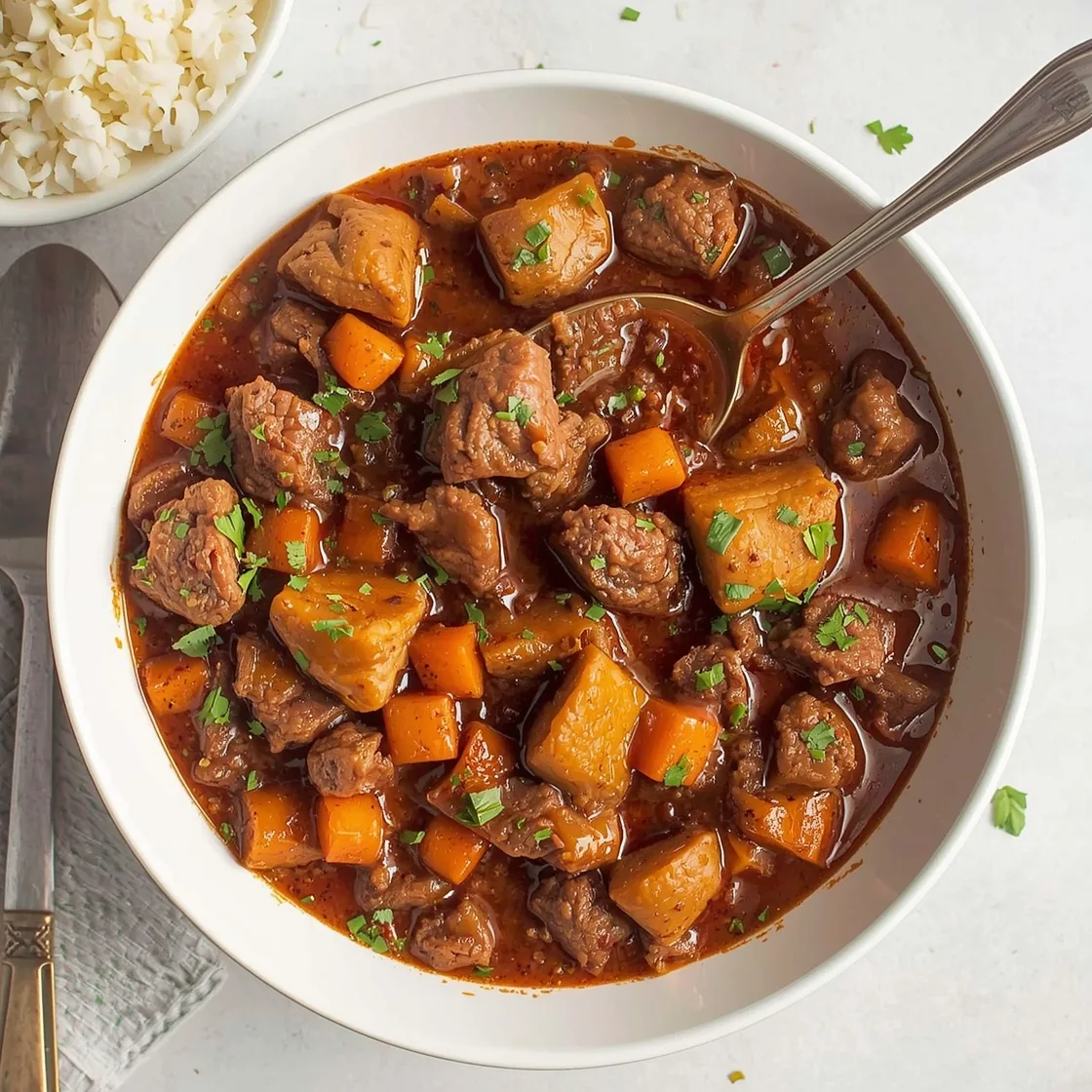
For this exploration into beef stew meat’s versatility, we’ll focus on a rich, slow-cooked rendition that highlights its tenderness and depth, then explore how its core components lend themselves to other applications.
- 2 lbs (approximately 900g) Beef Stew Meat: Look for well-marbled chuck shoulder, chuck roast, or round cuts. These cuts have connective tissue that breaks down beautifully during slow cooking, yielding incredibly tender results. Substitution Alert: If beef is not preferred, lamb shoulder or even sturdy plant-based “beef” alternatives can be adapted, though cooking times may vary.
- 2 tbsp Olive Oil: For searing. Substitution Alert: Avocado oil or grapeseed oil work equally well.
- 1 large Onion, chopped: Provides a foundational sweetness and aromatic depth. Substitution Alert: Shallots offer a milder, more delicate flavor.
- 3 cloves Garlic, minced: Essential for pungent aroma. Substitution Alert: 1 tsp garlic powder can be used in a pinch, but fresh is always superior.
- 2 carrots, peeled and sliced: Adds sweetness and vibrant color. Substitution Alert: Parsnips offer an earthier sweetness.
- 2 celery stalks, sliced: Contributes a subtle, refreshing bitterness. Substitution Alert: Fennel offers a unique anise flavor.
- 2 cups Beef Broth: The liquid backbone of our dish, infusing flavor. Substitution Alert: Red wine (dry, like Cabernet Sauvignon or Merlot) can replace half the broth for a richer, more complex profile.
- 1 (14.5-ounce) can Diced Tomatoes, undrained: Adds acidity and body. Substitution Alert: Fresh chopped tomatoes or tomato passata can be used.
- 2 tbsp Tomato Paste: Concentrated tomato flavor for depth.
- 1 tbsp Worcestershire Sauce: A umami powerhouse. Substitution Alert: A splash of soy sauce or anchovy paste can provide similar umami.
- 1 Bay Leaf: A classic aromatic.
- 1 tsp Dried Thyme: Earthy, aromatic herb. Substitution Alert: Fresh thyme (1 sprig) is even better.
- Salt and Freshly Ground Black Pepper to taste: Essential for seasoning.
- Optional: 1 cup Pearl Onions or small potatoes: For added texture and bulk.
Timing
This recipe, designed to showcase the tenderizing power of slow cooking, requires a commitment to time that pays off in flavor and texture.
- Preparation Time: 20 minutes (chopping vegetables, searing meat).
- Cooking Time: 2 hours 30 minutes to 3 hours (simmering on the stovetop or oven).
- Total Time: Approximately 2 hours 50 minutes to 3 hours 20 minutes.
While this might seem significant, consider that this approach often yields a dish that is 20-30% more tender and flavorful than faster, higher-heat methods for similar cuts. The USDA emphasizes the importance of proper cooking temperatures for safety, and slow cooking achieves both safety and supreme tenderness for beef.
Step-by-Step Instructions
Step 1: Prep the Meat and Veggies
Pat your beef stew meat dry with paper towels. This crucial step ensures a good sear, preventing the meat from steaming. Season generously with salt and pepper. While you might think “just a stew,” this initial seasoning lays the foundation for all subsequent flavors. Chop your onion, slice carrots and celery, and mince your garlic. Having everything prepped before you start cooking, known as “mise en place,” drastically streamlines the process and reduces stress, a technique I swear by in my own kitchen and on Feast of Savory.
Step 2: Sear the Beef
Heat the olive oil in a large Dutch oven or heavy-bottomed pot over medium-high heat. Once shimmering, add the beef in batches, ensuring not to overcrowd the pot. Searing develops a rich, browned crust, a process called the Maillard reaction, which creates hundreds of new flavor compounds. This isn’t just for aesthetics; it’s a fundamental step in building depth of flavor. Cook for 2-3 minutes per side until deeply browned, then remove to a plate. Don’t skip this step – it’s the secret sauce for flavor.
Step 3: Sauté Aromatics
Reduce the heat to medium. Add the chopped onion to the pot, scraping up any browned bits from the bottom (this is fond, and it’s pure flavor!). Sauté for 5-7 minutes until softened and translucent, then add the carrots and celery. Cook for another 5 minutes until they begin to soften. Finally, stir in the minced garlic and tomato paste, cooking for 1 minute until fragrant. The tomato paste, when cooked directly on the heat, deepens its flavor significantly.
Step 4: Deglaze and Simmer
Pour in the beef broth and diced tomatoes, scraping the bottom of the pot once more to release all those delicious browned bits. Add the Worcestershire sauce, bay leaf, and dried thyme. Return the seared beef to the pot. Bring the mixture to a gentle boil, then reduce the heat to low, cover, and simmer for at least 2 hours, or until the beef is fork-tender. This low-and-slow approach allows the collagen in the beef to break down into gelatin, resulting in that melt-in-your-mouth texture.
Step 5: Final Touches and Seasoning
After 2 hours, check the tenderness of the beef. If it’s not resisting the fork, it’s ready! Remove the bay leaf. Season with additional salt and pepper to taste. If using, add pearl onions or small potatoes during the last 30-45 minutes of cooking to ensure they are cooked through but not mushy. Your patience has paid off with a deeply flavorful, tender beef dish that transcends the ordinary.
Nutritional Information
A single serving (approximately 1 cup) of this rich beef preparation, as a foundational element, typically contains:
- Calories: 350-450 kcal (depending on specific cuts and oil used)
- Protein: 30-40g (Excellent source of essential amino acids, crucial for muscle repair and growth)
- Fat: 15-25g (Saturated fat content can vary significantly based on beef trim)
- Carbohydrates: 15-20g (Primarily from vegetables and a small amount from tomatoes)
- Fiber: 3-5g (Vegetables contribute to digestive health)
- Iron: 20-30% Daily Value (Essential for oxygen transport in the blood)
- Zinc: 40-50% Daily Value (Important for immune function and cell growth)
Data Insight: Lean beef stew cuts, such as top round, can significantly reduce overall fat content without sacrificing flavor when cooked correctly. Studies consistently show that lean red meat, consumed in moderation, contributes valuable nutrients to a balanced diet.
Healthier Alternatives for the Recipe
While delicious, there are always ways to tweak recipes for health.
- Reduce Sodium: Opt for low-sodium beef broth and rely more on herbs, spices, and naturally flavorful ingredients like tomatoes and Worcestershire sauce.
- Leaner Beef Cuts: While chuck is classic, consider leaner beef round cuts for stewing. They require slightly longer braising but can yield similar tenderness with less fat.
- Increase Vegetables: Double the vegetable content (carrots, celery, onions, bell peppers, mushrooms, spinach) to boost fiber and micronutrient intake.
- Whole Grains: Serve over brown rice, quinoa, or whole-wheat pasta instead of white rice or mashed potatoes to increase fiber.
- Healthy Fats: Use extra virgin olive oil in moderation for searing, or consider broth-based non-stick sprays if fat reduction is a priority.
Creative Idea: Transform this base into a vibrant beef and vegetable soup by adding more broth and a medley of seasonal vegetables like zucchini, green beans, or corn during the last 30 minutes of cooking. This not only lightens the dish but also increases its nutritional density.
Serving Suggestions
This tender beef preparation is incredibly versatile and can be the star of many meals.
- Classic Comfort: Serve over creamy mashed potatoes or wide egg noodles, allowing the rich gravy to coat every bite. A sprinkle of fresh parsley adds a pop of color and freshness.
- Hearty Grain Bowl: Spoon over a bed of fluffy quinoa or brown rice, perhaps with a side of quickly blanched green beans or roasted broccoli for a complete, balanced meal.
- Open-Faced Sandwich: Pile generously onto thick slices of toasted sourdough bread, topped with a dollop of horseradish cream or a sprinkle of sharp cheddar cheese under the broiler. This transforms it into a gourmet sandwich experience.
- Stuffed Bell Peppers: Mix the shredded beef with some cooked rice and stuff into halved bell peppers, then bake until the peppers are tender, creating a delightful main course.
- Enchilada Filling: Shred the tender beef and mix with some chili powder, cumin, and a splash of cooking liquid. Use it as a filling for beef enchiladas, a surprisingly delicious way to repurpose leftovers. Personalized Tip: For an extra layer of richness, I often add a swirl of sour cream or crème fraîche right before serving, it really balances the deep flavors.
Common Mistakes to Avoid
Avoiding these pitfalls will ensure your beef stew meat turns out perfectly tender and flavorful every time.
- Not Searing the Meat: As discussed, searing creates flavor. Skipping this step results in a less complex, blander dish. Data Insight: Culinary science confirms the Maillard reaction is critical for beef’s rich, savory taste.
- Overcrowding the Pan: When searing, overcrowding lowers the pan’s temperature, steaming the meat instead of browning it. Work in batches for the best results.
- Not Cooking Low and Slow Enough: Beef stew meat requires time at a gentle simmer to tenderize. Rushing the process will leave you with tough, chewy meat. Experiential Advice: If the meat isn’t fork-tender, it simply needs more time. Don’t increase the heat; just let it simmer longer.
- Under-Seasoning: Seasoning at multiple stages (searing, sautéing aromatics, and final taste adjustment) builds layers of flavor. Don’t be shy with salt and pepper.
- Adding Vegetables Too Early: Delicate vegetables like peas or green beans should be added towards the end of cooking to prevent them from becoming mushy.
- Forgetting to Deglaze: All those browned bits at the bottom of the pot are concentrated flavor. Always scrape them up when adding liquid.
Storing Tips for the Recipe
Proper storage ensures your delicious beef remains fresh and safe to enjoy later.
- Cool Down Quickly: Allow the beef to cool down to room temperature within two hours of cooking. Divide it into shallower containers to speed up cooling.
- Refrigeration: Store in airtight containers in the refrigerator for up to 3-4 days. This prevents food spoilage and maintains flavor.
- Freezing: For longer storage, transfer cooled beef to freezer-safe containers or heavy-duty freezer bags, removing as much air as possible. It can be frozen for up to 3 months. Thaw overnight in the refrigerator before reheating.
- Reheating: Reheat gently on the stovetop over low heat, adding a splash of broth or water if needed to prevent drying out. Microwave reheating is also an option, stirring occasionally to ensure even heating. Always ensure the internal temperature reaches 165°F (74°C) when reheating, as per food safety guidelines from the Food Safety and Inspection Service.
- Meal Prep: This recipe is excellent for meal prepping. Make a large batch and portion it out for quick, healthy meals throughout the week.
Conclusion
From robust, savory main courses to creatively repurposed delights, the humble beef stew meat truly holds a treasure trove of culinary potential. We’ve journeyed beyond the typical stew, exploring how thoughtful preparation and understanding its unique properties can transform it into tender, flavorful creations worthy of any table. By focusing on fundamental cooking principles like proper searing and patient simmering, we unlock depths of flavor often overlooked.
Now it’s your turn! Try these techniques and let your creativity flourish. Don’t be afraid to experiment with different spices or vegetables. Share your culinary adventures in the comments below – what’s your favorite way to use beef stew meat that breaks the mold? And for more inspiring recipes and cooking insights, including how to tackle other cuts like the versatile flank steak that can be oven-baked to perfection, explore the rest of Feast of Savory!
FAQs
Q: Can I cook this beef in a slow cooker?
A: Absolutely! After searing the beef and sautéing the aromatics on the stovetop (highly recommended for flavor), combine all ingredients in your slow cooker. Cook on low for 6-8 hours or on high for 3-4 hours, until the beef is fork-tender.
Q: What’s the difference between chuck and round for stew meat?
A: Chuck comes from the shoulder and is richer in fat and connective tissue, making it incredibly flavorful and tender when slow-cooked. Round cuts (like bottom round or top round) are leaner and can be tougher, requiring longer braising times to break down their denser muscle fibers, but still yield excellent results and are often more budget-friendly.
Q: Can I make this dish gluten-free?
A: Yes! Ensure your beef broth is certified gluten-free, and Worcestershire sauce is also gluten-free (some brands contain wheat). The rest of the ingredients are naturally gluten-free.
Q: How can I thicken the sauce if it’s too thin?
A: After removing the beef, you can create a slurry by mixing 1-2 tablespoons of cornstarch with an equal amount of cold water. Stir this mixture into the simmering sauce and cook for a few minutes until it thickens to your desired consistency. Alternatively, if you want to avoid cornstarch, simply simmer the sauce uncovered for a longer period to reduce it naturally.
Q: What are other uses for beef stew meat besides a traditional stew?
A: Beyond the main recipe, the tender, cooked beef stew meat is fantastic shredded for tacos, enchiladas, or sandwiches. It can also form the base of a hearty chili, be incorporated into savory hand pies, or even served over pasta in a ragu-style sauce. Its versatility is truly undervalued! Consider it a blank canvas for savory, slow-cooked creations.