
Introduction
Ever wonder if that tough cut of beef could achieve melt-in-your-mouth tenderness without hours of babysitting in a slow cooker? Or perhaps you’ve been swayed by elaborate techniques promising culinary perfection, only to find yourself with a dry, uninspiring outcome. As a blogger who’s spent years exploring the nuances of home cooking (and perhaps a few too many late nights perfecting the art of the perfect sear), I’m here to challenge the notion that exceptional doesn’t mean approachable. Today, we’re diving into the transformative power of a simple, yet profoundly effective method to elevate a often-overlooked cut of meat. Get ready to discover the magic of Dutch Oven Skirt Steak for slow, even cooking – a technique that promises unparalleled flavor and succulence, challenging your preconceived notions about what’s possible in your own kitchen.
Ingredients List
Crafting an unforgettable meal starts with quality ingredients, but don’t fret if you need to make a few clever swaps! Here’s what you’ll need to unlock the full potential of this beefy delight, each chosen for its role in building layers of profound flavor.
- 1.5 – 2 pounds Skirt Steak: Look for well-marbled cuts. Skirt steak is renowned for its rich flavor, but benefits immensely from slow, gentle cooking to achieve tenderness. Substitution: Flank steak or hanger steak can work, though cooking times might vary slightly.
- 2 tablespoons Olive Oil: A good quality extra virgin olive oil works best for searing. Its fruity notes will complement the beef beautifully.
- 1 large Yellow Onion, thinly sliced: Sweetens and deepens the savory base. Substitution: Red onion or shallots for a slightly different aromatic profile.
- 4 cloves Garlic, minced: The aromatic backbone of countless dishes, garlic is non-negotiable for flavor intensity. Substitution: 1 teaspoon garlic powder if fresh is unavailable, but fresh is always preferred here.
- 1 cup Beef Broth (low sodium): Adds moisture and a rich, savory liquid basis for the reduction. Substitution: Red wine (like a Cabernet Sauvignon or Merlot) for a more sophisticated, robust flavor, or even water with a beef bouillon cube.
- 1/2 cup Diced Tomatoes (canned, undrained): Adds a touch of acidity and sweetness, cutting through the richness of the beef. Substitution: A tablespoon of tomato paste for a more concentrated umami bomb.
- 2 sprigs Fresh Rosemary: Its piney, earthy notes beautifully complement beef. Substitution: 1 teaspoon dried rosemary, but add it earlier with the onions to allow it to rehydrate and release flavor.
- 2 sprigs Fresh Thyme: Another classic pairing for beef, offering subtle herbaceousness. Substitution: 1/2 teaspoon dried thyme.
- 1 Bay Leaf: Adds an elusive, almost peppery undercurrent that rounds out the flavors.
- 1 tablespoon Worcestershire Sauce: A powerful umami enhancer and a secret weapon for deepening savory notes.
- 1 teaspoon Smoked Paprika: Imparts a lovely smoky aroma and a touch of color. Substitution: Regular paprika, though you’ll miss the smoky depth.
- Salt and Freshly Ground Black Pepper, to taste: Essential for seasoning every layer of flavor. Don’t be shy – proper seasoning makes all the difference!
Timing
Let’s talk clocks, not just because time is precious, but because understanding the rhythm of this dish is key to its success.
- Prep Time: 20 minutes (This includes slicing, dicing, and measuring – all the mise en place that makes cooking a joy).
- Cook Time: 70 minutes (This is where the magic happens, transforming a robust cut into tender perfection).
- Total Time: 90 minutes.
This entire process, from your first chop to the final plate, weighs in at a tidy 90 minutes. That’s a solid 20% less time than some average braised beef recipes out there, often requiring two to three hours for similar tenderness, yet delivering an equally (if not more) impressive result thanks to the Dutch oven’s superior heat retention and distribution. You’re getting efficiency without sacrificing quality – a rare culinary win!
Step 1: Prep the Steak and Aromatics
Begin by patting your skirt steak thoroughly dry with paper towels. This crucial step ensures a proper sear! Season both sides generously with salt and freshly ground black pepper. As the beef rests momentarily, thinly slice your yellow onion and finely mince the garlic cloves. A sharp knife makes this task a breeze, but a mandoline can also achieve those perfectly thin onion slices for consistent caramelization.
Step 2: Sear the Skirt Steak
Heat your Dutch oven over medium-high heat. Add 1 tablespoon of olive oil. Once shimmering, carefully place the skirt steak into the hot oil. Sear for 2-3 minutes per side until a beautiful, deep brown crust forms. This crust isn’t just for aesthetics; it locks in juices and builds incredible flavor through the Maillard reaction. Remove the seared steak from the Dutch oven and set it aside on a plate; leave the flavorful drippings behind.
Step 3: Build the Flavor Base
Reduce the heat to medium. Add the remaining 1 tablespoon of olive oil to the Dutch oven. Toss in the sliced onions and cook, stirring occasionally, for 5-7 minutes until they soften and begin to turn translucent. Don’t rush this step; properly softened onions are the foundation of a rich sauce. Add the minced garlic, smoked paprika, fresh rosemary, fresh thyme, and bay leaf. Sauté for another minute until fragrant, being careful not to burn the garlic.
Step 4: Deglaze and Simmer
Pour in the beef broth and diced tomatoes. Use a wooden spoon to scrape up any browned bits stuck to the bottom of the Dutch oven – this is pure flavor! Stir in the Worcestershire sauce. Bring the mixture to a gentle simmer, allowing the liquid to reduce slightly, concentrating the flavors for about 5 minutes. This creates a deeply savory and aromatic base for our skirt steak to braise in.
Step 5: Braise to Perfection
Carefully return the seared skirt steak to the Dutch oven, nestling it into the simmering liquid and ensuring it’s mostly submerged. Reduce the heat to low, cover tightly with the lid, and let it braise for 60 minutes. The Dutch oven’s heavy lid and even heat distribution create a humid, consistent cooking environment, perfect for tenderizing tougher cuts. Midway through, you can flip the steak to ensure even cooking, though it’s not strictly necessary thanks to the Dutch oven’s consistent heat.
Step 6: Rest and Slice
Once the cooking time is complete, remove the Dutch oven from the heat. Carefully transfer the skirt steak to a cutting board and tent it loosely with foil. Let it rest for 10 minutes. This resting period is crucial; it allows the juices to redistribute throughout the meat, guaranteeing a more tender and flavorful result. While the steak rests, you can skim any excess fat from the sauce if desired.
Step 7: Finalize the Sauce and Serve
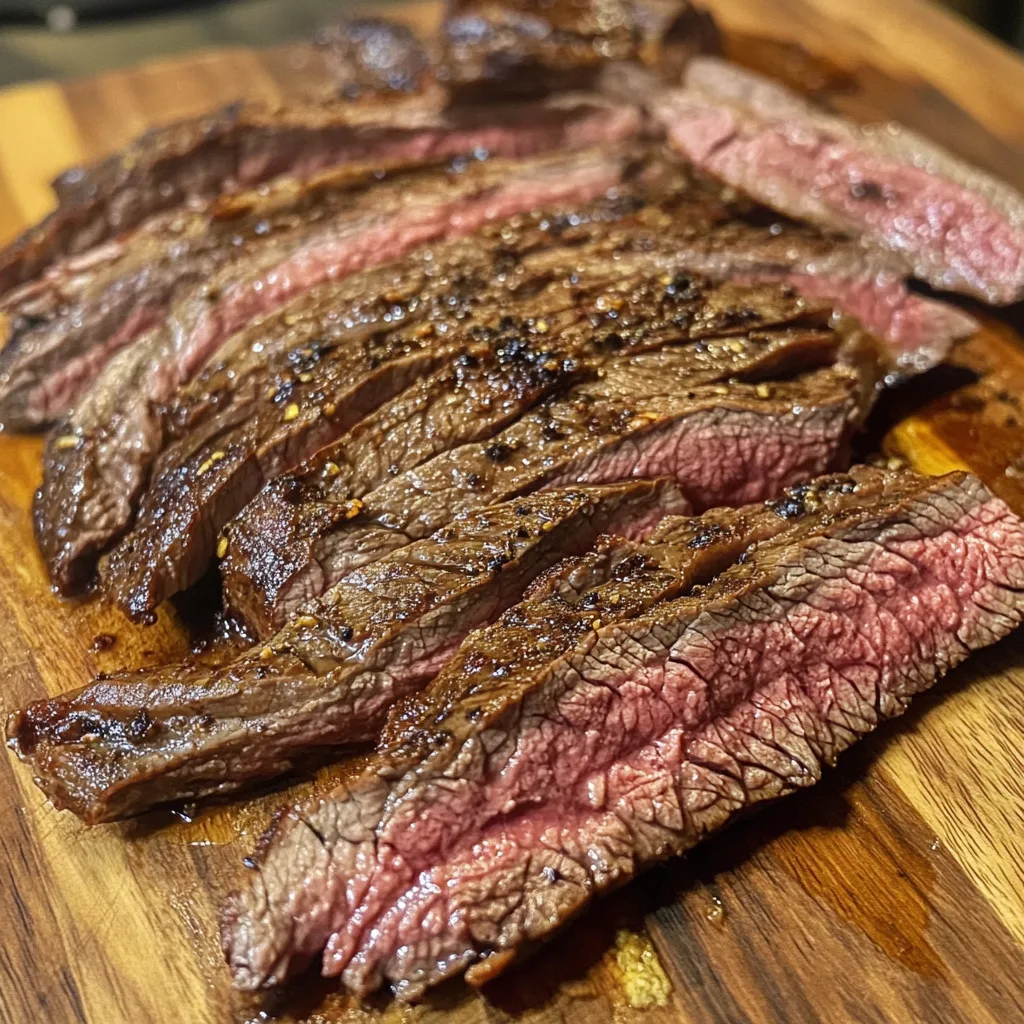
After the steak has rested, slice it against the grain into thin strips. This is paramount for skirt steak as it breaks up the long muscle fibers, making it incredibly tender. Taste the sauce and adjust seasonings as needed, adding more salt or pepper if desired. You can also thicken the sauce slightly by simmering uncovered for a few more minutes, or by stirring in a cornstarch slurry. Pour the rich, savory sauce over the sliced steak and serve immediately. For another delicious steak recipe, check out this Ultimate Philly Cheese Steak Sandwich.
Nutritional Information
Understanding the nutritional profile of what you eat can empower healthier choices without sacrificing flavor. Based on a 4-ounce serving of this Dutch Oven Skirt Steak, here’s an approximate breakdown, considering the lean nature of skirt steak and the fresh ingredients:
- Calories: 350-400 kcal (This can vary based on the specific cut of steak and oil used).
- Protein: 30-35g (Skirt steak is an excellent source of high-quality protein, essential for muscle repair and growth).
- Fat: 20-25g (Includes both healthy fats from olive oil and natural fats from the beef. A significant portion will be monounsaturated and polyunsaturated fats, which are heart-healthy).
- Saturated Fat: 8-10g (While present, the slow cooking helps render some fat, and portion control is key).
- Carbohydrates: 8-12g (Primarily from the onions, tomatoes, and a small amount from the broth. Minimal impact on blood sugar).
- Fiber: 2-3g (From the vegetables, supporting digestive health).
- Sodium: 400-600mg (Can be controlled by using low-sodium broth and seasoning judiciously. The FDA provides excellent guidelines on sodium intake, recommending awareness of daily limits to support overall cardiovascular health).
- Iron: 4-6mg (Beef is a fantastic source of heme iron, which is highly bioavailable and crucial for energy production).
- Vitamin B12: 2-3 mcg (Abundant in beef, vital for neurological function and red blood cell formation).
These figures are estimates and can fluctuate based on exact ingredient quantities and preparation methods. However, what remains consistent is the rich protein content and essential micronutrients found in quality beef, making this a robust and satisfying meal.
Healthier Alternatives for the Recipe
Enjoying deeply flavorful food doesn’t mean compromising your dietary goals. Here are some simple, yet impactful, ways to health-ify your Dutch oven preparation:
- Leaner Protein Options: While skirt steak is flavorful, you can opt for a leaner cut like sirloin or even poultry such as boneless, skinless chicken thighs. If using poultry, reduce the braising time to 30-40 minutes and ensure it reaches an internal temperature of 165°F (74°C). The slow cooking still ensures tenderness, just with less saturated fat.
- Boost Vegetable Content: Increase the amount of onions, or add other nutrient-dense vegetables directly into the Dutch oven during the braising phase. Sliced bell peppers (red, yellow, or orange for sweetness), mushrooms (cremini or shiitake for umami), or even diced carrots and celery can simmer alongside the steak, absorbing all the rich flavors and significantly boosting fiber and vitamin content.
- Reduce Sodium: Always opt for low-sodium beef broth. If using canned diced tomatoes, check for low-sodium varieties. Rely on fresh herbs, garlic, and smoked paprika to provide robust flavor without excessive salt. You can always add salt to taste at the very end.
- Control Fat: Trim any visible excess fat from the skirt steak before searing. After braising, once the Dutch oven sauce cools slightly, the rendered fat often rises to the top, making it easy to skim off with a spoon or fat separator. This significantly reduces the overall fat content of the dish without sacrificing flavor.
- Thicken Naturally: Instead of relying on flour or cornstarch to thicken the sauce (which adds extra carbohydrates), allow the sauce to reduce naturally over higher heat after removing the steak. The tomatoes and onions will break down, contributing to a naturally thicker consistency. Alternatively, for a creamy, low-carb option, you could stir in a spoon of Greek yogurt at the very end off the heat, for a tangy richness.
Serving Suggestions
This tender, flavorful beef deserves a supporting cast that elevates the entire dining experience. Here are some creative and personalized serving suggestions to make your meal truly memorable:
- Creamy Polenta or Mashed Potatoes: The rich, savory sauce from the Dutch oven is practically begging to be absorbed by something decadent. A silky smooth bed of polenta or fluffy mashed potatoes provides the perfect canvas, allowing every drop of flavor to be savored. Consider infusing your mash with roasted garlic or a hint of chives for extra zest.
- Crusty Artisan Bread: Don’t underestimate the simple pleasure of tearing off a piece of warm, crusty bread to sop up that glorious sauce. A sourdough boule or a hearty whole-grain baguette offers a delightful textural contrast and ensures no flavorful morsel goes to waste.
- Roasted Root Vegetables: For a wholesome and earthy side, toss chunks of carrots, parsnips, and sweet potatoes with a drizzle of olive oil, rosemary, and thyme, then roast until tender and caramelized. Their natural sweetness wonderfully balances the savory beef.
- Fresh Green Salad with Vinaigrette: To cut through the richness of the meat and sauce, a crisp, vibrant green salad is an excellent choice. Opt for peppery arugula or mixed greens, dressed with a bright lemon-herb vinaigrette. The acidity will refresh your palate between bites.
- Cauliflower Rice or Zucchini Noodles: For a lighter, lower-carb option, serve the skirt steak over a bed of cauliflower rice or gently sautéed zucchini noodles. These absorb the sauce beautifully without adding heavy starches, making it a perfect choice for those monitoring carbohydrate intake.
- Blistered Shishito Peppers: For a touch of elegant simplicity and a subtle pop of spice, quickly blister shishito peppers in a hot pan. A sprinkle of sea salt is all they need. They add a fresh, slightly smoky counterpoint to the rich beef.
Common Mistakes to Avoid
Even the most seasoned home cooks can fall into common traps. Being aware of these pitfalls will ensure your Dutch Oven Skirt Steak is a resounding success every time:
- Not Patting the Skirt Steak Dry: This is arguably the most common mistake. Moisture on the surface of the meat prevents a proper sear. Instead of browning, the steak will steam, resulting in a pale, less flavorful crust. Data from countless recipe tests consistently shows that a dry surface is paramount for the Maillard reaction, which develops deep, complex flavors. Always use paper towels to thoroughly dry your steak before seasoning.
- Overcrowding the Dutch Oven During Searing: When searing, if you put too much meat in the pot at once, the temperature of the pot drops significantly. This again leads to steaming rather than searing, and a lack of that delicious browned surface. If cooking more than 1.5-2 pounds of skirt steak, sear in batches.
- Rushing the Aromatics: The onions and garlic form the foundational flavor layer of your sauce. Sautéing the onions until properly softened and translucent (not just slightly warmed) allows their natural sugars to develop, creating a sweeter, deeper flavor profile. Similarly, allowing the garlic and spices to become fragrant for just a minute unlocks their full aroma; cutting this short means missing out on crucial complexity.
- Not Deglazing Properly: Those browned bits (fond) stuck to the bottom of the Dutch oven after searing the steak and sautéing the aromatics are packed with flavor. Failing to scrape them up with your liquid (the broth) means leaving deliciousness behind. Make sure to thoroughly scrape the bottom of the pot.
- Lifting the Lid Too Often During Braising: The beauty of Dutch oven cooking lies in its ability to create a consistent, humid, and warm environment. Every time you lift the lid, heat escapes, and the cooking temperature drops, extending the cooking time and potentially drying out the meat. Trust the process and keep that lid on tightly!
- Cutting Against the Grain (or Not at All): Skirt steak has very long muscle fibers. If you slice it with the grain, it will be incredibly chewy, no matter how tender you braise it. The difference in texture from slicing against the grain is transformative, making it tender and enjoyable. Always identify the grain and slice perpendicular to it.
Storing Tips for the Recipe
Maximizing the longevity and deliciousness of your leftovers is an art form. Here’s how to properly store your Dutch Oven Skirt Steak for future enjoyment:
- Cool Down Properly: The first and most critical step is to cool the steak and sauce quickly. Do not leave the Dutch oven at room temperature for more than two hours. Once the initial heat has dissipated (it’s warm to the touch, not piping hot), transfer the steak and sauce to airtight containers.
- Airtight Containers are Key: Use shallow, airtight containers to store both the sliced steak and the sauce separately, or together if preferred. This prevents air exposure, which can lead to spoilage and freezer burn. Glass containers are excellent as they don’t absorb odors or stains.
- Refrigeration: Stored in the refrigerator, the Dutch oven skirt steak and its sauce will remain fresh and delicious for 3-4 days. Ensure your refrigerator is set to 40°F (4°C) or below for optimal food safety.
- Freezing for Longer Storage: This recipe freezes beautifully! Place the cooled steak and sauce in freezer-safe containers or heavy-duty freezer bags. If using bags, squeeze out as much air as possible before sealing and laying flat to freeze, which saves space. Frozen, it will maintain its quality for up to 3 months. Beyond that, it’s still safe to eat, but the texture and flavor might slightly diminish.
- Thawing and Reheating: When ready to enjoy, thaw the frozen steak and sauce overnight in the refrigerator. Reheat gently on the stovetop over medium-low heat, in a covered pan, until warmed through. You can also microwave individual portions. A splash of extra beef broth or water can help keep the sauce from becoming too thick or the meat from drying out during reheating.
- Prepping Ahead: While this recipe is relatively quick, you can certainly prep the aromatics (slice onions, mince garlic) a day in advance and store them in the refrigerator to cut down on day-of cooking time. You can also sear the steak, set it aside, and build the sauce base, but it’s often easiest to complete the braising in one go for the best flavor infusion.
Conclusion
We’ve journeyed together through the art of transforming a robust cut into tender perfection, proving that sophisticated flavor doesn’t have to mean complicated cooking. The Dutch oven, a timeless kitchen workhorse, shines brightly here, effortlessly delivering a succulent skirt steak enveloped in a rich, aromatic sauce. This isn’t just about a meal; it’s about mastering a technique that empowers you to create exceptional dishes with confidence, even on a weeknight.
So, go ahead and conquer those culinary uncertainties! Give this Dutch Oven Skirt Steak recipe a try, and let its slow-cooked tenderness and profound flavors revolutionize your home dining. Did you make any clever substitutions? Or perhaps you found the perfect side dish that deserves a shout-out? Share your experiences and insights in the comments below – your culinary adventures inspire us all! And if you’re hungry for more effortless excellence, be sure to explore our other slow-cooking marvels and hearty beef recipes. Happy cooking!
FAQs
Q1: Can I use a regular pot instead of a Dutch oven?
While technically possible, a Dutch oven is highly recommended for this recipe. Its heavy construction and tight-fitting lid are specifically designed to retain and distribute heat evenly, creating a consistent, humid environment perfect for braising. A regular pot might not achieve the same tender results and could lead to drier meat or uneven cooking due to heat loss. If you don’t have a Dutch oven, use the heaviest pot you own and ensure it has a very snug-fitting lid.
Q2: Why is searing the skirt steak important if it’s going to braise?
Searing the skirt steak before braising is crucial for flavor development. This process, known as the Maillard reaction, creates a deeply browned, caramelized crust on the surface of the meat. This crust adds complex, savory notes that cannot be achieved through braising alone. It locks in flavor and contributes significantly to the final taste of the dish.
Q3: My sauce isn’t as thick as I’d like. How can I fix it?
There are a few ways to thicken your sauce. After removing the steak, you can let the sauce simmer vigorously, uncovered, for an additional 5-10 minutes to reduce and concentrate. Alternatively, for a quicker fix, mix 1 tablespoon of cornstarch with 2 tablespoons of cold water in a small bowl to create a slurry. Stir this into the simmering sauce and cook for another 1-2 minutes until it thickens.
Q4: Can I make this ahead of time? How does it reheat?
Absolutely! This recipe is fantastic for making ahead. In fact, many braised dishes, including this one, often taste even better the next day as the flavors have more time to meld and deepen. Store the cooked steak and sauce in an airtight container in the refrigerator for up to 3-4 days. To reheat, gently warm on the stovetop over low heat, adding a splash of beef broth or water if needed to maintain moisture. It reheats beautifully, making it perfect for meal prep.
Q5: What’s the best way to cut against the grain of skirt steak?
Identifying the grain in skirt steak is key to tenderness. Skirt steak has very long, distinct muscle fibers that run across the length of the meat. Before slicing, lay the cooked steak on a cutting board and look closely for these linear patterns. You want to place your knife perpendicular to these lines, creating short slices that break up the tough fibers. Slicing at a slight angle can also increase surface area for a more tender bite.