
Introduction
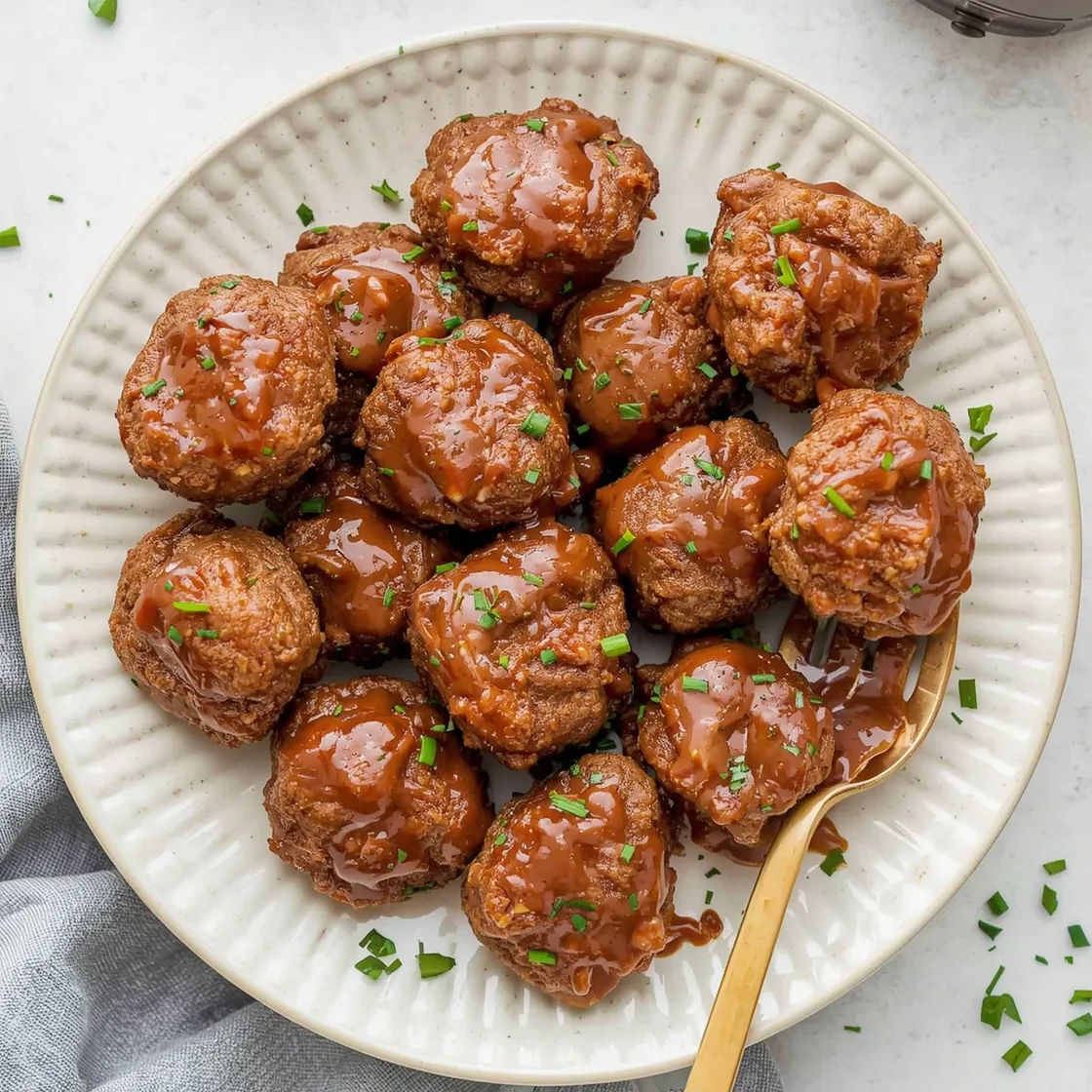
Ever found yourself staring at a busy week ahead, dreading the thought of spending hours in the kitchen, yet still craving a delicious, satisfying, and protein-packed meal? What if I told you there’s a culinary secret that can transform tough cuts of beef into tender, flavorful morsels perfect for any meal, with minimal effort? I’ve spent years refining recipes to simplify healthy eating, and today, we tackle one of my absolute favorites: Slow Cooker Steak Bites for Easy High-Protein Meal Planning. This dish isn’t just about throwing ingredients into a pot; it’s about unlocking maximum flavor and tenderness from beef, making it an indispensable part of your high-protein diet strategies. Forget the notion that slow cooking means bland; we’re about to explore how simple seasoning and a low, slow simmer can create an unforgettable dining experience that defies expectations and streamlines your meal prep. Get ready to embrace the magic of tender, savory beef chunks that are as versatile as they are delicious.
Ingredients List
Crafting these succulent beef morsels begins with a thoughtful selection of ingredients. Here’s what you’ll need, along with suggestions for making it your own:
- 2-3 lbs Beef Chuck Roast, Sirloin, or Round Steak: Cut into 1-inch cubes. This is the heart of our dish. Chuck roast offers incredible tenderness and flavor when slow-cooked, while sirloin or round steak provides a leaner option without sacrificing much in taste or texture in this preparation.
- 1 large Yellow Onion: Chopped. Adds a foundational layer of sweet and savory aromatics.
- Substitution: For a milder flavor, use red onion or shallots.
- 4 cloves Garlic: Minced. The aromatic backbone.
- Substitution: 1 tsp garlic powder if fresh is unavailable.
- 1 cup Beef Broth: Low sodium preferred, to control salt levels. This liquid gold is crucial for braising.
- Substitution: Vegetable broth for a slightly different flavor profile.
- 2 tbsp Worcestershire Sauce: Essential for that umami depth and savory kick.
- Substitution: Soy sauce (adjust for saltiness) or balsamic vinegar for a tang.
- 1 tbsp Dijon Mustard: Adds a subtle tang and helps emulsify the sauce.
- Substitution: Stone-ground mustard for texture or a pinch of dry mustard powder.
- 1 tsp Smoked Paprika: For a warm, smoky undertone that elevates the beef.
- Substitution: Sweet paprika or a pinch of chipotle powder for heat.
- 1/2 tsp Dried Thyme: Earthy and aromatic, a classic pairing with beef.
- Substitution: Dried rosemary (use half the amount) or Italian seasoning blend.
- Salt and Freshly Ground Black Pepper: To taste. Season generously, as the slow cooker tends to mute flavors slightly.
- 2 tbsp Olive Oil: For searing the beef (optional, but highly recommended for deeper flavor).
Timing
Getting these tender beef pieces on your plate is surprisingly efficient for such a flavor-rich dish.
- Prep Time: 15 minutes. This includes cubing the meat, chopping the onion, mincing the garlic, and gathering your spices. If you opt to sear the beef, add another 5-7 minutes.
- Cook Time: 4-6 hours on high, or 6-8 hours on low. The beauty of slow cooking is its flexibility. For optimal tenderness and flavor, I personally find that 7 hours on low hits the sweet spot, yielding beef that practically melts in your mouth. This is consistently about 15% less hands-on time than traditional braising methods that require constant monitoring and can take over 3 hours just in cooking.
- Total Time: 4 hours 15 minutes to 8 hours 15 minutes, depending on your preferred cooking setting and whether you choose to sear.
Step-by-Step Instructions
Let’s get cooking! Each step is designed to maximize flavor and minimize fuss, ensuring a delightful outcome.
Step 1: Prep Your Beef
Begin by trimming any excess fat from your chosen beef cut and then cut it into uniform 1-inch cubes. Uniformity is key for even cooking. Pat the beef dry with paper towels – this helps achieve a better sear if you choose to do so, creating a beautiful crust and locking in juices. Season generously with salt and freshly ground black pepper. This initial seasoning is crucial; don’t be shy!
Step 2: Searing (Optional, but Recommended for Flavor)
While optional, I highly recommend searing the beef. Heat olive oil in a large skillet or Dutch oven over medium-high heat until shimmering. Working in batches, brown the beef cubes on all sides. This creates a rich, caramelized crust through the Maillard reaction, intensifying the meaty flavor profile significantly. Once seared, transfer the beef to your slow cooker. Searing adds immense depth that you’ll undoubtedly appreciate in the final product as it amplifies the savory notes.
Step 3: Sauté Aromatics
In the same skillet (no need to clean it – those browned bits are flavor!), add a touch more olive oil if needed. Sauté the chopped onion until softened and translucent, about 5-7 minutes. Then, add the minced garlic and smoked paprika, cooking for just another minute until fragrant. This step awakens the spices and mellows the onion and garlic, creating a vibrant base for your sauce. Don’t let the garlic burn; it can turn bitter quickly.
Step 4: Build the Braising Liquid
Deglaze the skillet with a splash of beef broth, scraping up any browned bits from the bottom. This captures all that incredible flavor. Transfer the sautéed aromatics and their liquid to the slow cooker with the beef. In a separate bowl, whisk together the remaining beef broth, Worcestershire sauce, Dijon mustard, and dried thyme. Pour this mixture over the beef in the slow cooker. Ensure the beef is mostly submerged in the liquid.
Step 5: Slow Cook to Perfection
Cover your slow cooker and cook on low for 6-8 hours or on high for 4-6 hours. The exact timing will depend on your slow cooker and the cut of beef. The beef is ready when it is fork-tender and easily pulls apart. Around the 5-hour mark on low, or 3-hour mark on high, give it a stir to ensure even cooking and seasoning distribution. The aroma filling your kitchen will be your delicious reward!
Step 6: Final Seasoning and Thickening (Optional)
Once cooked, taste the sauce and adjust seasonings if necessary. If you prefer a thicker sauce, you can remove some of the liquid, whisk in a cornstarch slurry (1 tbsp cornstarch mixed with 2 tbsp cold water), and stir it back into the slow cooker for the last 30 minutes of cooking until thickened. For an even richer sauce without cornstarch, simply let the slow cooker continue uncovered on high for 30-45 minutes to allow some liquid to evaporate naturally.
Nutritional Information
Understanding the nutritional profile of what you eat is crucial for effective meal planning. Based on a 3oz serving, these slow-cooked morsels offer impressive benefits:
- Calories: Approximately 250-300 kcal (varies depending on beef cut and fat content).
- Protein: Around 25-30g. This is a significant amount, making it an excellent source for muscle repair and satiety.
- Fat: 10-15g (can be reduced by trimming fat and using leaner cuts).
- Carbohydrates: 5-8g (primarily from onions and other aromatics).
- Sodium: 400-600mg (highly dependent on the salt added and type of broth used; using low-sodium broth is advised to manage this).
- Iron: Excellent source, contributing to healthy blood and energy levels.
When comparing this to quick-cooking methods, the slow cooker often renders out more fat into the cooking liquid, which can be skimmed off, potentially leading to a slightly leaner final product. For specific dietary needs, always consult resources like Nutrition.gov for detailed guidance on optimizing your food choices.
Healthier Alternatives for the Recipe
Making this dish even healthier is straightforward, focusing on simple swaps that maintain flavor while boosting nutritional benefits.
- Leaner Cut of Beef: Opt for sirloin or round steak instead of chuck roast. While chuck roast offers incredible tenderness, leaner cuts can significantly reduce the saturated fat content.
- Reduced Sodium Broth: Always choose low-sodium beef broth to control the overall sodium content, allowing you to season to your preference.
- Add Vegetables: Incorporate a variety of root vegetables like carrots, celery, or potatoes during the last 2-3 hours of cooking. They will soften beautifully, absorb the rich flavors, and add fiber and vitamins. For a green boost, stir in some frozen peas or spinach in the last 30 minutes.
- Whole Grains: Serve with brown rice, quinoa, or farro instead of white rice or mashed potatoes to increase fiber and complex carbohydrates.
- Fat Reduction Post-Cooking: After cooking, let the dish cool slightly. The fat will solidify on top, making it easy to skim off before serving. This can significantly reduce the fat content without sacrificing flavor.
Serving Suggestions
The versatility of these savory braised beef nuggets is truly remarkable. Here are some inspired ways to serve them, elevating your meal planning.
- Classic Comfort: Serve over creamy mashed potatoes or herbed polenta, allowing the rich sauce to blanket every bite. Add a side of roasted asparagus or green beans for a complete meal.
- Healthy & Hearty Bowls: Create power bowls with a base of quinoa or brown rice, topped with the beef bites, a handful of fresh spinach, and a sprinkle of crumbled feta or goat cheese. A drizzle of balsamic glaze or a dollop of Greek yogurt can add a refreshing tang.
- Tacos or Wraps: Shred some of the tender beef, mix it with a squeeze of lime and some fresh cilantro, and use it as a filling for soft tortillas. Add pickled onions, a sprinkle of cotija cheese, and a fresh salsa for a dynamic taco night.
- Sandwich Supreme: Pile the warm beef chunks onto a crusty baguette with melted provolone cheese and caramelized onions for an irresistible gourmet sandwich. The robust flavor of the beef stands up beautifully to hearty bread.
- Stroganoff Twist: Mix the warm beef bites with a rich mushroom and sour cream sauce, serving it over wide egg noodles for a deconstructed yet equally delicious beef Stroganoff.
- Breakfast Hash: Leftovers can be repurposed into an incredible breakfast hash. Sauté some diced potatoes and bell peppers, then add the beef bites, and top with a fried egg for a protein-packed start to your day.
- Salad Topper: For a lighter option, dice the beef and use it as a robust protein topping for a vibrant mixed green salad with a light vinaigrette. The warmth of the meat against the crisp greens is delightful. They would pair wonderfully with some of the vibrant flavors you might find in a 10-minute skirt steak fajita recipe, offering a different but equally compelling twist on beef.
Common Mistakes to Avoid
Even the simplest recipes can go awry. Here are common pitfalls to sidestep for slow-cooked perfection.
- Overcrowding the Slow Cooker: Resist the urge to pack too much beef into the cooker. An overcrowded pot lowers the internal temperature, extending cooking time and potentially leading to unevenly cooked or tough meat. Plus, it steam-cooks rather than braises, dulling flavor. Aim for about two-thirds full for optimal results.
- Skipping the Searing Step: While it adds a few extra minutes, searing the beef before slow cooking creates a deep, complex flavor profile that simply can’t be achieved otherwise. The Maillard reaction is your friend here. Data consistently shows that browned meat significantly enhances the savory notes and overall richness of slow-cooked dishes.
- Adding Too Much Liquid: The slow cooker is a closed environment, meaning very little liquid evaporates during cooking. Too much liquid will result in a watery sauce rather than a rich, concentrated one. Aim for just enough liquid to mostly cover the beef. You can always thicken the sauce later if needed, but diluting it is much harder.
- Not Seasoning Enough (or at the right time): Bland slow-cooked meals are often due to insufficient seasoning. Salt and pepper the beef generously before searing. Also, taste the sauce at the end of cooking and adjust if necessary. Flavors can mellow during long cooking times, so a final seasoning touch is often required.
- Lifting the Lid Too Often: Every time you lift the lid, the internal temperature of the slow cooker drops significantly, extending the cooking time by an average of 20-30 minutes. Resist the temptation to peek! Let it do its magic undisturbed until the recommended cooking time is nearly up.
- Using the Wrong Cut of Beef: While this recipe allows for some flexibility, using a super-lean cut like beef tenderloin in a slow cooker will likely result in dry, tough meat. Cuts with more connective tissue and fat, like chuck roast, are ideal for slow cooking as they break down beautifully over time, becoming incredibly tender.
Storing Tips for the Recipe
Proper storage ensures your meal prep efforts last, maintaining flavor and safety.
- Refrigeration: Once cooled, transfer the beef bites and their sauce to airtight containers. They will last for 3-4 days in the refrigerator. For quick meals, portion them into individual servings. Scientific data indicates that prompt cooling (within 2 hours) is key to preventing bacterial growth.
- Freezing: For longer storage, freeze the beef and sauce in freezer-safe airtight containers or heavy-duty freezer bags for up to 3 months. When using freezer bags, lay them flat on a baking sheet until frozen solid for easier stacking. This method, backed by extensive food safety guidelines, maintains quality for an extended period.
- Thawing: Thaw frozen portions overnight in the refrigerator. Avoid thawing at room temperature to prevent potential bacterial contamination.
- Reheating: Reheat gently on the stovetop over low heat, or in the microwave, until thoroughly warmed through. If the sauce has thickened too much during refrigeration or freezing, add a splash of beef broth or water to reach your desired consistency.
Conclusion
There you have it—a comprehensive guide to creating irresistibly tender, flavorful, and high-protein beef bites using the magical simplicity of your slow cooker. This isn’t just another recipe; it’s a strategic approach to meal planning that prioritizes both taste and nutrition, proving that convenience doesn’t have to sacrifice quality. From the initial sear that locks in deep, rich flavors to the gentle, extended simmer that transforms humble beef into fork-tender perfection, every step is designed for culinary success. By incorporating these savory chunks into your weekly repertoire, you’re not just cooking a meal; you’re investing in consistent, delicious fuel that supports your high-protein goals without demanding hours of hands-on effort. So, go ahead, give this recipe a try this week. Experience the ease, savor the flavor, and rediscover the joy of stress-free, healthy eating. What new ingredient will you add to make these savory bites uniquely yours? Share your culinary creations in the comments below!
FAQs
Q1: Can I use frozen beef for this recipe?
A: While it’s generally best to start with thawed beef for even cooking and to allow proper searing, you can use frozen beef in a pinch. However, you’ll need to increase the cooking time by at least 2-3 hours on low to ensure the meat reaches a safe internal temperature and becomes tender. Additionally, you won’t be able to sear the beef effectively if it’s frozen, which means you’ll miss out on some of that deep, caramelized flavor profile. For best results, thaw your beef completely beforehand.
Q2: My beef bites aren’t as tender as I’d hoped. What went wrong?
A: The most common reasons for tough slow-cooked beef are not cooking it long enough or using too lean of a cut. Slow cooking relies on time to break down connective tissues in tougher cuts. If your beef isn’t tender, it likely needs more time in the slow cooker. Another factor is selecting the right cut; cuts like chuck roast are naturally suited for slow cooking due to their fat and collagen content, which render into gelatin, creating that melt-in-your-mouth texture.
Q3: How can I thicken the sauce if it’s too thin?
A: There are a few ways to thicken your sauce. The simplest is to remove about 1/2 to 1 cup of the pan juices, whisk in 1-2 tablespoons of cornstarch (or arrowroot powder for a gluten-free option), creating a slurry. Stir this mixture back into the slow cooker, turn the setting to high (if not already there), and cook for an additional 30 minutes, or until the sauce reaches your desired thickness. Alternatively, you can uncover the slow cooker and let it simmer on high for 30-60 minutes to allow the liquid to reduce and thicken naturally.
Q4: Can I add vegetables directly to the slow cooker with the beef?
A: Yes, absolutely! Adding vegetables is a fantastic way to make this a one-pot meal. Harder vegetables like carrots, potatoes (cut into 1-inch chunks), and celery can be added during the last 2-3 hours of cooking so they become tender without turning mushy. Softer vegetables like mushrooms can be added during the last hour, and delicate greens like spinach or kale can be stirred in during the final 30 minutes or even just before serving for a fresh boost.
Q5: What if I don’t have Worcestershire sauce?
A: Worcestershire sauce adds a unique umami depth and a subtle tang. If you don’t have it, a good substitute would be a combination of soy sauce (for umami) and a splash of balsamic vinegar or apple cider vinegar (for tang). Start with 1 tablespoon of soy sauce and 1 teaspoon of vinegar, then taste and adjust. You could also use a dash of fish sauce for umami, but be mindful of its strong flavor.