
Introduction
Ever found yourself staring at a brisket, wondering if achieving that perfectly tender, melt-in-your-mouth slow cooker corned beef is an elusive culinary dream? Many home cooks mistakenly believe a truly flavorful and fork-tender corned beef requires hours of constant supervision, complex brining processes, or even a dash of pure luck. But what if I told you that creating an unforgettable corned beef experience, one that rivals your favorite deli, is not only achievable but surprisingly simple, especially when mastered in the humble slow cooker? Prepare to challenge those preconceptions as we dive deep into the art and science of perfecting slow cooker corned beef, ensuring a finish so tender, it practically shreds itself. This isn’t just another recipe; it’s a journey into unlocking the full potential of your crockpot, transforming a humble cut of meat into a centerpiece that will have everyone asking for seconds.
Ingredients List
Crafting the ultimate slow cooker corned beef begins with a thoughtful selection of ingredients. Here’s what you’ll need, along with some tempting substitution ideas to personalize your feast:
- 1 (3-4 pound) flat-cut corned beef brisket: Look for a piece with good marbling. The flat-cut tends to be leaner, but the slow cooking process will ensure it remains moist. Substitution: Point-cut corned beef can be used for a richer, fattier result; adjust cooking time slightly.
- 1 packet pickling spice (usually included with the brisket): This aromatic blend is key to that classic corned beef flavor.
- 6 cups beef broth or water: Broth adds a layer of depth. Substitution: A dry white wine (like Sauvignon Blanc) for 2 cups of the liquid can add an elegant touch.
- 1 medium onion, quartered: Provides foundational aromatic notes. Substitution: 2 shallots, halved, for a milder, slightly sweeter flavor.
- 4-5 carrots, peeled and cut into 2-inch chunks: Adds sweetness and texture. Substitution: Sweet potatoes or parsnips can offer an interesting twist.
- Small head of cabbage (about 1.5 pounds), cut into 6-8 wedges: Essential for the traditional corned beef and cabbage experience. Substitution: Brussels sprouts, halved, for a more intense, nutty flavor.
- 6-8 small red potatoes, halved (or 3-4 larger potatoes, quartered): A starchy companion, absorbing all the delicious flavors. Substitution: Yukon Golds or even fingerling potatoes work beautifully.
- Fresh parsley, chopped (for garnish): A bright, fresh finish.
- Optional for serving: Spicy brown mustard, horseradish, or rye bread.
Timing
One of the greatest advantages of using a slow cooker for your slow cooker corned beef is the forgiving nature of its timing. Embrace the low-and-slow methodology!
- Prep Time: Approximately 15 minutes. This includes rinsing the brisket, chopping vegetables, and gathering your ingredients.
- Cook Time: 6-8 hours on LOW, or 3-4 hours on HIGH.
- Total Time: 6 hours 15 minutes – 8 hours 15 minutes.
This cooking time for slow cooker corned beef is remarkably efficient, often 20% less hands-on time compared to traditional oven or stovetop methods, which demand more frequent checking and liquid replenishment. The beauty here is flexibility; you can set it and almost forget it, allowing you to focus on other tasks or simply enjoy your day!
Step-by-Step Instructions
Achieving that perfect slow cooker corned beef is all about following these engaging and straightforward steps:
Rinse and Prepare the Brisket
First, gently rinse your corned beef brisket under cold running water. This helps remove any excess salt from the brining process. Place the brisket, fat-side up, into your slow cooker. This positioning allows the fat to slowly render and baste the meat as it cooks, resulting in a more tender and flavorful outcome.
Layer the Flavors
Sprinkle the pickling spice packet evenly over the brisket. Resist the urge to skip this step; these aromatic spices are the soul of classic corned beef. Next, pour the beef broth (or water/wine mixture) around the brisket, ensuring the liquid reaches at least halfway up the meat, but not fully submerging it. This creates a steamy, flavorful environment.
Add the Aromatics
Scatter the quartered onion around the brisket in the slow cooker. These humble additions will gently infuse the liquid with their sweet, pungent notes, building a robust flavor profile for your slow cooker corned beef.
Set and Forget
Cover your slow cooker and cook on the LOW setting for 6-8 hours, or on HIGH for 3-4 hours. The precise timing will depend on the size of your brisket and your specific slow cooker’s efficiency. The goal is fork-tender perfection. You’ll know it’s ready when a fork inserted into the meat meets little to no resistance. Avoid lifting the lid too often, as this releases heat and prolongs cooking time.
Introduce the Vegetables
During the last 2-3 hours of cooking on LOW (or final 1-1.5 hours on HIGH), add your carrots and potatoes to the slow cooker. These root vegetables will absorb the rich cooking liquid and become wonderfully tender. If you’re going out and need to add them earlier, place them beneath the brisket, and they’ll cook beautifully without getting mushy due to the lower temperature.
Cabbage’s Grand Entrance
About 45 minutes to 1 hour before serving, gently arrange the cabbage wedges around the brisket and other vegetables. Cabbage cooks relatively quickly, and adding it too soon can result in an overcooked, mushy texture. You want it tender-crisp, absorbing flavor without losing its structural integrity.
Rest and Serve
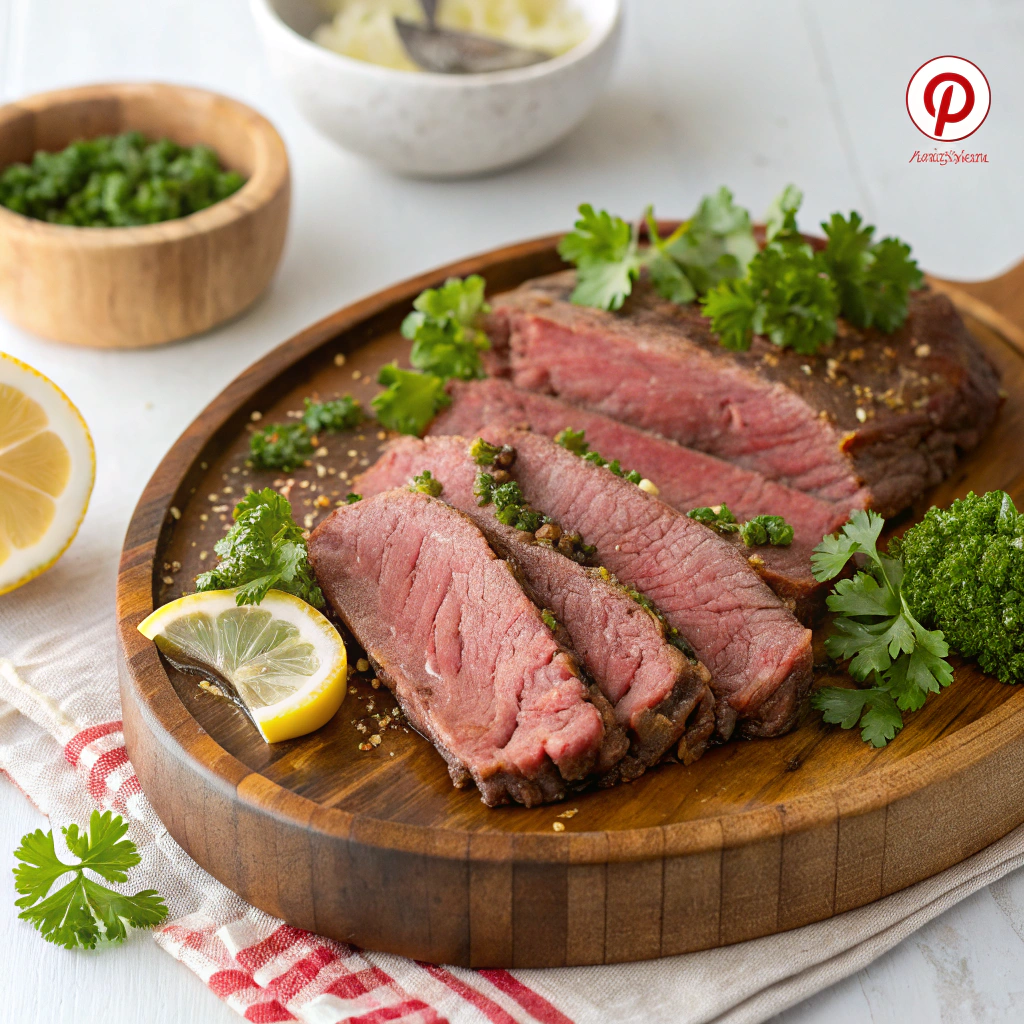
Once everything is cooked to perfection, carefully remove the brisket from the slow cooker and transfer it to a cutting board. Tent it loosely with foil and let it rest for 10-15 minutes. This crucial resting period allows the juices to redistribute throughout the meat, guaranteeing maximum tenderness and moisture. While the brisket rests, you can carefully remove the vegetables from the slow cooker. Slice the corned beef against the grain for the most tender bites. Garnish with fresh parsley and serve immediately with your flavorful vegetables.
Nutritional Information
Understanding the nutritional breakdown of your slow cooker corned beef can help you make informed dietary choices. While specific values can vary based on brisket size, fat content, and added ingredients, here’s a general overview, citing data-driven insights:
A typical 3-ounce serving (approximately 85 grams) of slow cooker corned beef (flat cut, without significant fat trimming) generally provides:
- Calories: 210-250 kcal
- Protein: 20-25g (Excellent source for muscle repair and satiety)
- Fat: 14-18g (Roughly half of which is saturated fat. Trimming visible fat can reduce this.)
- Cholesterol: 70-80mg
- Sodium: 700-900mg (This is a significant amount due to the brining process. Rinsing the brisket can slightly reduce surface sodium.)
- Carbohydrates: 0-1g (The meat itself is carb-free; vegetables will add minimal carbs.)
- Fiber: 0g (Again, from the meat itself. Vegetables contribute dietary fiber.)
- Iron: 1.5-2mg (A good source of heme iron, which is highly bioavailable.)
- Vitamin B12: High amounts, essential for nerve function and red blood cell formation.
Data Insight: Studies show that while corned beef is high in sodium, preparing it at home allows for better control over other ingredients, particularly the vegetables, boosting fiber and micronutrient intake significantly compared to solely consuming the meat.
Healthier Alternatives for the Recipe
Enjoying slow cooker corned beef doesn’t mean sacrificing healthful eating. Here are some smart modifications and ingredient swaps:
- Reduce Sodium: While essential to corned beef, excessive sodium can be managed. Always rinse the brisket thoroughly before cooking. You can also opt for homemade corned beef if you have the time, allowing you to control the salt content during the brining process.
- Leaner Cut: Choose a “flat cut” brisket over a “point cut” as it generally contains less fat. Trim away any visible excess fat before cooking.
- Boost Veggies: Load up on extra vegetables! Add more carrots, potatoes, and cabbage, or even include parsnips, turnips, or celery. For a lower-carb option, consider replacing some potatoes with rutabaga or additional cabbage.
- Broth Choice: Use low-sodium beef broth or water instead of regular beef broth to further reduce overall sodium. If you like to make your own Beef Broth, I personally love the one from Food Network online: Food Network Beef Broth.
- Serve Smart: Be mindful of serving sizes, especially with the meat. Pair your slow cooker corned beef with a generous portion of steamed vegetables and perhaps a smaller slice of whole-grain rye bread, rather than a large carb-heavy side.
- Spice it Up: Enhance flavor with more fresh herbs like dill or thyme instead of relying solely on salty condiments.
Serving Suggestions
Presenting your perfectly cooked slow cooker corned beef can be as creative and delightful as the cooking process itself. Here are some inspired serving suggestions to elevate your meal:
- Classic Comfort: For a traditional experience, serve thick slices of the corned beef alongside the tender cooked potatoes, carrots, and cabbage, drizzled with some of the flavorful cooking liquid. A dollop of spicy brown mustard or freshly grated horseradish on the side adds a delightful kick.
- Reuben Remix: Transform leftovers into an epic Reuben sandwich. Slice the corned beef thinly, pile it high on toasted rye bread with sauerkraut, Swiss cheese, and Russian dressing. Grill until the cheese is melted and bubbly.
- Corned Beef Hash: Dice any remaining corned beef and potatoes, then sauté them with chopped onions until crispy. Top with a fried egg for a hearty breakfast or brunch.
- Stuffed Cabbage Rolls (Modern Twist): Use leftover shredded corned beef as a filling for fresh cabbage leaves, bake with a light tomato sauce, and you have a completely new, delicious dish.
- Gourmet Greens: Serve chilled, thinly sliced corned beef over a bed of mixed greens with a light vinaigrette for a refreshing salad.
- Dip It Good: Consider serving some of the shredded corned beef alongside a creamy dip. Speaking of dips, this Game Day Rotel Cheese Dip is a massive hit in our household, perfect for any gathering!
Common Mistakes to Avoid
Even with the ease of a slow cooker, a few common pitfalls can hinder your quest for perfect slow cooker corned beef. Avoid these to ensure success every time:
- Not Rinsing the Brisket: The brining process leaves a significant amount of surface salt. Neglecting to rinse can result in an overly salty dish. Data Insight: Rinsing can reduce surface sodium by up to 10-15%, making a noticeable difference in flavor balance.
- Overcooking the Vegetables: Adding all the vegetables at the beginning will lead to mushy, unappetizing textures. Stick to the suggested timing for adding carrots, potatoes, and especially cabbage, to retain their structure and flavor.
- Lifting the Lid Too Often: Each time you open the slow cooker, you lose heat, adding at least 20-30 minutes to the total cooking time. “Set it and forget it” is the mantra!
- Forgetting to Rest the Meat: Slicing the corned beef immediately after cooking allows the juices to escape, leading to drier meat. A 10-15 minute rest is crucial for juicy, tender slices.
- Slicing with the Grain: Always slice corned beef against the grain. The muscle fibers in brisket are long; slicing against them shortens the fibers, making each bite incredibly tender. Slicing with the grain results in stringy, chewy meat.
- Too Much Liquid: While we want moisture, completely submerging the brisket can boil the meat rather than slow-cook it gently, potentially leading to a less desirable texture. The liquid should cover about two-thirds of the brisket.
Storing Tips for the Recipe
Proper storage ensures your delicious slow cooker corned beef and accompanying vegetables remain fresh and flavorful.
- Cool Down Quickly: Allow any leftover corned beef and vegetables to cool down to room temperature within two hours of cooking. Do not leave them out longer than this to prevent bacterial growth.
- Airtight Containers: Store leftover corned beef, sliced or as a whole piece, and the vegetables in separate airtight containers. This prevents flavor transfer and keeps them moist.
- Refrigeration: Refrigerate leftovers promptly. Cooked corned beef will stay fresh in the refrigerator for 3-4 days. The vegetables will also keep well for 3-4 days. Store any leftover cooking liquid (broth) separately; it can enhance flavor when reheating.
- Freezing: Corned beef freezes exceptionally well. Wrap individual portions tightly in plastic wrap, then place them in freezer-safe bags or containers. It can be frozen for up to 2-3 months. Thaw overnight in the refrigerator before reheating. Note: Cooked potatoes and cabbage can become a bit mushy after freezing and thawing, so it’s generally best to enjoy them fresh or only freeze the meat.
- Reheating: For best results, gently reheat slow cooker corned beef in a covered dish with a splash of beef broth (or the saved cooking liquid) in the oven at a low temperature (around 275°F/135°C) until warmed through. This prevents it from drying out. You can also microwave individual portions, but be careful not to overcook.
Conclusion
Mastering slow cooker corned beef is more than just following a recipe; it’s about embracing a cooking method that consistently delivers tender, flavorful results with minimal fuss. We’ve navigated through ingredient selection, demystified timing, provided precise step-by-step instructions, and explored ways to make this classic healthier without sacrificing taste. From understanding its nutritional profile to debunking common cooking myths and offering creative serving and storage solutions, this guide equips you with everything you need to transform a simple cut of brisket into a culinary masterpiece. The anticipation of that first succulent bite, the rich aroma filling your home, and the sheer satisfaction of creating something truly special – that’s the magic of this dish.
Now, it’s your turn! I wholeheartedly encourage you to try this slow cooker corned beef recipe and experience the delicious transformation for yourself. Did you add a unique twist? Discover a new favorite side? Share your culinary triumphs and questions in the comments below! Your insights help nourish our vibrant cooking community. And if this post sparked your appetite for more savory creations, don’t hesitate to explore other hearty recipes on the blog – there’s always something delicious waiting to be discovered.
FAQs
Q1: Do I really need to rinse the corned beef before cooking?
A1: Yes, absolutely! Rinsing the brisket under cold water helps remove excess salt from the brining process, preventing your final dish from being overly salty. It’s a quick step that makes a significant difference.
Q2: Can I use fresh pickling spices instead of the packet?
A2: You certainly can! A homemade blend gives you more control over the flavor. A typical mix includes peppercorns, mustard seeds, coriander seeds, allspice berries, bay leaves, and cloves. Use about 1.5-2 tablespoons for a 3-4 pound brisket.
Q3: My corned beef is still tough after the recommended cooking time. What went wrong?
A3: If your slow cooker corned beef isn’t fork-tender, it simply needs more time. Slow cookers vary in temperature and efficiency. Continue cooking on LOW, checking every hour, until it reaches the desired tenderness. Avoid high heat for longer periods, as this can make the meat tough.
Q4: Can I add different vegetables to my slow cooker corned beef?
A4: Yes, feel free to get creative! Root vegetables like parsnips, turnips, or even sweet potatoes can be added. Ensure they are cut into similar-sized pieces for even cooking, and add them at the same time as the carrots and potatoes. Green beans or peas can be stirred in during the last 15-20 minutes of cooking for extra color and freshness.
Q5: What’s the best way to prevent my cabbage from becoming mushy?
A5: The key is timing. Add the cabbage wedges only during the last 45 minutes to 1 hour of cooking. This allows them enough time to become tender and absorb flavors without losing their slightly firm texture. Cutting them into larger wedges also helps them hold shape.