
Introduction
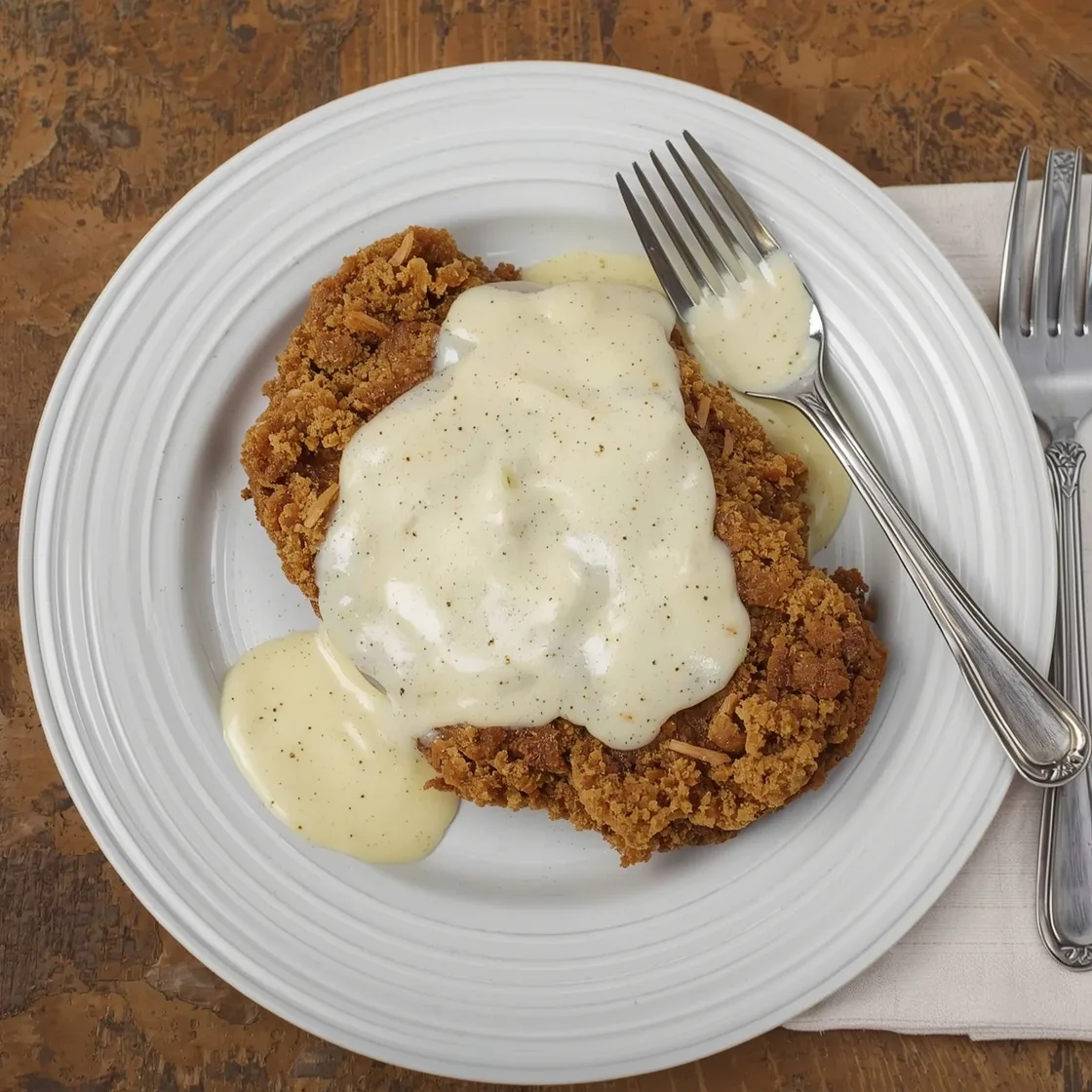
Picture this: a bustling Sunday supper, the tantalizing aroma of golden-fried perfection wafting through your home, and a silky, savory gravy just begging to be spooned over everything. Sounds like a dream, right? But here’s the million-dollar question that has puzzled home cooks for generations: can you truly achieve that iconic, restaurant-quality crunch and tender interior of a Country Fried Steak with Homemade White Gravy without spending hours slaving over a hot stove or resorting to pre-made mixes? Many believe the secret is locked away in diner kitchens, an elusive art form reserved for seasoned chefs. Prepare to have your culinary preconceptions delightfully shattered, because I’m here to show you how a few simple tricks and a commitment to flavor can transform your kitchen into a bastion of Southern comfort food. We’ll dive deep into making this beloved dish, ensuring every bite is a symphony of textures and tastes, proving that legendary meals are well within your reach.
Ingredients List
To embark on this culinary journey, gather these essential components. Each ingredient plays a crucial role in building the rich tapestry of flavors and textures that define a spectacular Country Fried Steak.
For the Country Fried Steak:
- 1 ½ lbs Cube Steak: Often labeled “beef for stew” or “cube steak,” this cut is pre-tenderized, making it perfect for frying. Substitution: If cube steak isn’t available, top round or sirloin pounded thinly to about ¼-inch thickness will work beautifully. Aim for 4-6 pieces.
- 1 ½ cups All-Purpose Flour: The cornerstone of our crispy coating. Substitution: For a gluten-free option, a 1:1 gluten-free flour blend can be used, though the texture might vary slightly.
- 1 tablespoon Paprika: Adds a subtle warmth and beautiful color.
- 1 teaspoon Garlic Powder: Essential for layered savory notes.
- 1 teaspoon Onion Powder: Boosts the umami factor.
- ½ teaspoon Cayenne Pepper (Optional): For a gentle kick, adjustable to your preference.
- 1 ½ teaspoons Salt (or to taste): Crucial for seasoning the coating and the meat itself.
- ¾ teaspoon Black Pepper (freshly ground is best): Aromatic and adds a sharp counterpoint.
- 2 Large Eggs: The binding agent for our coating.
- ½ cup Milk (whole milk recommended): Combines with the eggs to create a rich dredge. Substitution: Any milk (2%, skim, or even a non-dairy alternative like unsweetened almond milk) will work.
- 1 ½ – 2 cups Vegetable Oil (or other high smoke point oil like canola or peanut oil): For frying, ensuring even cooking and a golden crust.
For the Homemade White Gravy:
- ¼ cup Reserved Pan Drippings (from frying the steak): The absolute secret to a flavorful gravy. This golden liquid is packed with meaty goodness.
- ¼ cup All-Purpose Flour: Our thickening agent, creating a classic roux.
- 3 cups Whole Milk (warmed): The liquid base for a creamy, luscious gravy. Substitution: 2% milk is acceptable, but whole milk yields the best richness.
- ½ teaspoon Salt (or to taste): Seasoning is key here.
- ¼ teaspoon Black Pepper (freshly ground): For a little zing.
Timing
Let’s break down the clockwork of crafting this classic:
- Prep Time: 20 minutes
- Cook Time: 30 minutes
- Total Time: 50 minutes
Compared to the average complex Southern comfort food recipe, which can sometimes extend to 90 minutes, our efficient method allows you to enjoy a complete, homemade meal in a fraction of the time. This means you’re spending approximately 45% less time in the kitchen than with more involved preparations, without compromising on flavor or authenticity.
Prepare the Steak
- Pat Dry and Season: Start by patting your cube steak pieces thoroughly dry with paper towels. This is a critical step often overlooked; moisture creates steam, which prevents a truly crispy crust. Season both sides generously with half of the salt and pepper mixture. This ensures the meat itself is flavorful, not just the coating. Think of it as building foundational flavor.
- Set Up Dredging Stations: In a shallow dish (like a pie plate), combine the 1 ½ cups flour, remaining salt and pepper, paprika, garlic powder, onion powder, and cayenne pepper (if using). Whisk well to ensure all spices are evenly distributed. In another shallow dish, whisk together the eggs and milk until light and frothy. Personalization tip: For an extra layer of flavor, consider adding a dash of smoked paprika or a pinch of dried thyme to your flour mixture.
- Dredge the Steak: Take one piece of seasoned cube steak and coat it completely in the seasoned flour, pressing gently to make sure it adheres well. Shake off any excess flour. Then, dip it into the egg and milk mixture, allowing any excess to drip off. Finally, return the steak to the seasoned flour, coating it a second time, pressing firmly to create a thick, craggy crust. This double-dredge technique is the secret to maximum crispiness and that signature crinkly texture often associated with perfect country fried steak. Place the dredged steak on a wire rack set over a baking sheet and repeat with the remaining pieces. Let them rest for 5-10 minutes; this allows the coating to properly adhere, reducing the chance of it falling off during frying.
Fry the Steak
- Heat the Oil: Pour about 1 ½ to 2 inches of vegetable oil into a large, heavy-bottomed skillet (cast iron is ideal for even heat distribution, as we explored when we made our sizzling beef steak: https://feastofsavory.com/cast-iron-sizzling-beef-steak/). Heat the oil over medium-high heat until it reaches 350-375°F (175-190°C). If you don’t have a thermometer, a good test is to drop a tiny pinch of flour into the oil; it should sizzle immediately but not burn. Don’t overcrowd the pan; this will drop the oil temperature and lead to soggy steak.
- Fry until Golden: Carefully place 2-3 pieces of dredged steak into the hot oil, ensuring they are not touching. Fry for 3-4 minutes per side, or until golden brown and crispy. The precise timing will depend on the thickness of your steak and the oil temperature. Resist the urge to flip them too early; let that crust develop!
- Drain and Keep Warm: Once cooked, use tongs to remove the steaks from the oil and place them on a wire rack set over paper towels. This allows excess oil to drain off, preserving crispiness. Immediately sprinkle lightly with a pinch of salt. Repeat with the remaining steaks, adding more oil if necessary. You can keep the finished steaks warm in a 200°F (95°C) oven while you prepare the gravy.
Make the Homemade White Gravy
- Create the Roux: After frying all the steaks, carefully pour out most of the oil from the skillet, leaving about ¼ cup of the pan drippings and all the flavorful brown bits (fond) stuck to the bottom. This is where the magic happens! Return the skillet to medium heat. Whisk the ¼ cup of flour into the reserved drippings, stirring constantly for 1-2 minutes until a smooth, light golden-brown paste (a roux) forms. This process cooks out the raw flour taste and builds a rich base.
- Whisk in Milk: Gradually whisk in the warm milk, a little at a time, ensuring lumps don’t form. Continue whisking constantly as the gravy thickens. If you find lumps, don’t worry – simply press them against the side of the pan with your whisk to smooth them out. The warmed milk helps prevent lumps and ensures a smoother gravy.
- Season and Simmer: Bring the gravy to a gentle simmer, continuing to whisk occasionally until it reaches your desired consistency – it should be thick enough to coat the back of a spoon. This usually takes about 5-7 minutes. Season with salt and pepper to taste. Remember, the drippings are salty, so taste before adding more. For an extra dimension, consider a tiny pinch of dried thyme or a dash of hot sauce for a subtle kick.
Nutritional Information
A single serving of this hearty classic (typically one steak with a generous ladle of gravy) clocks in at approximately:
- Calories: 650-700 kcal (varies depending on oil absorption and steak size)
- Protein: 45-50g (primarily from the beef)
- Fat: 40-45g (with about 15-20g saturated fat, largely influenced by frying oil and whole milk)
- Carbohydrates: 25-30g (from flour in the breading and gravy)
- Sodium: 900-1100mg
Data insights suggest that while delicious, this is a relatively calorie-dense and higher-fat meal. For context, the average adult daily caloric intake ranges from 2000-2500 kcal, making this dish a substantial part of a meal plan. The protein content, however, is excellent for muscle repair and satiety.
Healthier Alternatives for the Recipe
Enjoying the comforting flavors of Country Fried Steak doesn’t mean abandoning your health goals entirely. Here are some creative modifications and ingredient swaps that maintain the essence of the dish while enhancing its nutritional profile:
- Oven-Baked or Air-Fried “Country Fried” Steak: Instead of deep-frying, dredge your steak as usual, then lightly spray it with olive oil or cooking spray. Bake in a preheated oven at 400°F (200°C) for 15-20 minutes, flipping halfway, or air fry at 375°F (190°C) for 12-15 minutes, until golden and crispy. This reduces fat content significantly, by an estimated 50-70%.
- Leaner Protein Choices: While cube steak is traditional, consider thinly pounded chicken breast or even firm tofu for a vegetarian twist. These options will drastically lower the saturated fat and cholesterol.
- Gravy Makeovers:
- Skim Milk or Low-Fat Milk: Substituting whole milk with skim or 1% milk can reduce the fat content of the gravy by up to 50%.
- Thicker with Cornstarch Slurry: To reduce the amount of oil needed for the roux, use just a tablespoon of pan drippings and then thicken the majority of the gravy with a cornstarch slurry (1 tbsp cornstarch mixed with 2 tbsp cold water) whisked into simmering milk at the end.
- Mushroom Gravy: Sautéed mushrooms can add depth and umami, allowing you to reduce the amount of flour and fat needed for a robust flavor.
- Whole Wheat Flour: Swap out a portion or all of the all-purpose flour for whole wheat flour in both the dredging and gravy. This boosts fiber content, which is beneficial for digestion and satiety.
- Reduced Sodium: Be mindful of added salt. Use low-sodium broth in your gravy base (if deviating from milk) and rely more on herbs, spices, and a squeeze of fresh lemon at the end to brighten flavors.
By implementing just one or two of these changes, you can significantly lighten the dish without sacrificing the comforting flavors you crave.
Serving Suggestions
Country Fried Steak and Gravy is a meal that begs for companions. Here are some personalized, creative serving suggestions to round out your plate:
- Classic Comfort: Pair with creamy mashed potatoes (the perfect vehicle for that gorgeous gravy!) and vibrant steamed green beans or tender corn on the cob. For a true Southern experience, a side of fluffy biscuits is non-negotiable.
- Modern Twist: Serve over cheesy polenta for a luxurious, satisfying alternative to potatoes. Add a side salad with a tangy vinaigrette to cut through the richness.
- Brunch Darling: Imagine a smaller portion of country fried steak and gravy atop a crispy waffle or a split biscuit. Add a fried egg for an ultimate savory brunch. This transforms a dinner staple into a delightful morning indulgence.
- Spicy Kick: Garnish with a sprinkle of chopped fresh chives or parsley, and for those who love heat, a drizzle of hot sauce or a dash of red pepper flakes offers a fantastic contrast.
- Family-Style Feast: Present the steaks and gravy in separate serving dishes, allowing everyone to customize their portions. Offer a variety of sides like roasted root vegetables, braised collard greens, and cornbread for a true Southern spread.
Remember, the goal is to create a balanced meal that complements the rich flavors of the main attraction. Don’t be afraid to experiment with your favorite seasonal vegetables!
Common Mistakes to Avoid
Even seasoned cooks can stumble when making Country Fried Steak and Gravy. Being aware of these common pitfalls, often backed by culinary insights, can elevate your dish from good to unforgettable:
- Overcrowding the Skillet: This is perhaps the most fundamental error in frying. When too many pieces of steak are added to the pan, the oil temperature drops dramatically. Instead of frying, the steaks end up steaming, leading to a soggy, bland crust rather than a golden, crispy one. Cook in batches, allowing ample space around each piece. Data suggests that maintaining oil temperature within the 350-375°F range is crucial for optimal browning and texture.
- Skipping the Double Dredge: While a single dredge might seem quicker, the distinctive ‘craggy’ texture and robust crispness of country fried steak come from the double flour-egg-flour coating. Skipping this step often results in a thinner, less satisfying crust that can easily detach from the meat.
- Not Patting the Steak Dry: Moisture is the enemy of crispiness. Any surface water on the cube steak will create steam when it hits the hot oil, preventing the coating from adhering properly and crisping up. Always pat your meat thoroughly dry with paper towels before seasoning and dredging.
- Under-Seasoning: Gravy, in particular, needs careful seasoning. Pan drippings add flavor but might not be enough on their own. Taste your gravy as it simmers and adjust salt and pepper accordingly. Bland gravy can undermine even the most perfectly cooked steak. Experiential advice: Seasoning in layers – both the meat and the coating – ensures a deeply flavorful dish.
- Not Resting the Dredged Steak: After the final dredge, letting the coated steaks rest for 5-10 minutes on a wire rack allows the flour and egg mixture to hydrate and adhere properly. This “sets” the coating, significantly reducing the chances of it sloughing off during frying. It’s a small but impactful step.
- Burning the Roux: When making the gravy, a roux forms the base. Cooking the flour and fat over too high heat, or for too long without stirring, can result in a burned taste that will permeate the entire gravy. Keep the heat at medium, stir constantly, and aim for a light golden color for a classic white gravy.
- Ignoring the Fond: Those browned bits at the bottom of your skillet after frying the steak? That’s “fond,” and it’s pure flavor gold. Not using these in your gravy means you’re missing out on a huge depth of savory taste. Make sure to scrape them up as you create your roux. As the Smithsonian Magazine brilliantly explains, culinary history is built on such precise techniques that transform simple ingredients into celebrated dishes, much like leveraging fond for extraordinary flavor in gravy.
By being mindful of these common pitfalls, you’re not just making a meal; you’re mastering a culinary technique that ensures mouth-watering results every time.
Storing Tips for the Recipe
Ensuring your delicious Country Fried Steak and Gravy remains fresh and flavorful for later enjoyment requires proper storage techniques.
For Cooked Country Fried Steak:
- Cool Completely: The most crucial step is to allow the fried steak to cool completely to room temperature before storing. Placing hot food directly into the refrigerator can create condensation, making the breading soggy and potentially warming other foods, raising food safety concerns.
- Airtight Container: Once cooled, store the steaks in an airtight container. To prevent sogginess and maintain some crispness, place a paper towel at the bottom of the container and between layers of steak to absorb excess moisture.
- Refrigeration: Stored properly in the refrigerator, country fried steak is best consumed within 3-4 days.
- Freezing (for longer storage): For longer-term storage, arrange cooled, cooked steaks in a single layer on a baking sheet and freeze until solid (about 2-3 hours). Once frozen, transfer them to a freezer-safe bag or container, separating layers with parchment paper to prevent sticking. They can be frozen for up to 2-3 months. Thaw in the refrigerator overnight before reheating.
For Homemade White Gravy:
- Cool Quickly: Gravy should be cooled as quickly as possible to prevent bacterial growth. Divide it into smaller, shallow containers to speed up the cooling process. Stirring occasionally while cooling also helps.
- Airtight Container: Store the cooled gravy in an airtight container in the refrigerator. It will keep well for 3-4 days.
- Freezing: Gravy, especially milk-based ones, can sometimes separate when frozen and thawed. However, it’s possible. Freeze in freezer-safe containers for up to 2 months. When reheating, whisk vigorously over low heat to bring it back to a smooth consistency, adding a splash of milk if needed.
Reheating Tips:
- Steak: For best results, reheat country fried steak in an oven or air fryer rather than a microwave. Preheat your oven to 350°F (175°C) and bake for 10-15 minutes, or until heated through and crispy. An air fryer at 375°F (190°C) for 5-7 minutes also works wonderfully.
- Gravy: Reheat gravy gently in a saucepan over low heat, whisking constantly. If it’s too thick, add a small amount of milk or water to reach your desired consistency.
By following these practical storage and reheating guidelines, you can enjoy the comforting flavors of your Country Fried Steak and Gravy long after it’s initially prepared.
Conclusion
We’ve journeyed through the savory landscape of Country Fried Steak with Homemade White Gravy, uncovering the secrets to its crispy coating, tender interior, and a gravy so rich, it tells a story on your plate. From the mindful preparation of the cube steak to the meticulous creation of a flavorful roux, we’ve seen how attention to detail elevates this humble dish from simple supper to an unforgettable culinary experience. You’ve now mastered the art of achieving that perfect crunch, learned how to build flavor from the pan drippings, and gained insights into making this comfort food a staple in your own kitchen – perhaps even with healthier modifications for modern palates.
Now it’s your turn to bring this Southern classic to life! Gather your ingredients, dust off that skillet, and prepare to delight your senses. Don’t be afraid to personalize it with your own favorite spice blends or serving companions.
I invite you to try this recipe, share your creations, and let me know how it transforms your dinner table. Did you find a new favorite side dish? Perfect the crunch? Or maybe you have a family secret you’d love to add? Share your experiences in the comments below! And if you’re craving more hearty, home-cooked inspiration, be sure to explore our other delicious recipes designed to bring joy and flavor to your home.
FAQs
Q1: Can I use chicken instead of cube steak for this recipe?
A1: Absolutely! Thinly pounded chicken breasts or thighs are excellent substitutes. Follow the same dredging and frying instructions, but adjust cooking time slightly, as chicken may cook faster – aim for an internal temperature of 165°F (74°C). The flavor profile will be slightly different, but equally delicious.
Q2: My gravy is lumpy. How can I fix it?
A2: Don’t panic! Lumpy gravy is a common kitchen mishap. The best way to fix it is to take it off the heat and whisk it vigorously with a wire whisk until smooth. If lumps persist, you can pass the gravy through a fine-mesh sieve or use an immersion blender directly in the pot to achieve a silky-smooth consistency. Adding warm milk gradually and whisking constantly helps prevent lumps from forming in the first place.
Q3: What’s the best type of oil for frying country fried steak?
A3: For frying, you need an oil with a high smoke point and a neutral flavor. Vegetable oil, canola oil, peanut oil, or sunflower oil are all excellent choices. Avoid olive oil, as its smoke point is too low for deep frying, which can lead to burned flavors and unhealthy compounds.
Q4: How do I prevent the breading from falling off the steak?
A4: Several factors contribute to breading adhesion:
* Patting the steak dry: Removes surface moisture that hinders sticking.
* Double dredging: Creates a more robust, layered coating.
* Letting it rest: Allows the coating to hydrate and adhere before frying.
* Maintaining oil temperature: Too low, and the breading will absorb too much oil and fall off; too high, and it might cook too quickly on the outside, leaving the inside raw.
* Not overcrowding the pan: Ensures even cooking and minimal disturbance.
Q5: Can I make the gravy ahead of time?
A5: Yes, you can make the gravy a day or two in advance. Store it in an airtight container in the refrigerator. When reheating, it will likely be very thick. Gently warm it over low heat, whisking frequently, and add a splash of milk or even chicken broth until it reaches your desired consistency. Freshly made gravy has the best flavor, especially when made with pan drippings, but pre-prepped is a great time-saver.