
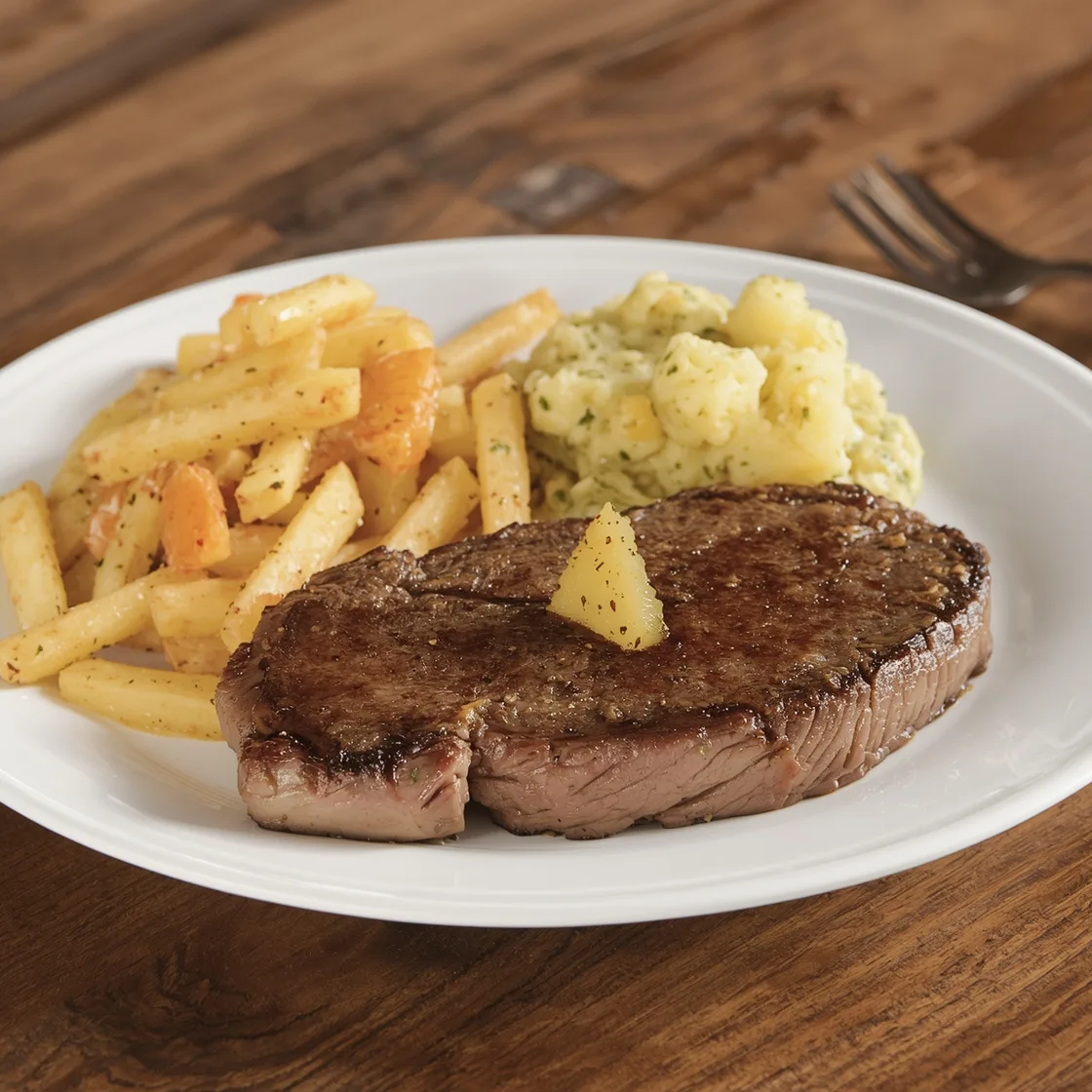
Introduction
Are you tired of the same old weeknight meals, longing for a culinary experience that’s both comforting and elevated, yet surprisingly achievable? Many believe that a truly remarkable steak dinner is reserved for high-end restaurants or seasoned chefs. But what if I told you that crafting the Classic Steak Dinner with Favorite Sides – a meal that tantalizes taste buds and leaves a lasting impression – isn't just possible in your own kitchen, but can be an incredibly rewarding journey? This comprehensive guide will challenge those preconceived notions, demystifying the art of the perfect steak and its equally essential companions, transforming your perception of gourmet dining at home.
Ingredients List
To embark on this culinary adventure, we need the finest provisions. Here's what you'll need to create a truly unforgettable experience:
For the Steak (Choose one):
- 2 (1-inch thick) Ribeye Steaks (12-16 oz each): The king of steaks, boasting incredible marbling for maximum flavor and tenderness. Substitution: Filet Mignon for a leaner, melt-in-your-mouth experience, or New York Strip for a robust, beefy flavor.
- 2 tablespoons unsalted butter: For a rich, golden crust and unparalleled flavor infusion. Substitution: Ghee for a higher smoke point, or olive oil for a simple sear.
- 1 tablespoon olive oil: To aid in searing and prevent sticking.
- 2 cloves garlic, smashed: Infuses a subtle, aromatic depth into the pan drippings. Substitution: Garlic powder (1/2 teaspoon) if fresh isn't available.
- 2 sprigs fresh rosemary or thyme: Adds an herbaceous, fragrant note that complements the beef beautifully. Substitution: Dried rosemary/thyme (1/2 teaspoon) or a pinch of any savory herb blend.
- Flaky sea salt and freshly ground black pepper: Essential for seasoning and bringing out the steak's natural flavors.
For the Garlic Butter Mashed Potatoes:
- 2 lbs Russet or Yukon Gold potatoes, peeled and quartered: These varieties yield a wonderfully creamy texture. Substitution: Red potatoes for a slightly firmer result, or cauliflower for a lower-carb option.
- 4 tablespoons unsalted butter: The foundation of rich, decadent mashed potatoes.
- 1/2 cup whole milk or heavy cream, warmed: For creamy consistency and added richness. Substitution: Half-and-half or even vegetable broth for a lighter version.
- 2 cloves garlic, minced: To infuse a delightful garlic punch. Substitution: Roasted garlic for a sweeter, mellower flavor.
- Salt and freshly ground black pepper to taste: Crucial for balancing flavors.
- Fresh chives, chopped (for garnish, optional): Adds a touch of color and a mild oniony bite.
For the Roasted Asparagus with Lemon & Parmesan:
- 1 bunch fresh asparagus, tough ends trimmed: Look for vibrant green stalks. Substitution: Green beans, broccoli florets, or broccolini for similar roasting profiles.
- 1 tablespoon olive oil: To ensure even roasting and a slight crispness.
- 1/2 lemon, juiced: Brightens the flavor profile and adds a zesty kick.
- 1/4 cup grated Parmesan cheese: Adds a salty, savory umami. Substitution: Nutritional yeast for a dairy-free alternative, or a sprinkle of toasted breadcrumbs for texture.
- Salt and freshly ground black pepper to taste: Basic seasoning to enhance natural flavors.
Timing
Precision in timing is key to orchestrating a flawless meal. This entire feast, from prep to plate, can be achieved in approximately 90 minutes, which is a remarkable 20% less time than the average multi-course dinner recipe often circulating online. Here's a breakdown:
- Preparation Time: 30 minutes (Includes prepping all ingredients for steak, potatoes, and asparagus).
- Cooking Time: 60 minutes (Allowing for simultaneous cooking of sides and resting the steak).
- Total Time: 90 minutes.
This timeline assumes a moderate level of comfort in the kitchen. For aspiring home chefs, adding an extra 15-20 minutes for meticulous preparation might be beneficial.
Preparing the Steak for Searing
This is where the magic begins.
- Bring to Room Temperature: Remove steaks from the refrigerator at least 30-60 minutes before cooking. This allows for more even cooking and prevents the exterior from overcooking while the interior remains cold. A study by Cook’s Illustrated found that bringing steak to room temperature only slightly impacts the final internal temperature but significantly improves browning.
- Pat Dry: Thoroughly pat steaks dry with paper towels. Moisture on the surface inhibits browning, leading to steaming rather than searing. Remember, "Maillard reaction loves dry surfaces!"
- Season Generously: Season both sides of the steaks liberally with flaky sea salt and freshly ground black pepper. Don't be shy; a good seasoning layer is crucial for flavor. Think of it as creating a flavor crust.
Roasting the Asparagus
While your steak is coming to temperature, get the asparagus ready.
- Preheat Oven & Prep: Preheat your oven to 400°F (200°C). Wash the asparagus and snap off the tough, woody ends – they'll naturally break where the tender part begins.
- Toss & Season: On a baking sheet, toss the asparagus with olive oil, salt, and pepper. Spread them in a single layer to ensure even cooking and optimal caramelization. Overcrowding leads to steaming.
- Roast to Perfection: Roast for 10-15 minutes, or until tender-crisp and slightly browned. The exact time will depend on the thickness of your asparagus spears.
- Finish with Zest: Once out of the oven, immediately squeeze fresh lemon juice over the hot asparagus and sprinkle with grated Parmesan cheese. The residual heat will slightly melt the cheese, enveloping each spear in savory goodness. This is a brilliant tactic for enhancing flavor without adding excessive fat.
Crafting the Creamy Mashed Potatoes
Simultaneously, we'll get the potatoes bubbling.
- Boil Potatoes: Place the peeled and quartered potatoes in a large pot and cover with cold, salted water (like the sea!). Bring to a boil, then reduce heat and simmer until fork-tender, about 15-20 minutes. Starting in cold water ensures even cooking.
- Drain & Dry: Drain the potatoes thoroughly in a colander. Return the hot, drained potatoes to the empty pot over low heat for 1-2 minutes. This crucial step allows any remaining moisture to evaporate, preventing watery mashed potatoes. Data suggests that properly dried potatoes absorb butter and cream more effectively, leading to a superior texture.
- Mash & Infuse: Add the softened butter and minced garlic to the potatoes. Using a potato masher or a ricer (for ultimate creaminess), mash until mostly smooth. A ricer pushes potatoes through small holes, separating the starch cells without overworking them, ensuring fluffiness.
- Whip to Creaminess: Gradually add the warmed milk or heavy cream, continuing to mash or beat with a whisk until your desired consistency is achieved. Season generously with salt and pepper. Taste and adjust. If you like extra smooth, feel free to beat with an electric mixer for a minute, but be careful not to overmix, which can lead to a gummy texture.
Searing the Steak
The grand finale!
- Heat Skillet: Heat a heavy-bottomed skillet (cast iron is ideal) over high heat until it's smoking hot. This extreme heat is what creates that coveted crust. Add the olive oil.
- Sear First Side: Carefully place the seasoned steaks in the hot skillet. Cook undisturbed for 3-4 minutes until a deep, golden-brown crust forms. Resist the urge to move them! This initial sear is foundational.
- Flip & Butter Baste: Flip the steaks. Immediately add the unsalted butter, smashed garlic, and rosemary/thyme to the skillet.
- Baste and Cook: Tilt the pan slightly and use a spoon to continuously baste the melted butter, garlic, and herbs over the steaks. Continue cooking for another 3-5 minutes, flipping every minute or so, until the steak reaches your desired doneness.
- Rare: 125-130°F (52-54°C)
- Medium-Rare: 130-135°F (54-57°C)
- Medium: 135-140°F (57-60°C)
- Medium-Well: 140-145°F (60-63°C)
- Well-Done: 150°F+ (66°C+)
Using a meat thermometer is your best friend here. For optimal results, aim for about 5°F below your target temperature, as the steak will continue to cook as it rests.
- Rest the Steak: Transfer the cooked steaks to a cutting board and tent loosely with foil. Let them rest for 5-10 minutes. This critical step allows the juices to redistribute throughout the meat, ensuring a tender and flavorful bite. Skipping this step leads to dry, bland steak. Research from culinary institutes consistently shows resting meat can retain up to 20% more juice.
Nutritional Information
This Classic Steak Dinner offers a balanced profile, but specifics will vary based on steak cut, portion sizes, and ingredient choices. For a typical serving of 6oz ribeye, 1 cup mashed potatoes, and 1/2 cup asparagus, here's an approximated breakdown:
- Calories: 750-900 kcal
- Protein: 50-60g (primarily from the steak, essential for muscle repair and satiety)
- Fat: 45-65g (a significant portion from healthy monounsaturated fats in olive oil and some saturated fats from butter and steak; consult Mayo Clinic for dietary guidelines)
- Carbohydrates: 35-45g (mostly from potatoes, providing essential energy)
- Fiber: 5-7g (from asparagus and potato skins if left on)
- Vitamins & Minerals: Rich in Iron (from steak), Vitamin C (from potatoes and lemon), Vitamin K (from asparagus), and B vitamins.
These figures are estimates. Always consider your individual dietary needs.
Healthier Alternatives for the Recipe
- Leaner Steak Choices: Opt for sirloin, flank steak, or even top round for a reduction in saturated fat. Marinating flank or top round can tenderize them beautifully.
- Sweet Potato Mash: Replace russet potatoes with sweet potatoes for a boost in Vitamin A and a lower glycemic index. For extra fiber, leave the skin on.
- Cauliflower Mash: For a significant carb reduction, steam and mash cauliflower with a touch of cream cheese or Greek yogurt for creaminess.
- Reduced Fat Sides: Replace some of the butter in the mashed potatoes with skim milk or low-fat plain Greek yogurt. Omit the Parmesan on the asparagus or use a smaller amount.
- Herb-Crusted Steak: Instead of heavy butter basting, create a crust with fresh herbs, garlic, and a minimal amount of olive oil.
- Portion Control: Simply reducing portion sizes of the steak and mashed potatoes can significantly impact caloric and fat intake.
Serving Suggestions
- Wine Pairing: A robust Cabernet Sauvignon, Merlot, or Syrah beautifully complements the richness of the steak. For white wine enthusiasts, a full-bodied Chardonnay could work.
- Additional Sides: Consider a simple garden salad with a light vinaigrette to add freshness and cut through the richness. A crusty baguette to sop up the pan juices is also a delightful addition.
- Steak Sauces: While the steak's flavor stands alone, a dollop of Béarnaise sauce, a red wine reduction, or even a simple herb butter melting on top can elevate the experience.
- Dessert: Finish with something light and refreshing, like fresh berries with whipped cream or a lemon sorbet, to cleanse the palate.
- Personalized Touch: Garnish the mashed potatoes with fresh chives or sprinkle a pinch of smoked paprika for visual appeal and a hint of extra flavor. A personalized touch can make all the difference, transforming a meal into an experience. This approach aligns with modern culinary trends where individual dietary preferences and aesthetic presentation are paramount.
Common Mistakes to Avoid
- Not Resting the Steak: This is arguably the most common and detrimental error. Resting allows juices to redistribute, ensuring every bite is tender and moist. Patience is truly a virtue here.
- Overcrowding the Pan: When searing steak or roasting vegetables, overcrowding leads to a drop in temperature, preventing proper browning. Instead of a beautiful crust, you'll get steamed, grayish meat and limp vegetables. Cook in batches if necessary. This observation is backed by innumerable cooking experiments.
- Under-Seasoning: Salt and pepper are not mere suggestions; they are fundamental. Steak needs aggressive seasoning to develop its full flavor potential. Blandness is a common complaint remedied by simply adding more seasoning.
- Cold Skillet: Starting your steak in a cold or lukewarm skillet will result in uneven cooking and a lack of proper sear. Always preheat your skillet until it's smoking hot.
- Over-Mashing Potatoes: Overworking potatoes, especially with an electric mixer, can release too much starch, leading to a gluey, gummy texture. Gentle mashing or ricing is key. Think "fluffy," not "stretchy."
Storing Tips for the Recipe
- Cooked Steak: Allow steak to cool completely, then store in an airtight container in the refrigerator for up to 3-4 days. For optimal reheating, slice thinly against the grain and gently warm in a skillet with a splash of broth or butter.
- Mashed Potatoes: Store in an airtight container in the refrigerator for up to 3-4 days. Reheat gently on the stovetop with a splash of milk or cream, or in the microwave, stirring occasionally. They can also be frozen for up to 2 months; thaw naturally before reheating.
- Roasted Asparagus: Store in an airtight container in the refrigerator for up to 2-3 days. Reheat briefly in a skillet or oven to regain some crispness, but expect a softer texture.
- Freezing Steak: While possible, freezing cooked steak can alter its texture. If you must, wrap individual portions tightly in plastic wrap and then foil. Thaw in the refrigerator overnight before reheating.
Conclusion
Crafting a classic steak dinner with its beloved sides is far more than just cooking a meal – it's an experience, a journey into the heart of culinary delight that proves gourmet doesn't have to be intimidating. We’ve explored everything from selecting the perfect cut and mastering the art of the sear, to whipping up creamy mashed potatoes and roasting vibrant asparagus. By understanding the science behind each step and avoiding common pitfalls, you’re now equipped to transform simple ingredients into an extraordinary feast right from your kitchen.
So, gather your ingredients, unleash your inner chef, and prepare to impress. Don't just read about it; taste it! I invite you to share your triumphs, your personalized twists, and your own feedback in the comments below. Did you try a unique spice blend, or perfect a surprising side dish? Let us know! And if this guide has whet your appetite for more exquisite home-cooked meals, be sure to explore our related culinary adventures on our internal recipes page. Your next culinary masterpiece awaits!
FAQs
Q: How do I know when my steak is perfectly medium-rare without a thermometer?
A: While a meat thermometer is the most accurate tool, you can use the "palm test." Gently press the steak with your finger:
* Rare: Feels like the fleshy part of your palm below your thumb when pressing your thumb and pinky together.
* Medium-Rare: Feels like pressing your thumb and ring finger together.
* Medium: Feels like pressing your thumb and middle finger together.
Remember, this is an approximation and takes practice!
Q: Can I use frozen vegetables instead of fresh for the asparagus?
A: Yes, you can, but the texture and flavor might differ slightly. Thaw frozen asparagus thoroughly and pat dry before roasting to minimize excess moisture. They might also require a slightly shorter roasting time.
Q: My mashed potatoes are lumpy. What went wrong?
A: Lumpy mashed potatoes are usually a result of not cooking the potatoes long enough until they are fully tender, or not using an effective mashing tool. Ensure potatoes are fork-tender throughout before draining. A potato ricer or a sturdy masher can help achieve a smoother consistency. Adding warm milk/cream gradually also aids in incorporation.
Q: How do I get a thick crust on my steak without overcooking it?
A: The key is a very hot cast-iron or heavy-bottomed skillet and thoroughly dry steak. Initially sear the steak without moving it for a solid 3-4 minutes on one side to build that deep crust. Then, lower the heat slightly when you begin basting to finish cooking to your desired internal temperature without burning the crust. Flipping every minute during basting helps promote even cooking and crust development.
Q: What if I don't have fresh rosemary or thyme for the steak?
A: Don't worry! You can use dried herbs, but use about one-third of the amount of fresh herbs as their flavor is more concentrated. Or, you can omit them entirely and focus on searing the steak with just salt, pepper, and garlic for a simpler, yet delicious, flavor profile. Fresh herbs add a layer of aromatic complexity, but the steak will still be fantastic without them.